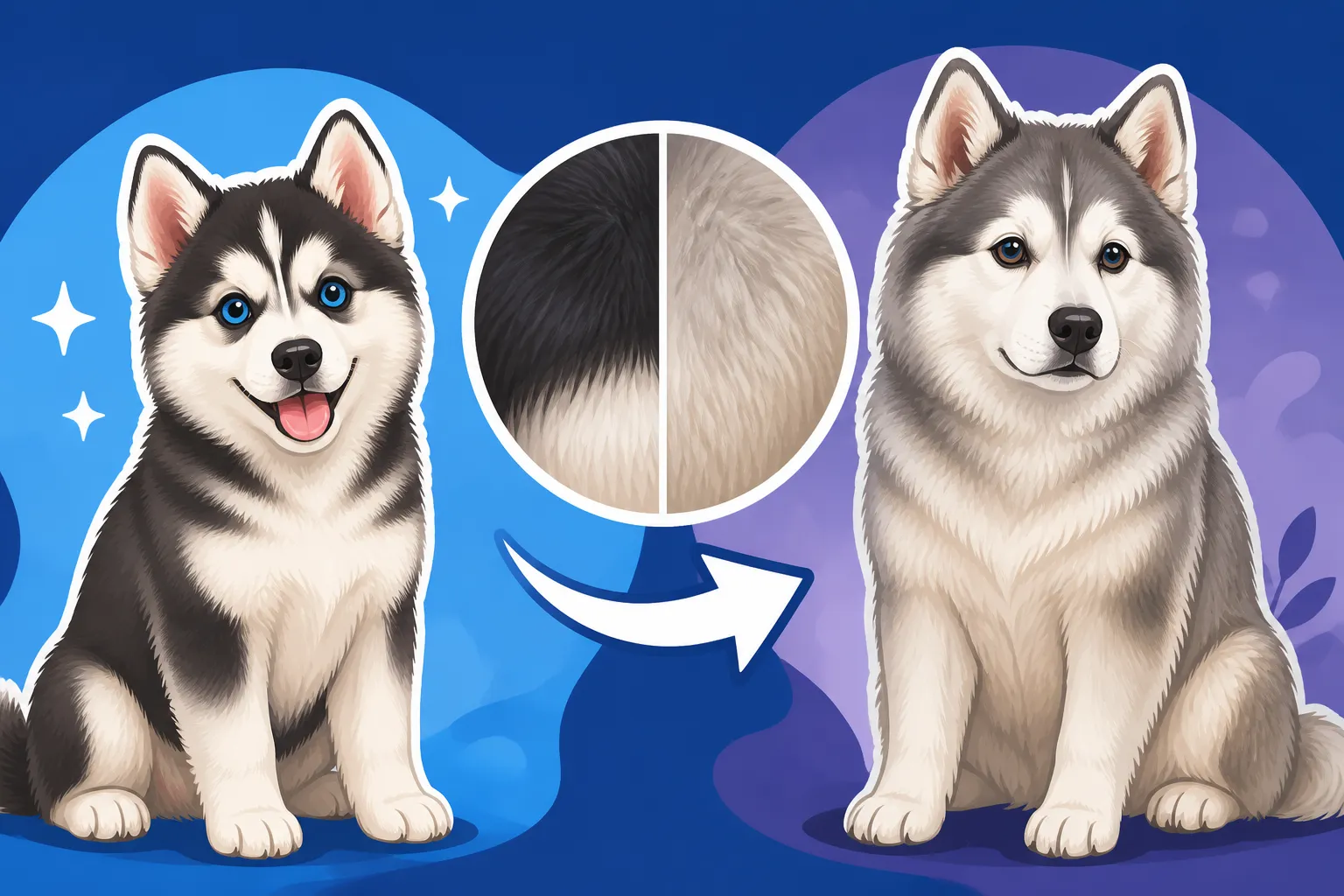
What Changes in an Old Pomsky’s Coat
It’s a bittersweet reality that as our beloved Pomskies enter their golden years, many changes start to become noticeable, and their beautiful coats are often one of the first things to show signs of aging. You might find yourself wondering why their once vibrant fur is suddenly a different shade, or why it feels coarser than it used to. This guide will walk you through the common and less common changes you can expect in an old Pomsky's coat, offering insights and practical advice to help you keep them comfortable and looking their best.
The Pristine Pomsky Coat: A Baseline for Comparison
Before we dive into the changes, let's take a moment to appreciate what a healthy, adult Pomsky coat typically looks like. Understanding this baseline helps us recognize when something is truly different and needs attention, versus just normal aging. Your Pomsky, whether a lively puppy or a spry adult, likely had a coat that was a source of pride, and perhaps a lot of shedding!
The Double Coat's Role and Structure
Pomskies inherit their magnificent double coats from both their Siberian Husky and Pomeranian parents. This isn't just fluffy hair; it's a sophisticated system designed for protection. The outer coat, or guard hairs, is made up of coarser, longer, and somewhat water-repellent hairs. These guard hairs lie flat and act like a shield, protecting the dog from harsh weather, minor scrapes, and UV rays. Beneath this protective layer lies the undercoat – a dense, soft, and woolly layer that provides insulation. In colder climates, it traps warm air close to the body, and in warmer weather, it helps regulate temperature by allowing air circulation, provided it's properly maintained. This intricate structure is why you constantly hear the advice, "Why a Pomsky Must Never Be Shaved." The double coat is essential for their well-being.
When your Pomsky was in its prime, this double coat was likely thick, lustrous, and very resilient. The guard hairs would have felt smooth but firm, while the undercoat was plush and abundant. The overall appearance was one of robust health and vitality, a hallmark of the breed's natural beauty.
Typical Coat Colors and Markings in Adulthood
One of the most exciting aspects of Pomskies is their incredible variety in coat colors and markings, often resembling miniature Huskies. From striking black and white to warm reds, grays, sables, and agoutis, often with the distinctive Husky mask, no two Pomskies are exactly alike. Their eye colors can also be a showstopper, ranging from piercing blue to warm brown, or even heterochromia (one of each).
These colors and patterns are usually quite stable throughout their adult lives, although some subtle fading might occur with prolonged sun exposure. The vibrancy of their coat color is often a good indicator of their overall health and nutrition. A shiny, rich coat suggests a diet rich in essential fatty acids and good quality protein. It's this vibrant, consistent coloration that you'll use as your mental "before" picture when observing the changes that come with age.
The Onset of Graying: A Visible Sign of Time
Just like humans, dogs experience graying as they age. It's one of the most common and often first noticeable signs that your Pomsky is becoming a senior. This shift in color isn't just aesthetic; it’s a natural part of the aging process, stemming from a decrease in melanin production in the hair follicles.
Where Gray Hairs First Appear
For most Pomskies, the first silver strands will start to appear around their muzzle and chin. It's like watching a distinguished gentleman or lady slowly acquire a sprinkle of wisdom around their mouth. This subtle change can begin as early as five or six years old for some individuals, while others might not show significant graying until much later, perhaps eight or nine. It’s highly individual, much like how some people go gray early and others don't. You might notice fine white hairs interspersed with their original color, creating a salt-and-pepper effect.
Beyond the muzzle, graying often extends to the eyebrows and around the eyes. This can give your Pomsky a softer, gentler expression, or sometimes even a perpetually surprised look if their eyebrows go white while the rest of their face remains dark. It's a charming transformation that often brings a new level of character to their familiar faces. This initial graying is generally a cosmetic change, but it’s a clear signal that your Pomsky is moving into their senior years, and it might be a good time to think about Caring for a Pomsky Past Ten.
The Progression of Whitening
As time marches on, the graying will inevitably spread beyond the face. You might start to see white hairs popping up on their chest, forelegs, and even along their backs. For Pomskies with darker coats, this contrast can be quite dramatic, turning a once solid black or dark gray dog into a beautiful tapestry of fading color. The undercoat may also start to lighten, giving the entire coat a duller or more muted appearance. It's rarely a uniform change; rather, it's often patchy, with some areas whitening faster than others.
The speed and extent of whitening are influenced by genetics. If your Pomsky's parents or grandparents grayed early and extensively, there's a good chance your furry friend will follow suit. While this widespread whitening is a natural part of aging, a sudden or very rapid onset of extensive graying, especially if accompanied by other symptoms, could sometimes point to underlying health issues like stress or certain medical conditions. However, in most cases, it’s simply a beautiful visual marker of a life well-lived.
Texture, Density, and Shedding Transformations
Beyond color, the actual feel and volume of your Pomsky’s coat will also undergo significant changes as they age. What was once a resilient, dense coat might become noticeably softer, thinner, or even more prone to tangles.
Softening and Thinning of the Outer Coat
One of the most common changes in an older Pomsky's coat is a softening and thinning of the guard hairs. That coarse, protective outer layer that once felt quite robust might now feel finer, almost silky. This isn't necessarily a bad thing, but it does mean their coat might offer a little less protection from the elements or minor bumps. The thinning can be subtle, manifesting as sparser patches, especially on the back, sides, and around the tail. You might start to see their skin more easily when you part their fur, which would have been impossible in their younger years.
This change is largely due to decreased cellular activity and collagen production in the skin as they age, affecting the strength and growth cycle of individual hairs. These hairs may become more brittle, break more easily, and simply not grow back as thickly or strongly as they once did. While this doesn't usually cause discomfort, it's something to monitor, particularly if it becomes very pronounced or patchy, which could indicate a medical issue.
Changes in Undercoat Density and Shedding Patterns
The undercoat, that plush insulating layer, also typically thins with age. You might notice that when your Pomsky has their seasonal "blowout" – a phenomenon that can be quite dramatic and makes you wonder Whether a Pomsky Blows Its Coat Twice a Year – there just isn't quite as much fur coming off as there used to be. The once incredibly dense undercoat might feel less substantial, offering less of that luxurious cushioning. This can have implications for their comfort in varying temperatures, making them slightly more susceptible to cold in winter or heat in summer.
Along with thinning, shedding patterns can also shift. While young Pomskies are famous for their prodigious shedding, older ones might shed less overall due to slower hair growth, or they might shed more consistently year-round rather than in distinct "blowout" phases. This altered shedding can sometimes lead to an accumulation of dead hair if not brushed regularly, which can then contribute to matting. Regularly running your hands through their coat will help you gauge these changes.
The Appearance of Mats and Tangles
With the guard hairs thinning and the undercoat changing density, an older Pomsky’s coat can unfortunately become more prone to matting and tangling. The softer, finer hairs can intertwine more easily, especially in areas of friction like behind the ears, under the legs, on the rump, or where a harness sits. These mats aren't just unsightly; they can be incredibly uncomfortable, pulling on the skin and even causing painful sores if left unattended. What used to be a quick brush-through might now require a more thorough, patient approach.
Even if your Pomsky never matted much in their younger days, vigilance is key now. Regular, gentle grooming sessions become even more crucial. Investing in a good undercoat rake, like those available on Amazon or Chewy, can make a huge difference in preventing mats from forming deep within the coat. It’s also a time when you might notice that their coat isn't quite Whether a Pomsky's Coat Gets Thicker With Age anymore, but rather the opposite, making these mats feel even more significant.
Underlying Skin and Health Issues Affecting the Senior Coat
While some coat changes are purely cosmetic and part of normal aging, others can be red flags for underlying health issues. It's important to differentiate between the two, as a healthy coat is often a reflection of a healthy body.
Dryness, Flakiness, and Loss of Luster
Many senior Pomskies develop drier skin and a duller coat. This loss of luster isn't just about appearance; it can indicate reduced oil production in the skin's sebaceous glands. These natural oils are vital for keeping the skin hydrated and the coat shiny and supple. When oil production declines, the skin can become flaky, itchy, and sometimes even irritated. You might notice more dandruff or a generally "dusty" appearance to their fur.
Several factors contribute to this, including changes in metabolism, decreased fat absorption, or simply dehydration. If you notice persistent dryness and flakiness, it’s worth a discussion with your vet. Sometimes, dietary adjustments, like adding omega-3 fatty acids, or using specialized moisturizing shampoos recommended by your vet can help restore some hydration and shine. Products designed for sensitive skin or aging dogs are often gentler and more effective.
Hormonal Influences on Coat Health
Hormonal imbalances can wreak havoc on a Pomsky’s coat, and these issues tend to become more prevalent as dogs age. Conditions like hypothyroidism (an underactive thyroid) are classic culprits. When a Pomsky’s thyroid isn’t producing enough hormones, you might see a range of symptoms, including weight gain, lethargy, and significant changes in their coat. This often includes a thinning coat, hair loss, especially on the flanks and tail, and a dull, dry, or brittle texture. The skin underneath might also become thicker and darker.
Another hormonal condition to be aware of is Cushing's disease, which involves an overproduction of cortisol. This can also lead to symmetrical hair loss, thin skin, and sometimes a pot-bellied appearance. If you notice these kinds of changes in your senior Pomsky, particularly if accompanied by other health changes, it’s crucial to speak with your veterinarian. They can perform tests to diagnose these conditions, and thankfully, many are manageable with medication, which can often bring their coat back to a healthier state. Understanding Signs a Pomsky's Thyroid Has Failed can be vital here.
Increased Susceptibility to Skin Infections and Hot Spots
Older dogs often have compromised immune systems, making them more vulnerable to skin infections, both bacterial and fungal. The combination of thinner skin, decreased oil production, and potential allergies can create a perfect storm for problems. You might notice red patches, bumps, scabs, or a yeasty smell coming from their skin and coat. Areas that are particularly prone to moisture, like skin folds (if your Pomsky has any) or paws, can be hotspots for these issues.
Additionally, older Pomskies might be more prone to Hot Spots Under a Pomsky's Undercoat. These are acute moist dermatitis lesions that can appear suddenly and spread rapidly. They are typically caused by self-trauma (licking, chewing, scratching) due to an underlying itch or irritation. Older dogs, with their potentially weaker immune systems and slower healing, can find these harder to resolve. Regular grooming helps you spot these issues early, and prompt veterinary attention is key to preventing them from becoming more severe and painful for your senior companion.
Adapting Your Grooming Routine for an Older Pomsky
As your Pomsky’s coat and skin change, so too should your grooming approach. What worked for a lively youngster might be too harsh or simply insufficient for an aging dog. Gentleness, consistency, and attention to detail are paramount now.
Gentle Brushing Techniques and Tools
Gone are the days of quick, vigorous brushing sessions if your senior Pomsky has developed more delicate skin or a thinner coat. Now, the emphasis should be on gentle, thorough strokes that stimulate blood flow without causing irritation. Use soft-bristled brushes or slicker brushes with protected tips. An undercoat rake, such as The Undercoat Rake a Pomsky Owner Lives With, is still essential, but use it with a lighter touch, paying close attention to your dog's reactions. If they flinch or show discomfort, stop and reassess. Their skin might be more sensitive, or they might have an ache or pain that you're inadvertently pressing on.
Regularity is key to preventing mats, which can be even more painful for an older dog. Daily, shorter brushing sessions are often better than infrequent, long ones. This also provides a wonderful opportunity for you to bond with your Pomsky and conduct a daily "health check" of their skin, looking for any new lumps, bumps, or tender spots. Many online retailers like Chewy offer a wide range of gentle brushes and combs specifically designed for sensitive skin or senior pets.
Bathing Considerations for Sensitive Senior Skin
Bathing an older Pomsky requires a thoughtful approach. Their drier, more delicate skin might react poorly to harsh shampoos or frequent baths. Opt for moisturizing, oatmeal-based, or veterinarian-recommended shampoos that are formulated for sensitive skin or older dogs. Avoid overly hot water, as it can further dry out their skin. Lukewarm water is best. Rinse thoroughly to ensure no shampoo residue is left behind, as this can cause irritation.
After bathing, gently towel dry your Pomsky, especially if they have a thicker coat, to prevent any dampness from lingering, which can lead to skin issues. If you use a force dryer, keep the setting on cool or low heat and maintain a safe distance. Their skin might be less tolerant of heat. Consider bathing less frequently than you did when they were younger, perhaps only when truly necessary, to preserve their natural skin oils.
Nutrition and Supplements for Coat Support
Just as a healthy diet supports a shiny coat in youth, it's even more vital for an aging Pomsky's coat health. Senior dogs have different nutritional needs, and feeding them a high-quality diet specifically formulated for seniors can make a significant difference. Look for foods rich in omega-3 and omega-6 fatty acids, which are crucial for skin and coat health. Many premium dog foods, including options like Ollie, incorporate these essential nutrients.
Beyond their regular diet, your vet might recommend specific supplements. Fish oil (omega-3 fatty acids), vitamin E, or biotin can all contribute to healthier skin and a more lustrous coat. These supplements can help combat dryness, reduce flakiness, and support the growth of stronger, healthier hair. However, always consult with your veterinarian before adding any new supplements to your senior Pomsky's regimen, as they can interact with existing medications or health conditions. Don't forget to focus on Feeding an Old Pomsky holistically, as proper nutrition impacts everything.
Recognizing When Coat Changes Signal Deeper Health Concerns
While some coat changes are a normal part of aging, others are not. Knowing the difference is key to ensuring your senior Pomsky receives the care they need when they need it most. Don't hesitate to consult your veterinarian if you're ever in doubt.
Signs That Warrant a Vet Visit
It's one thing for your Pomsky to develop a distinguished gray muzzle, but it's quite another if their coat suddenly becomes patchy, excessively dry, or inflamed. Here are some specific signs that should prompt a vet visit:
- Sudden or rapid hair loss: Especially if it's asymmetrical or creates bald patches. This is different from general thinning.
- Intense itching, scratching, or licking: This could indicate allergies, parasites, or an underlying skin infection.
- Red, inflamed, or irritated skin: Hives, rashes, or open sores that don't heal.
- Excessive flakiness or crusting: Particularly if it's accompanied by odor or discomfort.
- Greasy or oily coat with an unpleasant odor: This can be a sign of seborrhea or other skin conditions.
- Lumps, bumps, or masses under the skin: While not directly coat changes, these are often discovered during grooming and need prompt evaluation.
- Changes in behavior: Lethargy, increased thirst, or appetite changes accompanying coat problems could point to systemic illness.
Your vet can perform diagnostic tests, such as skin scrapings, biopsies, or blood work, to pinpoint the cause of the issue and recommend appropriate treatment. Early intervention is always best for your furry friend.
Differentiating Normal Aging from Disease
It can sometimes be challenging to distinguish between what's just "old age" and what's a symptom of a treatable condition. Here’s a general guideline:
Normal aging changes tend to be gradual, symmetrical, and non-painful. For example, a slow, even graying of the muzzle or a slight, uniform thinning of the undercoat over several years is typically normal. The coat might feel softer, and shedding patterns might shift, but generally, the skin underneath remains healthy and comfortable. There shouldn't be excessive itching or pain associated with these changes.
Conversely, changes related to disease are often more rapid, can be asymmetrical (affecting one side more than the other), and are frequently accompanied by other symptoms like lethargy, changes in appetite or thirst, or discomfort (itching, pain, licking). For instance, significant hair loss on the flanks coupled with weight gain and low energy is much more likely to be a thyroid issue than just old age. Similarly, an itchy, red patch of skin that your dog is constantly licking is a problem, not just an age-related cosmetic shift. Always err on the side of caution and consult your vet for any changes that concern you.
| Feature | Normal Aging Coat Changes | Potential Disease Indicator Coat Changes |
|---|---|---|
| Color | Gradual graying on muzzle, face, chest; general lightening | Sudden, widespread whitening; odd discoloration (yellowing, blackening) |
| Texture/Density | Gradual softening, uniform thinning; slight decrease in density | Rapid, patchy thinning/loss; coarse, brittle, or greasy texture |
| Shedding | May be less overall or more constant year-round | Excessive shedding with bald spots; hair coming out in clumps |
| Skin Appearance | Mild dryness, occasional flakes; healthy color | Redness, inflammation, rashes, sores, crusts, excessive dandruff |
| Comfort Level | No associated pain or itching | Intense itching, constant licking/chewing, visible discomfort |
| Other Symptoms | Generally none, or mild age-related stiffness | Lethargy, weight changes, increased thirst/urination, behavioral shifts |
Disclaimer
This article is for general informational purposes only and does not constitute professional advice. Laws, prices and regulations vary by location and change over time. Consult a qualified professional for guidance on your specific situation.