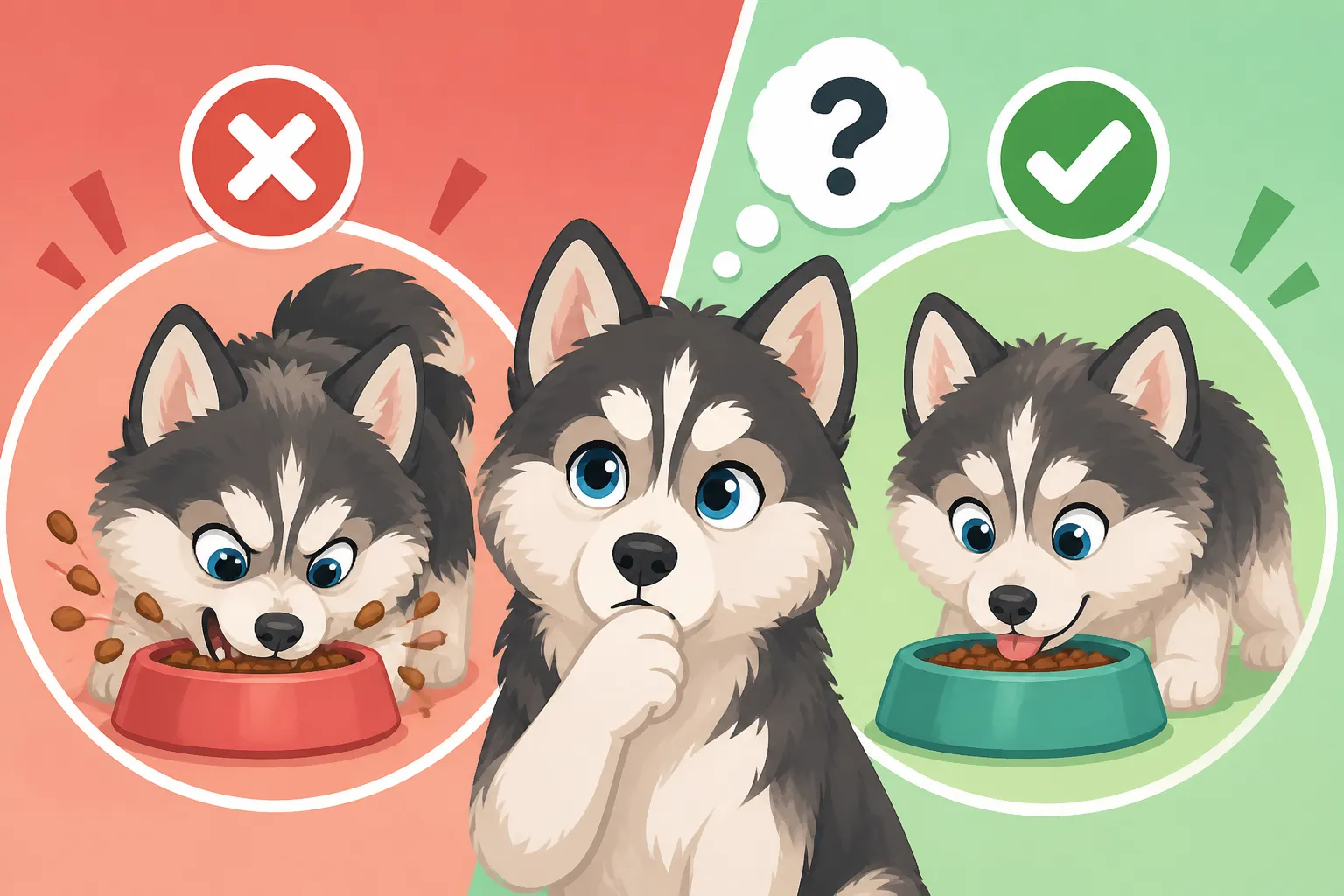
Whether a Pomsky Eats Too Fast
It can be truly alarming and, let's be honest, a little frustrating when your beloved Pomsky acts like a vacuum cleaner at meal times, inhaling their food in mere seconds. You worry about choking, upset stomachs, and whether they're even tasting their carefully prepared dinner. This guide is here to walk you through why your Pomsky might be eating so quickly and, more importantly, what actionable steps you can take to slow them down for their health and your peace of mind.
Understanding Why Your Pomsky Rushes Their Meals
It's not just about greed, though it can certainly look that way! There are a multitude of reasons why a Pomsky might be scarfing down their food, many rooted deep in their genetics and early experiences. Understanding these underlying causes is the first step toward finding a solution that works for both of you.
Ancestral Instincts and Genetic Predispositions
Let's not forget the heritage of our delightful Pomskies. They descend from the Siberian Husky, a breed known for its incredible endurance and, often, a rather swift eating style. In the wild, or even in pack dynamics where food competition is a factor, eating quickly means securing your share before others get to it. This ancient survival instinct can be remarkably strong, even in a pampered house dog who has never known a moment of food scarcity. Your Pomsky isn't necessarily thinking, "Oh no, Rover might steal my kibble!" but rather, "Food is here, consume!"
The Pomeranian side of their lineage also contributes. While not typically known for bolting food, small breeds can sometimes develop habits of eating quickly if they've had to contend with larger, faster eaters in their past, or if their small digestive systems are trying to process a large meal at once. The combination of these traits can create a dog highly motivated to finish their meal in record time.
Environmental and Behavioral Factors
Beyond genetics, the environment and learned behaviors play a huge role. Think about your Pomsky's daily routine and mealtime setup. If there are other pets in the house, even if they aren't directly bothering your Pomsky, the mere presence of competition can trigger faster eating. Even a dog who eats alone might have developed the habit if they've experienced stress or changes in their food availability in the past, such as being in a crowded rescue situation or a bustling puppy litter.
The type of food also matters. Highly palatable, soft, or moist foods are naturally easier to consume quickly than dry kibble. If your Pomsky is fed on a schedule and always seems ravenously hungry when mealtime rolls around, they might simply be truly starving, which also leads to speedy consumption. Sometimes, the problem starts young; a Pomsky puppy's eating habits can set the stage for how they approach food for life.
The Risks of a Pomsky Eating Too Quickly
While it might seem like a harmless quirk, the truth is that rapid eating can pose several significant health risks for your Pomsky. It's not just about a messy eating area; these issues can range from uncomfortable indigestion to life-threatening emergencies.
Choking and Aspiration Concerns
One of the most immediate dangers of fast eating is choking. When a Pomsky inhales their food rather than properly chewing it, large pieces can become lodged in their throat. This is terrifying for any dog owner to witness. Even if they don't fully choke, rapid ingestion can lead to gagging, coughing, and even aspiration pneumonia, where food particles accidentally enter the lungs, causing a serious infection. This is especially concerning if your Pomsky is prone to conditions like The Collapsing Trachea a Pomsky Gets From the Pomeranian, where respiratory passages are already compromised.
Imagine your Pomsky suddenly gasping, struggling to breathe, or making those alarming honking noises. It’s a moment of pure panic, and often, it’s a direct result of eating too fast without proper chewing. Their enthusiasm for food can, unfortunately, be their undoing if we don't intervene to slow things down.
Digestive Upset and Bloat
Beyond choking, rapid eating puts a tremendous strain on your Pomsky's digestive system. When food is swallowed quickly, it often comes with a lot of air. This excess air can lead to uncomfortable gas, bloating, and indigestion, manifesting as burping, flatulence, or even vomiting soon after eating. Over time, this chronic digestive stress isn't healthy for their gut.
More critically, rapidly gulping food and air is a known risk factor for Gastric Dilatation and Volvulus (GDV), commonly known as bloat. This is a life-threatening condition where the stomach fills with gas, fluid, or food, then twists, cutting off blood supply and trapping the contents. While often associated with larger, deep-chested breeds, bloat can affect any dog, and the urgency with which some Pomskies eat can elevate their risk. Symptoms of bloat include a distended abdomen, unproductive retching, pacing, and obvious discomfort. If you suspect bloat, it's an immediate emergency needing veterinary attention.
Effective Strategies to Slow Down Your Pomsky's Eating
The good news is that you have many tools and techniques at your disposal to help your Pomsky slow their roll at meal times. It might take some patience and consistency, but preventing health issues is absolutely worth the effort.
Investing in Slow Feeder Bowls and Puzzle Toys
This is often the first and most effective line of defense. Slow feeder bowls are designed with ridges, mazes, or pegs that force your Pomsky to eat around obstacles, making it impossible to gulp large mouthfuls. You can find a wide variety of these online, from simple designs to more intricate patterns. Brands available on platforms like Amazon or Chewy offer numerous options suitable for different Pomsky sizes and eating styles.
| Slow Feeder Type | Description | Pros | Cons |
|---|---|---|---|
| Traditional Maze Bowl | Raised ridges or spirals on the bottom of the bowl. | Simple, easy to clean, widely available. | May not slow down the most determined eaters significantly. |
| Interactive Puzzle | Compartments or lids that require manipulation to access food. | Engages mental stimulation, slows eating considerably. | Can be harder to clean, some dogs might get frustrated. |
| Snuffle Mat | Fabric mat with strands to hide kibble. | Excellent for mental enrichment, very effective at slowing. | Can be difficult to clean, not suitable for wet food. |
| Ball/Dispenser Toy | Food is placed inside, and dog rolls/noses it to dispense kibble. | High mental engagement, keeps dog active during meal. | Can be noisy, some dogs find it frustrating, not for all food types. |
Beyond dedicated bowls, puzzle toys are fantastic. A Kong Wobbler, for instance, dispenses kibble as your Pomsky nudges and rolls it. Snuffle mats, where you sprinkle kibble among fabric strips, also encourage sniffing and foraging, turning mealtime into a fun, slow activity. This mental engagement is a huge plus for intelligent breeds like the Pomsky, helping with The Exercise a Pomsky Needs Every Day by adding mental stimulation.
Changing Feeding Routines and Environment
Sometimes, a simple change in how and where you feed your Pomsky can make a world of difference. If you have multiple pets, try feeding them in separate rooms or at a distance where they can't see or hear each other eat. This removes any perceived competition. For some Pomskies, breaking their meal into two or three smaller portions throughout the day, rather than one large one, can also help reduce that intense hunger drive that leads to gobbling. You might find that How Much a Twenty Pound Pomsky Eats is better managed across these smaller sittings.
Consider the atmosphere around mealtime too. Is it chaotic? Are you rushing? A calm, quiet environment can help your Pomsky relax and focus on eating rather than panicking. You can even try hand-feeding a portion of their meal, making it a training exercise that builds your bond and controls their pace. This can be especially effective when introducing a new food, like options from Ollie, which might be more tempting to gobble.
Adjusting Food Type and Consistency
The food itself can influence eating speed. Dry kibble requires more chewing than wet food. If your Pomsky is on a primarily wet diet and eating too fast, consider incorporating some dry kibble or mixing it with wet food to encourage slower consumption. Some owners find success soaking their Pomsky's kibble in a little water or low-sodium broth, which expands the kibble and makes it harder to gulp, while also increasing hydration. Just be sure to monitor how much a Pomsky needs to stay hydrated generally.
For those considering fresh food options, which often have a softer consistency, using a slow feeder or spreading the food thinly on a lick mat can be crucial. If you're using a specific brand of dog food, check if they offer different kibble sizes. A slightly larger kibble might naturally slow down your Pomsky's eating process, even if only by a little.
When to Consult Your Veterinarian
While most fast eating issues can be managed at home with behavioral and environmental changes, there are times when your Pomsky's rapid eating habits, or symptoms associated with them, warrant a trip to the vet. It's always better to be safe than sorry, especially when digestive health is concerned.
Recognizing Concerning Symptoms
If your Pomsky's rapid eating is accompanied by symptoms such as frequent vomiting (not just occasional regurgitation), persistent gagging, lethargy, changes in stool consistency, or sudden weight loss despite eating well, it's time for a professional check-up. These could be signs of underlying digestive issues, dental problems, or other health concerns that need to be addressed. For example, Dental Crowding in a Pomsky's Small Mouth can make chewing difficult and lead to faster swallowing.
Also, be incredibly vigilant for signs of bloat (GDV) as mentioned earlier: unproductive retching, a distended abdomen, obvious pain, or restlessness. This is a medical emergency that requires immediate veterinary care. Don't wait to see if it improves; every minute counts.
Ruling Out Medical Conditions
Your veterinarian can conduct a thorough examination to rule out any medical conditions contributing to your Pomsky's speedy eating. This might include checking for parasites, dental disease, gastrointestinal issues, or metabolic disorders. They can also offer tailored advice based on your Pomsky's individual health, age, and lifestyle.
Sometimes, what seems like fast eating might actually be a symptom of discomfort or a response to an unmet nutritional need. A vet can help you assess your Pomsky's overall diet, ensuring they are getting the right balance of nutrients for their age and activity level, especially important given that The Twelve to Fifteen Years a Pomsky Lives means supporting their health for a long time. They might suggest specific dietary changes or supplements if they identify any deficiencies or sensitivities. Never hesitate to bring up your concerns; your vet is your best partner in your Pomsky's health journey.
Disclaimer
This article is for general informational purposes only and does not constitute professional advice. Laws, prices and regulations vary by location and change over time. Consult a qualified professional for guidance on your specific situation.