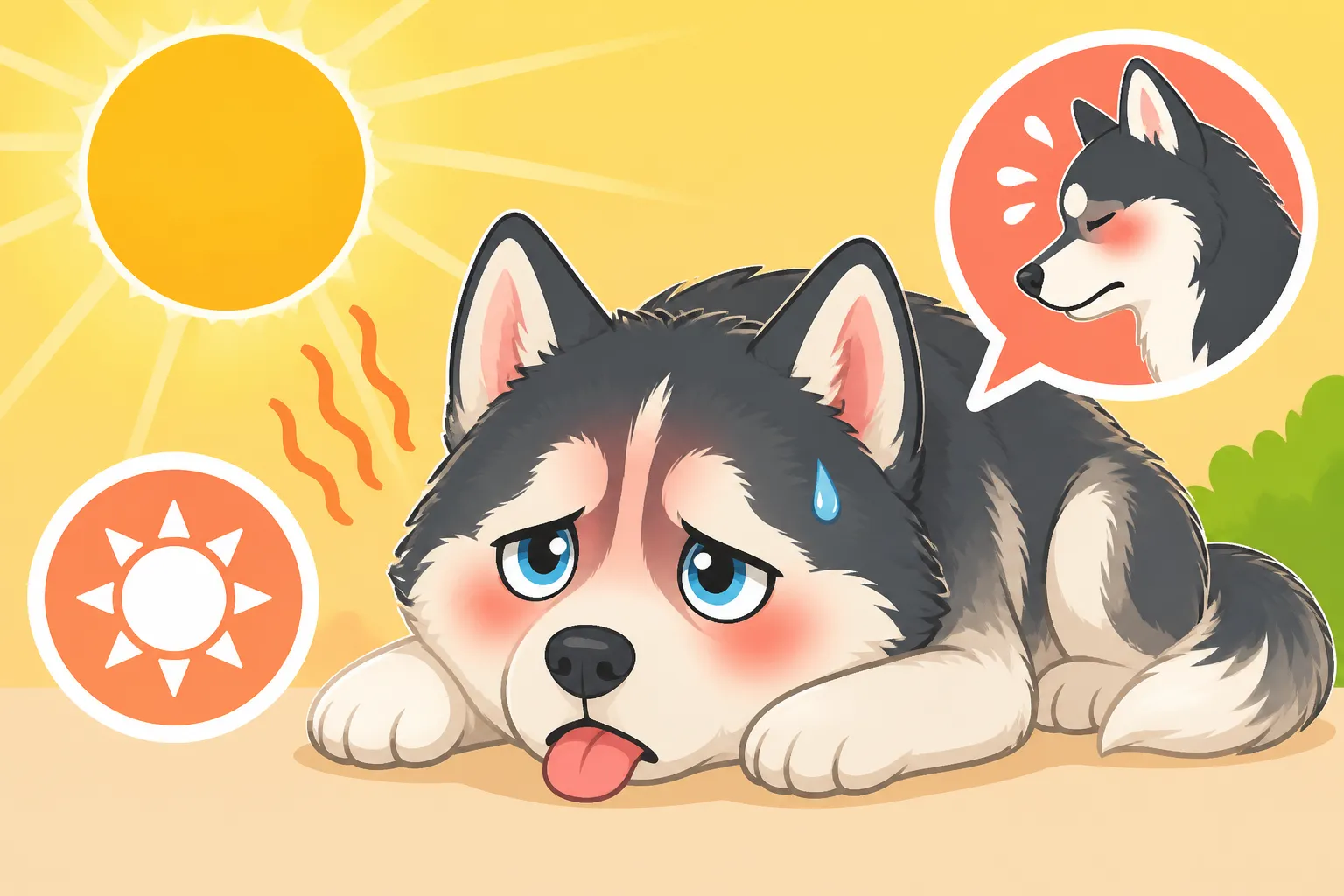
Signs a Pomsky Has Had Too Much Sun
It’s easy to look at a Pomsky, with their thick, fluffy double coat and Husky-like appearance, and assume they’re practically invincible in the heat and sun. After all, Huskies are cold-weather dogs, right? But here’s the truth: your Pomsky, especially with their smaller Pomeranian genes mixed in, can be surprisingly susceptible to overheating and sunburn, and sometimes the signs aren't as obvious as you might think. This comprehensive guide is here to help you understand why your Pomsky might struggle in the sun, recognize the subtle and not-so-subtle indicators that they've had too much exposure, and know exactly what steps to take to keep your beloved companion safe and comfortable.
Understanding Why Pomskies Are Prone to Sun Exposure Issues
It’s a common misconception that a double-coated dog is automatically protected from the sun. While their fur does offer some insulation, the unique blend of genetics in a Pomsky means they have specific vulnerabilities you need to be aware of, especially when the mercury rises.
The Double Coat Misconception in Hot Weather
Many people see that thick, luxurious Pomsky coat and think it must be fantastic protection against anything, including scorching sun. And in many ways, it is! A healthy double coat actually acts as insulation, keeping them warm in winter and helping to keep them cool by trapping cooler air close to their skin in summer. It also provides a natural barrier against UV rays. However, this protective mechanism has its limits, especially when humidity is high or when a Pomsky is overexerted in direct sunlight.
Unlike purebred Huskies, who have generations of adaptation to harsh, cold climates, Pomskies are a newer hybrid. Their coat density, length, and overall efficacy in extreme heat can vary widely depending on which parent breed’s traits are more dominant. A Pomsky's double coat, while beautiful, can quickly become a liability if they are left in direct sun without adequate ventilation or access to shade and water. The thick undercoat, designed for insulation, can actually trap heat against their body if they're not able to effectively cool themselves down through panting. This is why you must avoid shaving your Pomsky, as that actually removes their natural insulation and makes them more susceptible to both heatstroke and sunburn. It's a delicate balance, and owners need to understand that the coat is a tool, not a full shield. To understand more about their unique fur, take a look at The Pomsky That Carries a Husky Coat at Twenty Pounds.
Genetic Predispositions from Parent Breeds
The Pomeranian side of your Pomsky's lineage brings a few characteristics that can make them more susceptible to sun exposure issues. Pomeranians are small, and some Pomskies inherit a similar compact body size, which can sometimes mean a smaller surface area for efficient cooling compared to a larger Husky. More importantly, some Pomskies inherit thinner skin or a less dense coat in certain areas from their Pomeranian ancestors, particularly on their bellies, inner thighs, or around their ears.
Furthermore, coat color plays a significant role. Lighter-colored Pomskies – those with white, cream, or light fawn coats – and especially those with pink noses, pink paw pads, or pale eyelids, are far more vulnerable to sunburn. Just like fair-skinned humans, their skin has less pigment (melanin) to protect against harmful UV radiation. Even Pomskies with darker coats can still get sunburned on these sensitive, unpigmented areas. It's not just about the heat, but also the direct sun hitting delicate skin, leading to potential burns and, over time, increased risk of skin issues.
Immediate Red Flags: Recognizing Overheating
Overheating is a serious, life-threatening condition in dogs, and Pomskies are no exception. Knowing the early signs can be the difference between a quick cool-down and a trip to the emergency vet. Don't ever underestimate how quickly a dog can go from "a bit warm" to "in crisis."
Behavioral Changes to Watch For
Your Pomsky’s behavior is often the first indicator that they’re struggling in the heat. They can't tell you in words, so you need to be a keen observer of their body language.
- Excessive Panting: While panting is how dogs cool down, "excessive" means panting that is much heavier, faster, and more labored than usual, even when they're at rest. It might sound raspy or strained. If their panting isn't slowing down after a few minutes in the shade, or if it seems disproportionate to their activity level, it's a red flag. Think of it as them working incredibly hard just to breathe, which is exhausting in itself.
- Lethargy and Weakness: If your normally energetic Pomsky is suddenly lagging behind on a walk, reluctant to play, or seems unusually tired, these are clear warning signs. They might stumble, appear wobbly on their feet, or even collapse. This isn't just "being lazy" – it's their body shutting down because it can no longer cope with the heat.
- Seeking Shade or Cool Surfaces: Dogs are smart about finding comfort. If your Pomsky is desperately trying to burrow into the coolest patch of grass, pressing their belly against a tile floor, or stubbornly refusing to move from a shady spot, they’re telling you they’re too hot. They are actively trying to self-regulate, but it means they’re already feeling the heat intensely.
- Confusion or Disorientation: As heatstroke progresses, a dog's brain can be affected. They might look dazed, stare blankly, fail to respond to commands, or act generally disoriented. This is a severe sign and indicates a critical situation. It's often accompanied by a glassy-eyed look.
Remember, every Pomsky is different, and what one might tolerate, another might struggle with. Always err on the side of caution. If you're wondering The Temperature a Pomsky Starts Struggling At, it's important to know that even moderate temperatures combined with high humidity or intense sun can be dangerous.
Physical Symptoms of Heat Stress
Beyond behavior, there are several physical signs that indicate your Pomsky is in distress from the heat. These often appear as the situation becomes more serious.
- Bright Red Gums or Tongue: A normal dog's gums should be a healthy pink. If your Pomsky's gums or tongue turn a vivid, almost cherry red, it indicates their blood vessels are dilating in an attempt to dissipate heat. This is a significant warning sign that their body temperature is dangerously high. Conversely, pale or blue-tinged gums are also extremely concerning and suggest circulatory collapse.
- Thick, Sticky Saliva: As your Pomsky becomes dehydrated and overheated, their saliva can become thick and ropey, almost glue-like. You might see it stringing from their mouth. This is a sign their body is running out of fluids needed for effective cooling.
- Vomiting or Diarrhea: The digestive system can be one of the first to be affected by severe heat stress. Vomiting or diarrhea (sometimes bloody) can occur as the body tries to rid itself of toxins and the internal organs start to suffer. These are grave symptoms and require immediate veterinary intervention.
- Rapid Heart Rate: While harder for a layperson to detect accurately, an extremely fast and pounding heart rate is another indicator of a body under immense stress. You might feel their pulse racing if you place your hand on their chest or inner thigh.
- Staggering or Loss of Coordination: This is often a progression from initial lethargy. They might lose control of their limbs, stumble, and eventually be unable to stand. This is a precursor to collapse and can quickly lead to unconsciousness or seizures.
If you observe any of these symptoms, especially in combination, it's an emergency. Don't delay. For more information on recognizing serious heat issues, consult Signs a Pomsky Is Overheating.
Recognizing Sunburn on Your Pomsky
Just like us, dogs can get sunburned, and it's not just uncomfortable—it can be painful and lead to long-term skin health issues, including an increased risk of skin cancer.
Areas Most Susceptible to Sunburn
While a Pomsky's thick coat protects most of their body, certain areas have thinner skin or sparser hair, making them prime targets for UV damage.
- Nose: Especially if your Pomsky has a pink or "snow nose" (where the pigment fades), this area is extremely vulnerable. The skin is delicate and directly exposed. A sunburned nose can be very painful and prone to cracking. Whether a Pomsky's Nose Loses Pigment can be a concern for some owners, and these areas need extra care.
- Ear Tips: The tips of the ears have very fine hair and thin skin. They stick up and are often directly exposed to the sun, making them susceptible to burning and peeling.
- Belly and Groin: When a Pomsky lies down to cool off, their belly and inner thighs are often exposed. These areas typically have much less hair and delicate skin, making them prone to burning, especially on reflective surfaces like concrete or sand.
- Around the Eyes: The skin around a dog's eyes is sensitive and often has less dense fur. Direct sun exposure here can cause discomfort and irritation.
- Any Areas with Thinner Fur or Scars: If your Pomsky has a part in their fur, a scar, or an area where their coat is naturally thinner (like under their legs or armpits), these spots are also at higher risk.
Always remember that even on cloudy days, UV rays can penetrate, so vigilance is key, especially during peak sun hours.
Visual and Tactile Signs of Sunburn
Identifying sunburn on a Pomsky can be tricky, especially under a thick coat, but there are definite signs to look for once you know where to check.
- Redness and Inflammation: The most obvious sign is skin that appears pinkish or red in affected areas. It might also feel unusually warm to the touch. On a light-skinned Pomsky, this will be more apparent. On darker-skinned dogs, you might need to part the fur to see the underlying skin.
- Flaking or Peeling Skin: Just like a human sunburn, your Pomsky's skin might start to flake or peel a few days after exposure. This can be itchy and uncomfortable for them.
- Tenderness or Pain: If your Pomsky yelps, flinches, or moves away when you touch a particular area, especially their nose, ear tips, or belly, it could be due to painful sunburn. They might also excessively lick or scratch the affected spots.
- Hair Loss in Burned Areas: In more severe cases, prolonged or intense sunburn can damage hair follicles, leading to temporary or even permanent hair loss in the affected patches. This can also make them even more vulnerable to future sun exposure.
- Blistering (Rare but Serious): While less common, severe sunburn can lead to blistering. This is a very serious condition that requires immediate veterinary attention, as it indicates a deep burn and a high risk of infection.
Regularly checking these vulnerable areas, especially after a long day outdoors, is a good habit to prevent serious sunburn.
What to Do If You Suspect Too Much Sun Exposure
When you notice signs of overheating or sunburn, quick action is crucial. Knowing exactly what to do can prevent a bad situation from becoming life-threatening.
First Aid for Overheating
If you suspect your Pomsky is overheating, every second counts. Don’t panic, but act swiftly and methodically.
- Move to a Cool, Shaded Area Immediately: Get your Pomsky out of the sun and into the coolest environment available. This could be an air-conditioned room, the shade of a large tree, or even your car with the AC blasting.
- Offer Small Amounts of Cool Water: Don't let them gulp down a lot of ice-cold water, as this can cause stomach upset or even shock. Offer small, frequent sips of cool (not frozen) water. You can even rub a little water on their gums. If they refuse to drink, don't force it.
- Apply Cool, Damp Cloths: Focus on areas where large blood vessels are close to the surface: the paw pads, groin, armpits, and neck. These areas help cool the blood circulating through their body. You can also gently wet their ears. A continuous flow of cool water from a hose (not ice-cold) can be used on their body, but avoid spraying directly in their face.
- Use a Fan: If you have access to a fan, direct it towards your Pomsky while applying cool water. The evaporation will help draw heat away from their body.
- Never Dunk in Ice Water: While it seems intuitive, rapidly cooling a severely overheated dog with ice water can actually be dangerous. It can cause blood vessels to constrict, hindering heat dissipation, and could lead to shock. The goal is gradual, controlled cooling.
- Seek Veterinary Care: Even if your Pomsky seems to recover quickly, a vet visit is absolutely crucial. Overheating can cause internal organ damage that isn't immediately apparent. Your vet can check for complications and ensure a full recovery. They can also provide IV fluids and other supportive care. Understanding Whether a Pomsky Should Swim to Cool Down can be helpful – a cool pond or shallow pool might aid in cooling, but ensure they aren't forced if already distressed and always supervise.
Managing Sunburn and Prevention
For sunburn, the approach is different, focusing on soothing and, most importantly, prevention.
- Gentle Cleaning of Affected Areas: If the skin is just red and inflamed, you can gently clean the area with mild, lukewarm water. Avoid harsh soaps.
- Consult a Vet for Soothing Treatments: For anything more than very mild redness, it’s best to contact your veterinarian. They can recommend appropriate pet-safe soothing creams or ointments. Never use human sunscreens or lotions on your Pomsky without vet approval, as many contain ingredients toxic to dogs (like zinc oxide or salicylates).
- Prevention is Key: This is where you can make the biggest difference.
- Limit Sun Exposure During Peak Hours: The sun is strongest between 10 AM and 4 PM. Adjust your walking schedule to early mornings or late evenings. For tips on timing walks, see When to Walk a Pomsky in Summer.
- Provide Ample Shade and Water: Always ensure your Pomsky has access to a shaded area and fresh, cool water, especially when outdoors.
- Use Pet-Safe Sunscreen: Yes, they exist! Look for sunscreens specifically formulated for dogs. These usually contain titanium dioxide but are free of zinc oxide and other harmful chemicals. Apply it generously to vulnerable areas like their nose, ear tips, and any thinly coated spots. You can find options on sites like Chewy or Amazon.
- Consider Protective Gear: For Pomskies who spend extended time outdoors or have very light coats, doggy rash guards or cooling vests can provide an extra layer of UV protection.
- Indoor Cooling: If you live in a warm climate, ensure your home has adequate cooling, such as Whether a Pomsky Needs Air Conditioning.
By combining awareness, quick action, and proactive prevention, you can ensure your Pomsky stays safe and happy, even when the sun is shining brightly.
Here’s a quick overview of some signs of sun exposure to keep in mind:
| Symptom | Mild Sun Exposure / Early Overheating | Severe Overheating / Advanced Sunburn |
|---|---|---|
| Panting | Heavier than normal, but rhythmic | Extremely heavy, labored, gasping, uncontrolled |
| Energy Level | Slightly tired, seeking shade | Lethargic, stumbling, collapsing, unresponsive |
| Gums/Tongue | Bright pink, slightly red | Cherry red or pale/blue-tinged, sticky saliva |
| Skin Redness | Localized pinkish tint | Intense redness, swelling, peeling, possibly blisters |
| Pain/Sensitivity | Mild discomfort to touch | Yelling, flinching, persistent licking/scratching |
| Gastrointestinal | None or mild drooling | Vomiting, diarrhea (possibly bloody) |
| Mental State | Alert but tired | Disoriented, dazed, seizures, unconsciousness |
Disclaimer
This article is for general informational purposes only and does not constitute professional advice. Laws, prices and regulations vary by location and change over time. Consult a qualified professional for guidance on your specific situation.