Whether a Pomsky Digs a Hole to Cool Off
It's a scene many Pomsky owners know all too well: you let your fluffy companion out into the yard on a warm day, only to return a little later and find them proudly curled up in a freshly excavated crater, dirt smudged on their nose and a satisfied look in their eyes. You stand there, surveying the newly created landscape feature with a mix of frustration and bewildered affection, wondering if your Pomsky is trying to redecorate or if there's something more to this primal urge. This guide will explore why your Pomsky might be digging for coolness, how to spot the signs, and what you can do to help them stay comfortable and keep your lawn intact.
The Instinct to Dig: Why Pomskies Seek the Earth's Embrace
Let's be real, seeing your meticulously maintained lawn transformed into a lunar surface can be disheartening. But for your Pomsky, digging is rarely malicious. It's often an deeply ingrained, instinctual behavior, especially when the mercury rises. They're not trying to annoy you; they're simply trying to feel better.
Ancestral Roots: The Husky's Influence
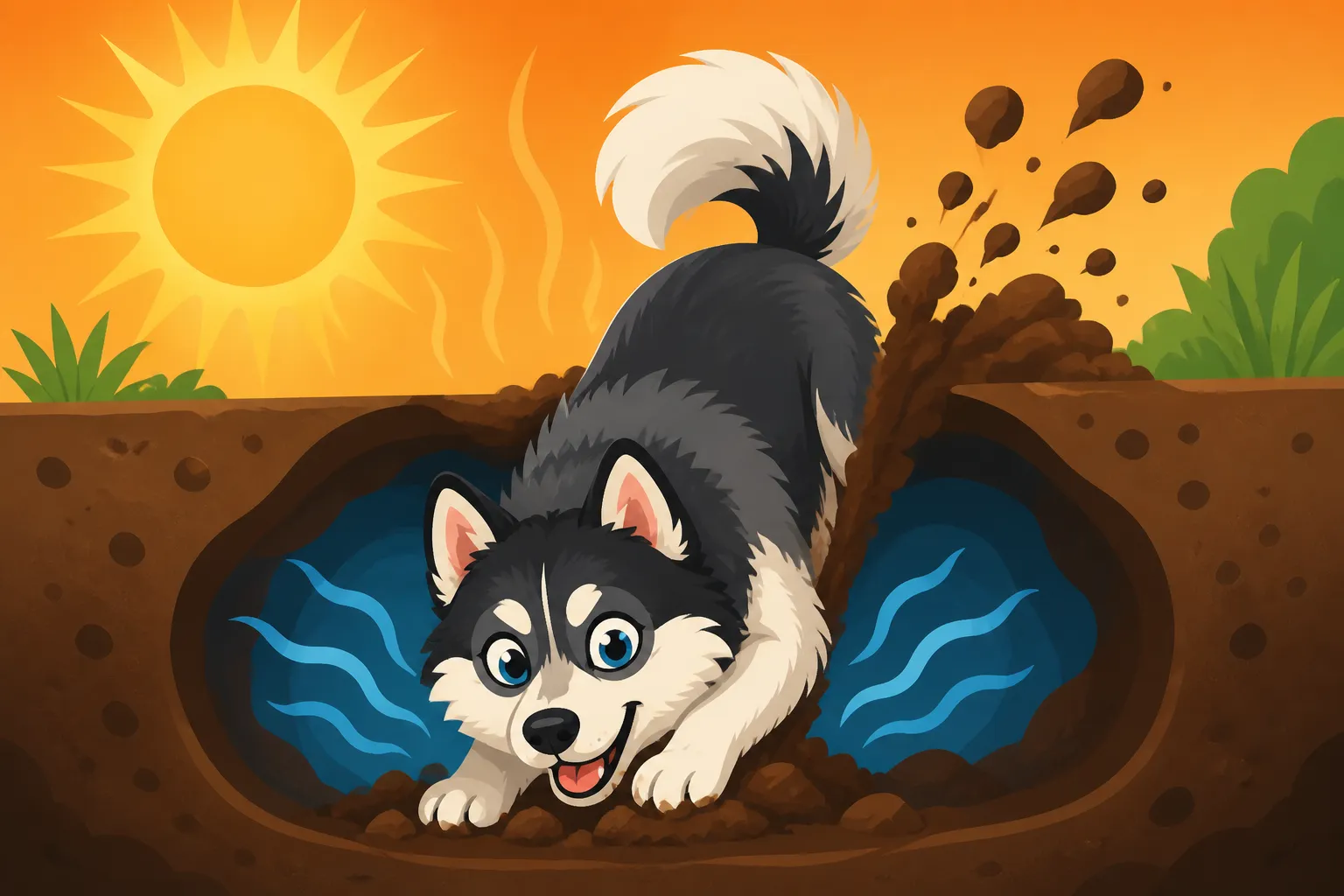
When you look at a Pomsky, you're essentially looking at a wonderful blend of two distinct breeds: the Siberian Husky and the Pomeranian. The Husky side brings with it a powerful legacy of survival in harsh, often freezing, environments. But paradoxically, Huskies also have a strong instinct to dig, not just in snow for shelter, but also in warmer climates to create cool dens. They'd dig down past the sun-warmed topsoil to reach the cooler, damp earth beneath, then curl up in their self-made "air-conditioned" dugout.
This isn't a learned trick; it's practically hardwired into their DNA. It's a survival mechanism that has served their ancestors well for millennia. So, when your Pomsky, carrying a fraction of that Husky heritage, starts excavating your petunias, they’re often just following an ancient impulse to self-regulate their body temperature. It's their way of seeking relief when they feel the heat, using the earth as a natural insulator and cooler.
The Pomeranian's Contribution to Ground Disturbance
While Pomeranians aren't typically known for digging giant craters to escape the heat, they certainly have their own reasons for getting their paws dirty. Poms, with their lively and curious personalities, might dig due to boredom, to chase an interesting scent, or even out of a strong prey drive if they detect something tunneling nearby. They might not be after a cool bed, but they can definitely contribute to the overall "ground disturbance" in your yard.
So, when these two ancestral traits combine in a Pomsky, you end up with a dog that has a strong predisposition to dig for a variety of reasons. If you're seeing those holes primarily on warmer days or in shady spots, it's a strong indicator that their Husky genes are kicking in, telling them to create a cool retreat. Acknowledging this instinct is the first step in finding solutions that work for both of you.
Heat Regulation: A Natural Air Conditioning System
The reason this digging behavior is so effective for them comes down to simple physics. The top layer of soil, exposed to the sun, can get incredibly warm. However, just a few inches beneath the surface, the earth maintains a much lower, more consistent temperature. This is especially true for damp soil, which holds coolness even better.
When your Pomsky digs, they're essentially burrowing down to this cooler sub-layer. Once they've created a shallow pit, they'll often lie down in it, allowing their belly and chest to come into direct contact with the cool earth. This provides a natural, passive cooling effect, similar to how humans might lie on a cool tiled floor. It's a primitive but effective form of air conditioning, directly addressing their discomfort from the heat.
Recognizing the Signs of Overheating and the Digging Response
Before your yard starts looking like a construction site, your Pomsky will usually give you some subtle clues that they're feeling the heat. Learning to recognize these can help you intervene and offer alternatives before the digging impulse becomes overwhelming. It's all about tuning into your dog's signals.
Subtle Cues Before the Shovel Comes Out
Your Pomsky isn't going to send you a text message saying, "Hey, it's getting hot out here!" Instead, they'll communicate their discomfort through body language and behavior. Before they resort to excavating, you might notice increased panting, even when they're not exercising. They might start seeking out shady spots more actively, flattening themselves against cool surfaces like concrete or tile indoors. Perhaps they'll become a bit more lethargic than usual, less interested in playing, or move more slowly.
Paying close attention to these early warnings is crucial. If you see them panting heavily, seeking shade, or looking generally uncomfortable, it's time to act. Don't wait until they're already in distress or have started digging. Proactive cooling measures can prevent both discomfort for your Pomsky and damage to your landscaping. Remember, their magnificent double coat, while beautiful, can make them quite susceptible to overheating, especially on humid days.
The Double Coat Dilemma: Insulation vs. Heat Trapping
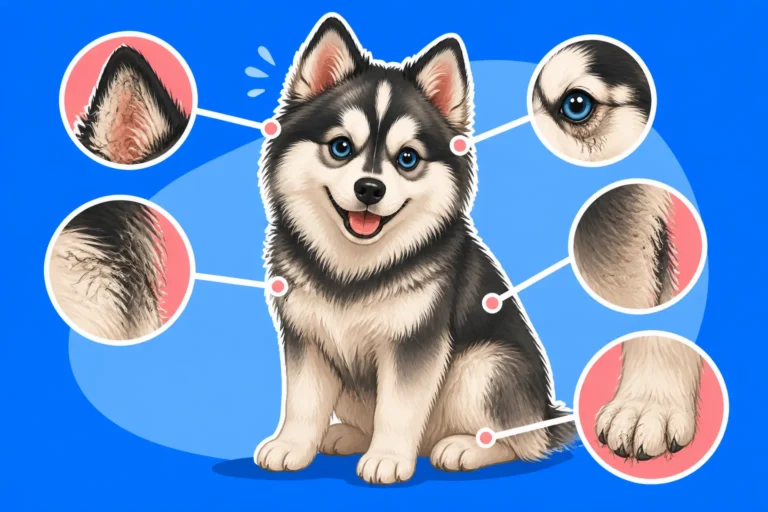
One of the defining features of a Pomsky is their gorgeous, dense double coat, a gift from both their Husky and Pomeranian parents. The Pomsky That Carries a Husky Coat at Twenty Pounds This coat is an evolutionary marvel, designed to provide excellent insulation against cold temperatures. It traps a layer of air close to the body, keeping them warm in chilly weather. However, in warmer climates, this same coat can become a challenge.
The problem arises when the outer guard hairs and the dense undercoat become matted or packed with dead hair. This prevents air circulation, essentially turning their coat into a heavy blanket that traps heat. This is why regular grooming is absolutely paramount, especially as seasons change. Many owners mistakenly believe that shaving their Pomsky will help them stay cool. Please, resist this urge! Why a Pomsky Must Never Be Shaved Shaving actually damages the coat's natural ability to insulate and regulate temperature, potentially making them more susceptible to both heatstroke and sunburn. It can also lead to issues like "post-clipping alopecia," where the coat doesn't grow back correctly or at all.
Behavioral Patterns: When and Where They Dig
When a Pomsky is digging to cool off, their behavior will often follow a predictable pattern. You'll usually see them start digging during the hottest parts of the day, typically late morning through late afternoon. They'll gravitate towards areas that offer some natural shade already, such as under large bushes, near the base of a fence line, or against the cooler concrete foundation of your house. These spots are often already a few degrees cooler than the open lawn, making them prime real estate for a cool nap spot.
The type of digging is also distinctive. They're usually not trying to tunnel under a fence to escape, though Pomskies can certainly be escape artists for other reasons. The Pomsky Escape Artist in a Twenty Pound Body Instead, they'll create more of a shallow "bowl" or "trench" that's just big enough for them to lie down in. If you notice these particular patterns, especially when temperatures are rising, you can be fairly certain your Pomsky is simply trying to beat the heat, not plot an escape or entertain themselves with yard destruction. Understanding this distinction can guide you to better solutions for their comfort and your landscaping.
| Digging Motivation | Common Scenarios | Appearance of Digging | Primary Solution Focus |
|---|---|---|---|
| Cooling Off | Hot weather, seeking shade, panting heavily. | Shallow, bowl-shaped pits, often in shady areas. | Environmental cooling, hydration |
| Boredom/Lack of Exercise | Left alone for long periods, destructive behavior. | Random holes, chewing at landscaping, often extensive. | Mental/physical stimulation |
| Prey Drive | Interest in burrowing animals (moles, voles). | Targeted holes, often near burrows or fences. | Leash walking, secure yard |
| Escape Attempt | Near fence lines, persistent digging at one spot. | Tunnels under fences, deep and strategic. | Secure fencing, supervision |
| Anxiety/Stress | Excessive digging combined with other stress signs. | Often frantic, widespread digging, destructive. | Address underlying anxiety |
Practical Strategies to Keep Your Pomsky Cool (and Your Yard Intact)
Now that we understand why your Pomsky might be digging for coolness, let's talk about how to keep them comfortable without sacrificing your beautiful lawn. It's all about providing appealing alternatives to digging.
Environmental Management: Creating a Cooler Haven
The first line of defense against heat-induced digging is to make sure your Pomsky has ample opportunities to cool down in their environment. Start with shade: if your yard lacks natural shade trees, consider setting up a large umbrella, a shade sail, or even a small pop-up canopy. These can create a designated cool zone.
A kiddie pool filled with just a few inches of water can be an absolute godsend for many Pomskies. They might initially just dip their paws, but many will eventually lie down in it, enjoying the cool water against their belly. Misters, especially those attached to a garden hose, can also create a refreshing, cool spray in a specific area. Indoors, ensure your home is air-conditioned or that fans are strategically placed. Cooling mats, readily available on platforms like Amazon, can also be a big hit. These mats often contain a gel that activates with pressure, providing a cool surface for your dog to lie on. Crucially, try to limit their outdoor time during the hottest parts of the day. When to Walk a Pomsky in Summer
Grooming and Hydration: Essential Heat-Beaters
Proper coat care is non-negotiable for a Pomsky, especially during warmer months. Regular brushing is key to removing loose undercoat, which can trap heat and prevent air circulation. Invest in a good undercoat rake and slicker brush, and make it a routine. The Undercoat Rake a Pomsky Owner Lives With You'll be amazed at how much fur comes off, and how much more comfortable your dog will feel. During seasonal coat blows, which happen typically twice a year, you'll need to step up your grooming game considerably. Whether a Pomsky Blows Its Coat Twice a Year A deshedding bath and a thorough blow-dry can work wonders in removing dead fur.
Hydration is equally vital. Always ensure your Pomsky has access to fresh, cool water, both indoors and out. Consider adding an extra water bowl outside or a pet fountain to encourage drinking. Frozen treats, like ice cubes, frozen fruits (ensure they're dog-safe), or even Kongs filled with frozen broth, can be a refreshing and hydrating snack. For walks, especially if the temperature is climbing, a cooling vest or bandana can also help keep their core temperature down. Remember, signs of overheating can escalate quickly, so prevention is key. Signs a Pomsky Is Overheating
Designated Digging Areas and Enrichment
Sometimes, the digging instinct is just too strong to completely suppress. In these cases, it can be helpful to give your Pomsky an approved outlet for this natural behavior. Consider creating a designated digging pit or a "sandbox" for your dog. Choose an area in your yard that's out of the way, line it with landscape fabric, and fill it with sand or loose soil. You can even bury toys or treats in it to encourage them to use this spot. When they start digging elsewhere, gently redirect them to their digging pit. Consistency is key here!
Beyond just giving them a place to dig, consider mental and physical enrichment. A bored Pomsky is often a destructive Pomsky. Engage them with puzzle toys, interactive feeders (brands like Chewy and Ollie offer a fantastic selection), or regular training sessions. These activities can burn mental energy and reduce the likelihood of them resorting to digging purely out of boredom. A tired Pomsky is usually a happy Pomsky, less likely to feel the need to excavate.
When to Worry: Digging as a Symptom of Distress
While digging to cool off is a natural instinct, it's important to distinguish it from digging that might signal other underlying issues. Sometimes, digging isn't just about finding a cool spot; it can be a symptom of boredom, anxiety, or even a serious escape attempt.
Beyond Simple Cooling: Boredom, Anxiety, or Escape
It's crucial to understand the context of your Pomsky's digging. If they're digging incessantly, at all times of the day regardless of temperature, or engaging in other destructive behaviors, it might be more than just seeking coolness. A Pomsky left alone for long periods without adequate stimulation can become bored and resort to digging (or chewing, barking, or pacing) to entertain themselves. This often manifests as more random, widespread digging rather than targeted cool spots.
Anxiety can also drive digging. Dogs with separation anxiety, for example, might dig at doors, windows, or fences in an attempt to get closer to their owners or escape a distressing situation. Whether a Pomsky Suffers Separation Anxiety This digging is usually accompanied by other signs of anxiety, like excessive whining, barking, or destructive chewing. And then there's the Husky-influenced desire to explore. Some Pomskies will dig under fences as a means of escape, driven by their independent and adventurous spirit. If you suspect escape attempts, you'll notice the digging is typically focused right along the fence line, aimed at creating a tunnel to freedom. These behaviors require different intervention strategies than simply providing a cool spot.
Health Concerns: Overheating Dangers
While digging for coolness is an attempt at self-preservation, it also indicates that your Pomsky is actively feeling uncomfortably hot. If they're regularly resorting to digging to regulate their temperature, it's a sign that your other cooling measures might not be sufficient, or that they are being exposed to too much heat. This can quickly escalate to more serious health concerns if not managed.
Be vigilant for the more severe signs of heatstroke, which is a medical emergency. These include extreme, non-stop panting, drooling, lethargy, wobbling or collapsing, vomiting, or diarrhea. The Pomeranian parent breed is also quite small, which can make them more susceptible to rapid changes in body temperature. If you see any of these signs, move your Pomsky to a cooler environment immediately, apply cool (not cold) water to their body, and contact your veterinarian without delay. Always prioritize prevention to keep your beloved Pomsky safe and healthy, especially when temperatures soar. The Temperature a Pomsky Starts Struggling At
Disclaimer
This article is for general informational purposes only and does not constitute professional advice. Laws, prices and regulations vary by location and change over time. Consult a qualified professional for guidance on your specific situation.