Whether a Pomsky’s Coat Sunbleaches
It’s a truly disheartening moment when you look at your beautiful Pomsky, whose coat you've admired for its vibrant color and luxurious texture, and notice that some of those deep hues are starting to look a little… washed out. That rich black might be showing reddish tones, or a warm brown has taken on a dull, faded appearance. Many Pomsky owners worry if their dog's coat can actually "sunbleach" like human hair, and what exactly causes it. This guide is here to shed some light on why your Pomsky's gorgeous coat might be changing in the sun, how to identify it, and what practical steps you can take to protect it and keep it looking its best.
The Science Behind Sunbleaching and Your Pomsky's Coat
Understanding how the sun impacts your Pomsky's fur isn't just about aesthetics; it's about understanding a fundamental aspect of their coat health. Just like our skin and hair, a dog's coat is susceptible to environmental factors, and UV radiation from the sun is a big one. It's not just a superficial change; there's real chemistry happening when those rays hit the hair shaft.
How UV Rays Affect Hair Pigment
At the heart of your Pomsky’s stunning coat color are pigments called melanin. There are two primary types of melanin in dog coats: eumelanin, which is responsible for black and brown colors, and phaeomelanin, which produces red and yellow tones. The specific combination and concentration of these pigments, determined by genetics, give your Pomsky its unique coloring, whether it's a deep black, a vibrant red, or a soft cream.
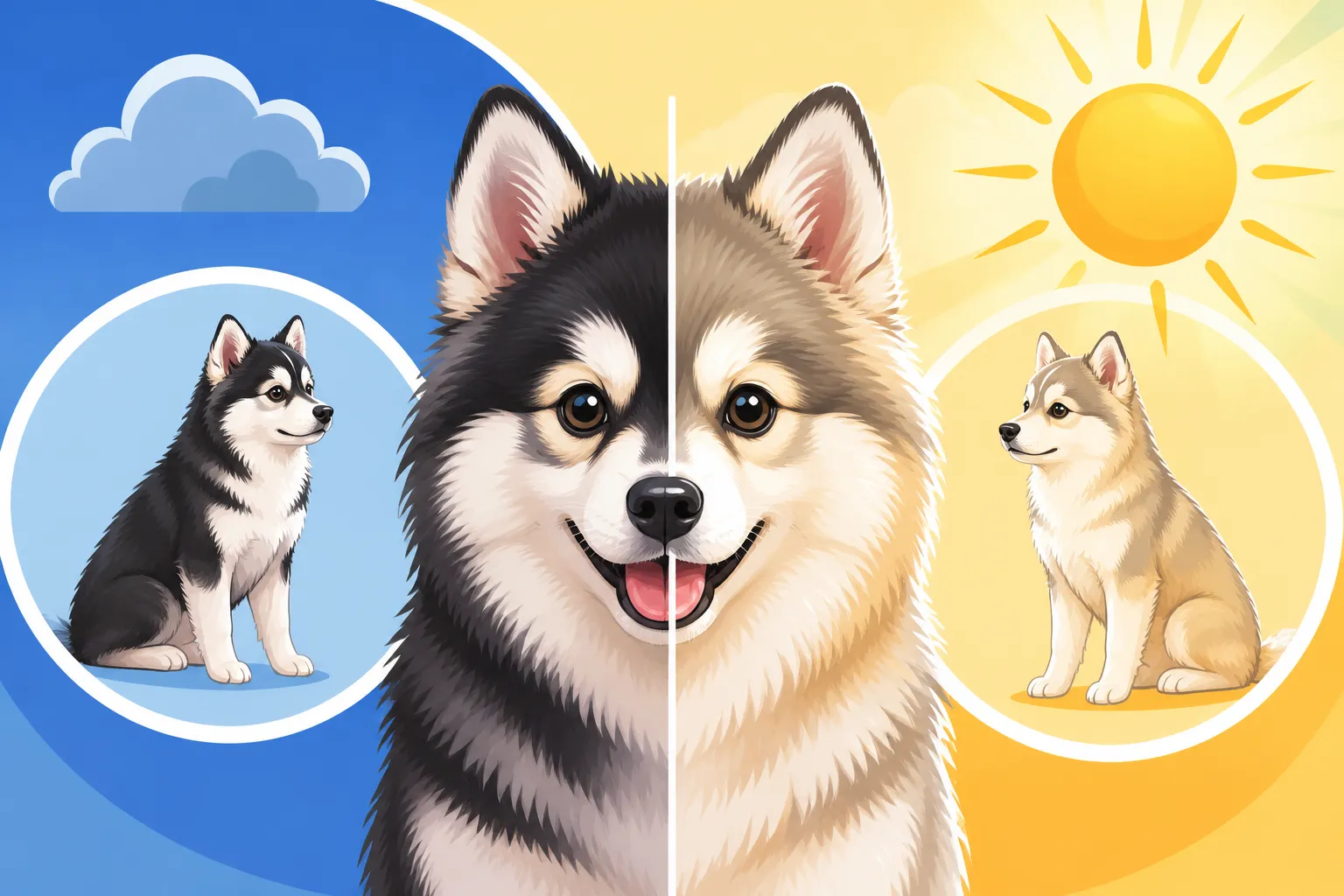
When your Pomsky spends time in the sun, ultraviolet (UV) radiation penetrates the hair shaft. These UV rays are powerful enough to break down the chemical bonds within the melanin molecules. Think of it like a tiny, relentless eraser on the pigment. Eumelanin, particularly the black pigment, is quite vulnerable to this breakdown. As it degrades, the black can lose its intensity and often reveal underlying reddish or coppery tones that were previously masked. This is why a jet-black Pomsky might start looking like they have rust-colored highlights after a sunny summer. Phaeomelanin can also degrade, leading to a duller, less vibrant red or yellow coat, sometimes appearing bleached or straw-like. It’s not just drying out the hair; it’s chemically altering the very color of it.
Why Certain Coat Colors Are More Susceptible
While all coat colors can be affected by sun exposure to some degree, some Pomskies will show the effects more dramatically than others. It's often the darker coats that reveal sunbleaching most noticeably. A rich, deep black or dark brown coat, which gets its color from eumelanin, is a prime candidate for showing those reddish or coppery highlights. These underlying red pigments can become much more apparent as the darker eumelanin breaks down, creating a distinct two-toned look that wasn't there before.
On the other hand, a Pomsky with a lighter coat, such as cream or light sable, might experience a different kind of fading. Instead of a color shift, their fur might simply appear duller, less vibrant, or even a bit yellowed over time. The breakdown of phaeomelanin in these lighter coats typically results in a less noticeable change in hue, but a clear loss of richness and shine. The unique double coat of a Pomsky, with its dense undercoat and protective guard hairs, does offer some natural protection. However, prolonged or intense sun exposure can still overwhelm this defense, especially on the topcoat where the sun hits most directly. Even the thickest double coat can't completely block the sun's powerful bleaching effect over time. The Pomsky That Carries a Husky Coat at Twenty Pounds is a good example of a coat type that needs diligent care.
The Role of Genetics in Coat Fading
It's tempting to think that sunbleaching is purely an environmental issue, but genetics can play a subtle, yet significant, role in how easily and severely your Pomsky's coat might fade in the sun. Just as some people tan easily and others burn, some dogs' coats are naturally more resilient to UV damage than others. The specific genetic makeup inherited from their Siberian Husky and Pomeranian parents can influence the type, amount, and stability of the melanin pigments in their hair follicles.
For instance, two Pomskies with seemingly identical black coats might react differently to the same amount of sun exposure. One might develop pronounced reddish streaks, while the other's coat remains relatively true to color, perhaps just losing some of its sheen. This variation can be attributed to subtle genetic differences in how their bodies produce and maintain eumelanin and phaeomelanin. Some lines may carry genes that result in pigments that are more susceptible to photodegradation, meaning they break down more easily when exposed to UV light. Conversely, other genetic factors might contribute to more stable pigments or a more robust hair structure that offers better intrinsic UV protection. While you can't change your Pomsky's genetic predisposition, understanding this factor can help set realistic expectations for coat maintenance and prompt you to be even more vigilant with preventative measures if you know your dog comes from a line prone to fading. It also underscores why comparing your Pomsky's coat changes to another's isn't always a fair comparison, as there's more at play than just sun exposure.
Recognizing and Preventing Sunbleaching in Your Pomsky
Once you understand why sunbleaching happens, the next logical step is to know how to spot it and, more importantly, how to minimize its impact. It's not just about keeping their coat looking pristine; prolonged sun exposure can also lead to other skin issues, especially for dogs with thinner coats or lighter pigmentation. Being observant and proactive are your best tools in this battle.
Identifying Sunbleached Areas
Recognizing sunbleaching on your Pomsky's coat often comes down to careful observation, especially after a season of more outdoor activity. The most common areas to look for these changes are those that get the most direct sun exposure: the back, especially along the spine, the shoulders, the top of the head, and sometimes the outer flanks.
If your Pomsky has a black or dark grey coat, you'll likely see a shift towards reddish, coppery, or rusty tones. This isn't just a trick of the light; the pigment has genuinely changed. For brown-coated Pomskies, the rich chocolate or liver color might become a paler, duller shade, sometimes with a yellowish cast. Lighter-colored Pomskies, such as creams or whites, might not show a dramatic color shift, but their coat can lose its luster, appearing dry, brittle, and generally less vibrant or even slightly yellowed. The texture might also feel coarser in these sun-exposed areas compared to the healthier, protected hair underneath or on the belly. Comparing photos from different times of the year can be a great way to confirm if the change you’re seeing is indeed sunbleaching or something else. Remember, your dog's coat will naturally experience some variation due to growth cycles and shedding, but a distinct color alteration or dullness in areas of high sun exposure is a strong indicator of sunbleaching.
Practical Prevention Strategies for Outdoor Time
The best offense is a good defense when it comes to sunbleaching. Preventing it from happening in the first place is far easier than trying to reverse it. While you don't want to keep your adventurous Pomsky cooped up indoors, smart management of their outdoor time can make a huge difference.
First and foremost, limit their exposure during peak UV hours, which are typically between 10 AM and 4 PM. If you live in a sunny climate, or if it's summer, shift your walks and outdoor play sessions to early mornings or late evenings when the sun's intensity is much lower. When they are outside, make sure there's always access to ample shade, whether from trees, an umbrella, or a covered patio. Encourage them to rest in these cooler, shaded spots, especially during longer outdoor excursions. Consider dog-specific sun protective clothing, like lightweight UV-blocking vests or shirts, which can be particularly helpful for dogs with lighter or thinner coats, or those prone to severe sunbleaching. For exposed areas like the nose, ear tips, or any sparse patches of fur, you can look into dog-safe sunscreens. Always consult your veterinarian before applying any product to your dog's skin, as many human sunscreens contain ingredients toxic to dogs if licked. Even with the best prevention, some subtle fading might still occur over time, but these strategies will significantly reduce the severity and maintain healthier skin and coat underneath. It's also worth noting that just as The Temperature a Pomsky Starts Struggling At is a concern, so is intense UV exposure, even if the temperature itself isn't extreme.
The Importance of Diet and Hydration
A healthy coat isn't just about what happens on the outside; it's profoundly influenced by what goes on inside your Pomsky's body. A well-balanced diet and adequate hydration are fundamental building blocks for resilient skin and vibrant fur, which can, in turn, help them better withstand environmental stressors like sun exposure. Think of it like a strong foundation for a house – the stronger the foundation, the better it stands up to the elements.
High-quality dog food, rich in essential fatty acids like Omega-3 and Omega-6, is crucial. These healthy fats are vital for maintaining skin elasticity, reducing inflammation, and promoting a shiny, strong coat. Look for foods that list ingredients like salmon oil, flaxseed, or high-quality animal fats. Some owners explore options like fresh food diets from companies such as Ollie, which can offer easily digestible nutrients, or browse comprehensive selections on Chewy to find premium kibble or supplements. Antioxidants, found in fruits and vegetables (often present in good quality dog foods), also play a role in protecting cells from damage, including those involved in hair production and pigment stability. Ensuring your Pomsky always has access to fresh, clean water is equally important. Dehydration can lead to dry, brittle hair that is more susceptible to damage from the sun and other environmental factors. A well-hydrated dog will have healthier skin, which supports healthier hair follicles, leading to a more robust coat that is inherently more resistant to fading and damage. Before adding any new supplements to their diet, such as fish oil or specific skin and coat blends found on platforms like Amazon, always chat with your veterinarian to ensure they are appropriate for your individual Pomsky's needs.
Maintaining Coat Health After Sun Exposure
Even with the best preventative measures, a Pomsky that loves its outdoor adventures might still show some signs of sun exposure. The good news is that the effects of sunbleaching are often cosmetic and can be managed, and new, unfaded hair will eventually grow in. The key is consistent and appropriate coat care to support healthy regrowth and protect existing hair.
Regular Grooming to Combat Dullness
Regular grooming isn't just about making your Pomsky look pretty; it's a vital part of maintaining their skin and coat health, especially when battling the effects of sun exposure. Dullness is one of the first signs of sun-damaged hair, and a consistent brushing routine can do wonders to restore some of that vibrancy.
For a double-coated breed like a Pomsky, thorough brushing helps to remove loose, dead hair from both the topcoat and the dense undercoat. This allows for better air circulation to the skin, preventing matting (which can exacerbate dryness and damage) and stimulating the production and distribution of natural oils. These oils are your Pomsky's built-in conditioner, providing a protective layer and adding shine back to the hair shaft. Focus on using the right tools, like an undercoat rake, which can effectively get through their thick fur without damaging the guard hairs. The Undercoat Rake a Pomsky Owner Lives With is truly an essential tool. Follow up with a slicker brush to smooth the topcoat and further distribute oils. By removing the damaged, dull hairs, you're not only improving the appearance of the coat but also making way for new, healthy, unfaded growth. A diligent brushing routine can prevent the overall coat from looking lackluster and can even reduce the appearance of sunbleaching by making the remaining healthy hairs appear more vibrant.
Bathing and Conditioning for Coat Vibrancy
When your Pomsky's coat is looking a bit worse for wear from sun exposure, a good bath and conditioning treatment can be incredibly beneficial. It's not just about getting them clean; it's about rehydrating the hair and supporting its natural health.
Start with a high-quality dog shampoo specifically formulated for double coats or for moisturizing. Avoid harsh, stripping shampoos that can remove essential natural oils, which the sun-damaged coat desperately needs. Gently massage the shampoo into the coat, ensuring you reach the skin, and then rinse thoroughly. Residue can irritate the skin and dull the coat further. The real magic for sun-stressed coats often comes with conditioning. A good dog-specific conditioner will help to replenish moisture, smooth the hair cuticles, and improve the overall texture and shine. Leave it on for the recommended time to allow it to penetrate the hair shaft. Shampoos That Suit a Pomsky's Double Coat are designed to work with their unique fur type. After rinsing, carefully towel dry, then use a high-velocity dryer on a cool setting if you have one, ensuring the undercoat is completely dry to prevent skin issues. This combination of cleansing and deep conditioning can visibly improve the appearance of a sun-bleached coat, making it feel softer, look shinier, and appear less faded, while also making it more manageable for future brushing.
Professional Grooming Benefits
While diligent at-home grooming is paramount, sometimes a professional touch is what your Pomsky's sun-stressed coat truly needs. Professional groomers have specialized tools, products, and expertise that can significantly help to restore and maintain coat health, especially after a season of intense sun exposure.
One of the biggest benefits a professional groomer offers is a thorough deshedding treatment. They use powerful high-velocity dryers and specific techniques to blow out loose undercoat, which can become trapped and contribute to a dull, heavy appearance, especially if your Pomsky is due to Whether a Pomsky Blows Its Coat Twice a Year. By removing this dead undercoat, healthy new growth is encouraged, and the overall coat can breathe better and appear much lighter and more vibrant. They also have access to professional-grade moisturizing shampoos and conditioners that can provide a deeper conditioning treatment than what's typically available for home use. Groomers are also skilled at spotting any underlying skin issues that might be exacerbated by sun exposure or poor coat health, like hot spots or dryness, and can advise you to consult your vet if necessary. While there's a What a Deshedding Treatment Costs on a Pomsky, the investment can be well worth it for the health and appearance of your dog's magnificent double coat, ensuring it looks its best and stays protected year-round.
Common Misconceptions and What Not to Do
When faced with changes in your Pomsky's coat, it's easy to jump to conclusions or consider drastic measures. However, some common misconceptions and well-intentioned but misguided actions can actually do more harm than good. It's crucial to understand what sunbleaching really means for your dog and to avoid practices that could compromise their coat's health and natural protection.
The Myth of "Permanent" Damage
It's natural to feel alarmed when you see your Pomsky's beautiful coat starting to fade or take on unexpected hues. Many owners worry that sunbleaching is a permanent, irreversible damage that will forever alter their dog's appearance. While it can certainly be frustrating to see, it’s important to understand that sunbleaching is, in most cases, a cosmetic change, and generally not "permanent" in the sense that the hair itself is destroyed.
Think of it this way: the melanin within the hair shaft has been degraded by UV rays, leading to the color change. However, your Pomsky's hair follicles are still producing new hair constantly. As new hair grows in, it will emerge with its original, genetically determined color, unfaded by the sun. So, while the existing sun-bleached hair won't regain its original color, it will eventually be shed and replaced by fresh, vibrant hair. The speed of this "reversal" depends on your Pomsky's individual shedding cycle and overall coat health. Regular brushing and healthy nutrition can help encourage new growth and shed out the old, faded hair. While repeated, intense sun exposure can weaken the hair shaft over time, making it more brittle, the damage is typically to the pigment, not to the hair's ability to regrow true to color. Whether a Pomsky's Coat Gets Thicker With Age also plays a role in how resilient the coat might be, with younger, healthier coats often bouncing back more readily.
Why Shaving Your Pomsky is a Bad Idea
When a Pomsky's coat looks dull, faded, or sun-damaged, a common thought might be to just shave it all off, thinking it will grow back healthier. This, however, is one of the most detrimental things you can do to a double-coated breed like a Pomsky, and it's a misconception that can lead to significant problems, especially concerning sun protection.
A Pomsky's double coat is a marvel of natural engineering. It consists of a soft, dense undercoat for insulation and a longer, coarser outer layer of guard hairs that protect against the elements – including the sun. This outer layer acts like a natural sunblock, preventing harmful UV rays from reaching the delicate skin beneath. When you shave a Pomsky, you remove this crucial protective layer. This leaves their skin directly exposed to the sun, making them highly susceptible to sunburn, heatstroke (as the coat also aids in regulating body temperature), and even an increased risk of skin cancer. Furthermore, shaving can permanently damage the hair follicles, leading to a condition called "post-clipping alopecia" or "coat blow" where the guard hairs may not grow back properly, or the coat grows back patchy, uneven, and with a different texture, often just the soft, mat-prone undercoat. This new growth, if it happens, will offer even less protection from the sun than the original coat. So, while shaving might seem like a quick fix for a faded coat, it's a dangerous practice that compromises your Pomsky's natural defenses and can lead to long-term coat and skin issues. This is why Why a Pomsky Must Never Be Shaved is a crucial piece of advice for all owners.
Don't Confuse Sunbleaching with Other Coat Issues
While sunbleaching is a common reason for a Pomsky's coat to look faded or discolored, it's really important not to jump to conclusions and assume every change is due to the sun. There are several other underlying health conditions that can manifest as coat discoloration, poor coat quality, or hair loss, and mistaking them for simple sunbleaching could delay necessary veterinary intervention.
For instance, certain nutritional deficiencies, especially those related to zinc or essential fatty acids, can cause a dull, dry, or even discolored coat. Hormonal imbalances, such as hypothyroidism, are notorious for leading to changes in coat quality, thinning hair, or even symmetrical hair loss that might initially be misinterpreted as general dullness. Skin infections, allergies, or parasites can also cause irritation that leads to poor coat condition and discoloration. A more specific concern for Pomsky owners might be Alopecia X and the Pomsky That Loses Its Coat, a genetic condition that causes non-itchy hair loss, often starting on the flanks and body, and can also make the remaining coat look abnormal or dull. If you notice any accompanying symptoms like excessive itching, redness, flaky skin, bald patches, changes in appetite or energy, or a coat that feels unusually greasy or dry, it's crucial to consult your veterinarian. They can perform diagnostic tests to rule out medical conditions and ensure your Pomsky receives appropriate treatment, rather than simply trying to "groom out" a symptom of a deeper health issue. A thorough vet check can bring peace of mind and get your Pomsky on the right path to health.
Disclaimer
This article is for general informational purposes only and does not constitute professional advice. Laws, prices and regulations vary by location and change over time. Consult a qualified professional for guidance on your specific situation.