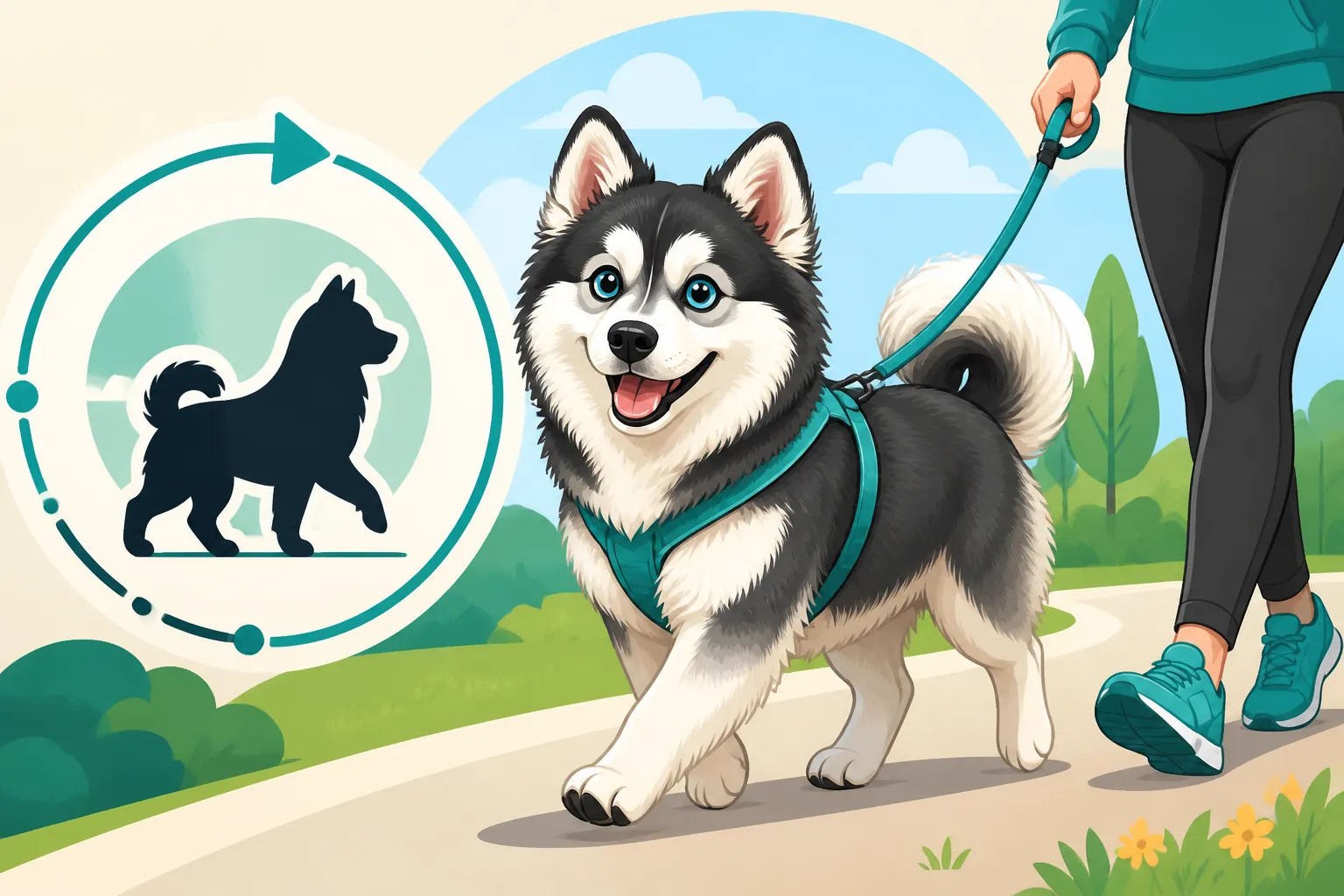
How Far a Pomsky Should Walk Daily
One of the biggest questions new Pomsky parents ask, or those considering bringing one into their lives, is "How much exercise do they really need?" It's a common struggle because Pomskies are such a unique blend – they look like smaller versions of a high-energy working breed, but their Pomeranian side can sometimes mean a different stamina level. This guide is here to help you navigate the often-confusing world of Pomsky exercise, specifically focusing on how far your furry friend should walk daily to thrive, physically and mentally.
Understanding Your Pomsky's Energy Levels and Needs
It's tempting to look at a Pomsky and immediately think "miniature Husky," and while they certainly carry some of that energetic spirit, it's not the whole picture. Your Pomsky is a unique individual, a delightful genetic mix that can lean either way, or strike a perfect balance. Understanding this foundational truth is key to figuring out their optimal daily walk distance.
The Husky vs. Pomeranian Influence
Let's be real, the Siberian Husky side brings a strong drive for activity. These dogs were bred to run for miles, pulling sleds through snow. They have incredible endurance and a need for a "job" to do, which often translates into physical exertion. If your Pomsky inherited a strong Husky temperament, you'll likely see bursts of high energy, a desire to explore, and a need for significant physical outlets. They might zoom around the yard, pull strongly on the leash, or seem to have an endless battery.
On the flip side, the Pomeranian brings a different dynamic. Poms are often lively and playful, but they're toy-sized companions. Their stamina is generally much lower than a Husky's. A Pomsky that leans more Pomeranian in energy might be satisfied with shorter, more frequent strolls, punctuated by indoor play sessions. They might tire faster, prefer lap-sitting to long treks, and show less inclination for sustained running. The challenge is that you often get a mix of both, and it's not always evident until they're older. You might have a Pomsky who loves a good sprint but then crashes hard, or one who trots along steadily for a surprisingly long distance.
Age and Health Considerations
Just like with people, a Pomsky's age and overall health play a huge role in how much walking they can and should do.
- Puppies: For tiny Pomsky puppies, sustained long walks aren't just unnecessary, they can be detrimental. Their bones and joints are still developing, and too much impact can lead to problems down the road. Think short, frequent bursts of play and exploration – 5 minutes per month of age, twice a day, is a general guideline for structured walks, along with plenty of supervised playtime in a secure area. A four-month-old puppy, for instance, might be good for two 20-minute walks a day. Focus on socialization and gentle exposure to different sights and sounds rather than distance.
- Adults: This is where the variability really shines. A healthy adult Pomsky, typically between 1 and 7 years old, can usually handle more significant walks. We'll dive into specific distances soon, but it's important to remember that 'adult' doesn't mean 'invincible.' Regular vet check-ups are vital to ensure they're in top condition.
- Seniors: As your Pomsky ages, usually past The Birthday a Pomsky Counts as Senior, their exercise needs will naturally shift. Arthritis, joint pain, or conditions like Slipping Kneecaps in a Pomsky can make long walks uncomfortable or even harmful. Listen to your older dog. Shorter, gentler walks, maybe multiple times a day, might be perfect. Swimming or hydrotherapy can be great low-impact alternatives if available. Conditions like The Collapsing Trachea a Pomsky Gets From the Pomeranian can also make vigorous exercise problematic, making shorter, measured walks essential.
Temperament and Personality
Beyond breed genetics and age, your individual Pomsky's personality will largely dictate their walking preferences.
- The Explorer: Some Pomskies are born adventurers. They love new smells, new sights, and thrive on exploring different routes. For these dogs, a longer walk isn't just physical exercise; it's a mental enrichment activity. They're sniffing every bush, observing every squirrel, and soaking in the world around them. These are the dogs who often seem to "need" to go farther to be truly satisfied.
- The Observer: Other Pomskies might be a bit more reserved or less driven by the thrill of the chase. They might enjoy a leisurely stroll around the neighborhood, taking in the familiar sights and sounds, but aren't necessarily looking to cover vast distances. For them, quality over quantity might be the motto, with more focus on interactive play in the yard or mental games at home.
- The Playful Sprinter: You might have a Pomsky who loves a good sprint at the dog park, chasing after balls or wrestling with other dogs, but then is ready to head home. Their energy is intense but short-lived. For these dogs, a walk might be more about getting to their play destination rather than the walk itself being the primary exercise.
Observing your dog's unique quirks and preferences is paramount. Do they light up at the sight of their leash and keep pulling for miles? Or do they start lagging behind after a block or two? These are your dog's ways of communicating their needs.
Factors Influencing Daily Walk Requirements
Determining the "right" distance isn't a one-size-fits-all equation. Several key factors come into play that will alter how far your Pomsky should ideally walk each day. It's about being flexible and responsive to their changing needs and environment.
Size and Weight
While Pomskies are known for being a smaller breed, their size can still vary quite a bit. What a Pomsky Actually Weighs can range significantly, from a compact 10-15 pounds to a more substantial 30-40 pounds. Naturally, a larger, heavier Pomsky may be able to cover more ground and sustain activity for longer periods than a very small, lighter one. Think about it like a person: a marathon runner covers more distance than someone who primarily walks for leisure. The same principle applies, but don't just assume bigger equals more activity. A larger Pomsky could still be less energetic than a smaller, more spry one.
Conversely, a smaller Pomsky might have little legs that have to work twice as hard to keep up. While they might be eager to go, their physical capacity will hit its limit sooner. It's also important to consider if your Pomsky is Keeping a Pomsky's Weight in Range. An overweight Pomsky, regardless of their inherent size, will struggle with long walks and could be putting undue strain on their joints, making shorter, more controlled exercise crucial.
Climate and Weather
This is a huge one, especially given the Husky heritage. Pomskies, particularly those with a dense double coat, are built for colder climates. This makes warm weather walking a serious consideration.
- Hot Weather: When temperatures climb, and especially if humidity is high, your Pomsky's ability to regulate their body temperature decreases significantly. Pavement can reach scorching temperatures that will burn their paw pads. Whether a Pomsky Overheats More Than a Husky is a valid concern, and the answer is yes, they can, especially if they have a thicker coat. In summer, restrict walks to early mornings or late evenings when the sun is down and the ground has cooled. Stick to shaded paths, grass, or natural trails. On really hot days, a short potty break might be all they can handle, supplemented with indoor play or mental enrichment. Always carry water for them!
- Cold Weather: In contrast, colder weather often brings out the Husky in them! Many Pomskies adore snow and can happily frolic for extended periods. However, extreme cold, icy conditions, or road salt can still pose risks. Keep an eye on their paw pads for ice build-up or irritation from salt. Consider dog booties if you live in an area with harsh winters. A warm coat might be beneficial for very short-coated or small Pomskies, but most with a typical double coat handle cold quite well.
Diet and Overall Health
What you feed your Pomsky directly impacts their energy levels and ability to exercise. A high-quality diet provides the sustained energy they need for daily walks and play.
- Nutritional Support: Look for reputable dog food brands that offer balanced nutrition. Brands like Chewy often carry a wide variety of premium kibbles and fresh food options. Services like Ollie deliver fresh, human-grade food right to your door, which some owners find gives their dogs better energy and coat health. A dog on a poor diet might be lethargic, have poor stamina, or even suffer from digestive issues that make exercise uncomfortable.
- Underlying Conditions: Even if your Pomsky looks healthy, underlying health issues can affect their willingness and ability to walk. Conditions like heart murmurs, respiratory problems (like a collapsing trachea), or even dental pain can make exercise arduous. Regular veterinary check-ups are vital to catch these problems early. If your Pomsky suddenly becomes reluctant to walk, or seems to tire much faster than usual, it's always a good idea to consult your vet.
In summary, the distance your Pomsky should walk daily is a moving target. It requires constant observation, adaptation, and a deep understanding of your dog's individual needs. There's no magic number, but rather a dynamic range.
Signs Your Pomsky Needs More (or Less) Walking
Your Pomsky might not be able to articulate their needs in human words, but they're constantly communicating through their behavior and physical state. Learning to read these signals is essential for ensuring they get the right amount of daily activity. Over-exercising can be just as detrimental as under-exercising, causing physical strain or mental burnout.
Behavioral Clues
These are often the most obvious indicators that your Pomsky isn't getting enough mental and physical stimulation.
- Destructive Chewing and Digging: If your furniture, shoes, or even carpets are becoming chew toys, or your backyard looks like a lunar landscape with craters everywhere (hello, A Pomsky That Digs!), it's a classic sign of boredom and pent-up energy. A well-exercised Pomsky is often too tired to get into such mischief. They need an outlet for that boundless energy, and if it's not provided constructively, they'll find their own, often destructive, ways.
- Excessive Barking or Howling: While Pomskies are known for being vocal, continuous, unprovoked barking or howling can be a cry for attention and a sign of boredom. They're trying to tell you they're under-stimulated and need something to do.
- Restlessness and Agitation: Does your Pomsky pace around the house, unable to settle? Are they constantly nudging you with a toy, or following you from room to room with an expectant look? This restlessness often indicates they have energy to burn and are feeling antsy.
- Zoomies: While occasional "zoomies" are normal and hilarious, if your Pomsky is constantly tearing around the house in frantic bursts of energy, it might be that their daily walks aren't quite hitting the mark, and they're trying to self-exercise indoors.
- Ignoring Commands/Hyperactivity: A Pomsky with too much energy can also be harder to train and focus. They might seem "stubborn" or easily distracted on walks because their mind is racing, and they haven't had a chance to calm down.
Physical Indicators
Sometimes the signs are less about behavior and more about their physical condition.
- Weight Gain: This is a big one. If your Pomsky starts to pack on the pounds, and their diet hasn't drastically changed, it's a clear indicator that their calorie intake is exceeding their energy expenditure. This means they need more movement! Regular exercise is crucial for Keeping a Pomsky's Weight in Range and preventing obesity, which can lead to a host of health problems.
- Lethargy (Too Much or Too Little): This is tricky because lethargy can mean two opposite things. If your Pomsky is consistently lethargic without enough exercise, they might just be unmotivated or depressed. However, if your Pomsky is constantly exhausted after what you consider a normal walk, it could mean you're over-exercising them, or there's an underlying health issue. Observe the quality of their energy. Do they bounce back after a nap, or do they seem perpetually tired?
- Reluctance to Walk: If your Pomsky, who usually loves walks, suddenly becomes hesitant or lags behind, don't just push them. This could be a sign of pain, discomfort, or general fatigue. It's crucial to rule out physical issues before assuming they're just being "stubborn." They might be experiencing joint pain, paw discomfort, or simply be over-tired from previous activities.
The 'Happy Medium': Knowing When You've Hit the Sweet Spot
So, how do you know when your Pomsky is getting just the right amount of exercise? It’s a bit of an art, but there are clear indicators:
- Calm Settling: After their daily activities, a well-exercised Pomsky will settle down calmly, perhaps chewing on a toy, napping peacefully, or just relaxing near you. They won't be restless or destructive.
- Good Appetite & Sleep: They'll maintain a healthy appetite and sleep soundly through the night, or during appropriate nap times during the day.
- Responsive to Training: They'll be more focused and engaged during training sessions because their excess energy has been spent.
- Enthusiasm for Walks: They'll still be excited for walks, but not frantic. They'll enjoy the activity without showing signs of fatigue or reluctance.
The goal is to find that sweet spot where your Pomsky is tired but not exhausted, stimulated but not over-stimulated. This often means a combination of structured walks and other activities tailored to their individual needs.
Crafting a Balanced Exercise Routine Beyond Just Walks
While daily walks are a cornerstone of a healthy Pomsky's life, relying solely on them for all their exercise and mental stimulation can sometimes fall short. A truly thriving Pomsky benefits from a varied routine that caters to their unique blend of Husky drive and Pomeranian intelligence. This goes beyond just putting one foot in front of the other!
Incorporating Other Activities
Think of a walk as just one piece of the exercise puzzle. Pomskies often need a combination of different physical outlets to truly be content.
- Fetch and Tug: These classic games are fantastic for burning off energy in a shorter amount of time. A vigorous game of fetch in a securely fenced yard or a good tug-of-war session can provide intense bursts of exercise that mimic the hunting and chasing instincts inherited from their Husky side. Always ensure the tug game is played constructively, teaching release commands.
- Playdates with Other Dogs: If your Pomsky is well-socialized and enjoys the company of other dogs, supervised playdates can be incredibly enriching. Running, wrestling, and interacting with canine friends provide both physical and social exercise. Just ensure the play is balanced and safe, especially with the wide range of dog sizes they might encounter.
- Dog Sports: Don't underestimate your Pomsky's potential! Many excel at activities like agility, flyball, or canicross (running with your dog harnessed to you). These activities tap into their natural athleticism, intelligence, and desire to work alongside their human. Even if you're not aiming for competition, taking a local dog agility class can be a fantastic way for your Pomsky to burn off energy and build confidence. You'd be surprised at Whether a Pomsky Can Do Agility.
- Hiking and Trail Walks: For the more adventurous Pomsky and owner, exploring hiking trails can be a wonderful experience. The varied terrain and new scents offer both physical challenge and immense mental stimulation. Always be mindful of their stamina, carry plenty of water, and keep them on a leash, especially if they have that strong Husky prey drive (and you should always keep them on a leash anyway, to be safe). Whether a Pomsky Can Hike All Day really depends on the individual and the conditions.
Remember, the goal is to provide The Exercise a Pomsky Needs Every Day in a way that is fun and engaging for them.
Mental Stimulation is Key
This is often the overlooked aspect of exercise, but for a smart breed like the Pomsky, it's absolutely crucial. A mentally tired dog is often just as content as a physically tired one.
- Puzzle Toys and Treat-Dispensing Toys: These are fantastic for engaging your Pomsky's brain. Fill them with kibble or healthy treats, and let your dog figure out how to get the reward. This keeps them occupied and thinking. Brands like Chewy and Amazon offer a wide array of options for different difficulty levels.
- Training Sessions: Even 10-15 minutes of dedicated training each day can be incredibly stimulating. Teaching new tricks, reinforcing basic commands, or practicing advanced obedience uses their brainpower and strengthens your bond. Pomskies are intelligent, and they thrive on learning.
- Scent Work and Nose Games: Harness that powerful Husky nose! Hide treats around the house or yard and encourage your Pomsky to find them. This is a low-impact activity that is incredibly satisfying and mentally taxing for dogs.
- "Work" Around the House: Give your Pomsky a "job" such as carrying a lightweight dog backpack on walks (once fully grown and accustomed) or helping you "find" items (like their leash). This sense of purpose can be very fulfilling for them.
Listening to Your Pomsky
Ultimately, the best guide for your Pomsky's daily exercise needs isn't a chart or a fixed distance, but your own dog. They will tell you what they need, if you only learn to listen.
- Observe Their Cues: Are they still bouncy and energetic after what you thought was a good walk? Maybe they need a bit more. Are they lagging behind, panting heavily, or seeking shade during the walk? Perhaps it was too much, or it's too hot.
- Adjust Seasonally: As discussed earlier, their needs will change with the weather. Be prepared to shorten walks dramatically in summer and potentially extend them in cooler months.
- Consider Their Entire Day: A walk isn't their only activity. Factor in any backyard play, indoor games, training, or dog park visits. All these contribute to their overall energy expenditure. What a Pomsky Needs Daily includes a blend of these activities.
- Consult Your Vet: If you're ever unsure about your Pomsky's energy levels, or if they show signs of pain or unusual fatigue, always consult your veterinarian. They can rule out any underlying health issues and offer personalized advice.
Here's a quick comparison of potential exercise needs based on Pomsky characteristics:
| Pomsky Type | Typical Walk Duration/Intensity | Complementary Activities | Key Considerations |
|---|---|---|---|
| High Energy / Husky-Leaning | 45-60+ minutes, brisk pace, 2x daily | Running, hiking, dog sports, extensive fetch | Needs mental work to avoid boredom; secure fencing crucial due to escape artist tendencies; Recall on a Pomsky Bred From a Dog That Runs is vital. |
| Moderate Energy / Balanced | 30-45 minutes, moderate pace, 2x daily | Backyard play, puzzle toys, regular training, shorter hikes | Good balance of physical and mental; adapts well to varied routines; monitor for weight gain if exercise drops. |
| Lower Energy / Pomeranian-Leaning | 20-30 minutes, leisurely pace, 2-3x daily | Indoor play, scent games, short training sessions, gentle fetch | Avoid over-exertion, especially in heat; prone to gaining weight if not managed; focus on mental enrichment. |
| Puppy (Under 6 months) | 5 min/month of age, 2-3x daily, gentle play | Supervised backyard play, socialization, puppy training games | Protect developing joints; focus on positive experiences and exposure, not distance. |
| Senior (8+ years) | 15-30 minutes, slow pace, 2-3x daily | Gentle strolls, swimming, mental games, comfortable beds | Monitor for arthritis/pain; adjust for health conditions; quality over quantity. |
By paying close attention to your Pomsky's individual signals, and offering a rich tapestry of physical and mental activities, you'll be able to create an exercise routine that keeps them happy, healthy, and thriving for their The Twelve to Fifteen Years a Pomsky Lives. And when you head out, make sure they are comfortable in their walking gear, as a harness is often a better choice than a collar, especially for those with sensitive windpipes or escape tendencies.
Disclaimer
This article is for general informational purposes only and does not constitute professional advice. Laws, prices and regulations vary by location and change over time. Consult a qualified professional for guidance on your specific situation.