Exercise for a Pomsky With Bad Knees
It can be heartbreaking to watch your lively, energetic Pomsky suddenly struggle with something as fundamental as walking or playing, especially when it comes down to pain in their knees. You want them to be able to zoom around the yard, chase a ball, and enjoy their walks, but a diagnosis of "bad knees" or patellar luxation can throw a huge wrench into those plans, leaving you wondering how on earth to keep them active without causing more harm. This guide is here to walk you through exactly how to safely manage exercise for a Pomsky dealing with knee issues, focusing on methods that support their comfort and long-term joint health.
Understanding Your Pomsky's Bad Knees: Patellar Luxation
When we talk about a Pomsky having "bad knees," we're almost always referring to a condition called patellar luxation. It’s a common orthopedic issue, particularly in smaller breeds like the Pomeranian, and unfortunately, it's something your adorable Pomsky can inherit from that side of the family tree. Understanding what it is and how it affects them is the first step toward figuring out a safe exercise plan.
What is Patellar Luxation in Pomskies?
Imagine the kneecap (patella) as a small bone that sits in a groove at the end of the thigh bone (femur). It's supposed to slide smoothly up and down this groove as your dog bends and straightens their leg. Patellar luxation happens when this kneecap slips out of that groove. It can slip either towards the inside of the leg (medial luxation, which is more common in small dogs) or towards the outside (lateral luxation). When it slips, it causes a momentary hitch in their gait, discomfort, and over time, it can lead to cartilage damage and arthritis.
This isn't just a minor inconvenience; repeated luxation can wear down the bone and cartilage, making the problem worse over time. Your Pomsky might be skipping, hopping, or even holding a leg up for a few steps after a sudden movement. It’s their body’s way of coping, but it’s a clear sign that something isn’t quite right and needs attention.
Recognizing the Signs and Severity
The signs of patellar luxation can vary greatly depending on the severity. In mild cases, you might just notice an occasional skip or hop, almost like your Pomsky briefly forgets how to use one leg before shaking it out and continuing on. This might happen only when they're playing hard or making a quick turn. Many owners miss these subtle signs at first, thinking their dog is just clumsy or playing uniquely.
As the condition progresses, or if it's more severe from the start, the luxation might become more frequent, last longer, or cause more obvious pain. Your Pomsky might become reluctant to jump, climb stairs, or even put full weight on the affected leg. You might even hear a soft click or pop as the kneecap slips. Veterinarians grade patellar luxation on a scale from I to IV, with Grade I being mild and Grade IV being severe and constant luxation. You can learn more about this by reading Patellar Luxation Grades in a Pomsky. Observing these signs is crucial, but a proper diagnosis always needs a vet.
The Importance of a Veterinary Diagnosis
Before you try to implement any new exercise regimen, getting a definitive diagnosis and a tailored plan from your veterinarian is absolutely non-negotiable. They will perform a physical examination, feeling the kneecap to see if it moves abnormally. They might manipulate the leg to assess the stability of the joint and grade the luxation. In some cases, X-rays might be recommended to evaluate the bone structure and check for any secondary arthritis that may have developed.
Your vet isn't just there to tell you what's wrong; they're your partner in managing your Pomsky's health. They can advise you on the best course of action, whether it's conservative management with exercise modification and medication, or if surgical intervention might eventually be necessary. Skipping this step means you're guessing, and when it comes to delicate joints like knees, guessing can inadvertently cause more damage or unnecessary pain.
Adapting Exercise Routines for Knee Health
Once you understand the nature of your Pomsky's knee issues, the real work begins: adapting their exercise. The goal isn't to stop them from being active altogether, because mental and physical stimulation is vital for a Pomsky. It's about modifying how they move to minimize strain on their knees while still keeping them happy and fit.
Low-Impact Activities for Pomskies with Bad Knees
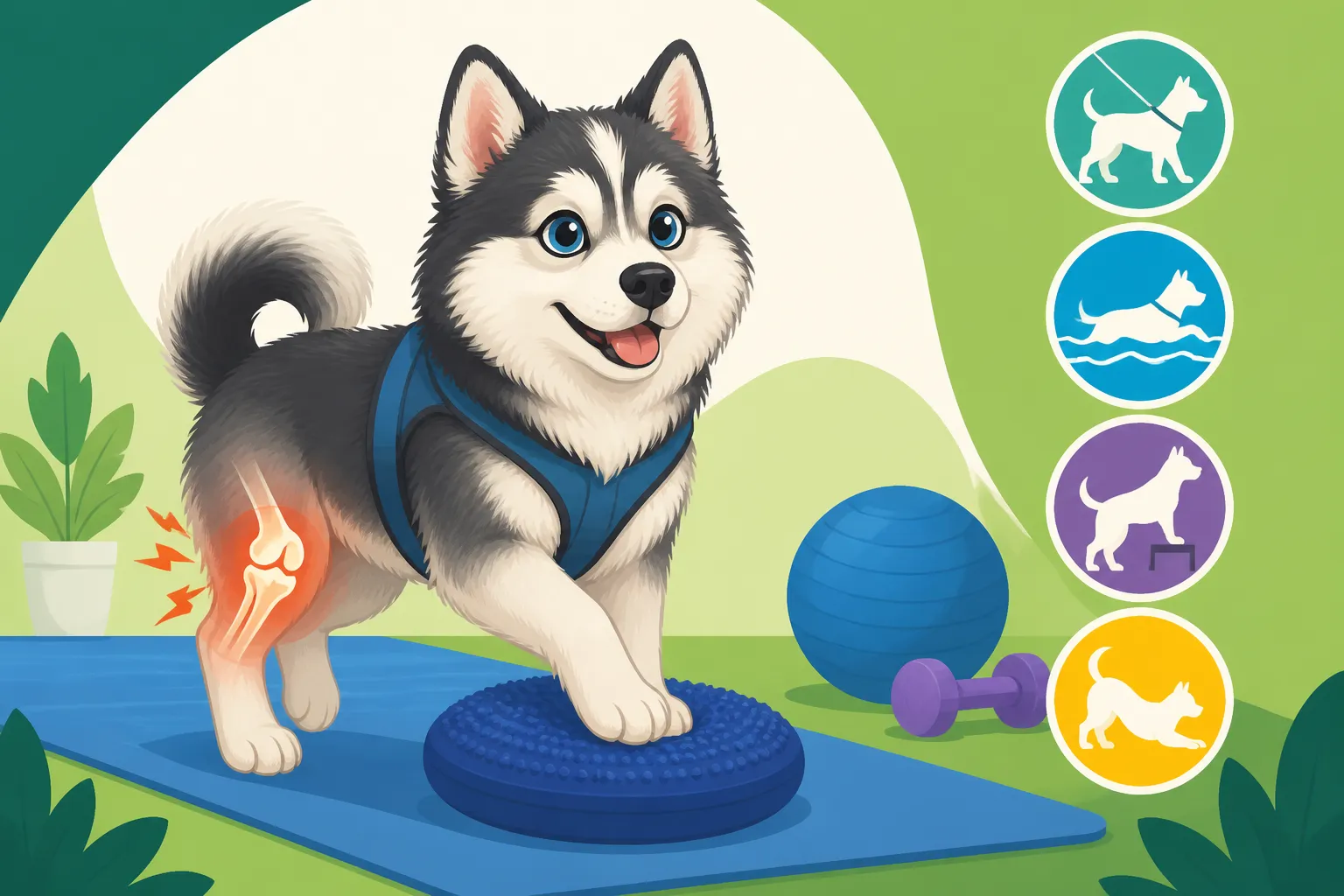
Think gentle, controlled movements that support muscle development around the knee without putting undue stress on the joint. Short, frequent walks on soft, even surfaces are fantastic. Instead of one long, strenuous walk, try several shorter ones throughout the day on grass or dirt paths, avoiding hard pavement which can be jarring. Always keep your Pomsky on a leash to prevent sudden sprints, twists, or jumps that could cause the kneecap to slip.
Swimming is often hailed as one of the best exercises for dogs with joint problems. The water supports their body weight, reducing impact, while still allowing them to strengthen their leg muscles. If you have access to a canine hydrotherapy center, that’s even better, as professionals can guide your Pomsky through specific exercises. If not, supervised swims in a shallow, calm body of water or even a kiddie pool can be a great option. Ensure they wear a doggy life vest for safety, especially if they are new to swimming. For indoor mental stimulation, puzzle toys from brands like Chewy or Amazon can provide a great workout for their brain without putting pressure on their joints.
Modifying High-Impact Play
This is where it gets tricky for many Pomsky owners, as these dogs often have boundless energy and love to run and jump. The key here is modification, not elimination. Activities that involve sudden stops, starts, jumps, or quick changes in direction are generally problematic. This means limiting intense games of fetch where they launch themselves after a ball, or wrestling with other dogs that might result in unexpected twists.
Instead of throwing a ball, roll it gently along the ground so they can trot after it. Engage in more controlled play sessions. If your Pomsky loves to jump up on furniture, consider providing ramps or steps. These small changes can prevent a lot of wear and tear on their knees. You might want to consider reading Whether a Pomsky Should Jump Off Furniture for more insights on this. Encourage games that involve sniffing and problem-solving, like hide-and-seek with treats, which are mentally stimulating without being physically taxing on their joints.
The Role of Controlled Movement and Short Sessions
Consistency in controlled movement is far more beneficial than sporadic bursts of intense activity. Aim for several short exercise sessions throughout the day rather than one long one. For example, three 15-minute leashed walks and a 10-minute supervised swim are much better than one hour-long off-leash run. This approach keeps their muscles engaged and prevents stiffness without overworking their compromised joints.
It’s also crucial to avoid activities that encourage excessive leg extension or flexion. For instance, avoid having them repeatedly jump over obstacles or stand on their hind legs for extended periods. Focus on exercises that promote a natural, fluid gait. This mindful approach to movement helps build the necessary muscle support around the knee, creating a more stable joint environment over time.
Supportive Measures and Long-Term Care
Managing bad knees in a Pomsky isn't just about changing their exercise routine; it's a holistic approach that involves diet, supplements, environmental adjustments, and consistent veterinary oversight. These supportive measures are critical for long-term comfort and mobility.
Weight Management and Diet
One of the most impactful things you can do for a Pomsky with bad knees is to maintain a healthy weight. Every extra pound puts additional stress on their joints, exacerbating pain and accelerating damage. Even a small reduction in weight can make a significant difference in their comfort and mobility. Talk to your vet about your Pomsky's ideal weight and how to achieve it.
This often involves a combination of portion control and a diet formulated for weight management and joint support. Many high-quality dog foods are available that focus on lean protein and include ingredients beneficial for joints, such as glucosamine and chondroitin. Brands like Ollie offer fresh food options that can be precisely portioned and formulated to support overall health, including weight management. Always measure your Pomsky’s food, and be mindful of treats – they add up quickly!
Joint Supplements and Medications
Beyond diet, specific joint supplements can play a supportive role. Glucosamine and chondroitin are widely recognized for their potential to support cartilage health and reduce inflammation. Omega-3 fatty acids, often derived from fish oil, also have anti-inflammatory properties that can help alleviate joint pain. Your vet might recommend a specific brand or formulation that they trust.
For Pomskies experiencing pain or significant inflammation, your vet might prescribe anti-inflammatory medications (NSAIDs) or other pain relief. These are crucial for managing acute flare-ups and ensuring your dog remains comfortable enough to engage in gentle exercise. Always administer medications exactly as prescribed and never give human pain relievers, as they can be toxic to dogs. You can find more information about whether Joint Supplements Help a Pomsky in a related article.
Environmental Modifications
Your home environment can significantly impact your Pomsky's knee health. Smooth, slippery floors like hardwood or tile can be challenging for dogs with unstable joints, as they can slip and injure themselves. Consider placing non-slip rugs or runners in high-traffic areas.
Providing ramps or steps to access furniture or beds that your Pomsky likes to use can prevent unnecessary jumping, which is very hard on compromised knees. Investing in an orthopedic dog bed, perhaps one you can find on Amazon or Chewy, provides cushioning and support for their joints during rest, which is just as important as controlled activity. For more on this, check out Beds That Suit an Arthritic Pomsky. Think about the little things that could cause strain and try to make your home as joint-friendly as possible.
Regular Vet Check-ups and Monitoring
Living with a Pomsky with bad knees means committing to ongoing monitoring and regular veterinary check-ups. Even if your Pomsky seems stable, routine visits allow your vet to assess their joint health, adjust medications or supplements as needed, and catch any potential worsening of the condition early. These visits are also an opportunity to discuss any new concerns you might have about their mobility or comfort.
Your vet might recommend specific annual screenings, which can provide a comprehensive picture of your Pomsky's overall health, including detailed orthopedic assessments. Maintaining an open dialogue with your veterinary team is key to providing the best possible care throughout your Pomsky's life. Don't underestimate the value of The Screening a Pomsky Should Have Yearly to keep on top of their health.
When to Seek Professional Help and Advanced Options
Even with the best at-home care and modifications, there might be times when your Pomsky's knee issues escalate. Knowing when to seek more advanced professional help is crucial for their well-being.
Recognizing Worsening Symptoms
It's vital to be vigilant for signs that your Pomsky's knee condition is deteriorating. This could include increased lameness, more frequent or severe skipping, vocalizations of pain, reluctance to move, difficulty rising, or a noticeable change in their usual demeanor (such as becoming withdrawn or irritable due to discomfort). If you notice any of these changes, it's time for another vet visit.
Sometimes, a seemingly stable knee can suddenly worsen due to an accidental twist or increased activity. Don't hesitate to contact your vet; they can assess the situation, adjust pain management, and discuss further diagnostics. Early intervention can prevent minor setbacks from becoming major problems.
Physical Therapy and Rehabilitation
For many Pomskies with patellar luxation, especially after surgery or for those managing the condition conservatively, physical therapy and rehabilitation can be incredibly beneficial. Certified canine rehabilitation therapists can develop a specialized program that includes exercises designed to strengthen specific muscles around the knee, improve range of motion, and reduce pain.
These therapies might include therapeutic exercises, hydrotherapy, laser therapy, and massage. A structured rehab program can significantly improve your Pomsky's quality of life, helping them regain strength and confidence in their movements. It's not just about bouncing back from an injury; it's about optimizing their long-term joint function.
Surgical Considerations
In cases where patellar luxation is severe (Grade III or IV), causes significant pain, or is significantly impacting your Pomsky's quality of life, surgery may be the most effective long-term solution. Surgical procedures aim to realign the kneecap and deepen the trochlear groove where it sits, preventing future luxation.
Your vet will discuss the risks and benefits of surgery, the expected recovery time, and what the post-operative care will entail. While surgery can seem daunting, for many dogs, it offers the best chance at a pain-free and active life. The costs involved can be a significant consideration for many owners, and you might find it helpful to read What Fixing a Pomsky's Kneecap Costs to understand more about this aspect. Ultimately, the decision for surgery should be made in close consultation with your veterinary team, weighing all factors unique to your Pomsky.
Exercise Guide for Pomskies with Bad Knees
Here's a quick overview of activities to help you keep your Pomsky active and comfortable.
| Activity Type | Recommended | Avoid or Highly Modify | Why |
|---|---|---|---|
| Walking | Short, frequent, leashed walks on soft surfaces (grass, dirt) | Long, strenuous walks; off-leash running; walks on hard pavement/uneven terrain | Reduces impact and sudden twists; hard surfaces jar joints, off-leash running allows uncontrolled movement. |
| Water Activities | Swimming, hydrotherapy | Jumping into/out of water | Water buoyancy supports body weight, strengthening muscles without impact; jumping creates high impact. |
| Playtime | Gentle rolling games; "find it" games (scent work); puzzle toys | Intense fetch; wrestling with other dogs; jumping games | Focuses on mental stimulation and controlled movement; high-impact play causes sudden stops, twists, and jumps that can luxate the patella. |
| Stairs/Jumping | Ramps or steps for furniture/car access | Jumping onto/off furniture, beds, into/out of cars; climbing stairs frequently | Reduces impact and strain on knees from height and repetitive motion. |
| Obedience/Training | Slow, controlled obedience exercises on soft surfaces | Agility training with jumps/weaves; fast turns | Focuses on mental engagement and controlled physical activity; agility involves high-impact movements and rapid changes in direction. |
Disclaimer
This article is for general informational purposes only and does not constitute professional advice. Laws, prices and regulations vary by location and change over time. Consult a qualified professional for guidance on your specific situation.