How Long a Pomsky Blowout Takes to Finish
If you've ever owned a Pomsky, you know the moment the "blowout" begins: that seemingly endless snowfall of fur that covers your floors, clothes, and somehow, even your morning coffee. It’s a challenging time for even the most devoted Pomsky parent, leaving many wondering just how long this fur-nado is supposed to last. This guide is dedicated to explaining the Pomsky blowout in detail, offering realistic timelines, and equipping you with the knowledge to navigate this intense shedding period with a little more grace and a lot less fur-stress.
Understanding the Pomsky Blowout Phenomenon
Before we dive into timelines, it’s helpful to understand exactly what a Pomsky blowout is and why it happens. It’s not just "a lot of shedding"; it’s a specific, physiological process unique to double-coated breeds.
What Exactly is a "Blowout" in a Pomsky?
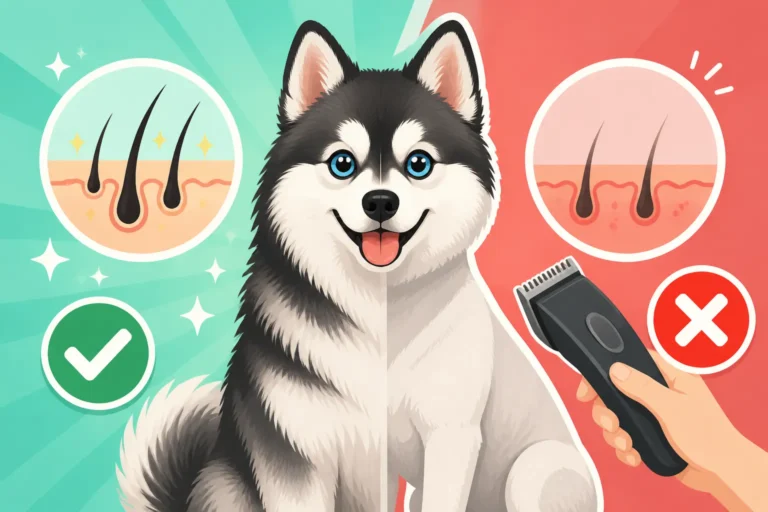
A Pomsky inherits its stunning double coat from both the Siberian Husky and the Pomeranian, and that's where the magic – and the mess – happens. This coat consists of two distinct layers: a soft, dense undercoat and a longer, coarser outer coat known as guard hairs. The undercoat acts as a natural insulator, keeping your Pomsky warm in winter and actually helping to cool them in summer by trapping air. The guard hairs protect the undercoat and the skin from elements like sun, rain, and debris.
A "blowout" is the process where your Pomsky sheds this entire dense undercoat in a relatively short period. It's not just a few stray hairs; it's a massive release of dead undercoat that needs to be removed to make way for a new, seasonally appropriate layer. Think of it like a tree shedding all its leaves to grow new ones, but instead of leaves, it’s soft, fluffy clouds of fur. This process is completely natural and essential for your Pomsky's comfort and health, allowing their skin to breathe and their body to regulate temperature effectively.
Why Pomskies Experience Seasonal Shedding
The primary driver behind these dramatic shedding events is the change in seasons, specifically fluctuations in daylight hours and temperature. As the days lengthen in spring and temperatures begin to rise, your Pomsky's body signals that it's time to ditch the heavy winter undercoat. This thick layer, perfect for cold weather, would be far too warm and uncomfortable in the heat of summer. So, out it comes, in copious amounts, to be replaced by a lighter, thinner undercoat more suitable for warmer weather.
Conversely, as autumn approaches and daylight hours shorten, your Pomsky will often experience another, though sometimes less intense, blowout. This time, they are shedding their lighter summer coat to grow in a new, denser winter undercoat designed to provide maximum insulation against the impending cold. While living indoors with climate control can somewhat temper the extreme seasonality, a Pomsky's natural instincts for thermoregulation are strong, and these shedding cycles will still occur. It's just a part of their genetic makeup, a legacy of their Arctic and cold-weather ancestors. Understanding Whether a Pomsky Blows Coat in Spring and Fall Both is key to preparing for the grooming onslaught.
The Timeline of a Pomsky Coat Blowout
So, you're mentally prepared for the fur; now for the big question: how long will it actually last? While there's no single, universally precise answer, we can break down the typical stages and provide some realistic expectations.
The Initial Stages: When it All Begins
A Pomsky blowout doesn't just hit you like a sudden fur storm. It usually starts more subtly. You might notice a few more stray hairs around the house, perhaps some small tufts clinging to furniture or your clothes. When you give your Pomsky a good scratch, more loose fur than usual comes away in your hand. This initial phase typically begins in late spring to early summer for the heavy winter coat shed, and again in late fall to early winter for the lighter summer coat to be replaced.
The exact timing can vary significantly based on your local climate, whether your Pomsky spends a lot of time indoors or outdoors, and even individual genetics. Some dogs might start as early as March, while others hold onto their winter fluff until May or June. The key here is early detection: once you notice these first whispers of shedding, you know the main event is just around the corner, and it's time to ramp up your grooming routine.
Peak Shedding: The Messy Middle
This is the phase that most Pomsky owners dread – the "fur-nado." During peak shedding, you'll be dealing with visible clumps of fur, often referred to as "fur tumbleweeds," rolling across your floors. Brushing your Pomsky will yield massive amounts of loose undercoat, sometimes enough to create a small, fluffy clone of your dog. This is when the undercoat detaches in earnest, and it can feel like your Pomsky is actively trying to redecorate your entire home with their hair.
This intense phase can last anywhere from two to four weeks, though for some dogs and in certain environmental conditions, it might stretch a bit longer. During this time, daily, thorough brushing is not just recommended, it's practically mandatory. It's the most effective way to remove the dead undercoat before it has a chance to mat, or worse, become firmly embedded in your carpet fibers. You’ll be amazed at How Much Undercoat Comes Off a Pomsky during this period – it truly feels never-ending, but trust me, it does eventually subside!
The Tapering Off: Nearing the End
Thankfully, the peak shedding period doesn't last forever. After those intense weeks, you'll notice a gradual decrease in the sheer volume of fur coming off your Pomsky. While you'll still find loose hairs and need to maintain a consistent grooming schedule, the dramatic clumps and endless brushing sessions will start to lessen. The new, season-appropriate coat will have largely grown in, pushing out the remnants of the old.
Overall, a full Pomsky blowout, from the subtle beginnings to the final tapering off, typically lasts between 4 to 8 weeks. Some individuals with particularly dense or wooly coats might take closer to the 8-week mark, while others with lighter coats might be done in about a month. It’s a process, not an event, and it requires patience and dedication. Just when you think you can't possibly brush another hair, you'll suddenly realize the fur accumulation is much less, and you've made it through another cycle.
Factors Influencing the Duration of a Blowout
While the average timeline gives us a good benchmark, several factors can influence how long a Pomsky's blowout actually lasts. Understanding these can help you better prepare and manage the process.
Coat Type: Wooly vs. Standard vs. Short
The type of coat your Pomsky inherited plays a significant role in both the intensity and duration of their shedding periods. There are generally The Three Pomsky Coat Types:
- Wooly Coat: This is often the most challenging during a blowout. Wooly-coated Pomskies have an exceptionally dense, fluffy, and sometimes longer undercoat. This coat type tends to shed in larger, more substantial clumps and is more prone to matting. Consequently, a blowout in a wooly-coated Pomsky often feels longer and more intense, potentially stretching to the longer end of the 4-8 week spectrum, and requiring daily, dedicated grooming.
- Standard Coat: This is the most common coat type, closely resembling the Siberian Husky's double coat. It's dense but usually has a good balance of guard hairs and undercoat. While shedding is still heavy during a blowout, the fur tends to release more easily with proper brushing, and the duration usually falls squarely within the 4-6 week range.
- Short Coat: Less common, a short-coated Pomsky (sometimes called a "Plush" or "Smooth" coat) still has a double coat but with shorter guard hairs and a less voluminous undercoat. While they certainly still blow their coat, the visual impact and the sheer volume of fur might seem less dramatic than with a wooly or standard coat. However, they still shed and need regular grooming; it just might feel like the blowout is a bit quicker, possibly leaning towards the 4-week mark.
Climate and Environment
Your geographical location and your Pomsky's living environment also heavily influence their shedding cycles. Dogs living in areas with distinct seasonal changes (e.g., cold winters and hot summers) tend to have more pronounced, concentrated blowouts. Their bodies are responding directly to significant shifts in temperature and daylight.
Conversely, Pomskies living in more temperate climates, or those primarily housed indoors with consistent heating and air conditioning, might have a somewhat desynchronized shedding pattern. Their blowouts might be less intense but more prolonged, or they might shed a moderate amount of fur more consistently throughout the year, with less defined "peak" periods. It's as if their body isn't getting the clear environmental signals to shed all at once, leading to a more drawn-out process.
Diet, Health, and Hormones
A Pomsky's overall health and nutrition are directly reflected in the quality of their coat and, by extension, their shedding patterns. A well-balanced diet rich in essential fatty acids (like Omega-3 and Omega-6, often found in fish oil) supports healthy skin and coat, potentially leading to a more efficient and slightly shorter blowout. Poor nutrition, on the other hand, can result in dull, brittle fur and prolonged, excessive shedding that isn't just undercoat. Brands like Ollie often emphasize fresh, balanced nutrition that can contribute to overall coat health.
Hormonal factors also play a role. Spaying or neutering can sometimes affect a dog's coat, potentially leading to a denser, softer undercoat that can be more prone to matting and prolonged shedding. This is sometimes referred to as "spay coat" or "neuter coat." Additionally, underlying health conditions like thyroid issues, allergies, or skin parasites can cause abnormal shedding patterns that might be mistaken for a blowout but are actually indicative of a larger problem. If your Pomsky's shedding seems excessive, patchy, or accompanied by skin irritation, it's always wise to consult your vet. Understanding The Two Opposite Disease Lists a Pomsky Inherits can help owners be proactive about their pet's health.
Grooming Practices: Helping or Hindering
Your approach to grooming during a blowout can significantly impact its duration.
- Consistent, Proper Brushing: This is your best friend. Daily, thorough brushing with the right tools (more on this later) helps to remove the dead undercoat quickly and efficiently. By actively pulling out the loose fur, you essentially help speed up the natural shedding process. A Pomsky owner lives by The Undercoat Rake a Pomsky Owner Lives With during these times.
- Infrequent or Incorrect Brushing: If you only brush superficially or not often enough during a blowout, the dead undercoat will remain trapped. This can lead to matting, which not only causes discomfort for your dog but also prevents air circulation to the skin, potentially leading to skin issues. Trapped fur will also prolong the shedding period, as it has nowhere to go.
- Professional Deshedding Treatments: A professional groomer can perform specialized deshedding baths and blowouts using high-velocity dryers that effectively push out vast amounts of loose undercoat. These sessions can dramatically reduce the amount of fur shed at home and shorten the overall duration of the blowout.
Ultimately, while the blowout is a natural process, your proactive grooming efforts can make it a much smoother and shorter experience for both you and your Pomsky.
Managing a Pomsky Blowout Effectively
Dealing with a Pomsky blowout doesn't have to feel like a losing battle against an avalanche of fur. With the right tools and strategies, you can manage the shedding more effectively and keep your home from being completely overrun.
Essential Grooming Tools
Having the correct grooming tools on hand is half the battle when a Pomsky blowout hits. Investing in quality tools will save you time, effort, and frustration. Here are the must-haves:
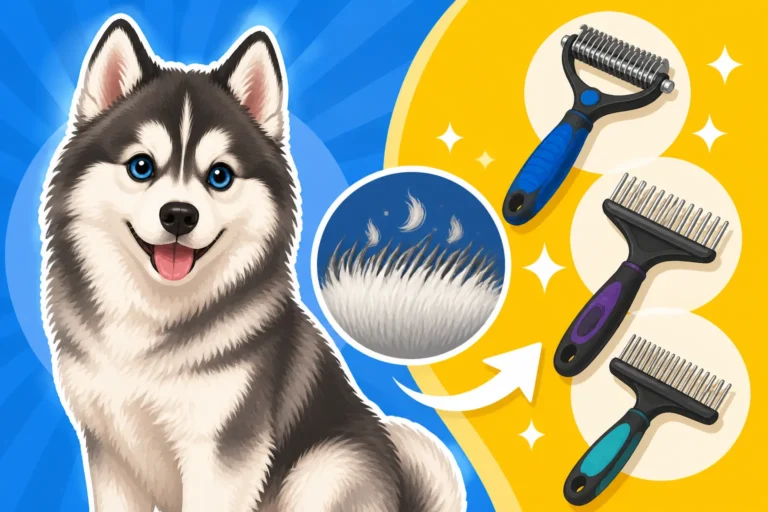
- Undercoat Rake: This is arguably the most crucial tool. An undercoat rake has long, sturdy teeth designed to penetrate your Pomsky's dense topcoat and pull out the loose, dead undercoat without damaging the guard hairs. Look for one with rotating teeth, which can be gentler on the skin. You can find excellent options on Chewy or Amazon.
- Slicker Brush: While not as effective for deep undercoat removal as a rake, a slicker brush is great for removing loose hair from the topcoat, detangling smaller mats, and smoothing the coat after raking. It’s also excellent for puppies getting used to being brushed.
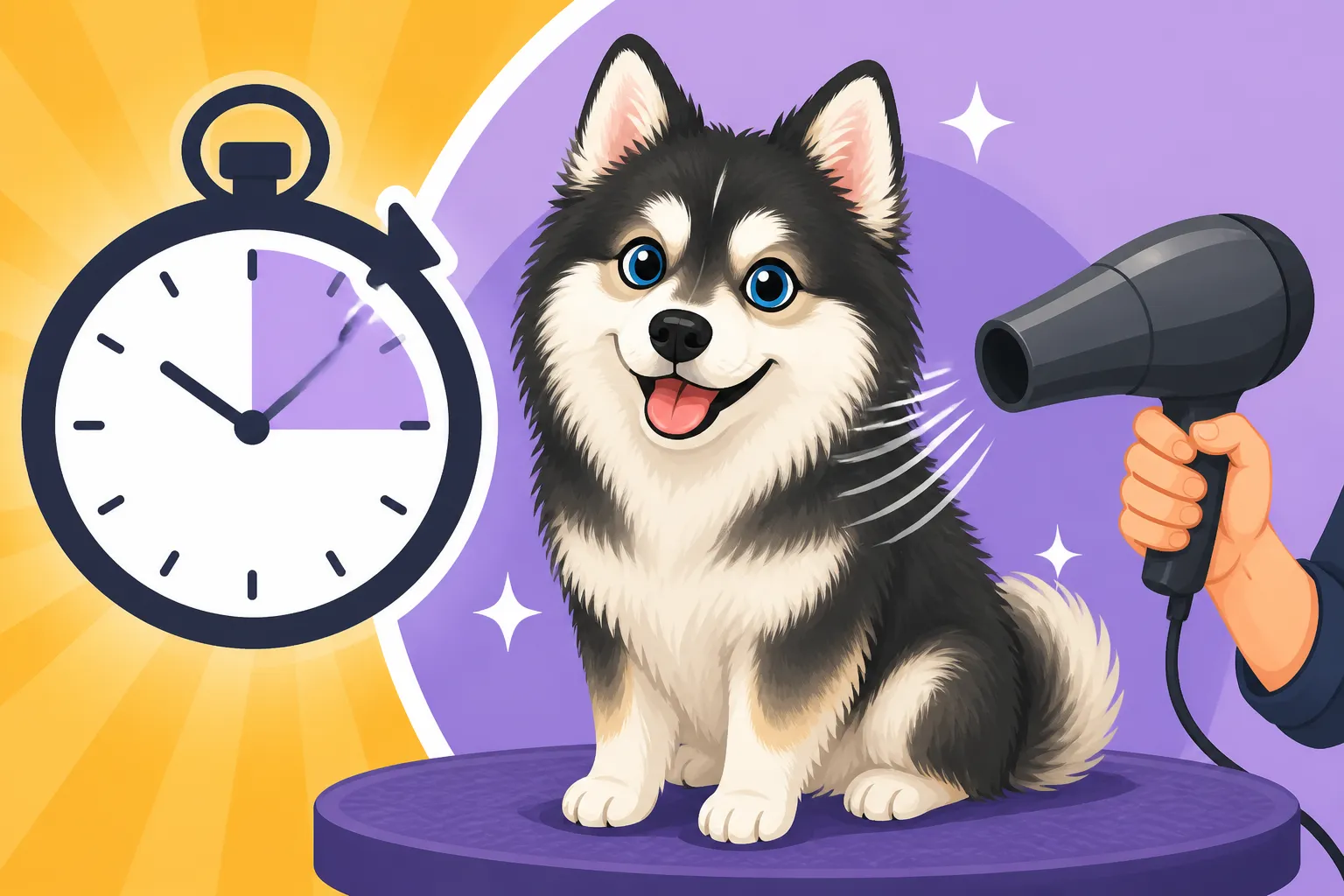
- Force Dryer (High-Velocity Dryer): This is a game-changer. A force dryer (like those used by professional groomers) literally blasts air through your Pomsky's coat, physically pushing out incredible amounts of loose undercoat. Using it after a bath or even on a dry coat can significantly reduce shedding and speed up the blowout process. Many Pomsky owners find it to be an essential item once they realize Whether a Force Dryer Is Essential for a Pomsky.
- Wide-toothed Comb: Essential for checking for mats, especially behind the ears, in the "armpits," and on the tail. It helps ensure you haven't missed any tangles that could turn into serious mats during the shedding period.
- Pet-Specific Vacuum Cleaner: A good vacuum designed for pet hair is invaluable. Look for models with strong suction and specialized attachments to tackle fur on carpets, upholstery, and hard floors. Brands like Dyson or Bissell offer excellent pet hair vacuums that can make a huge difference in maintaining cleanliness during a blowout.
Here's a quick overview of essential tools:
| Tool Type | Purpose | Best Use During Blowout | Recommended Frequency (Blowout) |
|---|---|---|---|
| Undercoat Rake | Reaches deep to pull out loose undercoat. | Daily, in short sessions. | Daily |
| Slicker Brush | Detangles topcoat, removes some loose undercoat. | After raking, to smooth and collect hair. | Daily |
| Force Dryer | Blasts loose undercoat out of the coat. | After bathing, or dry to remove hair. | Weekly-Bi-weekly |
| Deshedding Shampoo | Loosens dead hair during baths. | As part of a deshedding bath. | Every 2-4 weeks |
| Vacuum Cleaner | Removes shed hair from floors and furniture. | Daily, or multiple times a day. | Daily |
| Lint Roller | Quick cleanup for clothing and upholstery. | As needed, constantly. | Multiple times a day |
Bathing Strategies During a Blowout
Bathing can be a powerful tool during a blowout, but it needs to be done strategically.
- Deshedding Shampoos and Conditioners: There are many excellent deshedding shampoos and conditioners available (again, check out Chewy or Amazon). These products are formulated to help loosen dead undercoat and facilitate its removal during the bathing and drying process. Lather up well, let it sit for a few minutes, and rinse thoroughly.
- Thorough Drying is KEY: This is where the force dryer shines. After a deshedding bath, thoroughly drying your Pomsky with a high-velocity dryer is crucial. The powerful airflow physically pushes out an incredible amount of loose undercoat. If you don't have a force dryer, you can still help remove some fur with towel drying and brushing, but it won't be as effective. Never let a double-coated dog air dry completely, as trapped moisture in the undercoat can lead to skin issues like hot spots. Many owners find that Whether Bathing Speeds Up a Pomsky's Blowout is entirely dependent on the drying process.
- Don't Over-Bathe: While strategic baths are helpful, don't overdo it. Bathing too frequently can strip your Pomsky's natural oils, leading to dry skin and a less healthy coat. Aim for a deshedding bath every 2-4 weeks during peak blowout, combined with daily brushing.
Maintaining Your Home
Beyond grooming your Pomsky, you'll also need a solid strategy for managing the fur that inevitably makes its way into your living space.
- Regular, Frequent Vacuuming: This is non-negotiable. During a blowout, you'll likely need to vacuum daily, or even twice a day, especially in high-traffic areas or where your Pomsky spends most of their time. Whether a Robot Vacuum Keeps Up With a Pomsky is a common question, and while they can help with daily maintenance, they often can't handle the sheer volume of a full blowout on their own. You'll likely need a powerful upright or canister vacuum for a deep clean.
- Lint Rollers and Rubber Gloves: Keep lint rollers handy for your clothes, furniture, and car seats. A surprisingly effective trick for removing pet hair from upholstery and carpets is to wear a damp rubber glove and simply wipe your hand over the surface. The static electricity and friction will lift the hair right off.
- Designated "Shed Zones": If possible, consider limiting your Pomsky's access to certain furniture or rooms during peak shedding. Using washable throws or blankets on their favorite lounging spots can also help contain the fur and make cleanup easier.
- Patience and Acceptance: Ultimately, a Pomsky blowout is a natural, albeit messy, part of life with this breed. While you can manage and reduce the impact, you'll never completely eliminate it. Embrace the fluff, understand it's a temporary phase, and know that your diligent efforts are keeping your Pomsky comfortable and healthy. It's a small price to pay for such a loving and beautiful companion!
Disclaimer
This article is for general informational purposes only and does not constitute professional advice. Laws, prices and regulations vary by location and change over time. Consult a qualified professional for guidance on your specific situation.