When a Pomsky Blows Its Coat
If you've ever owned a double-coated dog, you know the shedding struggle is real. But if you're a new Pomsky parent, you might be in for a surprise when your adorable floof suddenly starts leaving miniature tumbleweeds of fur in every corner of your home. It's not just shedding; it's a "coat blowout," and it's a completely normal, albeit intense, part of living with these beautiful dogs. This guide will walk you through what to expect, when to expect it, and how to survive the seasonal fur storms.
Understanding the Pomsky's Double Coat
Before we dive into the nitty-gritty of shedding, it's crucial to understand why Pomskies shed the way they do. They inherit their glorious, thick coats from both sides of their lineage: the robust Siberian Husky and the fluffy Pomeranian. Both are breeds renowned for their incredible double coats, designed to protect them from harsh weather conditions.
The Husky and Pomeranian Influence
Think of a Pomsky's coat as a masterful blend of two fantastic working breeds. From the Siberian Husky, they get a dense undercoat that acts like natural insulation, keeping them warm in winter and surprisingly cool in summer by trapping air. The outer coat, or guard hairs, are coarser and water-resistant, protecting the undercoat and skin. The Pomeranian contributes a similarly dense, plush undercoat, though often with a more "stand-off" appearance due to its texture, and longer, finer guard hairs. This combination means your Pomsky is essentially equipped with a miniature version of a highly efficient, weather-proof fur suit. It's a truly stunning feature, but it comes with maintenance. It's this deep genetic heritage that gives us The Pomsky That Carries a Husky Coat at Twenty Pounds, often surprising owners with the sheer volume of fur on such a comparatively small dog.
The Purpose of the Double Coat
The double coat isn't just for looks; it's a vital part of your Pomsky's natural thermoregulation system. The dense undercoat provides insulation, trapping air close to the body to keep them warm when it's cold. In warmer weather, this same undercoat acts as a barrier against heat and harmful UV rays, preventing sunburn and helping to regulate body temperature by allowing air to circulate. It's like a natural, living air conditioner. This is also why you'll often hear us emphasizing Why a Pomsky Must Never Be Shaved, as shaving can disrupt this delicate system and leave their skin exposed and vulnerable, and potentially damage the regrowth of the coat.
The Seasonal Shed: When to Expect the Fur Storm
Okay, let's talk timing. The big question every Pomsky owner asks is, "When does this happen?" For most Pomskies, coat blowouts are a seasonal affair, primarily occurring twice a year. However, individual dogs and environmental factors can definitely influence the exact schedule.
Springtime Melt: Preparing for the First Wave
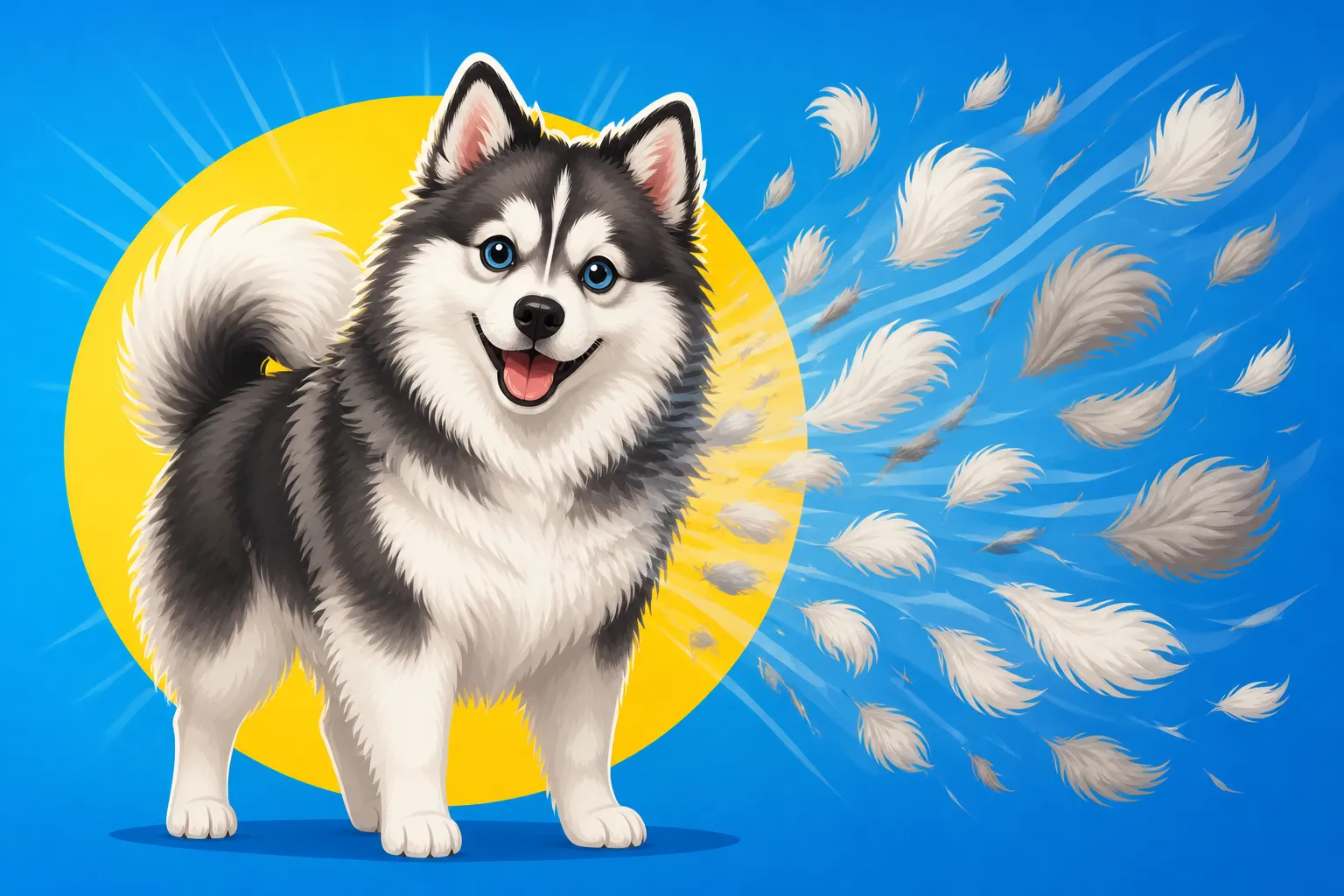
The most dramatic shedding period for a Pomsky typically occurs in the spring. As the days lengthen and temperatures begin to rise, your Pomsky's body instinctively knows it's time to lighten its load. They need to shed that heavy winter undercoat to prepare for the warmer months ahead. This spring blowout can feel like a never-ending snowstorm indoors, even if you live in a perpetually mild climate. It's not just a little extra hair; it's an intense, rapid shedding of significant amounts of fluff, sometimes coming out in large clumps or "sheets" as the old undercoat detaches from the skin.
This is the time when you'll find fur everywhere – on your clothes, furniture, floating in the air, and even in your morning coffee if you're not careful. It's a completely natural process, but it can be startling for first-time Pomsky owners. Expect this phase to begin sometime in late winter or early spring, and it can last for several weeks, sometimes even a month or more, depending on your individual dog and local climate.
Autumnal Thickening: The Second, Often Less Obvious Shed
While spring is the main event, most Pomskies will also experience a second, though often less intense, coat blowout in the fall. As the weather cools and winter approaches, they'll shed any remaining lighter summer undercoat and make way for a new, thicker, warmer winter coat. This autumnal shedding might not be as visually dramatic as the spring "explosion," but you'll still notice a significant increase in fur around the house. It's a crucial preparation for the colder temperatures ahead, ensuring they have adequate insulation.
The fall shed is generally about making room for new, denser fur, whereas the spring shed is about getting rid of the old, heavy fur. This dual cycle is why we often refer to Whether a Pomsky Blows Its Coat Twice a Year as a pretty reliable indicator of what to expect, though some dogs in consistent indoor environments might shed a bit more year-round.
Factors Influencing Shedding Cycles
While spring and fall are the typical blowout seasons, several factors can influence how and when your Pomsky sheds.
Firstly, climate plays a huge role. A Pomsky living in a perpetually warm climate with consistent indoor temperatures might shed more consistently year-round, rather than having two distinct, dramatic blowouts. Their bodies don't get as strong a signal for seasonal changes. Conversely, a Pomsky living somewhere with distinct seasons will likely follow the classic spring and fall pattern more rigorously.
Secondly, hormonal changes are a big deal. Intact females will often have a massive blowout after their heat cycle, known as "post-heat shedding," due to the significant hormonal shifts. Pregnancy and lactation also trigger substantial coat loss. Neutering or spaying can sometimes alter shedding patterns, leading to a denser coat or a change in the timing of blowouts, though it doesn't eliminate shedding entirely.
Finally, individual genetics and coat type matter. Some Pomskies have a more "wooly" coat from their Pomeranian side, which can be particularly prone to matting during a blowout if not meticulously groomed. Others might lean more towards the Husky side with a slightly coarser guard hair. You can learn more about the different textures in The Three Pomsky Coat Types. Even diet and overall health can play a part; a healthy dog with a balanced diet often has a healthier coat, which might shed more efficiently.
Recognizing the Signs of a Full Coat Blowout
You don't just wake up one morning and suddenly find your Pomsky bald, though it might feel that way! There are distinct signs that indicate a full coat blowout is underway, allowing you to prepare yourself and your home for the impending fur-nado.
The Visible Changes: Tufts and Drifts
The most obvious sign is the sheer volume of loose hair. You'll start to see tufts of undercoat detaching from your dog's body, often hanging in clumps. If you gently pull on the coat, especially along the flanks, hindquarters, and neck, you'll find large amounts of soft, downy undercoat coming out easily. It won't be just single hairs; it will be handfuls of fluffy material. You'll also notice "fur drifts" accumulating in corners, under furniture, and clinging to textiles like carpets and upholstery. Your Pomsky will likely look a bit scruffy, almost like they're wearing a coat that's too big and is slowly falling off.
This isn't just regular daily shedding; it's an accelerated, intense process. The undercoat often detaches in sheets, especially if you're brushing regularly. It's quite astonishing How Much Undercoat Comes Off a Pomsky during these periods, easily filling up trash bags with what seems like an entire second dog.
Behavior Changes: Increased Itching and Grooming
During a blowout, many Pomskies will start to itch more than usual as the dead hair irritates their skin. You might observe them scratching, rolling on the carpet, or rubbing against furniture more frequently. They may also engage in more self-grooming, trying to pull out the loose hair themselves. While some licking and chewing are normal, excessive behavior could indicate discomfort or matting, so it's important to monitor them. Increased self-grooming often means they're ingesting more fur, which can sometimes lead to hairballs or digestive upset if it's very severe.
This is a clear signal that your dog needs your help with grooming. They are trying to remove the dead hair, but they can't effectively get through their dense double coat on their own. Stepping up your brushing routine isn't just for your floors; it's for your Pomsky's comfort too.
Distinguishing a Blowout from Other Coat Issues
It's important to be able to tell the difference between a normal coat blowout and other, potentially concerning, coat or skin problems. A healthy blowout involves the shedding of undercoat primarily, and while it's a lot of hair, the skin underneath should look healthy – no redness, flakiness, sores, or bald patches where no hair is growing back. The guard hairs should remain intact, though you'll find some of these shedding as well.
If you notice excessive scratching that leads to skin irritation, hot spots, or bald patches where no hair is present at all (not just sparse undercoat), or if the hair loss seems uneven, patchy, or accompanied by skin changes like crusting, scaling, or a foul odor, then it's time for a vet visit. Conditions like allergies, parasites, fungal infections, or even hormonal imbalances such as Alopecia X and the Pomsky That Loses Its Coat can mimic shedding but require medical attention. When in doubt, always consult your veterinarian to rule out any underlying health issues.
Managing the Blowout: Tools and Techniques
Surviving a Pomsky blowout is all about proactive management. You can't stop it, but you can definitely control the chaos and minimize the fur-pocalypse. This means having the right tools and committing to a consistent grooming routine.
Essential Grooming Tools for a Double Coat
When your Pomsky is blowing their coat, your regular brush simply won't cut it. You need specialized tools designed to penetrate the dense outer coat and effectively remove the loose undercoat without damaging the healthy guard hairs or irritating the skin.
The absolute hero during a blowout is the undercoat rake. This tool has long, widely spaced teeth that reach deep into the undercoat and pull out masses of loose fur. Look for one with rotating teeth, as these can be gentler and prevent snagging. Another invaluable tool is a slicker brush, which helps to detangle and remove smaller mats, especially in feathering areas, and can also help pull out some of the finer undercoat. A good metal comb is also essential for checking for mats after brushing, particularly behind the ears, under the legs, and on the tail. You can find all these essentials readily available from retailers like Chewy or Amazon. Remember, investing in quality tools makes the job much easier and more effective. We dedicated an entire article to The Undercoat Rake a Pomsky Owner Lives With because it's that important.
The Importance of Regular Brushing
During a coat blowout, "regular" brushing might mean daily, or even twice daily, sessions. This isn't just about reducing the fur in your home; it's vital for your Pomsky's skin health. Loose undercoat that isn't removed can quickly form dense mats, especially if it gets wet. These mats can trap moisture, dirt, and parasites, leading to skin infections, hot spots, and general discomfort. Brushing also stimulates blood flow to the skin, which promotes healthy coat growth.
The key is consistency. Break up grooming sessions into shorter, more manageable periods if your dog isn't keen on long brushes. Reward them generously with treats and praise to make it a positive experience. Focus on line brushing, where you part the fur and brush one section at a time, working your way through the coat to the skin. This ensures you're actually getting to the undercoat and not just skimming the surface. Remember, this period can last for How Long a Pomsky's Blowout Lasts, so patience and persistence are your best friends.
Professional Grooming vs. At-Home Care
While regular at-home brushing is non-negotiable, many Pomsky owners find that professional grooming during a blowout is a lifesaver. A professional groomer has high-velocity dryers and specialized tools that can blast out an incredible amount of loose undercoat much faster and more thoroughly than you might achieve at home. These "deshedding" services can significantly reduce the amount of fur left to shed in your home, often cutting down the blowout period dramatically.
Consider a professional deshedding bath and blowout. This process typically involves a thorough wash with deshedding shampoo, followed by an intense high-velocity drying session that literally blows the loose undercoat out of the coat. It's truly amazing to see the amount of fur that comes off. While there's a cost involved, many owners feel it's well worth it for the relief it brings to both dog and owner. It's often debated Whether a Deshedding Bath Is Worth It for a Pomsky, and for many, the answer during a blowout is a resounding yes. If you decide to tackle bathing at home, make sure to use Shampoos That Suit a Pomsky's Double Coat and completely dry them afterwards to prevent skin issues.
Living with the Shed: Keeping Your Home (Relatively) Fur-Free
Let's be realistic: a fur-free home during a Pomsky blowout is a mythical beast. However, you can make the situation much more manageable with the right strategies. It's about damage control and acceptance, really!
Cleaning Strategies for a Furry Home
During a blowout, your vacuum cleaner will become your most-used appliance. Invest in a good quality vacuum designed for pet hair, as regular vacuums can quickly get clogged and lose suction. Robotic vacuums, like those readily available on Amazon, can be incredibly helpful for daily maintenance, picking up the constant shedding, though you'll still need a more powerful upright for deeper cleans. You might wonder Whether a Robot Vacuum Keeps Up With a Pomsky, and the answer is usually "partially, but it helps a lot!"
Beyond vacuuming, lint rollers will become your best friend for clothing and upholstery. Keep them in strategic locations: near the door, by the couch, in your car. Microfiber cloths are excellent for wiping down hard surfaces, as they attract and hold onto fur. Consider washable couch covers or throws that you can easily toss in the laundry. Remember that Pomsky hair, especially the fine undercoat, tends to stick to everything. You'll quickly discover Whether a Pomsky's Hair Sticks to Everything in your home, from your dark pants to your butter dish.
Diet and Supplements: Supporting Coat Health
While diet won't stop a blowout, it can certainly support overall coat health, potentially leading to a more efficient shed and a healthier new coat. A high-quality diet rich in omega-3 and omega-6 fatty acids can contribute to skin and coat health, reducing dryness and promoting healthy hair follicles. Look for foods that list quality protein as the first ingredient and contain healthy fats like fish oil or flaxseed. Brands like Ollie, known for their fresh, human-grade food options, often focus on ingredients that support overall health, including coat quality.
Some owners also choose to add supplements, such as fish oil (omega-3s), to their dog's diet, especially during shedding season. These supplements can help keep the skin moisturized and the coat healthy and strong. However, always consult your veterinarian before adding any supplements to your Pomsky's diet, as too much of a good thing can sometimes be harmful. A healthy dog generally sheds a healthier coat, so focusing on overall well-being is key.
Common Misconceptions and What to Avoid
There are a lot of myths and misunderstandings surrounding shedding, especially with double-coated breeds like the Pomsky. Clearing these up is crucial for responsible ownership and maintaining your dog's health.
The "Hypoallergenic" Myth
Let's get this out of the way: Pomskies are not hypoallergenic. Despite their adorable looks and relatively small size, they shed, and they shed a lot. There's no such thing as a truly hypoallergenic dog, but some breeds shed significantly less, producing less dander (the skin flakes that trigger allergies). Pomskies, with their dense double coats, produce plenty of dander and shed ample amounts of hair, particularly during their seasonal blowouts.
Anyone with severe dog allergies will likely react to a Pomsky. If allergies are a concern in your household, it's vital to spend time with Pomskies before committing, to gauge your reaction. Do not believe any breeder who claims their Pomskies are hypoallergenic or "low-shedding"; it's simply not true for this breed. This is why it's important to understand Whether a Pomsky Suits a Household With Allergies before bringing one home.
Why Shaving Your Pomsky is a Bad Idea
This is perhaps the most common, and most damaging, misconception about managing a double-coated dog's shedding. It might seem logical to shave off all that fur to keep your dog cool in summer or to reduce shedding. However, for a Pomsky, shaving is extremely detrimental and should be avoided at all costs.
As we discussed, their double coat acts as a natural insulator, protecting them from both heat and cold. Shaving removes this protection, leaving their delicate skin exposed to sunburn, insect bites, and the risk of overheating because their natural cooling system is compromised. Moreover, shaving can permanently damage the growth cycles of the guard hairs and undercoat. Often, the undercoat grows back thicker and coarser, while the guard hairs may not grow back at all, leading to a patchy, dull, uneven coat that no longer offers proper protection. This condition is sometimes referred to as "post-clipping alopecia" and can be irreversible. It's a sad sight to see a once-beautiful double coat ruined by a well-intentioned, but misinformed, shave. Embrace the shed, invest in grooming tools, and keep that beautiful double coat intact.
| Shedding Phase | Primary Season | Duration (Approx.) | Key Characteristics | Management Focus |
|---|---|---|---|---|
| Spring Blowout | Late Winter/Early Spring | 3-6 weeks | Intense, rapid loss of thick undercoat; tufts, clumps of fur everywhere. | Daily brushing with undercoat rake, professional deshedding, vacuuming. |
| Autumnal Shed | Late Summer/Early Fall | 2-4 weeks | Moderate loss of lighter undercoat to make way for winter coat; less dramatic than spring. | Regular brushing, maintain home cleaning, monitor coat health. |
| Year-Round Shed | Constant | Ongoing | Light, daily shedding of individual hairs. | Weekly brushing, routine cleaning, quality diet. |
Disclaimer
This article is for general informational purposes only and does not constitute professional advice. Laws, prices and regulations vary by location and change over time. Consult a qualified professional for guidance on your specific situation.