Whether a Pomsky Suits a Household With Allergies
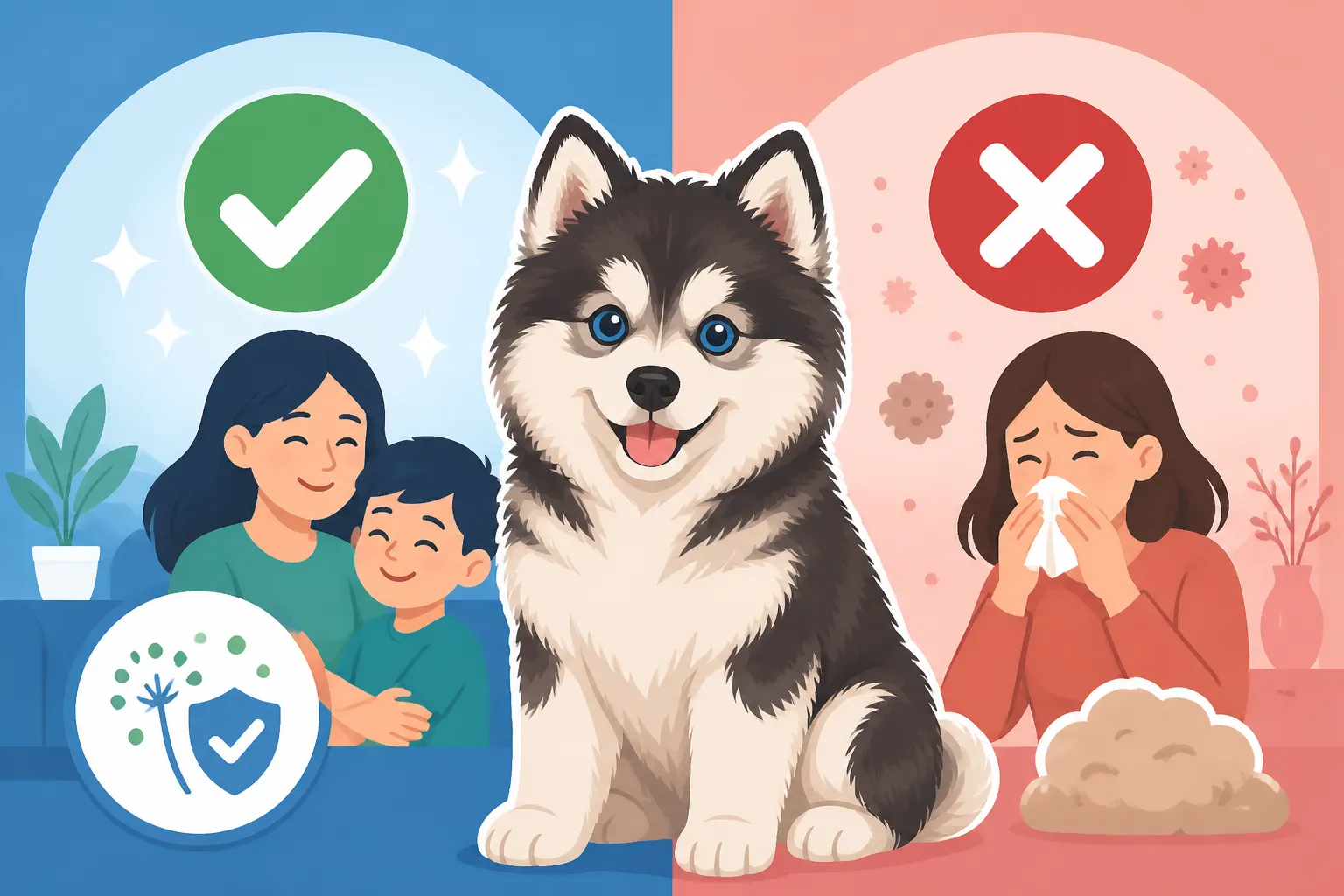
Oh, the allure of the Pomsky! Those captivating eyes, that fluffy coat, the perfect blend of Husky charm and Pomeranian cuteness in a more manageable size. It's completely understandable why so many people fall head over heels for them, and often, that includes individuals or families who also grapple with allergies. There's a persistent hope, a whisper on the internet, that maybe, just maybe, this particular mix could be the answer to having a furry companion without the constant sneezing, itching, and watery eyes. But let's get real for a moment: navigating the world of dog allergies is tricky business, and when you're dreaming of a double-coated wonder like a Pomsky, it's crucial to understand what you're truly signing up for. This guide is here to give you the unvarnished truth about whether a Pomsky can truly coexist peacefully with a household prone to allergies, addressing the common misconceptions and setting realistic expectations.
The Reality of Dog Allergies: It's More Than Just Hair
Many people mistakenly believe that dog allergies are caused by the hair itself. They see a dog shedding tumbleweeds of fur and naturally assume that's the culprit behind their itchy eyes and runny nose. It’s a logical assumption, especially when you can visibly see and feel the hair. However, if hair were the only issue, managing allergies would be a much simpler task. The truth, unfortunately for those who love fluffy dogs, is a bit more complex and insidious.
It's Not Just the Hair, It's the Dander
The real troublemaker for most allergy sufferers isn't the hair, but rather microscopic proteins found in a dog's dander (tiny flakes of skin), saliva, and urine. These tiny particles become airborne as a dog moves, shakes, grooms itself, or even just breathes. Once in the air, they settle on surfaces – carpets, furniture, clothes, curtains, and every nook and cranny of your home. When an allergic person inhales these proteins, their immune system overreacts, triggering the familiar symptoms of an allergic reaction. Even a hairless dog can cause allergies because it still produces dander and saliva.
Think about it: your dog licks itself, then rubs against your couch. That saliva, now dry, flakes off with dander and floats into the air. Or they shake off after a walk, sending a cloud of invisible particles into your breathing space. It's a constant, pervasive presence that's incredibly difficult to escape once it's established in your home environment. This is why just "not letting the dog on the furniture" often isn't enough to prevent symptoms.
The Double Coat Dilemma Exacerbates Dander Spread
Now, let's talk about the Pomsky. These gorgeous dogs inherit their luxurious double coats from both the Siberian Husky and the Pomeranian. This isn't just a thick outer layer; it's a dense, soft undercoat designed to keep them insulated in extreme temperatures, coupled with coarser guard hairs. This double coat is absolutely stunning, but it's also a fantastic dander trap and dispersal system.
Every time a Pomsky sheds, whether it's their year-round "maintenance" shedding or their dramatic seasonal "blowouts," they are not just releasing hair. They're also releasing a significant amount of dander, dried saliva, and other allergenic proteins that cling to those shed hairs. The sheer volume of hair shed by a double-coated breed means an equally large volume of allergens entering your environment. This is a critical point for anyone with allergies to understand, as it fundamentally works against the idea of a "hypoallergenic" dog.
Why Pomskies Aren't Hypoallergenic: Understanding the Breed's Traits
The term "hypoallergenic" is often misunderstood, and in the case of a Pomsky, it's particularly misleading. There's no such thing as a 100% hypoallergenic dog, as all dogs produce dander. The term generally refers to breeds that produce less dander or shed less hair, thus distributing fewer allergens into their environment. Unfortunately, the Pomsky does not fit this description by any stretch of the imagination.
The Husky Influence on Shedding
One half of the Pomsky's genetic makeup comes from the Siberian Husky, a breed renowned for its impressive double coat and equally impressive shedding habits. Huskies are famous for their "blowouts" twice a year, usually in spring and fall, during which they shed massive amounts of their undercoat. During these periods, it can feel like you're brushing out an entire second dog every day. Even outside of these major seasonal events, Huskies shed continuously, depositing fine, soft undercoat hairs wherever they go.
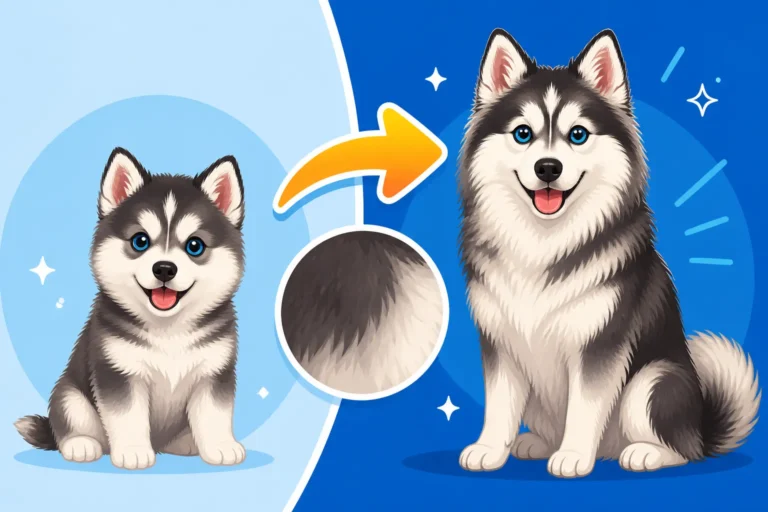
When a Pomsky carries The Pomsky That Carries a Husky Coat at Twenty Pounds, it means they often inherit this prolific shedding trait. Imagine that incredible volume of hair, concentrated in a smaller package. It doesn't mean less shedding; it just means slightly smaller hairs but still a huge amount of them. This constant release of hair ensures that dander and other allergens are consistently distributed throughout your home. Forget trying to keep up with a standard vacuum; you'll be needing industrial-grade equipment if you want to make a dent.
The Pomeranian Contribution to the Fluff Factor
While Pomeranians are smaller, they too are double-coated dogs and are far from non-shedding. In fact, Pomeranians are known for their luxurious, abundant coats that require regular grooming to prevent matting. They also experience seasonal shedding, though perhaps not as dramatically as a Husky. The combination of these two breeds ensures that a Pomsky will almost certainly be a significant shedder.
There's no guarantee that a Pomsky will inherit a "less shedding" coat from either parent. In fact, the unpredictability of a crossbreed means you could end up with a coat that sheds even more than expected, or a coat type that is particularly challenging to maintain, further contributing to allergen spread. It's truly a genetic lottery, and when allergies are a factor, it's a gamble you might not want to take. You might find yourself constantly needing The Undercoat Rake a Pomsky Owner Lives With.
What "Hypoallergenic" Really Means (and Why a Pomsky Isn't It)
For a dog to be considered "more hypoallergenic," it typically possesses traits like a single coat (no undercoat), hair that grows continuously rather than shedding seasonally, or a very tight, curly coat that traps shed hair and dander, preventing it from becoming airborne. Think Poodles, Portuguese Water Dogs, or some terrier breeds. These dogs still produce dander, but they release significantly less of it into the environment.
A Pomsky, with its dense double coat and tendency for Whether a Pomsky Blows Its Coat Twice a Year and Whether a Pomsky Sheds All Year as Well, simply doesn't fit this profile. Their coat actively works against allergy sufferers by continuously releasing hair and the accompanying dander. While some individuals might experience milder reactions to certain dogs than others, this is highly individual and not a reliable indicator for an entire breed or mix. Relying on anecdotal evidence that "my friend's cousin has a Pomsky and their allergies are fine" is a dangerous game when your own health and comfort are on the line.
Managing Allergies with a Pomsky: An Uphill Battle
For those determined to welcome a Pomsky into an allergy-prone home, it's important to understand that you'll be fighting a continuous, often exhausting, battle against allergens. It's not impossible for some mild allergy sufferers, but it requires an extraordinary commitment to rigorous cleaning, grooming, and potentially medication. This isn't just about managing a pet; it's about managing a pervasive environmental factor that directly impacts your health.
Grooming as a Mitigation Strategy (A Partial Solution)
One of the most immediate and impactful strategies is an intense grooming regimen. This means frequent brushing, ideally daily, with specialized tools designed to remove loose undercoat. How Much Undercoat Comes Off a Pomsky during a blowout can be astonishing, and managing it externally is paramount. A good quality undercoat rake and a slicker brush are your best friends here. You might also consider investing in a high-velocity force dryer to help blow out loose hair and dander after baths, which can significantly reduce shedding indoors. Brands like Amazon and Chewy offer a wide array of professional-grade grooming tools and shampoos specifically formulated for double-coated breeds.
Regular bathing, perhaps every 2-4 weeks, can also help wash away dander and loose hair. However, too frequent bathing can strip natural oils from the skin, leading to dryness and potentially more dander, or even skin issues like Hot Spots Under a Pomsky's Undercoat. Using a gentle, moisturizing shampoo specifically designed for double coats is crucial. Shampoos That Suit a Pomsky's Double Coat are formulated to protect the skin and coat. Professional grooming appointments for de-shedding treatments, which involve special shampoos, conditioners, and powerful dryers, can also be invaluable, though they come with a recurring cost. But let's be clear: grooming helps, but it doesn't eliminate the source of the allergens. It merely manages the volume of what's shed.
Environmental Controls: Turning Your Home into a Clean Room
Beyond direct dog care, you'll need to transform your living space into an allergy-friendly zone. This means:
- Air Purification: High-efficiency particulate air (HEPA) filters in your HVAC system and standalone air purifiers in key rooms (bedroom, living room) are non-negotiable. These units continuously filter airborne allergens, making a noticeable difference in air quality. You can find many effective models on Amazon.
- Frequent Cleaning: Daily vacuuming with a HEPA-filtered vacuum is essential, especially on carpets and rugs which trap allergens. Hard floors are preferable as they're easier to wipe clean. Dusting surfaces with a damp cloth to capture dander, rather than just scattering it, is also important.
- No-Go Zones: Designating certain areas, like the allergic person's bedroom, as dog-free zones can provide a sanctuary. This means strictly no Pomsky allowed, ever, even for a quick snuggle.
- Fabric Choices: Opt for easy-to-clean fabrics for furniture and curtains, or use washable covers that can be laundered weekly in hot water. Remove carpets and opt for hard flooring where possible, as carpets are notorious allergen reservoirs.
- Laundry: Wash dog beds, blankets, and any fabrics your Pomsky comes into contact with frequently. Your own clothes might need more frequent washing too.
This level of environmental control is a significant lifestyle commitment and requires consistent effort from everyone in the household. It's not a once-a-week chore; it's a daily ritual.
Personal Care and Expectations: Living with the Symptoms
For the allergy sufferer, managing symptoms might also involve personal medical intervention. Over-the-counter antihistamines, nasal sprays, and eye drops can provide relief for mild symptoms. For more severe allergies, a doctor might recommend prescription medications or even allergy shots (immunotherapy) to help desensitize the immune system over time.
It’s crucial to have a frank discussion with your doctor or allergist about your plans. They can provide personalized advice and help you understand the potential impact on your health. Even with all these measures, it’s important to set realistic expectations. Complete eradication of symptoms is often not achievable. You might still experience mild reactions, especially during seasonal shedding or after close contact with your Pomsky. You need to ask yourself if you're truly prepared to live with some level of discomfort for the love of your dog.
Realistic Expectations and Alternatives for Allergy Sufferers
The desire for a Pomsky is strong, but when allergies are in the picture, it's vital to approach the decision with absolute honesty about the challenges. It's far better to make an informed choice now than to face the heartbreaking reality of rehoming a beloved pet later because the allergic reactions are simply too severe to manage. Why Pomskies Are Surrendered often includes unmet expectations around care and maintenance, and allergies can certainly contribute to that.
The Importance of Spending Time with a Pomsky First
If you are set on a Pomsky despite your allergies, the most crucial step you can take is to spend significant, extended time with adult Pomskies before committing. Don't just visit a breeder for an hour; try to find a friend or family member who owns a Pomsky and spend a few days at their home, or even arrange for a longer visit with a reputable foster. This will give you a real-world test of your allergic response in an environment permeated with Pomsky dander.
Observe your symptoms closely:
- Do your eyes itch?
- Does your nose run or get stuffy?
- Do you sneeze frequently?
- Do you develop skin rashes or hives after contact?
- Do you experience asthma symptoms like wheezing or shortness of breath?
A short visit might not trigger a full-blown reaction, but continuous exposure over several days or a week will provide a much clearer picture of your body's response. Remember, puppy dander can sometimes be less allergenic than adult dog dander, so testing with an adult dog is key.
Other Breeds to Consider for Allergy-Prone Households
While the Pomsky may not be the ideal choice, the good news is that there are many wonderful dog breeds that are genuinely better suited for allergy sufferers. These breeds generally have non-shedding coats or hair that doesn't release as much dander into the environment. They might not have the exact Husky look or Pomeranian fluff, but they offer the companionship and love of a dog without the constant allergen battle.
When researching alternatives, look for breeds often recommended for allergy sufferers, such as those with hair (not fur) or tight, curly coats. These dogs still require grooming, sometimes extensively, but their grooming needs are often focused on preventing mats rather than managing a constant cloud of shedding undercoat. Embracing a breed that truly fits your lifestyle and health needs means a happier, healthier life for both you and your future canine companion. This might not be the answer you hoped for, but it’s the honest one that prioritizes everyone’s well-being.
| Trait / Factor | "Hypoallergenic" Dog (Generally) | Pomsky (Reality) | Impact on Allergies |
|---|---|---|---|
| Shedding Level | Low to None | High, especially during seasonal blowouts | High allergen dispersal due to continuous hair/dander release |
| Coat Type | Single coat, continuously growing hair, or tight/curly | Dense double coat (undercoat + guard hairs) | Undercoat traps and releases significant dander |
| Dander Production | Lower | Standard to higher (due to shedding volume) | More dander in the environment, easily airborne |
| Grooming Effort | Regular trimming/brushing to prevent mats | Frequent de-shedding, brushing, professional baths | Constant effort to minimize allergen spread, but never eliminated |
| Environmental Control | Still recommended, but less intensive | Extremely rigorous cleaning and air filtration needed | High maintenance to keep symptoms at bay |
| Suitability for Severe Allergies | Potentially suitable, with caution | Generally not suitable; likely to trigger severe reactions | High risk of persistent symptoms, even with mitigation |
Disclaimer
This article is for general informational purposes only and does not constitute professional advice. Laws, prices and regulations vary by location and change over time. Consult a qualified professional for guidance on your specific situation.