How Often a Pomsky’s Ears Should Be Cleaned
One of the trickiest parts of owning a Pomsky, beyond the constant shedding and the endless antics, is figuring out their unique health needs. Their ears, for instance, are a bit of a hybrid puzzle. You want to do what's best, but how often is too often, and when are you not doing enough? It's a common worry, and frankly, there's a lot of conflicting advice out there. This guide is here to walk you through exactly how to keep your Pomsky's ears healthy, what to look for, and when to step in with a clean, or better yet, a vet visit.
Understanding Your Pomsky's Unique Ears
When you bring a Pomsky into your life, you're essentially getting a beautiful, energetic blend of two distinct breeds: the Siberian Husky and the Pomeranian. Each parent breed contributes its own set of traits, and that includes ear structure and tendencies. Understanding this genetic lottery is the first step to knowing how to care for your furry friend's ears.
The Anatomy Inherited from Husky and Pomeranian
Both the Siberian Husky and the Pomeranian are known for their upright, triangular ears. This is generally a good thing for ear health! Erect ears tend to have better airflow compared to floppy ears, which can trap moisture and create a warm, humid environment perfect for bacteria and yeast to thrive. Think about breeds like Basset Hounds or Cocker Spaniels; their long, heavy ear flaps are notorious for causing ear problems. With a Pomsky, you usually get that lovely, stand-up ear set, which naturally helps keep things dry inside.
However, it's not always a clean cut. While the shape might favor good air circulation, the fur is another story. Both parent breeds have dense double coats, and sometimes that thick fur extends into the ear canal or grows very heavily around the ear opening. This can inadvertently block some of that beneficial airflow. Imagine having a tiny, fluffy earmuff permanently attached to your inner ear; it can create a microclimate that, despite the erect ear, might still be a bit too cozy for moisture and debris. Also, the size of the ear canal itself can vary. Some Pomskies might inherit a slightly narrower canal from their Pomeranian side, making cleaning a bit more delicate, or making them more prone to buildup even with good airflow. It's a subtle difference, but one worth noting as you get to know your individual dog.
Why Some Pomskies Are More Prone to Ear Issues
Even with generally good ear structure, some Pomskies seem to be magnets for ear woes, and it’s usually not their fault. One of the biggest culprits is allergies. Just like humans, dogs can suffer from environmental allergies (pollen, dust mites, mold) or food allergies. When a dog has allergies, one of the most common ways it manifests is through skin irritation and inflammation, often affecting the ears. You might find your Pomsky scratching at their ears, shaking their head, or even rubbing their ears on the carpet. This constant irritation can lead to inflammation within the ear canal, making it more susceptible to secondary infections from yeast or bacteria. It’s a vicious cycle where the allergy starts the problem, and then the subsequent irritation creates an environment for opportunistic invaders. You might be interested in reading Whether a Pomsky Gets Allergies for more in-depth information on this common issue.
Beyond allergies, the sheer density of a Pomsky's coat can play a role. If your Pomsky has a particularly wooly or dense coat, the hair inside and around the ear canal might be thicker than average. This hair can trap dirt, debris, and wax, leading to blockages and reducing airflow. Sometimes, water can get trapped in this fur during baths or swimming, creating a damp environment that encourages microbial growth. Furthermore, if your Pomsky is an active adventurer who loves to dig or explore brushy areas, foreign bodies like foxtails or burrs can easily get lodged in the ear, causing irritation and potential infection. Even a small piece of plant material can cause significant discomfort and trigger an inflammatory response that mimics or leads to an infection. It really highlights why vigilance and routine checks are so important for these fluffy little explorers.
The "When" and "How" of Ear Cleaning
Knowing your Pomsky's ear anatomy and potential predispositions is great, but the real question is, what do you actually do? When do you clean, and how do you do it safely without causing more harm than good? It’s a delicate balance, and often, less is more – until it isn't.
Establishing a Baseline: How Often is "Normal"?
For most healthy Pomskies with those wonderful, upright ears and no history of issues, frequent ear cleaning isn't just unnecessary; it can actually be counterproductive. Over-cleaning can disrupt the natural protective balance of the ear canal, stripping away beneficial oils and potentially leading to irritation. Think of it like washing your hair too often – it can dry out your scalp and hair. For a dog, this can make them more susceptible to issues, not less.
My general advice for a healthy Pomsky is to make ear checks a part of your weekly grooming routine. When you're brushing them or checking their teeth, just take a peek into their ears. Look for any redness, unusual odors, or excessive dark waxy buildup. If everything looks clean, smells neutral, and your Pomsky isn't scratching or shaking their head, you can often leave well enough alone. If you notice a very slight amount of light brown wax, you can gently wipe the visible part of the ear flap with a soft, damp cloth, but avoid going deep into the canal. For some Pomskies, a light cleaning once a month might be appropriate if they naturally produce a bit more wax, but this should only be done if you're certain there's no underlying issue. The goal is maintenance, not intervention.
Signs Your Pomsky Needs Immediate Ear Attention
While preventative care is good, there are definite red flags that signal your Pomsky needs more than just a routine wipe-down. These aren't just signs for cleaning; they're often indicators that something more serious is brewing, and a trip to the vet is in order. Ignoring these can lead to prolonged discomfort and more difficult-to-treat infections.
Here are the signs you should never overlook:
- Excessive Scratching or Pawing at Ears: If your Pomsky is constantly trying to get at their ears, it's a clear sign of irritation or itchiness.
- Frequent Head Shaking: This is another common way dogs try to dislodge discomfort or fluid from their ears.
- Foul Odor: A healthy ear should have no strong smell. A yeasty, sweet, or generally unpleasant odor is a tell-tale sign of infection.
- Redness or Swelling: Visibly inflamed tissue inside the ear flap or around the opening indicates irritation or infection.
- Discharge: Any discharge, whether it's yellowish, brownish, black, or pus-like, is abnormal. Black, crumbly discharge often points to ear mites, while yellow or green discharge suggests a bacterial infection.
- Pain or Sensitivity: If your Pomsky cries out, growls, or pulls away when you touch their ear, they're in pain.
- Tilting Head or Loss of Balance: In severe cases, particularly with inner ear infections, your dog might develop a head tilt or seem disoriented.
If you observe any of these symptoms, don't try to treat it yourself with ear cleaner. You could make things worse, push debris deeper, or delay proper diagnosis. A veterinarian needs to examine the ear canal with an otoscope, collect samples for cytology (looking at cells under a microscope), and determine the exact cause of the problem. This is especially true if you see symptoms like Hot Spots Under a Pomsky's Undercoat developing on the skin around the ear, which can sometimes accompany an ear infection or intense scratching.
Step-by-Step: Safely Cleaning Your Pomsky's Ears
Okay, so you've determined a light, routine cleaning is appropriate, or your vet has advised you to clean the ears as part of a treatment plan. How do you actually do it without causing a fuss or hurting your Pomsky? Getting your dog used to ear cleaning early on is key, much like teaching them to be comfortable with Teaching a Pomsky to Be Brushed.
Here's a gentle, step-by-step guide:
- Gather Your Supplies: You'll need a good quality, vet-approved ear cleaning solution (more on this in the next section!), plenty of cotton balls, and some treats for positive reinforcement. Absolutely avoid cotton swabs (Q-tips) for inside the ear canal – they can push debris deeper and even rupture the eardrum.
- Find a Calm Spot: Choose a quiet area where your Pomsky feels comfortable and you can easily hold them. Having a second person to gently hold your dog can be incredibly helpful, especially if they're squirmy.
- Inspect the Ear: Before you start, gently lift the ear flap and visually inspect the outer ear and the opening of the ear canal. Note any obvious dirt or wax.
- Apply the Cleanser: Hold your Pomsky's ear flap up and carefully squirt the ear cleaning solution into the ear canal until it's full. Don't worry, it usually won't hurt, and it won't go so deep it causes damage. The goal is to fill the canal so the solution can break down wax and debris.
- Massage the Base of the Ear: This is the important part! Gently massage the base of your Pomsky's ear for about 20-30 seconds. You should hear a squishy sound as the solution works its way around. This helps loosen all the gunk inside.
- Allow Your Pomsky to Shake: After massaging, stand back and let your Pomsky shake their head. This is completely natural and helps dislodge the cleaner and loosened debris. Be prepared for some spray!
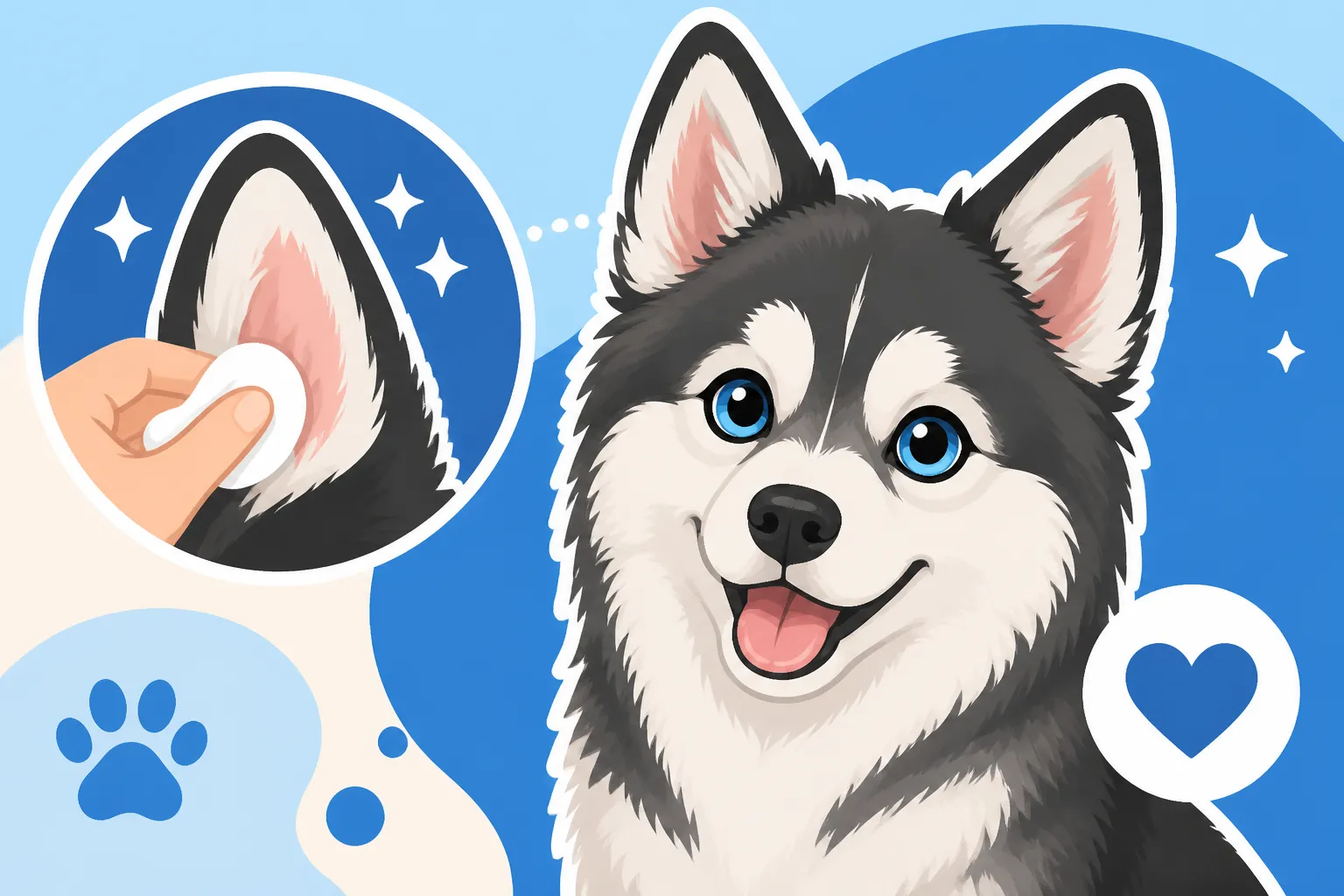
- Wipe the Outer Ear: Use a fresh cotton ball or a soft cloth to gently wipe out any visible solution, wax, and debris from the outer ear flap and the opening of the ear canal. Only go as far as your finger can comfortably reach without forcing anything. Don't try to dig deep.
- Reward and Repeat: Praise your Pomsky profusely and give them a treat. If the other ear needs cleaning, repeat the process. Always make it a positive experience!
Remember, consistency and gentleness are your best tools. If your Pomsky is resistant or shows signs of pain, stop immediately and consult your vet.
Choosing the Right Ear Cleaning Products
Just as you wouldn't use harsh chemicals on your own skin, you need to be selective about what goes into your Pomsky's ears. The right product can make all the difference, while the wrong one can cause irritation or even lead to more serious issues.
What to Look for in an Ear Cleanser
When you're perusing the aisles at your local pet store or browsing online on sites like Chewy or Amazon, the sheer number of ear cleaning solutions can be overwhelming. The key is to look for gentle, vet-approved formulations specifically designed for canine ears.
Here are some ingredients and characteristics to look for:
- Gentle Antiseptics: Ingredients like boric acid, salicylic acid, or chlorhexidine can help prevent bacterial and yeast overgrowth without being too harsh. They work to create an environment less hospitable to these opportunistic microbes.
- Drying Agents: Components such as witch hazel or alcohol (used sparingly and in low concentrations, typically by manufacturers, not pure rubbing alcohol from your cabinet!) help to dry out the ear canal after cleaning, which is crucial for preventing moisture-related infections. However, be cautious with alcohol as it can be very irritating if the ear is already inflamed. Many effective cleansers use more gentle drying agents.
- Soothing Agents: Aloe vera or colloidal oatmeal can help soothe irritated skin, which is a bonus if your Pomsky has sensitive ears or mild irritation.
- pH Balanced: A good ear cleaner will be formulated to match the natural pH of a dog's ear, preventing further irritation.
- Avoid: Steer clear of cleansers with strong perfumes or dyes, as these can be irritating. Also, as mentioned, never use pure rubbing alcohol or hydrogen peroxide in your dog's ears, as they can be too harsh and potentially damaging.
Always choose a product specifically labeled for dogs. If your Pomsky has known allergies or sensitivities, or if they're currently being treated for an ear infection, always ask your veterinarian for a specific product recommendation. They might suggest a prescription-strength cleanser or one tailored to the specific type of infection.
Tools and Supplies: Beyond the Cleanser
While the ear cleanser is the star of the show, having the right supporting cast of tools will make the cleaning process much easier and more effective. You can find these readily available from pet supply retailers like Chewy or on general marketplaces like Amazon.
Here's what you'll need:
- Cotton Balls: These are your best friends for wiping out the ear. They're soft, absorbent, and won't go too deep into the ear canal. You'll want plenty on hand, as you should use a fresh one for each wipe to avoid spreading debris or infection.
- Soft Cloths or Gauze Pads: For wiping the outer ear and ear flap, soft cloths or gauze pads can also work well, especially if you need a bit more surface area to catch the cleaner and gunk as your Pomsky shakes their head.
- Treats: This might sound obvious, but high-value treats are crucial! Positive reinforcement makes ear cleaning a less stressful experience for your Pomsky and makes them more cooperative in the future. What a Pomsky Will Work For often includes delicious food rewards.
- Optional: Pet-Specific Ear Wipes: For quick, superficial cleanings of the outer ear or between full cleanings, pet-specific ear wipes can be handy. These are pre-moistened wipes infused with a gentle cleaning solution. They're great for a quick swipe around the visible parts of the ear, especially after a muddy walk or if you notice a little dirt, but they're not for deep cleaning the canal itself. They're excellent for maintaining general hygiene.
Having all your supplies ready before you start will help the process go smoothly, minimizing stress for both you and your Pomsky. It's all part of the routine care that helps keep The Grooming Bill on a Double Coated Pomsky manageable and your dog comfortable.
When to Call the Vet: Beyond Routine Cleaning
There's a fine line between routine maintenance and a problem that requires professional medical attention. Knowing when to put down the ear cleaner and pick up the phone to call your vet is crucial for your Pomsky's health and comfort.
Recognizing Persistent Problems
If you've followed all the advice for safe, gentle cleaning, but your Pomsky's ear issues persist, recur quickly, or seem to be worsening, it's a clear signal that the problem is beyond what a simple ear cleanser can fix. Often, what starts as a minor irritation can quickly escalate into a full-blown infection if not addressed properly.
Here are scenarios where your Pomsky definitely needs professional intervention:
- Recurring Symptoms: You clean the ears, they seem better for a few days, and then the scratching, odor, or discharge comes right back. This indicates an underlying issue that isn't being resolved.
- No Improvement After 24-48 Hours: If you've done a recommended cleaning (or used a vet-prescribed cleaner for an existing issue) and don't see any improvement within a couple of days, it's time to check in with the vet.
- Increased Pain or Discomfort: If your Pomsky is actively resisting you touching their ears, crying out, or becoming head-shy, they are in pain. Cleaning a painful ear can be agonizing for them and can make future cleanings much harder.
- Changes in Ear Canal Appearance: Beyond redness, if you notice swelling that appears to narrow the ear canal, or any unusual growths or severe crusting, it requires immediate veterinary assessment.
- Balance Issues or Head Tilt: These can be signs of a deeper ear infection affecting the inner ear, which can have more serious implications if not treated promptly.
Common ear infections that might cause these persistent issues include bacterial infections (often characterized by yellow or green pus and a strong odor), yeast infections (which typically present with a sweet, musty odor and brownish discharge), and ear mites (leading to dark, crumbly, coffee-ground-like discharge). While cleaning can help manage some mild cases, a proper diagnosis and targeted medication are essential for effective treatment. This is precisely why Whether a Pomsky Gets Ear Infections is such a common concern among owners and why prompt veterinary care is paramount.
The Vet's Role in Diagnosing and Treating Ear Issues
When you bring your Pomsky in for an ear problem, your veterinarian isn't just going to guess. They have a systematic approach to diagnose the issue accurately and prescribe the most effective treatment. This might feel like a lot of steps, but each one is important for getting your Pomsky relief.
Here's what a vet examination for ear issues typically entails:
- Thorough History: Your vet will ask you detailed questions about when the symptoms started, what you've observed, if you've tried any home remedies, and your Pomsky's overall health history, including any known allergies.
- Physical Examination: They'll perform a general physical exam to check for other signs of illness, as ear infections can sometimes be secondary to systemic issues.
- Otoscopic Examination: This is where the magic happens! Your vet will use an otoscope – a specialized instrument with a light and magnifying lens – to look deep into your Pomsky's ear canal. This allows them to visualize the eardrum, check for foreign bodies, assess the severity of inflammation, and identify any growths or abnormalities.
- Ear Swab and Cytology: Often, your vet will take a small swab of the ear discharge and examine it under a microscope (cytology). This allows them to identify whether the infection is bacterial, yeast, or caused by mites, and which specific types. This guides the choice of medication.
- Culture and Sensitivity (if needed): For stubborn or recurrent bacterial infections, your vet might send a sample to a lab for a culture and sensitivity test. This identifies the specific bacteria present and determines which antibiotics will be most effective against them.
- Treatment Plan: Based on the diagnosis, your vet will prescribe appropriate medication. This could include topical ear drops (antibiotic, antifungal, or anti-inflammatory), oral medications (antibiotics, antifungals, or steroids), or a combination of these. They will also provide detailed instructions on how to administer the medication and how often to clean the ears during treatment.
- Follow-up: Many ear infections require a follow-up visit to ensure the infection has completely cleared. Stopping medication too soon can lead to recurrence.
Remember, ear problems can be very uncomfortable for your Pomsky, and early intervention is key to a faster recovery and preventing chronic issues. Don't be afraid to reach out to your vet if you have any concerns; it's part of What a Pomsky's Vet Bills Look Like, but it's money well spent for their health and happiness. For instance, sometimes a persistent head shake or ear pawing could even point to something like The Collapsing Trachea a Pomsky Gets From the Pomeranian causing discomfort, making proper diagnosis by a professional even more vital.
Disclaimer
This article is for general informational purposes only and does not constitute professional advice. Laws, prices and regulations vary by location and change over time. Consult a qualified professional for guidance on your specific situation.