The Grooming Bill on a Double Coated Pomsky
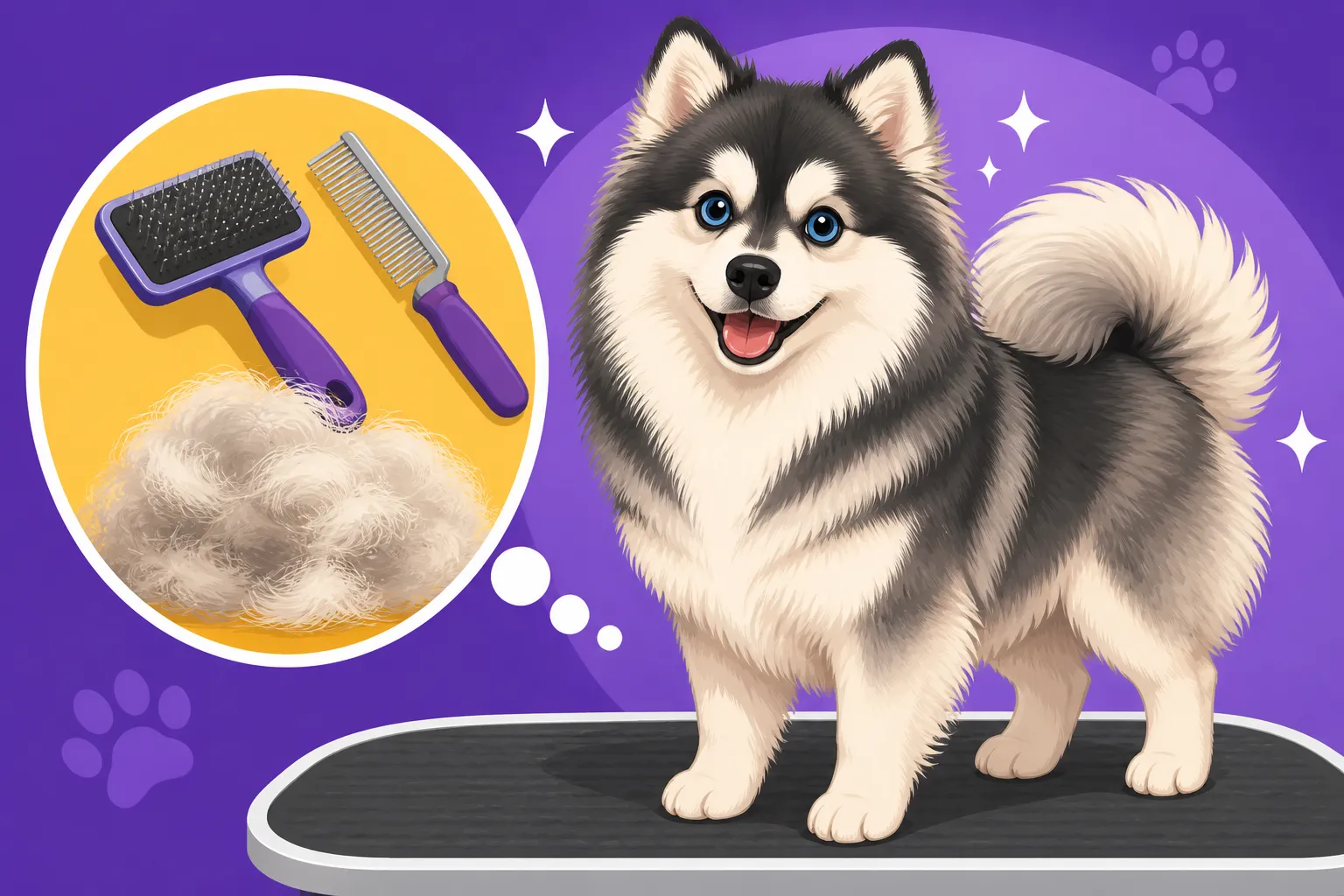
The sheer amount of fur a Pomsky can shed is often a shock to new owners, turning what they thought would be a simple brush-and-go routine into a constant battle against a swirling tumbleweed of fluff. It’s not just about aesthetics; managing that magnificent double coat is a vital part of your Pomsky's health and comfort, and let me tell you, it comes with a price tag. This guide will walk you through the realistic grooming bill you can expect for your double-coated Pomsky, from the tools you'll need at home to the professional services that become unavoidable, helping you budget for this essential aspect of Pomsky ownership.
Understanding the Pomsky's Double Coat
Before we dive into the costs, it’s crucial to understand why Pomsky grooming is such a significant undertaking. These aren't your average short-haired pups; they inherited some serious coat genetics from both sides of their family tree, and understanding that foundation is key to appreciating the grooming demands.
The Husky and Pomeranian Influence
Your Pomsky is a magnificent blend of two distinct breeds, each contributing unique characteristics to their coat. From the Siberian Husky, they inherit that iconic dense, insulating double coat. This isn't just fluffy hair; it's a meticulously designed natural insulation system, featuring a soft, thick undercoat that traps air to keep them warm in frigid temperatures, and a coarser, longer outer guard coat that repels water and protects against snow, wind, and UV rays. This Husky influence means a coat built for extremes, capable of handling harsh winters with ease.
On the other side, the Pomeranian, while much smaller, also boasts a luxurious double coat known for its stand-off appearance. The Pom’s coat is typically longer, softer, and even more voluminous than the Husky's, giving them that adorable, fluffy silhouette. This stand-off quality, especially noticeable around the neck and chest, adds to the Pomsky’s often plush and somewhat regal look. When you combine these two, you get a Pomsky: a dog with a coat that is usually dense, often fluffy, and always shedding. The density and the length can vary greatly, even within the same litter, making each Pomsky's grooming needs a unique adventure.
Recognizing Different Pomsky Coat Types
Not all Pomsky coats are created equal, and understanding which type your dog has can significantly impact your grooming strategy and, ultimately, your budget. Generally, we talk about three main coat types when it comes to Pomskies. The most common is the Standard or Plush Coat. This is often what people expect – a thicker, softer version of a Husky coat, with a dense undercoat and medium-length guard hairs. It's beautiful, but it sheds, a lot, especially during seasonal changes. This coat is fairly manageable with regular brushing and professional deshedding.
Then there's the Wooly Coat. This is where things get a bit more intense. A wooly coat is significantly longer and much softer, almost like cotton or wool, rather than the coarser guard hairs of a standard coat. It's stunning to look at, giving the Pomsky an almost teddy bear-like appearance, but it's a magnet for mats. These coats tangle and felt easily, especially in high-friction areas like behind the ears, armpits, and groin. They demand daily brushing and often more frequent professional grooming to prevent painful matting, which can quickly turn into a nightmare if neglected. You can read more about these variations in our comprehensive guide, "The Three Pomsky Coat Types".
Finally, there's the less common Short or Slick Coat. This coat leans more heavily towards the Pomeranian side in terms of texture but can be shorter than a typical Pom. It still has a double layer but is less dense and shorter overall, making it the easiest to maintain among the three. While it still sheds, the volume is often reduced, and matting is less of a concern. Identifying your Pomsky's coat type early on will help you prepare for the specific grooming challenges and costs ahead.
The Reality of Seasonal Blowing and Year-Round Shedding
If you're considering a Pomsky, you need to accept a fundamental truth: they shed. A lot. It's not just a little bit of hair here and there; it's a commitment. Pomskies, like their Husky parents, experience what's known as "blowing their coat" twice a year. This isn't a gentle shedding; it's a full-on fur hurricane. During spring, they shed their thick winter undercoat to make way for a lighter summer coat, and in the fall, they shed their summer coat to grow in a dense winter layer. This process can last for several weeks, and during these times, you will find fur everywhere – on your clothes, furniture, floors, and inexplicably, even in your food.
Many owners are shocked by the sheer volume of hair that comes off during a blow-out. You can literally pull clumps of soft undercoat from their bodies with your hands. Even outside these major seasonal events, Pomskies are not truly non-shedding. They maintain a continuous, albeit lighter, year-round shed. This means you'll still be finding smaller amounts of hair on a daily basis, requiring regular vacuuming and lint rolling. Our article "Whether a Pomsky Blows Its Coat Twice a Year" delves deeper into this phenomenon, and "How Much Undercoat Comes Off a Pomsky" will give you a vivid picture of what to expect. This constant hair loss is precisely why understanding and budgeting for grooming, both at home and professionally, is non-negotiable for Pomsky owners. It's not a chore you can skip without consequences for both your dog's health and your home's cleanliness.
Essential At-Home Grooming Tools and Their Costs
Managing a Pomsky's double coat effectively starts at home with the right set of tools. Investing in quality equipment from the outset will not only make grooming easier but can also save you money in professional grooming fees in the long run. Don't skimp here; cheap tools often break or, worse, can damage your dog's delicate coat.
Brushes and Rakes for a Double Coat
When it comes to tackling a Pomsky's double coat, you can't rely on just any brush. You need specialized tools designed to penetrate the dense outer layer and reach the undercoat where most of the shedding, and potential matting, occurs. The undercoat rake is your absolute best friend. These tools have widely spaced, strong teeth that effectively pull out loose undercoat without damaging the guard hairs. Brands like Furminator offer popular deshedding tools, but many dedicated undercoat rakes with rotating teeth or double-sided options from brands like Andis or Kong work wonders. Expect to pay anywhere from $20 to $50 for a good quality undercoat rake. This is a non-negotiable item for any Pomsky owner. Our guide "The Undercoat Rake a Pomsky Owner Lives With" emphasizes its importance.
Next up are slicker brushes. These brushes have fine, short wires packed closely together on a flat surface. They're excellent for removing surface shedding, smoothing the outer coat, and detangling smaller mats, especially in the fluffier areas. While they don't penetrate the undercoat as deeply as a rake, they're essential for finishing and keeping the topcoat neat. A decent slicker brush will cost you between $10 and $30. Finally, a good metal comb with both wide and fine teeth is indispensable for checking for mats, particularly behind the ears and in the feathering on the legs and tail. This allows you to catch small tangles before they become big, painful mats. A sturdy metal comb typically runs $8-$20. Having this trio ensures you're equipped for daily maintenance and more intensive sessions. Choosing "Which Rake Suits a Pomsky's Undercoat" is a crucial first step.
The Importance of a High-Velocity Dryer
This might sound like an extravagance, but for a double-coated dog like a Pomsky, a high-velocity (or force) dryer is arguably the most valuable grooming tool you can own, next to a good rake. Forget your human hairdryer; it doesn't have the power, and the heat can damage your dog's skin and coat. A force dryer works by blasting a high volume of unheated or lightly heated air deep into the coat, literally blowing out loose undercoat and drying the dog quickly and thoroughly.
Why is this so important? Firstly, it's the most effective way to remove massive amounts of shedding undercoat, especially during a seasonal blow. The air pressure pushes out hair that brushing alone simply can't reach, significantly reducing the amount of fur ending up in your home. Secondly, thoroughly drying a double coat after a bath is critical. If the undercoat remains damp, it creates a perfect breeding ground for bacteria and yeast, leading to hot spots, skin infections, and a nasty "wet dog" smell that never quite goes away. This can result in costly vet visits. Investing in a force dryer, which typically ranges from $100 to $300 for a reputable home-use model (brands like Flying Pig or K-9 Fluffer are popular), pays for itself by reducing professional deshedding appointments and preventing health issues. Our article "Whether a Force Dryer Is Essential for a Pomsky" explains this in detail, highlighting its role in maintaining coat health and hygiene.
Shampoos, Conditioners, and Other Supplies
Beyond brushes and dryers, a well-stocked grooming kit includes various consumable supplies that contribute to your overall grooming bill. For baths, you'll want to invest in a quality dog-specific shampoo. Given their double coat, a good deshedding shampoo can be beneficial during blowout seasons, while a moisturizing or sensitive skin formula might be better for regular baths, especially if your Pomsky has dry skin. Always follow up with a dog-specific conditioner to hydrate the coat and make brushing easier, reducing static and preventing tangles. Look for products without harsh chemicals or dyes. A good 16oz bottle of quality shampoo or conditioner can range from $15 to $30, and you'll go through several bottles a year depending on bathing frequency.
Don't forget the essentials for paw and dental care. Nail clippers or a dremel grinder (around $20-$40) are crucial for keeping nails trimmed and preventing discomfort or injury. An ear cleaner (around $10-$20) is important for maintaining ear hygiene, especially if your Pomsky is prone to ear wax or infections. And for dental health, which is often overlooked but critical, invest in a dog toothbrush and toothpaste (a starter kit is typically $10-$20). These smaller, ongoing costs add up throughout the year. For sourcing these items, online retailers like Chewy often have competitive prices and a wide selection, making it easier to find everything you need in one place. You can find recommendations for "Shampoos That Suit a Pomsky's Double Coat" to ensure you're using products that are gentle and effective for their unique coat.
The Pros and Cons of Professional Grooming
Even with the best at-home routine and top-notch tools, there will be times when professional grooming becomes not just convenient, but absolutely necessary. It's an additional expense, but one that many Pomsky owners find invaluable for their sanity and their dog's well-being.
When Professional Grooming Becomes Necessary
There are several scenarios where turning to a professional groomer is the smartest move for a Pomsky owner. The most common is during the dreaded seasonal blowouts. While your force dryer and undercoat rake do a fantastic job, a professional groomer has industrial-grade equipment, specialized techniques, and often a more powerful drying system that can extract an incredible amount of loose undercoat in one session. This can dramatically shorten the shedding season's intensity and save your vacuum cleaner from an early demise.
Another critical time is when matting becomes severe. Despite your best efforts, wooly-coated Pomskies or those with less frequent brushing can develop tight, painful mats, especially in areas like behind the ears, under the legs, or in the tail. Attempting to remove these at home can be painful for your dog and potentially lead to skin irritation or injury. Professional groomers are skilled at safely and gently de-matting or, if necessary, shaving matted areas to prevent skin damage. Finally, if you simply lack the time, physical ability, or patience to perform thorough grooming yourself, a professional groomer can be a lifesaver. They can handle the full spectrum of services, from a deep clean and deshedding to nail trims and ear cleaning, ensuring your Pomsky stays healthy and comfortable. Many owners find that these professional visits are worth the cost for the peace of mind and the immaculate results. Our general overview of "What Grooming a Pomsky Costs a Year" touches on these factors.
Breakdown of Professional Grooming Costs
Understanding the cost structure for professional Pomsky grooming can help you budget effectively. A full-service groom for a Pomsky typically includes a bath with professional-grade shampoo and conditioner, a thorough blow-dry using high-velocity dryers, a complete deshedding treatment, brushing, nail trim, and ear cleaning. For a Pomsky, you can expect this to range anywhere from $75 to $150 per session, depending heavily on several factors.
The first factor is size. A smaller Pomsky might be on the lower end, while a larger, huskier-built Pomsky will be on the higher end. Coat type is another significant determinant; a wooly coat that requires extra time and effort to de-mat and groom will almost always incur a higher fee. Location also plays a huge role; groomers in metropolitan areas like New York City or Los Angeles will naturally charge more than those in smaller towns.
Many groomers also offer add-on services. A dedicated "deshedding package" might cost an extra $20-$50 on top of the base groom, but it's often worth it during peak shedding season. De-matting services are almost always charged hourly, and if your dog is severely matted, this can add a substantial amount to the bill, easily another $50-$100 or more. Some groomers also offer specialized conditioning treatments or paw pad treatments. It’s always best to call a few local groomers, explain you have a double-coated Pomsky, and ask for a detailed quote. To give you a clearer idea, here's a table comparing potential costs:
| Service Type | Estimated Cost Range (USD) | What's Included | Frequency |
|---|---|---|---|
| Full Service Groom | $75 – $150+ | Bath, blow-dry, brush, basic deshedding, nail trim, ear clean | Every 6-12 weeks (or as needed) |
| Deshedding Treatment | $30 – $70 (add-on) | Intensive brushing/drying to remove undercoat | During seasonal blowouts (2-4 times/year) |
| De-Matting (Hourly) | $1 – $2 per minute | Manual removal of severe mats, often as an add-on | As needed for matted coats |
| Nail Trim Only | $10 – $25 | Clipping or grinding nails | Every 2-4 weeks |
| Ear Cleaning Only | $10 – $20 | Cleaning ears with solution | As needed |
| Sanitary Trim | $15 – $35 | Trimming hair around private areas | As needed |
For more specific information on these treatments, our article on "What a Deshedding Treatment Costs on a Pomsky" can provide further insights.
Finding a Groomer Experienced with Double Coats
One of the most critical aspects of professional Pomsky grooming is finding the right groomer. Not all groomers are equally experienced with double-coated breeds, and a lack of understanding can lead to disastrous results for your Pomsky's coat and skin. When you're looking for a groomer, it's absolutely essential to ask specific questions about their experience with breeds like Huskies, Pomeranians, or other double-coated dogs.
The number one rule you must instill in any groomer is never, ever shave a Pomsky down to the skin, unless medically necessary for severe matting. Shaving a double coat can permanently damage its ability to regulate temperature, leading to issues like sunburn, overheating, and improper hair regrowth (often referred to as "clipper alopecia" or "post-clipping alopecia"), where only the softer undercoat grows back, leaving patchy, dull areas. This can ruin the coat's natural function and appearance, sometimes irreversibly. Our article "Why a Pomsky Must Never Be Shaved" goes into detail about the dangers of this practice.
When interviewing potential groomers, ask them:
- "Do you have experience with Siberian Huskies or Pomeranians, and their double coats?"
- "What is your approach to deshedding a double-coated dog?"
- "What tools do you use for deshedding and drying double coats?" (Listen for mentions of undercoat rakes and high-velocity dryers.)
- "What is your policy on shaving a double-coated dog?" (The correct answer should always be "only if medically necessary due to extreme matting, and after consulting with the owner.")
A good groomer will understand the nuances of a Pomsky's coat and will prioritize its health and integrity over convenience. Don't be afraid to ask for references or look at photos of their previous work with similar breeds. Building a relationship with a skilled groomer who respects the unique needs of a double coat is an investment in your Pomsky's long-term health and comfort.
Long-Term Grooming Expenses Over Your Pomsky's Life
When you bring a Pomsky into your home, you're signing up for a commitment that spans well over a decade. While the initial costs of puppyhood are often a focus, it’s crucial to understand the ongoing financial implications of grooming that will accumulate throughout their entire life. These aren't one-time expenses but rather a continuous part of responsible Pomsky ownership.
Annualized Costs for At-Home Grooming
Even if you’re a dedicated DIY groomer, at-home grooming isn't free. There are recurring costs that add up over the years. First, your initial investment in quality brushes, rakes, and a high-velocity dryer will eventually need replacing or upgrading. Brushes wear out, teeth on rakes can bend, and dryer motors can degrade over time. Budgeting approximately $50-$100 annually for replacing worn-out tools or purchasing new ones is a realistic estimate.
Then there are the consumables: shampoos, conditioners, ear cleaner, nail grinder attachments, and dental supplies. A family-sized bottle of shampoo and conditioner might last a few months, but you'll need multiple throughout the year. If you bathe your Pomsky monthly or bi-monthly, you could easily spend $60-$120 per year on bathing products alone. Ear cleaner might be used less frequently but still needs regular replenishment, costing around $20-$40 annually. Don't forget the electricity cost for using your high-velocity dryer regularly, especially if you live in an area with higher energy prices. It's a small but continuous expense. Lastly, consider dental care. While daily brushing is ideal, your Pomsky will likely need professional dental cleanings under anesthesia at the vet every few years, which can range from $400-$1000 or more per procedure. Daily dental chews or water additives can reduce the frequency of professional cleanings, but they still add to your yearly budget, perhaps $50-$100. Our guide "How Often a Pomsky's Teeth Need Scaling" discusses the importance of these vet visits. Factoring in all these elements, even dedicated at-home groomers can expect to spend $200-$400+ annually on maintaining their Pomsky's coat and general hygiene.
Projecting Professional Grooming Expenses
If you opt for professional grooming, or combine it with your at-home efforts, these costs will significantly increase your annual grooming bill. The frequency of visits will be the main driver of your overall expense. Many Pomsky owners find that quarterly professional deshedding treatments (every three months) are a good baseline, particularly during and around the seasonal coat blows. If each session costs $100, that's $400 a year right there. If your Pomsky has a wooly coat that is prone to matting, or if you prefer a more consistently pristine look, you might opt for a full-service groom every 6-8 weeks. This could easily mean 6-8 visits a year, pushing your annual professional grooming budget to $600-$1200 or even higher.
These projections can also fluctuate based on your dog's lifestyle. A Pomsky that loves rolling in mud or swimming frequently might need more baths and professional attention. Similarly, if you live in a climate with very distinct seasons, the intensity of shedding might necessitate more frequent visits during certain times of the year. It's also wise to have a small emergency fund for unexpected grooming needs, such as a sudden matting crisis after a particularly adventurous hike, or if your dog gets into something particularly sticky or smelly. These "emergency grooms" can sometimes come with a premium if the groomer has to squeeze you in. Remember, these are ongoing expenses that will be a part of your financial commitment for the entire 12-15 years of your Pomsky's life.
Unexpected Grooming-Related Vet Bills
Sometimes, grooming issues can escalate beyond the groomer's chair and land you in the vet's office, adding an unexpected and potentially significant cost to your overall Pomsky ownership. Poor or neglected grooming can directly lead to various health problems. For instance, severe matting, especially with a wooly coat, can pull on the skin, causing pain, bruising, and even tearing. Mats also trap moisture and debris against the skin, creating an ideal environment for hot spots – acute moist dermatitis – which are intensely itchy, painful skin infections that spread rapidly. Treating a hot spot typically involves a vet exam, cleaning and shaving the affected area (which might be extensive), antibiotics, anti-inflammatory medications, and special shampoos, easily totaling $100-$300 or more per incident. Our article "Hot Spots Under a Pomsky's Undercoat" elaborates on this common issue.
Improper nail trims are another source of potential vet bills. Nails that are allowed to grow too long can curl under and grow into the paw pads, causing severe pain and infection. Attempting to trim overgrown nails at home, especially dark nails, carries the risk of cutting into the quick, which is extremely painful and can lead to bleeding and infection. If a nail is torn or infected, a vet visit is necessary, often involving pain medication, antibiotics, and sometimes even sedation to properly trim or extract the nail. This can cost $50-$200. Finally, anal gland issues, while not directly grooming-related, are often detected or addressed during professional grooming. If a groomer notices the glands are full and expresses them, it's usually part of the service. However, if they become impacted or infected, it becomes a veterinary issue requiring manual expression by the vet, antibiotics, and sometimes even surgical intervention in severe recurrent cases. Vet visits for anal gland issues can range from $50-$250. This is where pet insurance, from providers like Healthy Paws, can really come in handy, helping to cushion the financial blow of these unforeseen medical grooming-related issues.
Saving Money Without Sacrificing Your Pomsky's Health
The grooming bill for a double-coated Pomsky can feel overwhelming, but there are definitely ways to manage costs without compromising your dog's health or comfort. The key is often consistency and a willingness to learn some DIY skills.
Mastering At-Home Deshedding Techniques
One of the biggest areas you can save money is by becoming proficient in at-home deshedding. This means regularly taking the time to perform thorough grooming sessions, especially during your Pomsky's seasonal coat blows. The process isn't just a quick brush; it involves a systematic approach. Start with a good bath using a deshedding shampoo. Make sure to lather thoroughly and rinse even more thoroughly to avoid skin irritation.
Once bathed, the real work begins with your force dryer. This is where you'll see the most dramatic results. Use the dryer to literally blast out the loose undercoat while brushing simultaneously with your undercoat rake. Work in sections, starting from the hindquarters and moving forward, ensuring you get down to the skin. The goal is to remove as much dead undercoat as possible. After using the force dryer, go back over the entire coat with your undercoat rake and then a slicker brush to smooth everything out and catch any remaining loose hairs. The more diligent you are with these sessions, the less frequently you’ll need professional deshedding services. Consistency is crucial, as is getting your Pomsky used to the routine from an early age. Our article "Getting a Pomsky Used to a Force Dryer" offers tips on making this a positive experience.
DIY Nail Trims and Ear Cleaning
Taking on nail trims and ear cleaning yourself can significantly reduce your recurring professional grooming costs. Nail trims alone can be $10-$25 per visit, and if done every 2-4 weeks, that adds up quickly. Learning to trim your Pomsky's nails or, even better, using a dremel grinder is a valuable skill. Grinders are often less intimidating for dogs than clippers and allow for smoother, shorter nails without the risk of cutting the quick as easily. Start slowly, offer plenty of treats, and only do a little at a time until your Pomsky is comfortable. If you're unsure, ask your vet or groomer to demonstrate the proper technique.
Similarly, regular ear cleaning can prevent infections and the associated vet bills. With their upright ears, Pomskies generally have good air circulation, but they can still accumulate wax and debris. Use a vet-approved ear cleaning solution and cotton balls to gently wipe out the visible parts of the ear canal. Never use cotton swabs deep inside the ear, as this can push debris further in or damage the eardrum. Make it a routine, perhaps once a week or every couple of weeks, depending on your dog's needs. The key to both nail trims and ear cleaning is positive reinforcement and starting young. Our guide "How Often a Pomsky's Nails Need Cutting" provides a detailed schedule. Mastering these simple tasks not only saves you money but also builds trust and a stronger bond with your Pomsky.
Leveraging Subscriptions and Bulk Buys
Smart shopping for your Pomsky's ongoing needs can also contribute to significant savings over time. Many online pet supply retailers, like Chewy, offer subscription services for recurring purchases such as food, treats, and certain grooming consumables. These subscriptions often come with a discount (e.g., 5-10% off) and ensure you never run out of essential items, while also providing the convenience of automated delivery.
When it comes to shampoos and conditioners, consider buying in bulk. Professional-grade grooming products often come in larger, gallon-sized containers that are much more cost-effective per ounce than smaller bottles. While the upfront cost is higher, they last much longer, reducing your overall annual spend. You can often find these at pet supply stores or online. Keep an eye out for sales and promotions on grooming tools and supplies throughout the year. Black Friday, Cyber Monday, or seasonal pet sales can be excellent opportunities to stock up on replacement brushes, new force dryer nozzles, or larger bottles of your preferred shampoo. Another area to consider is your Pomsky's diet. A high-quality diet, like those offered by Ollie, can contribute to a healthier coat, potentially reducing skin issues or excessive shedding caused by poor nutrition. While premium foods might have a higher upfront cost, the long-term benefits for coat health and overall well-being can indirectly save on vet or grooming bills.
The True Value of a Well-Groomed Pomsky
Beyond the aesthetics and the financial outlay, consistent and thorough grooming offers a wealth of benefits that directly impact your Pomsky's overall health, behavior, and your relationship with them. It's more than just a chore; it's an investment in their quality of life.
Health Benefits of Regular Grooming
One of the most significant advantages of regular grooming is its direct impact on your Pomsky's physical health. A well-maintained double coat is less prone to matting, which, as we've discussed, can lead to painful skin infections, hot spots, and discomfort. By removing loose undercoat, you allow better air circulation to the skin, preventing moisture buildup and reducing the risk of bacterial or yeast infections. This constant air flow is crucial for their skin health.
Grooming sessions also provide an excellent opportunity for early detection of potential health issues. As you brush and handle your Pomsky, you're naturally performing a full-body check. You might discover new lumps, bumps, skin lesions, parasites (like fleas or ticks), dry patches, or changes in skin texture that you wouldn't notice otherwise. Catching these problems early often means they are easier and less costly to treat. Furthermore, proper nail care prevents painful overgrown nails that can affect your dog's gait and lead to orthopedic problems over time. Regular ear cleaning can prevent painful ear infections. In essence, consistent grooming is a proactive measure that contributes significantly to your Pomsky's overall physical well-being, potentially saving you from more serious and expensive veterinary interventions down the line.
Behavioral and Bonding Advantages
Grooming isn't just good for your Pomsky's body; it's also incredibly beneficial for their mind and your relationship. Dogs that are regularly groomed from a young age become accustomed to being handled, touched, and even having their paws, ears, and mouths examined. This desensitization makes visits to the vet or professional groomer far less stressful for your dog and for the professionals. A Pomsky who is used to being brushed and handled will be calmer and more cooperative during necessary examinations or treatments, which is a huge advantage for their lifelong comfort.
Beyond the practical benefits, grooming time can be a wonderful bonding experience. It's a quiet, one-on-one interaction where you're giving your dog attention and making them feel good. This consistent, positive physical contact reinforces trust and strengthens the emotional connection between you and your Pomsky. Many dogs learn to genuinely enjoy their grooming sessions, associating them with calm affection and gentle strokes. This shared activity can reduce anxiety in your dog, promote relaxation, and build a stronger, more harmonious relationship based on mutual trust and positive experiences. It's a special time that goes beyond just removing fur.
Protecting Your Home from the Fur Avalanche
Let's be real: one of the most immediate and tangible benefits of consistent grooming for a Pomsky owner is the dramatic reduction in fur scattered throughout your home. Without regular deshedding, especially during seasonal blows, your living space can quickly become overwhelmed by a constant "fur avalanche." You'll find hair clinging to your clothes, embedded in your carpets, floating across your floors, and accumulating in every corner. This isn't just unsightly; it can be incredibly frustrating to clean up daily. Our article "Whether a Pomsky's Hair Sticks to Everything" perfectly captures this reality.
By regularly brushing and using a force dryer, you are proactively removing the loose hair before it has a chance to shed all over your furniture and floors. This means less time spent vacuuming, lint rolling, and wiping surfaces. While no double-coated dog is truly hypoallergenic, a reduction in shedding also means less dander (microscopic skin flakes that are often the actual allergen) in the environment, which can be a significant benefit for family members or guests with mild allergies. Ultimately, a well-groomed Pomsky contributes to a cleaner, more hygienic, and more pleasant living environment for everyone in the household. It allows you to enjoy your Pomsky's companionship without constantly battling their natural inclination to shed.
Disclaimer
This article is for general informational purposes only and does not constitute professional advice. Laws, prices and regulations vary by location and change over time. Consult a qualified professional for guidance on your specific situation.