Whether a Pomsky’s Hair Sticks to Everything
Oh, the joy of a Pomsky! Those captivating eyes, that playful spirit, and that gorgeous, fluffy coat. It's easy to fall head over heels for these miniature huskies. But if you're like most prospective or current Pomsky parents, you might have one nagging question that keeps you up at night: does Pomsky hair stick to absolutely everything? The short answer, my friend, is a resounding yes, it absolutely can. But don't despair! This guide is here to help you understand the unique shedding patterns of a Pomsky, what to realistically expect when it comes to dog hair around your home, and, most importantly, practical strategies to keep your living space from looking like a giant fur-ball.
Understanding the Pomsky's Double Coat: A Shedding Machine?
Let's be honest, the moment you see a Pomsky, you're usually struck by their stunning coat. It's often dense, plush, and just begs to be stroked. But that beauty comes with a caveat: it's designed to shed. Understanding the structure of their coat is the first step to truly grasping the hair situation.
The Husky-Pomeranian Blend
A Pomsky inherits its glorious coat from two very different, yet equally fluffy, parents: the Siberian Husky and the Pomeranian. Both of these breeds are known for their double coats, which means your Pomsky is essentially a shedding powerhouse in a smaller package. The double coat consists of a softer, denser undercoat that provides insulation, keeping them warm in winter and cool in summer. On top of this lies a coarser, protective outer coat, or "guard hairs," that repels water and dirt.
This combination means you get the best of both worlds in terms of looks – often the striking patterns of a Husky with the fluffy appeal of a Pomeranian – but also the shedding tendencies of both! The density of the undercoat, particularly from the Husky side, is what creates that constant supply of fine, light hair that seems to defy gravity and attach itself to every available surface. It's not just a matter of size; even a Pomsky that takes after its Husky parent more in coat density, but is still only twenty pounds, carries a surprising amount of fur. You might find yourself marveling at The Pomsky That Carries a Husky Coat at Twenty Pounds and then wondering how such a compact dog can produce so much fluff.
Beyond the "Blowout": Year-Round Shedding
Many people associate shedding with distinct "blowout" seasons, typically in spring and fall, where a double-coated dog sheds its entire undercoat to prepare for the change in temperatures. And yes, Pomskies definitely have these dramatic seasonal events, often twice a year, where it might feel like a snowstorm of fur has hit your home. If you've ever wondered Whether a Pomsky Blows Its Coat Twice a Year, the answer is usually a resounding yes! During these times, you could fill a shopping bag with the amount of hair they shed if you're not diligent with grooming.
However, it's a common misconception that shedding is only seasonal. For a Pomsky, shedding is often a year-round affair, albeit at a lighter intensity outside of those peak periods. This is because their coats are constantly regenerating. Think of it like your own hair, always growing and falling out, but imagine it on a much larger, denser scale, designed for extreme climates. Factors like living indoors in temperature-controlled environments can sometimes even lead to less distinct seasonal blowouts and more consistent, moderate shedding throughout the year, as their bodies aren't getting the same strong environmental cues to "change coats." You'll find yourself wondering Whether a Pomsky Sheds All Year as Well, and unfortunately, the answer is often yes, just to varying degrees.
The Reality of Pomsky Hair in Your Home and Life
So, now we understand why they shed. The next big question is, what does that actually look and feel like in your daily life? The reality is that Pomsky hair isn't just something that sits tidily on the floor, waiting to be swept up. It has a magical ability to integrate itself into every nook and cranny of your existence.
Where Does the Hair Go? The "Sticky" Factor
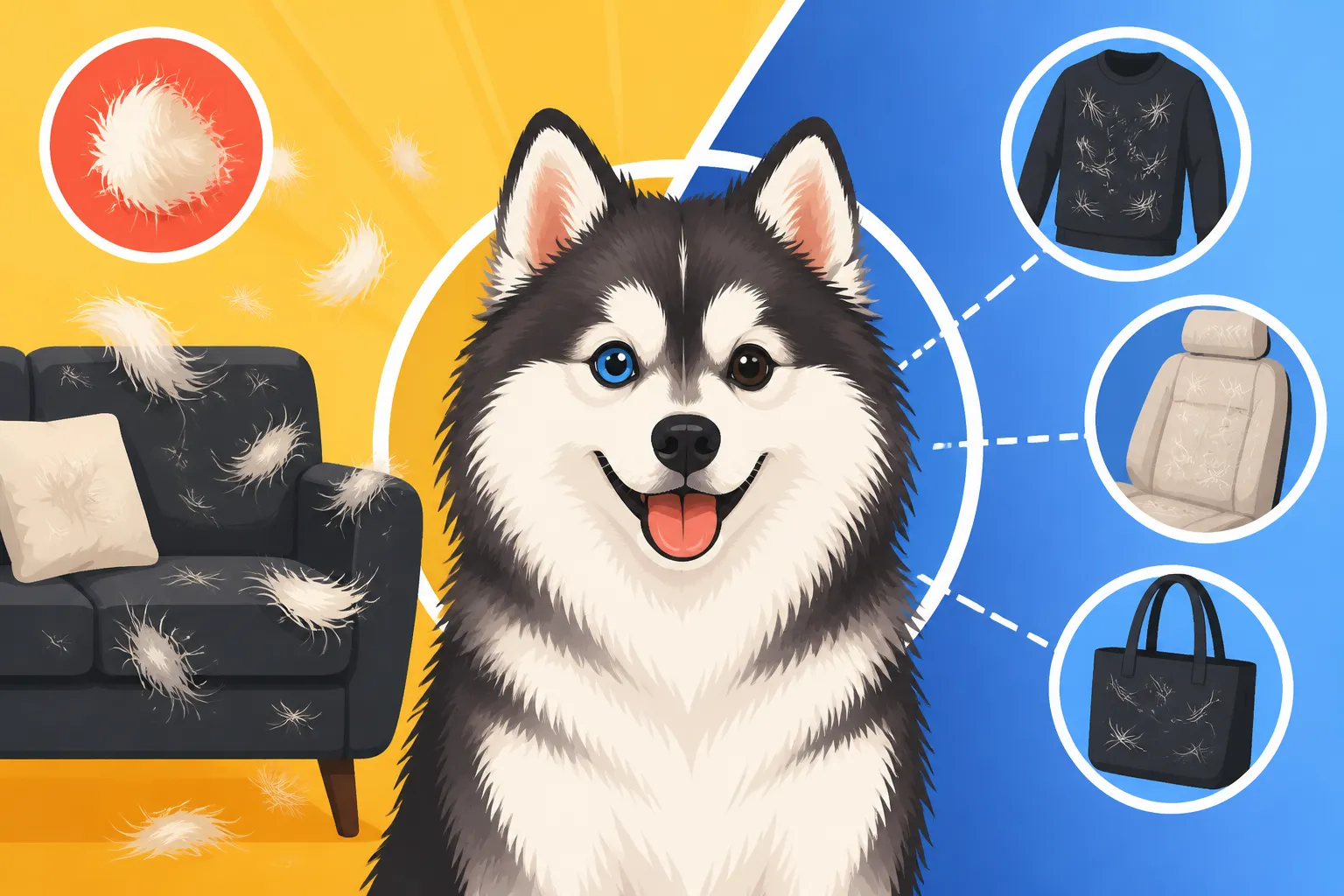
This is where the rubber meets the road, or rather, where the hair meets everything. Pomsky hair, especially the fine undercoat, is lightweight and often has a static charge, making it an expert at clinging. You'll find it:
- Woven into fabrics: Carpets, rugs, sofas, throw blankets, curtains – if it's fabric, the hair will find a way to become one with it. Dark colored clothes become unintentional showcases for light Pomsky fur, and vice versa. Trying to leave the house without a few strands clinging to you feels like an Olympic sport.
- Floating through the air: Those little tumbleweeds aren't just myths; they're a daily reality for many Pomsky owners. Especially when doors open, fans are on, or your Pomsky decides to zoom around the living room, fine hairs become airborne and settle on every surface.
- Clinging to electronics: Dust and dog hair form an unholy alliance on TV screens, computer monitors, and speaker grilles. You'll find yourself wiping these down far more often than you ever imagined.
- Even in your food (sometimes): Okay, this sounds dramatic, but if you've ever found a rogue hair in your morning coffee or on your dinner plate, you know the struggle is real. It's a rite of passage for many pet owners.
The sheer volume of hair that comes off during a major "blowout" can be truly astonishing. How Much Undercoat Comes Off a Pomsky can be enough to knit a small sweater, or at least feel like it. It's a constant battle, and it's easy to get frustrated when you feel like you just cleaned, and suddenly there's hair everywhere again.
Managing Hair on Different Surfaces
Dealing with Pomsky hair requires a multi-pronged approach, because what works for your hardwood floors won't work for your velvet couch. You need a toolkit of strategies:
- Flooring: For hard floors, a good quality broom with rubber bristles or an electrostatic mop can be surprisingly effective at gathering hair without just scattering it. For carpets, a powerful vacuum cleaner specifically designed for pet hair is non-negotiable. Look for models with strong suction and brush rolls that prevent tangles. Even better, many Pomsky owners swear by a robotic vacuum, which can run daily and dramatically reduce the accumulation of hair. Whether a Robot Vacuum Keeps Up With a Pomsky often depends on the model and how often it's run, but it can be a lifesaver.
- Upholstery and Fabric: Lint rollers are your best friend here, and you'll want to buy them in bulk from places like Amazon. Rubber gloves (the kind for dishwashing) can also work wonders – dampen them slightly and run your hand over fabric surfaces; the hair will ball up. For more ingrained hair, a specialized pet hair remover tool (often rubber or silicone) can scrape it right off.
- Clothing: Keep lint rollers by the door, in your car, and in your desk at work. A quick tumble in the dryer with a dryer sheet before wearing an item can also help loosen and collect hair. Consider investing in pet hair resistant fabrics for your everyday wardrobe, or at least having a designated "dog hair don't care" outfit for cuddle time!
- Car Interiors: This is often the biggest challenge. A good handheld vacuum with strong suction is essential. Rubber brushes or even a damp sponge can help lift hair from car mats and upholstery before vacuuming. Regular trips to a car wash with powerful vacuums can also help maintain sanity.
| Surface Type | Best Tool/Method | Frequency |
|---|---|---|
| Hard Floors | Rubber broom, electrostatic mop, robotic vacuum | Daily |
| Carpets/Rugs | High-power pet vacuum, robotic vacuum | Daily/Every other day |
| Upholstery/Fabric | Lint roller, rubber glove, pet hair removal tool | As needed (daily for sofas) |
| Clothing | Lint roller, dryer with dryer sheet | Before leaving house |
| Car Interior | Handheld vacuum, rubber brush, damp sponge | Weekly/Bi-weekly |
| Electronics | Microfiber cloth | Weekly |
Proactive Strategies for Minimizing Pomsky Hair Impact
While managing hair after it's shed is important, proactive measures are key to reducing the amount of hair that ends up sticking to everything in the first place. This means tackling the source: your Pomsky's coat itself.
Grooming as Your First Line of Defense
Regular and consistent grooming is the single most effective way to minimize Pomsky hair around your home. You need to remove the shedding hair before it has a chance to detach and spread.
- Brushing Schedule: During non-shedding periods, aim for 2-3 times a week with a good quality undercoat rake. This tool is designed to reach through the guard hairs and pull out loose undercoat without damaging the outer layer. Many Pomsky owners find The Undercoat Rake a Pomsky Owner Lives With becomes one of their most used possessions. During seasonal blowouts, you might need to brush daily, sometimes even twice a day, for weeks on end. You'll be amazed at How Often a Pomsky Needs Raking During a Blowout.
- Brushing Technique: Always brush in layers, getting down to the skin. Work systematically, section by section. Be gentle to avoid skin irritation.
- Bathing: Regular baths can also help loosen and remove dead undercoat, especially when followed by thorough brushing and drying. However, be mindful not to over-bathe, as this can strip natural oils. Using shampoos specifically formulated for double coats or de-shedding can be beneficial. After a bath, using a high-velocity dryer (like those available on Amazon) can blast out an incredible amount of loose hair, keeping it out of your home. Shampoos That Suit a Pomsky's Double Coat are typically moisturizing and gentle. Don't forget, How Many Baths a Year a Pomsky Needs will vary based on lifestyle, but usually every 4-8 weeks is a good guideline.
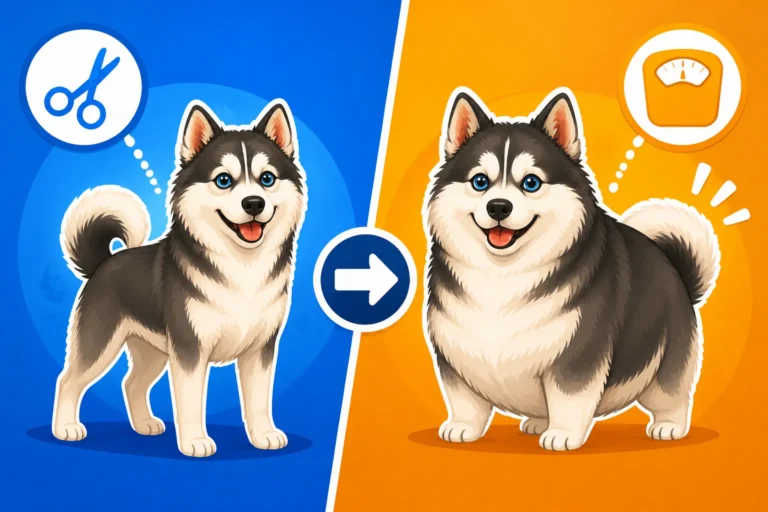
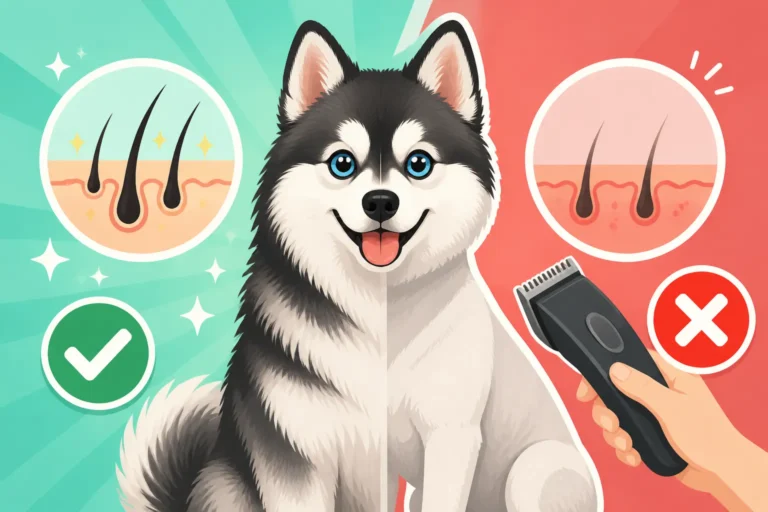
- Professional Grooming: During peak shedding seasons, consider professional grooming. A good groomer has powerful tools and techniques, including de-shedding treatments and high-velocity dryers, that can remove an astonishing amount of dead hair in one session, giving you a few weeks of respite. They can also advise on Whether a Pomsky's Coat Should Ever Be Trimmed, which is usually a hard no when it comes to shaving, as it can damage their double coat.
Diet and Hydration's Role in Coat Health
What goes into your Pomsky can significantly impact the health of their coat, and a healthier coat often sheds less or sheds healthier hair.
- High-Quality Food: Feed your Pomsky a high-quality, balanced diet. Look for foods with real meat as the first ingredient and avoid excessive fillers. A healthy diet contributes to strong hair follicles, which means less breakage and excessive shedding. Some owners opt for fresh food diets, like those offered by Ollie, believing the nutrient density supports healthier skin and coat. Others find excellent kibble options through retailers like Chewy.
- Omega Fatty Acids: Supplements containing omega-3 and omega-6 fatty acids (like fish oil) can do wonders for skin and coat health, reducing dryness and promoting a strong, shiny coat. Consult your vet before adding any supplements to ensure proper dosage.
- Hydration: Ensure your Pomsky always has access to fresh, clean water. Good hydration is crucial for overall health, including skin and coat condition. Dehydrated skin can lead to a dry, brittle coat that sheds more.
Household Tools and Cleaning Routines
Beyond direct grooming, creating a consistent cleaning routine and utilizing the right tools will make a world of difference in managing Pomsky hair.
- Regular Vacuuming: Make vacuuming a daily habit, especially in high-traffic areas or wherever your Pomsky spends the most time. Robotic vacuums are fantastic for maintaining this routine without much effort from you.
- Air Purifiers: While they won't stop hair from sticking to surfaces, air purifiers with HEPA filters can capture a significant amount of airborne pet dander and hair, improving air quality and potentially reducing allergy symptoms for sensitive family members. This can be especially helpful if you're concerned about Whether a Pomsky Suits a Household With Allergies.
- Designated Pet Areas: If possible, designate specific areas for your Pomsky's bed, blankets, and toys. By concentrating their hair in a few spots, you can target your cleaning efforts more effectively. Regularly wash pet bedding and blankets to remove accumulated hair and dander.
- Furniture Covers: Consider washable slipcovers or throws for your most loved furniture. These can be easily removed, shaken out outdoors, and tossed in the washing machine, saving your upholstery from direct hair contact. Amazon offers a wide range of stylish and practical options.
Living with Pomsky Hair: Embracing the Reality
Ultimately, owning a double-coated breed like a Pomsky means embracing the fact that hair will be a part of your life. It's a trade-off for their boundless personality, stunning looks, and loving companionship.
Setting Realistic Expectations
It's important to set realistic expectations. You will likely never have a completely hair-free home, no matter how diligent you are. There will always be a stray hair on your clothes, a faint dusting on your shelves, or a tumbleweed rolling across the kitchen floor like a tiny, furry tumbleweed. Obsessing over every single strand can lead to frustration and diminish the joy of having your Pomsky.
Instead of aiming for perfection, aim for management. With the right tools, consistent grooming, and a solid cleaning routine, you can significantly reduce the impact of Pomsky hair on your home and lifestyle. It becomes a part of the daily rhythm of dog ownership, much like feeding or walking.
The Benefits Outweigh the "Fuzz"
Despite the challenges of shedding, Pomsky owners overwhelmingly agree that the benefits of having these incredible dogs far outweigh the hairy inconvenience. Their playful antics, intelligent gazes, affectionate nature, and unique personalities bring immense joy and laughter into a home. They are curious, often vocal companions who bond deeply with their families.
So, while yes, a Pomsky's hair definitely sticks to everything, it's a small price to pay for the endless love, entertainment, and companionship these fluffy bundles of joy provide. With a little preparation and a good sense of humor, you can absolutely have a beautiful Pomsky and a comfortable, happy home, even if it comes with a few extra strands of fur as a constant reminder of the furry love in your life.
Disclaimer
This article is for general informational purposes only and does not constitute professional advice. Laws, prices and regulations vary by location and change over time. Consult a qualified professional for guidance on your specific situation.