How Often a Pomsky Needs Raking During a Blowout
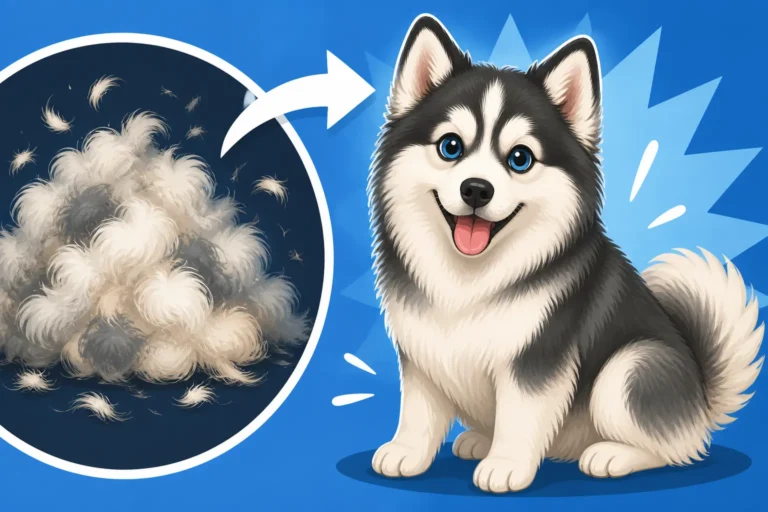
If you're a Pomsky owner, you know the shedding struggle is real. It's not just a little fur here and there; during a blowout, it can feel like your home is slowly being taken over by a fluffy, snowy landscape. Figuring out how often to tackle that dense undercoat with a rake can be utterly baffling, especially when the fur seems to come out in never-ending clumps. This guide will walk you through the nuances of managing your Pomsky's seasonal shedding, so you can keep your home (and your sanity) intact, and your furry friend comfortable and mat-free.
Understanding the Pomsky Blowout Phenomenon
Let's be honest, the first time your Pomsky truly "blows" its coat, it can be a shock. You might think your adorable, fluffy companion is somehow disintegrating before your very eyes. But this isn't a sign of ill health; it's a completely natural, if somewhat inconvenient, biological process for double-coated breeds like our beloved Pomskies. Understanding why it happens and what exactly is happening makes managing it much easier.
The Double Coat and Seasonal Shedding
Your Pomsky inherits that gorgeous, dense double coat from both its Siberian Husky and Pomeranian parents. This isn't just for show; it's a marvel of natural insulation. The outer layer, known as the guard hairs, is coarser and provides protection from water, dirt, and UV rays. Beneath that lies the thick, soft undercoat, which acts like a built-in down jacket, keeping them warm in winter and helping to regulate their temperature in summer. It’s truly fascinating how this coat works, offering insulation in both extremes, but it also means serious shedding.
During seasonal changes, particularly in spring as the weather warms, and again in autumn to prepare for winter, your Pomsky will "blow" its undercoat. This means the old, dead undercoat detaches from the skin to make way for a new, appropriate coat for the upcoming season. Think of it like shedding your winter parka for a lighter jacket, or vice-versa. The Pomsky That Carries a Husky Coat at Twenty Pounds gives you a deeper dive into this unique coat. It's not just a little hair; it's a massive release of fluffy insulation that, if not properly managed, can quickly turn into a furry disaster zone in your home and lead to discomfort and skin issues for your dog.
Identifying a Blowout
How do you know when a blowout is actually happening, versus just regular shedding? The signs are pretty unmistakable. First, you’ll notice a dramatic increase in the amount of loose fur around your house. We're talking tumbleweeds of dog hair floating across the floor, clinging to your clothes, and magically appearing in places you didn't even know existed. If you run your fingers through your Pomsky's coat, especially along their back, flanks, and hindquarters, you’ll feel a distinct "fluffiness" and easily pull out large handfuls of soft undercoat. It often looks duller, too, almost like it's lost its vibrancy because the dead hair is clouding it.
Another tell-tale sign is the appearance of "clumps" or "mats" of undercoat that have shed but are trapped by the guard hairs. These are prime candidates for becoming actual mats if not removed. You might even notice patches where the undercoat appears thinner as the old hair detaches. This process can last for several weeks, sometimes even a couple of months, depending on the individual dog, their environment, and the climate. It's a cyclical event, and most Pomskies go through this intense shedding phase at least twice a year, as detailed in Whether a Pomsky Blows Its Coat Twice a Year. When you see these signs, it's your cue to grab your grooming tools and get to work!
The Art of Raking: Tools and Technique
Dealing with a Pomsky blowout effectively comes down to having the right tools and knowing how to use them. It's not just about haphazardly pulling at fur; there's an art to it that ensures your dog stays comfortable and you get the most dead hair out. Without proper technique, you could be missing a lot of hair or, worse, causing irritation to your dog's sensitive skin.
Choosing the Right Undercoat Rake
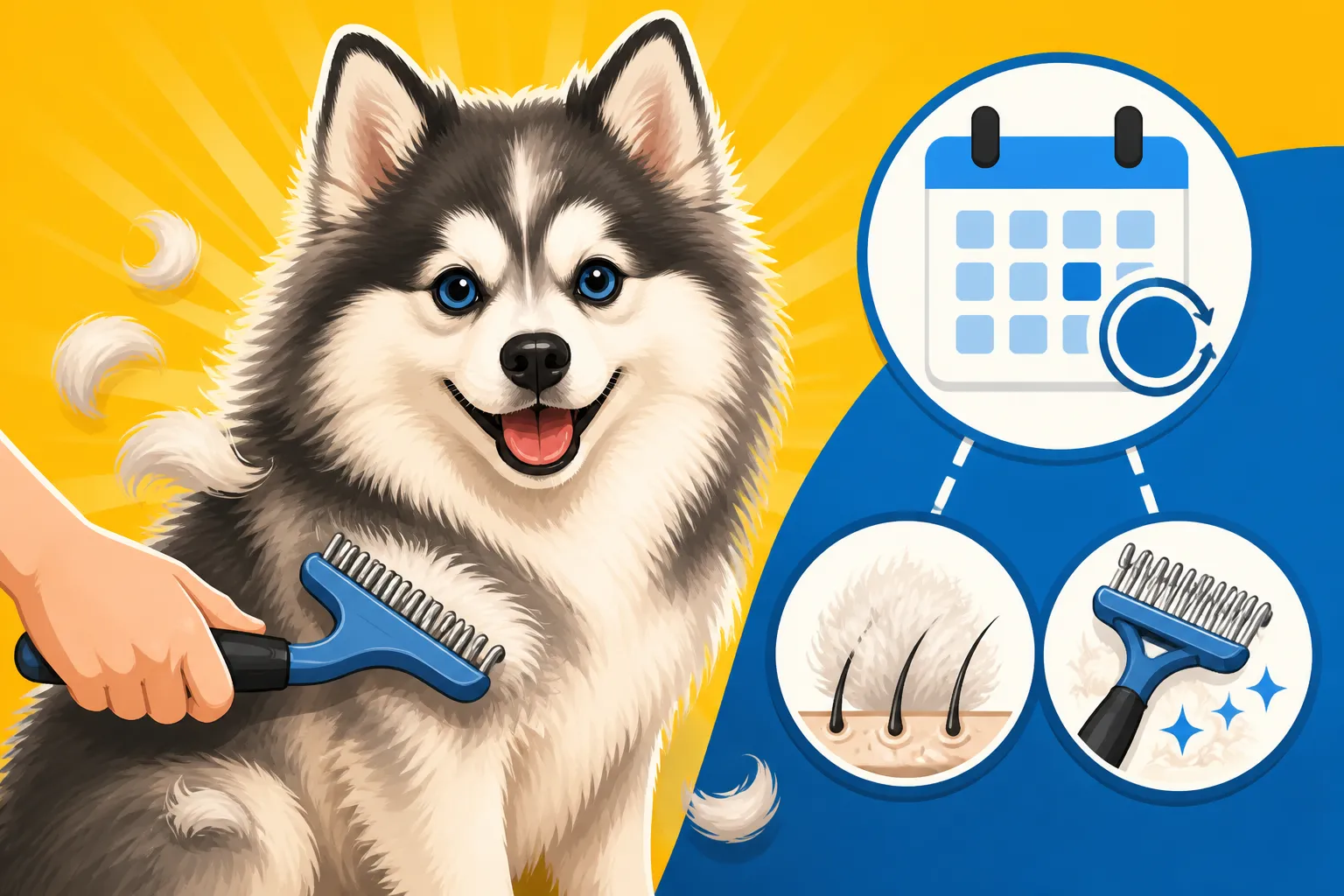
An undercoat rake is your secret weapon against the blizzard of fur. This isn't your average slicker brush or comb; it's specifically designed to penetrate the dense topcoat and grab the loose, fluffy undercoat without cutting or damaging the guard hairs. When you're looking for one, consider a few key features. You want sturdy, blunt teeth that are long enough to reach through the guard hairs to the skin, but not so sharp that they scratch. The spacing of the teeth can vary, with wider spacing often better for the initial heavy shedding, and finer spacing for a more thorough clean-up.
There are many great options out there. You can find excellent undercoat rakes on platforms like Amazon or at pet supply stores like Chewy. Look for models with an ergonomic handle, as you'll be spending a fair bit of time holding it during a blowout! Some popular types include the rake with a single row of widely spaced pins, or a de-shedding tool with a curved blade and finer teeth. While these specialized tools might seem like an investment, they are absolutely essential. As we discuss in The Undercoat Rake a Pomsky Owner Lives With, a good rake can make all the difference in keeping your Pomsky's coat healthy and managing the shedding.
Proper Raking Technique for Maximum Effectiveness
Once you have your rake, it’s time to get down to business. Patience and a gentle hand are key here.
- Start with a Clean, Dry Dog: Ideally, your Pomsky should be clean and completely dry. A damp coat can make the undercoat clump and become harder to remove. If your dog is dirty, a bath (and thorough drying, possibly with a force dryer as discussed in Drying a Pomsky to the Skin) should come first.
- Section by Section: Don't try to tackle the whole dog at once. Work in small sections, starting from the head or neck and moving backward. Use your free hand to hold the topcoat up and out of the way, exposing the undercoat beneath.
- Gentle Strokes: With the rake, use long, gentle strokes in the direction of hair growth. Don't press down hard; let the rake do the work of catching the loose fur. You should see a satisfying amount of fluffy undercoat coming out with each stroke. If you hit resistance, don't yank. Stop, try a different angle, or check for a potential mat.
- Listen to Your Dog: Pay attention to your Pomsky's body language. If they seem uncomfortable, you might be pulling too hard or hitting a sensitive spot. Make it a positive experience with treats and praise.
- Focus on Dense Areas: Pay extra attention to areas where the undercoat is densest: the ruff around the neck, the back, the hindquarters, and the "pantaloons" on their back legs. These are often where the most hair collects and mats tend to form.
- Regular Breaks: Especially at the beginning of a blowout, your Pomsky (and your arm!) might need breaks. A short session done well is better than a long, frustrating one.
Remember, the goal is to remove the loose undercoat that's ready to come out, not to pull at healthy hair. Consistency with this technique will make a huge difference in reducing the fur floating around your home and preventing painful mats.
How Often is "Enough" Raking During a Blowout?
This is the million-dollar question for any Pomsky parent battling a blowout! There’s no single answer that fits every dog, as each Pomsky will shed a little differently based on their specific coat type, environment, and individual genetics. However, we can break down a general rhythm that tends to work wonders. The intensity of raking should directly correlate with the intensity of the shedding.
The Initial Surge: Tackling the First Wave
When you first notice those tell-tale signs of a blowout – the sudden increase in fur, the fluffiness, the loose clumps – it's time to go into full-on grooming mode. During this initial surge, the amount of dead undercoat detaching is at its peak. This is when daily, or even twice-daily, raking sessions can be incredibly beneficial.
Think of it like clearing a clogged drain: you need to aggressively remove the initial blockage to get things flowing smoothly again. Daily, focused sessions of 10-15 minutes (or longer if your dog is tolerant) will help you remove the bulk of the loose undercoat. This immediate action prevents the shed hair from becoming tangled with the live hair, which is the primary cause of painful matting. If you neglect this crucial first phase, you'll find yourself fighting a much bigger battle later on. Even just a quick five-minute sweep over their back and hindquarters each day can make a massive difference in preventing the problem from escalating.
Maintaining Through the Peak: Adjusting Frequency
As the blowout progresses and you've removed the initial massive量を of loose fur, you'll find that the amount of hair coming out with each session might slightly decrease, but it's still significant. This is the "peak" phase, and it can last for several weeks. During this time, you might be able to scale back your raking frequency slightly, perhaps to every other day or 2-3 times a week, depending on how much hair you're still pulling out.
The key here is observation. If you rake your Pomsky one day and pull out a huge pile of fur, then you know you need to rake again soon. If the next session yields less, you might be able to stretch it to another day. It’s a dynamic process. Some Pomskies, especially those with particularly dense or "woolly" coats (like those discussed in The Wooly Pomsky Coat and Its Upkeep), might require more frequent attention throughout the entire blowout period. Don't be surprised if some days feel like you're grooming a new dog! Consistency, even if it's not strictly daily, is paramount to keep the undercoat from building up and causing discomfort.
Here's a general guideline for adjusting raking frequency during a blowout:
| Blowout Phase | Signs to Look For | Recommended Raking Frequency |
|---|---|---|
| Initial Surge | Heavy clumps of fur, visible fluff, easily pulled out | Daily or twice daily for 1-2 weeks |
| Peak Shedding | Still significant amounts of fur, but slightly less than initial | Every 1-2 days, or 3-4 times a week, for 2-4 weeks |
| Tapering Off | Less fur coming out, coat feels smoother, fewer new tangles | 2-3 times a week, then gradually back to maintenance routine |
| Maintenance | Minimal shedding, coat feels healthy | Weekly or bi-weekly for general upkeep |
Tapering Off: When the Fur Storm Subsides
Eventually, the fur storm will begin to subside. You'll notice that your raking sessions, while still yielding some loose hair, won't produce the literal mountains of fur they did at the beginning. This is your cue to start tapering off the frequency of your dedicated blowout raking.
You can gradually reduce your sessions to 2-3 times a week, then to once a week, eventually returning to your regular maintenance grooming schedule. Even outside of a full blowout, Pomskies do shed year-round, as mentioned in Whether a Pomsky Sheds All Year as Well, so regular brushing is always a good idea. The goal is to catch the last remnants of the shedding undercoat and ensure the new coat is coming in healthy and strong. Don't stop entirely just because the worst is over; a thorough weekly rake can still prevent minor matting and keep your Pomsky's coat in prime condition until the next seasonal event.
Common Raking Mistakes and How to Avoid Them
Even with the best intentions, it's easy to make a few missteps when raking your Pomsky's coat. Avoiding these common mistakes will not only make the grooming process more effective but also much more pleasant for your dog (and for you!). Remember, grooming should be a bonding experience, not a battle.
Over-Raking vs. Under-Raking: Finding the Balance
One of the biggest dilemmas is figuring out if you're doing too much or too little.
Under-raking is probably the more common issue for new Pomsky owners. If you're not raking frequently enough during a blowout, or not being thorough in your sessions, you're leaving a lot of dead undercoat trapped in your dog's fur. This leads to a host of problems:
- Matting: The shed undercoat, if not removed, will tangle with itself and the guard hairs, forming dense, painful mats. These mats can pull on the skin, cause hot spots (as the skin can't breathe), and become breeding grounds for bacteria. If your Pomsky still feels "puffy" or has visible clumps after a grooming session, you're likely under-raking.
- Overheating: The trapped undercoat can prevent proper air circulation, making it harder for your Pomsky to regulate their body temperature, especially in warmer weather.
- Messier Home: More loose fur stays on your dog, which means more fur ends up on your furniture, floors, and clothes. What a Pomsky's Shedding Does to a House is a great read if you want to understand the full impact.
Over-raking, on the other hand, can be just as problematic, though less common. This typically happens when people are too aggressive or use the wrong tool.
- Skin Irritation: Raking too hard, too often, or with a rake that has sharp teeth can scratch or irritate your Pomsky's skin, leading to redness, tenderness, or even abrasions.
- Damage to Guard Hairs: While undercoat rakes are designed to protect guard hairs, overly aggressive use can still cause breakage or damage, affecting the overall health and appearance of the coat.
- Removing Healthy Undercoat: The goal is to remove dead undercoat. If you're raking excessively beyond what's shedding, you might start pulling out healthy undercoat, which can impact your dog's insulation and protection.
The balance lies in being thorough but gentle, and adjusting frequency based on the actual amount of shed hair you're removing. If your dog resists, or you see irritation, ease off and reassess your technique or tools.
Dealing with Matting and Tangling
If you find existing mats, it's important to address them before extensive raking. Trying to rake through a mat will only pull on your dog's skin and cause pain.
- Never Cut a Mat with Scissors: This is a golden rule! It's incredibly easy to accidentally cut your dog's skin, which can be thin and delicate under a mat.
- Work Through Gently: Use a detangling spray and your fingers or a wide-toothed comb to try and gently tease the mat apart. Start from the outside edges of the mat and work your way inward, picking at it rather than pulling.
- Use a Mat Splitter (with caution): For very stubborn mats, a mat splitter tool can be effective, but use it with extreme care. Follow the instructions and always keep the blade away from the skin.
- Professional Help: If mats are severe or too close to the skin, please, please, please take your Pomsky to a professional groomer. They have the expertise and tools to remove mats safely, even if it means shaving certain areas. Trying to do it yourself could cause serious injury. Whether a Pomsky Mats at All delves further into this topic.
Incorporating Other Grooming Tools
While the undercoat rake is a superstar during a blowout, it's part of a larger grooming arsenal. Don't forget these complementary tools:
- Slicker Brush: Great for general detangling and smoothing the topcoat, especially after raking has removed the bulk of the undercoat. It also helps to pick up any remaining loose hairs near the surface.
- Pin Brush: Excellent for longer coats, to gently brush through the guard hairs without pulling too much. It can help distribute natural oils and give the coat a polished look.
- Steel Comb: After raking, use a fine-toothed steel comb to check for any missed tangles or smaller mats, particularly in sensitive areas like behind the ears, under the legs, and on the tail. If the comb glides through without snagging, you've done a good job!
- Force Dryer (High-Velocity Dryer): This is a game-changer during a blowout. A force dryer not only dries your Pomsky quickly after a bath but also literally "blasts" out loose undercoat. It can significantly reduce the amount of time you need to spend raking and is highly effective. You can find excellent force dryers on Chewy or Amazon. Whether a Force Dryer Is Essential for a Pomsky explains why many Pomsky owners swear by them.
By using these tools in conjunction with your undercoat rake, you can achieve a truly effective and comprehensive grooming routine, ensuring your Pomsky's coat remains healthy, comfortable, and beautifully maintained through every shedding season.
Disclaimer
This article is for general informational purposes only and does not constitute professional advice. Laws, prices and regulations vary by location and change over time. Consult a qualified professional for guidance on your specific situation.