What a Pomsky’s Shedding Does to a House
If you've ever dreamt of owning a Pomsky, you've likely envisioned that adorable, fluffy face. What many prospective owners don't fully grasp until they're knee-deep in it is the sheer volume of hair these charming little dogs can produce. It’s a common frustration to find Pomsky hair seemingly everywhere, from clinging to your freshly laundered clothes to subtly enhancing your morning coffee. This comprehensive guide will prepare you for the reality of living with a shedding Pomsky and equip you with practical strategies to manage the furry invasion in your home.
The Ubiquity of Pomsky Hair: Where It Lands and How It Travels
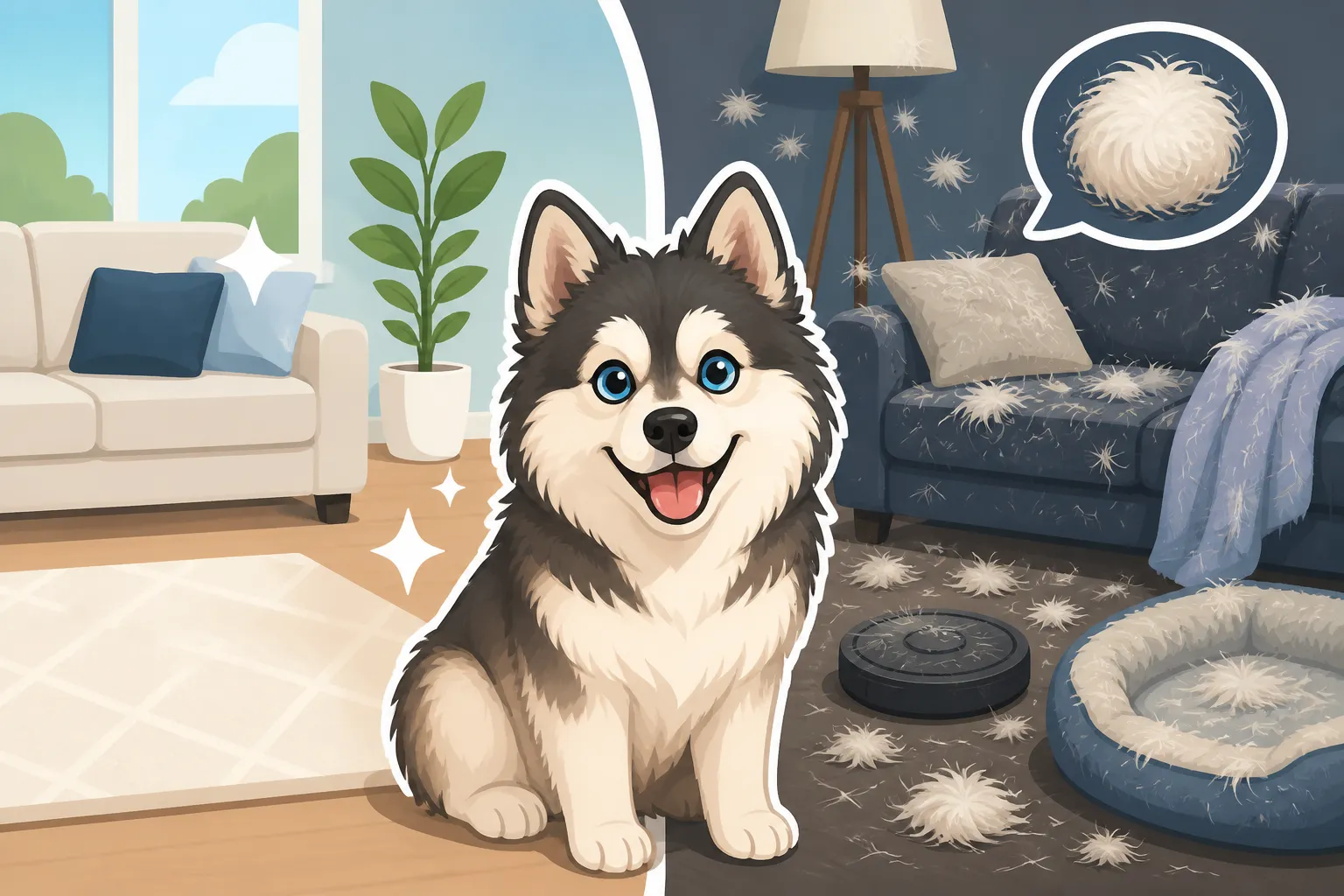
Let's be honest, living with a Pomsky means living with hair. It's not just on the floor; it becomes an integral part of your household's ecosystem. Many owners, especially those new to double-coated breeds, are genuinely surprised by the relentless nature of this shedding. It’s a unique challenge, because while a large breed like a Husky sheds, a twenty-pound Pomsky can produce a disproportionate amount of fluff for its size, making it feel like a constant, uphill battle.
Clinging to Furniture and Fabrics
One of the first places you’ll notice your Pomsky’s hair is on your furniture. Whether it’s your plush sofa, your favorite armchair, or even decorative throw pillows, the hair finds a way to embed itself deep within the fibers. Dark fabrics will highlight lighter Pomsky hair, and vice-versa, making any color choice a potential showcase for their shedding. It's not just surface-level dust bunnies; it's a deep-seated fuzz that laughs in the face of a quick wipe with a hand. This means regular vacuuming of upholstery isn't just a suggestion; it's a necessity, often requiring specialized attachments designed to pull embedded pet hair from textiles. You might find yourself rethinking your pristine white duvet cover if your Pomsky is allowed on the bed, as that soft undercoat has a magical ability to cling.
Infiltrating Your Wardrobe and Personal Items
Then there’s the personal invasion. You’ve just pulled on a clean pair of pants, and within minutes, a ghostly outline of your Pomsky's presence appears. This is a daily reality for Pomsky owners. Their fine, soft undercoat, combined with the slightly coarser guard hairs, adheres to clothing like a magnet. It doesn't discriminate between silk shirts and denim jeans. You might find yourself lint-rolling before leaving the house, then again when you arrive, and possibly a third time before an important meeting. Beyond clothing, you’ll discover strands in your backpack, on your laptop keyboard, and sometimes even in your hairbrush. It feels like a silent, furry protest against your desire for a hair-free existence, and it certainly highlights the need for effective laundry strategies and maybe even a dedicated 'Pomsky-only' zone for certain items.
Floating and Settling: An Ever-Present Cloud
Perhaps the most insidious aspect of Pomsky shedding is its ability to become airborne. Imagine sunlight streaming through a window, illuminating a glittering ballet of fine hairs dancing in the air. This isn't just an aesthetic observation; this hair eventually settles. It lands on countertops, accumulates in corners, and forms small tumbleweeds that roll across hard floors. You might wipe down a surface only to find a fresh layer of dust and hair an hour later. This airborne particulate can be particularly frustrating for those with allergies, as it constantly circulates. Using air purifiers with HEPA filters becomes less of a luxury and more of a strategic defense against this pervasive fluff, helping to capture some of the floating hair before it settles or gets inhaled.
Understanding the Pomsky's Double Coat: Why It Sheds So Much
The reason for this seemingly endless supply of hair lies in the Pomsky's heritage. Both the Siberian Husky and the Pomeranian, the parent breeds, are renowned for their magnificent, dense double coats. When you combine those genetics, you get a small dog with an impressive capacity for hair production, often described as The Pomsky That Carries a Husky Coat at Twenty Pounds. It's truly a marvel of natural insulation, but it also means a constant cycle of shedding.
The Role of Guard Hairs and Undercoat
A double coat consists of two distinct layers, each serving a vital purpose. The outer layer is made up of longer, coarser "guard hairs." These are waterproof and protect the dog from external elements like rain, snow, and UV rays. They also give the coat its primary color and texture. While guard hairs do shed, they do so less frequently and are generally more manageable because of their length and texture.
Beneath the guard hairs lies the dense, soft, woolly "undercoat." This is the real culprit behind the majority of the shedding you'll experience. The undercoat acts as insulation, keeping the dog warm in winter and cool in summer by trapping air. This layer is incredibly thick and plentiful, and it’s designed to be shed and regrown seasonally, as well as on an ongoing basis. It’s this soft, fluffy undercoat that creates those infamous "dust bunnies" and clings so tenaciously to everything.
Genetic Predisposition from Parent Breeds
The Pomsky inherits its double coat from both the Siberian Husky and the Pomeranian. Huskies are famous for their ability to thrive in Arctic conditions, thanks to their incredibly thick, insulating coats. Pomeranians, despite their small size, also boast a luxurious double coat that stands off from their body. These genetic predispositions mean a Pomsky is hardwired to have a high-shedding coat.
It’s not a flaw; it's a feature of their breed design, intended for protection and temperature regulation. However, for the indoor pet owner, it translates into a continuous battle against flying fur. Understanding this biological reality can help reframe the shedding from a frustration into a natural process that simply requires consistent management, rather than something you can ever truly eliminate. It's a reminder that a Pomsky is not a low-maintenance shedding breed, despite its often smaller stature.
Seasonal Blowouts: The Hair-pocalypse Twice a Year
If daily shedding is a constant drizzle, seasonal blowouts are the monsoon. Twice a year, typically in spring and fall, your Pomsky will undergo a significant coat change, known as "blowing coat." This is when the intensity of shedding reaches its peak, and it can feel like your dog is literally disintegrating into a pile of fluff right before your eyes. It’s a natural process, but one that requires a serious commitment to grooming and cleaning.
The Duration and Intensity of a Blowout
A Pomsky's seasonal blowout usually occurs over a period of several weeks, sometimes even stretching to a couple of months. During this time, the dog sheds an enormous amount of its undercoat to adapt to the changing temperatures. In spring, they shed their thick winter coat to prepare for warmer weather, and in fall, they shed their lighter summer coat to make way for a denser winter layer. The Months a Pomsky Blows Its Coat are usually predictable, but individual dogs can vary.
The intensity can be staggering. You'll literally be able to pull out handfuls of soft, fluffy undercoat with minimal effort. Brushing becomes a full-time job, and you might fill an entire grocery bag with hair after just a few grooming sessions. It's not uncommon to find clumps of hair detaching from your dog as they walk, leaving a trail of their presence wherever they go. This period often feels overwhelming, leading many owners to seek professional grooming assistance during these peak shedding times.
What to Expect During This Period
During a blowout, every surface in your home will likely become a fuzzy landing strip. Your clothes will be covered, your floors will be carpeted in fur, and even your refrigerator might sprout a new coat. It’s a time when you truly learn the meaning of dedication to grooming. Expect to increase your brushing frequency dramatically – from daily to even twice daily, if possible. Investing in a high-velocity dryer, like those available on Amazon, can make a huge difference, literally blasting the loose undercoat out of your dog's fur, often outside where the hair can dissipate.
You'll also notice your Pomsky might look a bit scraggly or patchy in places as the old coat gives way to the new. This is normal and nothing to be concerned about. The key is to be consistent with your grooming and cleaning routine. This is the period when many Pomsky owners truly appreciate the effectiveness of a good undercoat rake, which is essential for getting down to the skin and removing the dead, shedding undercoat efficiently. How Much Undercoat Comes Off a Pomsky during this time is truly impressive.
Daily Shedding: It's Not Just Seasonal
While the seasonal blowouts are dramatic, it's important to remember that Pomskies are not "off-season" when it comes to shedding. They are constant, year-round shedders, albeit at a lower intensity than during their blowouts. This daily shedding contributes to the background hum of hair management that is simply part of living with a Pomsky. It's the subtle, insidious accumulation that, if not addressed, can quickly turn into a significant hairy problem.
The Constant Hair: A Daily Reality
Even outside of a blowout, a Pomsky is continuously losing hair. This means a daily sweep or vacuum of your floors isn't an occasional chore; it's a non-negotiable part of your routine. The hair isn't necessarily coming out in large clumps, but rather individual strands that gradually accumulate on surfaces, under furniture, and in corners. It's the kind of shedding that you might not notice immediately but becomes glaringly obvious when you run your hand across a dark surface or see it gather into small balls on your hardwood floors.
This constant shedding also means that protective measures, like covers for furniture and beds, are always a good idea. Many owners opt for washable throws or slipcovers that can be easily removed and laundered to capture the daily shedding. It truly highlights the fact that living with a Pomsky means embracing a certain level of hair, and building routines around it.
Differing by Coat Type: Wooly vs. Standard
Interestingly, the amount and type of daily shedding can vary slightly depending on your Pomsky's specific coat type. While all Pomskies are double-coated, there are generally two main categories: standard and wooly.
- Standard Coat: This is typically a moderate-length double coat, similar to that of a Husky, with a denser undercoat and coarser guard hairs. Dogs with a standard coat will shed consistently year-round, with the guard hairs being more noticeable in the daily shed, alongside the finer undercoat. This type of coat is generally easier to maintain than a wooly coat, but still requires diligent brushing.
- Wooly Coat: Some Pomskies inherit a longer, softer, and much denser coat, often referred to as a "wooly" coat. This type tends to have an even more profuse undercoat and longer guard hairs. While beautiful, wooly-coated Pomskies can shed significantly more, and their longer, finer undercoat is more prone to matting if not brushed daily. The sheer volume of hair shed by a wooly Pomsky can be quite a surprise, and they definitely demand more intensive grooming. You might find that a wooly Pomsky mats more easily, making regular maintenance even more critical.
Regardless of the coat type, the message is clear: regular grooming is the frontline defense against your Pomsky's daily hair dispersion.
Practical Strategies for Hair Management: Tools and Routines
Successfully managing your Pomsky's shedding isn't about eliminating it – that's impossible – but about controlling it. It requires a combination of the right tools, consistent routines, and a proactive mindset. Think of it as a partnership with your dog: you provide the grooming, and they provide the fluff.
Essential Brushing Tools and Techniques
The cornerstone of any effective shedding management plan is consistent brushing. You'll need a few key tools to tackle both the guard hairs and the dense undercoat:
- Undercoat Rake: This is your MVP. An undercoat rake has long, widely spaced teeth designed to penetrate the topcoat and pull out loose undercoat without damaging the guard hairs. Use it by gently raking through the coat in the direction of hair growth, starting from the neck and working your way down. You'll be amazed at the piles of fluff this tool can extract, especially during a blowout. The Undercoat Rake a Pomsky Owner Lives With is not an exaggeration.
- Slicker Brush: A slicker brush has fine, wire bristles clustered closely together. It's excellent for removing loose hair from the topcoat, smoothing the fur, and breaking up minor tangles. Use it after the undercoat rake to finish the coat and capture any remaining loose hairs.
- Pin Brush: A pin brush, with its widely spaced metal pins, is good for general grooming, especially on longer-coated Pomskies. It helps to detangle and remove larger debris from the coat.
- Force Dryer: While not a brush, a high-velocity dryer is an invaluable tool for double-coated breeds. It literally blasts the loose undercoat out of the dog's fur with air, making deshedding much more efficient than brushing alone, especially after a bath. If you don't have one, consider investing in one from Amazon or Chewy, as Whether a Force Dryer Is Essential for a Pomsky often comes down to how much you value your time and effort.
Aim for daily brushing, even if it's just a quick 10-15 minute session, especially during shedding seasons. This prevents mats and keeps the amount of loose hair in your home to a minimum.
Bathing and Deshedding Treatments
Regular bathing plays a crucial role in shedding management. A good bath helps to loosen dead hair and prepares the coat for a thorough deshedding session.
- Deshedding Shampoos and Conditioners: There are many specialized shampoos and conditioners available, often containing ingredients like omega fatty acids, designed to strengthen hair follicles and aid in the release of dead undercoat. Follow the product instructions carefully.
- The "Wash and Blow" Method: After shampooing and conditioning, towel-dry your Pomsky as much as possible. Then, use your high-velocity dryer (on a cool or low-heat setting) to dry the coat completely while simultaneously blowing out the loose undercoat. This is often done outdoors or in a designated grooming area because the amount of hair that flies off can be substantial.
- Professional Grooming: For many owners, especially during intense blowouts, professional deshedding treatments are a lifesaver. Groomers have powerful tools and techniques to efficiently remove large quantities of undercoat, which can provide weeks of relief. They can also ensure your dog is completely dry to prevent skin issues.
Remember, How Often a Pomsky Should Be Bathed depends on their activity level and coat condition, but over-bathing can strip natural oils, so aim for a balance.
Dietary Considerations for Coat Health
While diet won't stop shedding, a healthy diet can contribute to a healthier coat, potentially reducing excessive breakage and improving overall hair quality.
- High-Quality Dog Food: Ensure your Pomsky is eating a complete and balanced diet, appropriate for their age, size, and activity level. Look for foods with real meat as the first ingredient and a good balance of fats and proteins.
- Omega Fatty Acids: Supplements like fish oil (omega-3 and omega-6 fatty acids) can improve skin health and coat luster. A healthy skin barrier is crucial for strong hair follicles. Consult your vet before adding any supplements to your dog's diet. Some premium dog food brands, including those found on Chewy or fresh food services like Ollie, already incorporate beneficial fatty acids into their formulas, which can naturally support a healthy coat. While it won't stop shedding, it might lead to less brittle hair that breaks off easily.
Cleaning and Home Maintenance: Living with the Fluff
Even with the most diligent grooming routine, some Pomsky hair will inevitably make its way into your home. This is where your cleaning arsenal and a consistent home maintenance strategy come into play. It's about adapting your living space to accommodate your furry friend.
Vacuuming Strategies for Pet Hair
A regular household vacuum might struggle with the fine, clinging nature of Pomsky hair. Investing in a vacuum specifically designed for pet hair is a game-changer.
- Specialized Pet Vacuums: Look for models with strong suction, brush rolls designed to prevent tangling, and HEPA filters to capture fine dander and hair. Upright, canister, or robotic vacuums, such as those often reviewed on Amazon, each have their pros and cons. A good robot vacuum can help maintain daily tidiness, picking up surface hair, but you'll still need a more powerful machine for deeper cleaning and upholstery.
- Frequency: Daily vacuuming, especially in high-traffic areas and on carpeted surfaces, is non-negotiable during peak shedding seasons. For hard floors, a daily sweep or dry mop can prevent hair from accumulating into larger clumps.
- Attachments: Utilize crevice tools and upholstery attachments to get into tight spaces, under furniture, and on fabric surfaces where hair loves to hide. These are essential for tackling the hair that embeds itself deep within your sofa cushions.
Air Purifiers and Filters
As mentioned earlier, Pomsky hair doesn't just sit there; it floats. This is where air purification becomes a valuable addition to your home.
- HEPA Filters: Air purifiers with true HEPA filters are designed to capture microscopic particles, including pet dander and fine hairs, from the air. Placing them in rooms where your Pomsky spends the most time, or where family members are sensitive to allergens, can make a noticeable difference in air quality.
- HVAC Filters: Regularly changing your HVAC system's air filters (and opting for higher MERV ratings if your system can handle it) can also help trap airborne pet hair and dander, preventing it from recirculating throughout your home. This helps keep your ductwork cleaner too, and reduces the overall dust and hair accumulation.
Laundry and Fabric Care
Pomsky hair on clothes is a given, but there are ways to minimize its impact.
- Pre-Wash Shake/Brush: Before putting clothes into the washing machine, give them a good shake outdoors or use a lint roller to remove as much hair as possible. This prevents hair from clogging your washing machine filter or transferring to other garments.
- Dedicated Pet Laundry Items: Consider having separate laundry baskets and washing cycles for pet-related items like dog beds, blankets, and towels. This minimizes the spread of hair to your family's clothing.
- Dryer Sheets: Adding a dryer sheet to the dryer can help loosen pet hair from fabrics and reduce static cling, which often makes hair stick more. After the cycle, don't forget to clean your lint trap – you'll likely be amazed by the amount of Pomsky hair it captures.
Comparison of Cleaning Tools for Pomsky Hair
To help visualize your arsenal, here's a quick comparison of essential tools for combating Pomsky hair in your home:
| Tool Type | Primary Function | Best For | Pros | Cons |
|---|---|---|---|---|
| Pet Vacuum Cleaner | Deep cleaning carpets, hard floors, upholstery | Embedded hair, large areas, general floor cleaning | Powerful suction, specialized attachments, often includes HEPA filter | Can be bulky, requires manual effort, initial cost |
| Robot Vacuum | Daily maintenance, surface hair pickup | Hard floors, low-pile carpets, maintaining tidiness | Automated, convenient, keeps hair accumulation down | Less effective on deep carpets, can get stuck, requires emptying daily |
| Lint Rollers | Quick removal of surface hair from fabric | Clothing, small upholstery areas, quick touch-ups | Portable, inexpensive, instantly removes hair | Rollers fill up quickly, ongoing cost of refills |
| Rubber Brooms/Brushes | Gathering hair from carpets and hard floors | Carpets (lifts embedded hair), large hard floor areas | Good for pulling embedded hair, easy to clean | Can be tiring to use on large carpets, doesn't capture fine dust |
| Microfiber Cloths | Wiping down surfaces, trapping dust and hair | Countertops, furniture, shelves, electronic screens | Attracts and holds dust/hair, washable, versatile | Not effective on embedded hair, requires frequent washing |
| Air Purifier | Removing airborne hair, dander, allergens | Rooms where pets spend time, bedrooms, allergy sufferers | Improves air quality, reduces settling hair | Doesn't clean surfaces, ongoing filter replacement cost |
Remember, no single tool is a magic bullet. A multi-pronged approach combining regular grooming, specialized cleaning tools, and consistent home maintenance is the most effective way to live harmoniously with your shedding Pomsky.
The Long-Term Reality of Living with a Pomsky
Embracing a Pomsky means embracing their hair. It’s part of the package, and honestly, for most owners, it’s a small price to pay for the joy and companionship these wonderful dogs bring. The goal isn’t to eliminate hair entirely, but to manage it so it doesn't overwhelm your home and life. A clean home with a Pomsky will always have a little bit of dog hair in it – and that’s perfectly okay. It's a sign of a loved, happy, and well-integrated family member.
Adapting Your Lifestyle
You'll quickly learn to adapt. Choosing furniture fabrics that are easier to clean, like leather or tightly woven microfibers, can reduce the battle against embedded hair. Keeping a lint roller by the door becomes second nature. You might even find yourself developing a strange sense of pride in the elaborate "hair sculptures" your robot vacuum creates. This journey is about accepting the natural characteristics of your chosen breed and finding peace in the fluff. For many, the unique charm and personality of a Pomsky far outweigh the challenges of their prolific shedding.
The Value of a Comprehensive Approach
Ultimately, managing your Pomsky's shedding successfully hinges on a comprehensive approach. It’s not just one brushing session or one vacuuming spree. It’s the consistent, daily effort that makes the biggest difference. Regular grooming prevents matting and reduces the amount of loose hair circulating. Diligent cleaning keeps your living spaces comfortable and hygienic. And a proactive mindset, understanding that some hair will always be present, helps maintain your sanity.
Remember, the shedding is a natural biological process for your Pomsky, a testament to their healthy coat. By arming yourself with the right knowledge, tools, and routines, you can conquer the hair challenge and enjoy the incredible experience of sharing your home with these unique and beloved dogs. Whether a Pomsky's Hair Sticks to Everything is often a resounding yes, but with the right strategies, it doesn't have to define your home.
Disclaimer
This article is for general informational purposes only and does not constitute professional advice. Laws, prices and regulations vary by location and change over time. Consult a qualified professional for guidance on your specific situation.