Whether Road Salt Hurts a Pomsky’s Pads
Winter walks with your energetic Pomsky can be a magical experience, full of snow zoomies and crisp air. However, beneath that picturesque scene lies a very real and often painful threat to your furry friend: road salt. Many of us don't realize the severe damage this common de-icer can inflict on delicate paw pads, leading to discomfort, cracking, and even infection. This guide is here to shed light on exactly how road salt harms your Pomsky's paws and, more importantly, equip you with the knowledge and tools to keep those tiny toes safe and healthy all season long.
The Harsh Reality of Winter Walks and Road Salt
That salty crunch underfoot might seem innocuous, but for your Pomsky's paw pads, it's akin to walking barefoot on sharp, chemical-laden gravel. Their paws, designed for natural terrain, are incredibly vulnerable to the corrosive and abrasive nature of ice melt products. It's a problem many of us only fully understand once our beloved companion starts limping or licking their paws raw after a seemingly routine outing.
Why Road Salt is So Damaging to Pomsky Paws
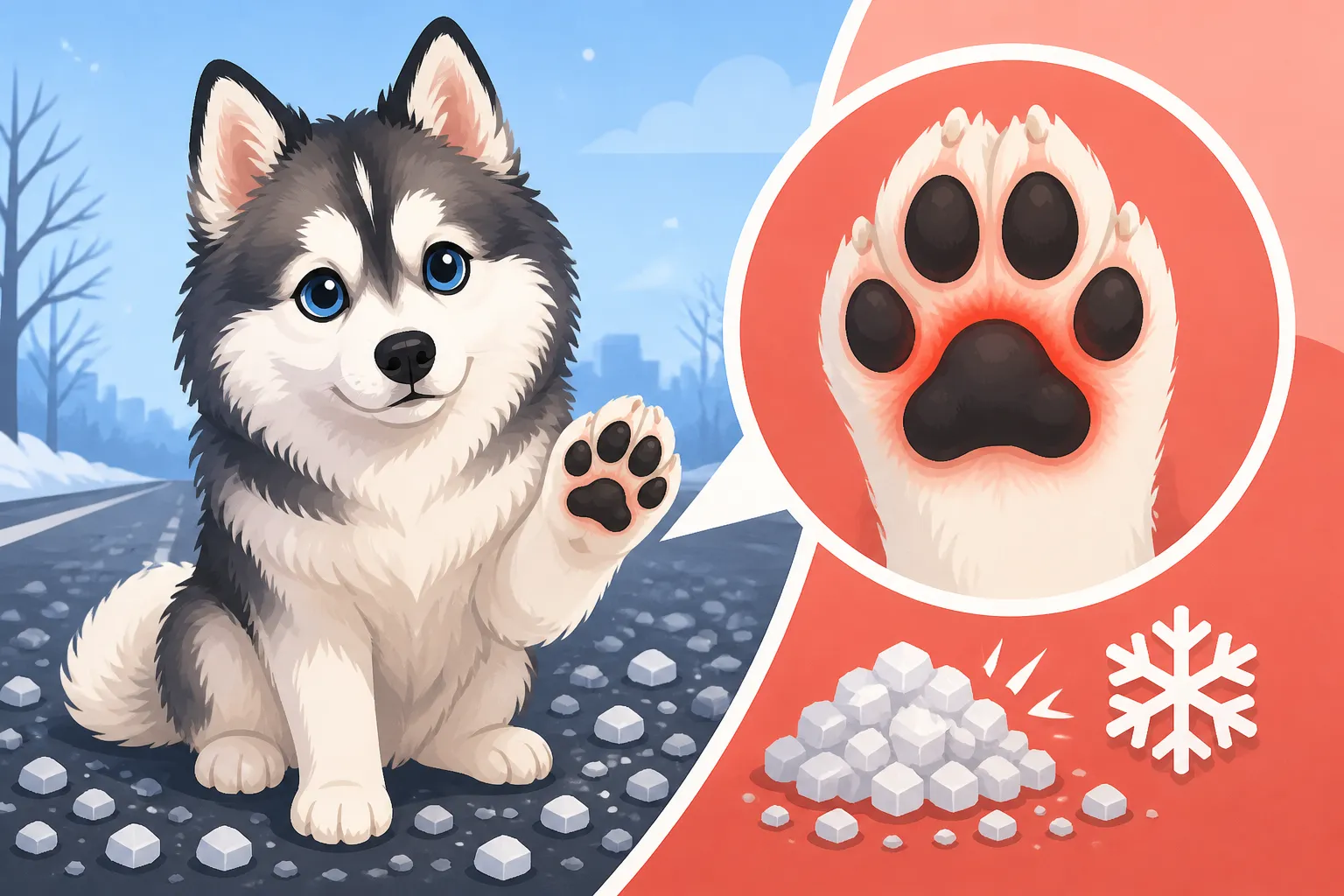
Road salts aren't just one thing; they're a mix of various chemicals, and each brings its own brand of discomfort to your Pomsky's sensitive paw pads. Sodium chloride, the most common variety, works by lowering the freezing point of water, but it's also incredibly drying. Think of how your own skin feels after contact with saltwater – now imagine that amplified and applied to a delicate surface constantly exposed to the elements. Calcium chloride and magnesium chloride, often used because they work at lower temperatures, are even more corrosive. They generate heat upon contact with water, which can cause chemical burns on unprotected paws, leading to blistering and severe pain.
Beyond the chemical irritation, the crystals themselves are physically abrasive. As your Pomsky prances through the snow and ice, these sharp particles can cut and scrape the paw pads, creating tiny lesions. These micro-injuries then become entry points for bacteria, further increasing the risk of infection. While your Pomsky boasts a magnificent double coat that provides excellent insulation for their body – truly The Pomsky That Carries a Husky Coat at Twenty Pounds is built for cooler weather – their paws lack this dense protection, leaving them directly exposed to these harsh elements. It's a frustrating paradox where their winter-ready coat can't help where it's needed most.
Recognizing the Signs of Salt-Induced Paw Irritation
It's crucial to be vigilant, as our Pomskies can be incredibly stoic, or their playful nature might mask early signs of discomfort. However, there are several tell-tale indicators that road salt is taking its toll. The most obvious is excessive licking or chewing of the paws after a walk. If your Pomsky starts obsessively gnawing at their feet, it’s a clear signal of irritation, trying to soothe the burning or itching sensation.
You might also notice them favoring a paw, lifting it frequently, or even outright limping. The pads themselves may appear red, inflamed, or cracked. In more severe cases, you could see blistering, bleeding, or even open sores. The skin between their toes might look irritated, flaky, or have a crusty appearance. Sometimes, the irritation extends beyond just the pads; if they're licking their paws and then grooming their body, the salt residue can transfer, leading to skin irritation elsewhere. A keen owner will start to notice these changes quickly, realizing that the short stroll down the street has left their furry friend in pain.
Essential Protective Measures for Your Pomsky's Paws
Preventing road salt damage is far easier and kinder than treating it. Fortunately, there are several practical steps you can take to create a protective barrier between your Pomsky's delicate paws and the harsh winter environment. These measures are simple to implement and can make a world of difference in your dog's comfort and health during the colder months.
The Power of Paw Balms and Waxes
One of the easiest and most effective ways to protect your Pomsky's paws is by applying a dedicated paw balm or wax. These products work by creating a protective, invisible barrier over the paw pads, shielding them from the drying and corrosive effects of road salt, ice, and cold temperatures. They're typically made with natural ingredients like beeswax, shea butter, and various oils, which not only protect but also moisturize, preventing cracking and chapping.
Applying paw balm should become a regular part of your winter routine. Before heading out for a walk, simply scoop a small amount onto your fingers and gently massage it into each paw pad and even between the toes. Don't forget to get the balm deep into any crevices where salt crystals might hide. It creates a subtle, waxy layer that repels moisture and salt. You can find excellent options from popular pet retailers like Chewy or readily available brands on Amazon. The key is consistency; make it a habit every time you go out, just like putting on your own coat. Some Pomskies might be a little hesitant at first, not used to the sensation, but with gentle handling and perhaps a tasty treat as a reward, they usually come to tolerate it well.
Considering Protective Dog Boots for Pomskies
For the ultimate protection against road salt, ice balls, and freezing temperatures, dog boots are truly unbeatable. While some dogs take to them like a fish to water, others, particularly the more spirited and opinionated Pomskies, might stage a dramatic protest. However, if your Pomsky will tolerate them, boots offer a complete physical barrier that balms simply can't match, especially if you live in an area with heavy salt use or extremely cold conditions.
When choosing boots, focus on fit and material. They need to be snug enough not to slip off, but not so tight that they restrict circulation. Look for waterproof materials with good traction on the soles. Many brands offer different sizes, so measure your Pomsky's paws carefully. Introducing boots requires patience: start by putting one boot on indoors for a few minutes, rewarding heavily. Gradually increase the time and number of boots, eventually trying short walks outside. Your Pomsky might do a comical high-step dance at first, but with persistence, most will adapt. Just make sure the boots are secure, as a Pomsky can be quite the escape artist, and you don't want to lose a boot mid-walk. It's a small investment that can save a lot of discomfort.
Quick and Effective Post-Walk Paw Care
Even with balms or boots, some salt residue can still find its way onto your Pomsky's paws or legs. This is why a diligent post-walk routine is absolutely critical. The goal is to remove any salt, chemicals, or ice from their paws immediately upon returning indoors, preventing them from licking it off and potentially ingesting harmful substances.
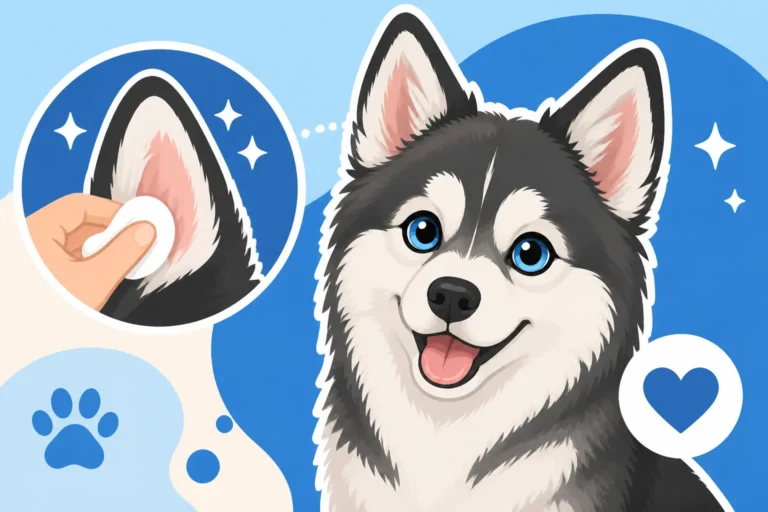
Keep a designated "paw cleaning station" by your door. A small basin of lukewarm water, a soft cloth, or a paw-cleaning tool works perfectly. Simply dip each paw into the water, gently swish, and wipe away any residue. For dogs that resist the basin, a damp cloth or pet-safe paw wipes will do the trick. Pay special attention to cleaning between the toes and around the nails. After cleaning, it's vital to thoroughly dry their paws. Leaving moisture between the pads can lead to skin irritation, fungal infections, or frostbite in extreme cold. A quick toweling off, ensuring every bit is dry, helps maintain healthy skin. This routine is simple, takes only a minute or two, and is one of the most impactful things you can do to protect their paw health throughout the winter. It’s also a great time to check their pads for any issues, almost like a mini daily health check.
Long-Term Paw Health and Prevention Strategies
Beyond immediate protection, a holistic approach to your Pomsky's paw health will serve them well year-round, making them more resilient when winter rolls around. Just like with any aspect of their well-being, consistency and attention to detail are key to preventing problems before they start.
Regular Paw Inspections and Maintenance
Healthy paws start with regular maintenance. Make it a habit to inspect your Pomsky's paws frequently, especially after walks, but even just a quick check while they're relaxing on the couch. Look for any cuts, cracks, redness, swelling, or foreign objects like small pebbles or thorns lodged between their pads. Pay attention to their nails; How Often a Pomsky's Nails Need Cutting is a crucial part of paw health. Overgrown nails can alter their gait, put pressure on their joints, and are more prone to tearing, which is incredibly painful.
Equally important is trimming the hair that grows between their paw pads. This often-overlooked step is particularly critical for double-coated breeds like Pomskies. Excess hair can collect ice balls, snow, dirt, and, yes, even road salt, acting like tiny sponges that hold irritants against their skin. It also makes them more prone to slipping on smooth surfaces. Gently using blunt-nosed scissors or a small electric trimmer to keep this hair flush with the pads can significantly reduce winter woes. Many owners find that learning whether a Pomsky's feet need trimming makes a huge difference in their dog's comfort.
Dietary Support for Healthy Paws
What goes into your Pomsky's bowl can also play a significant role in the health and resilience of their skin and paws. A diet rich in essential nutrients supports a strong skin barrier, which is the first line of defense against environmental irritants. Look for dog foods that include omega-3 and omega-6 fatty acids, often derived from fish oil, flaxseed, or salmon. These healthy fats are crucial for skin hydration and elasticity, making paw pads less prone to cracking.
If your Pomsky's diet doesn't provide enough of these, or if they have persistently dry or cracked paws, you might consider a supplement. Many high-quality fish oil supplements are available, often found on Chewy or even directly from fresh food providers like Ollie. Whether a Pomsky Needs Fish Oil is a common question, and for paw health, the answer is often yes! Biotin and zinc are other micronutrients vital for skin and coat health. While most commercial dog foods contain these, some dogs, particularly Pomskies with their Husky lineage, can be prone to zinc deficiency, which manifests as skin and paw issues. Whether a Pomsky Needs Extra Zinc is worth discussing with your vet if you notice persistent paw problems.
Advocating for Pet-Friendly De-Icers in Your Community
Beyond individual efforts, there's a larger conversation to be had about community safety for our pets. Many municipalities and businesses use conventional road salts without realizing the widespread harm they cause to animal paws, wildlife, and even local ecosystems. As pet owners, we can be advocates for change.
Consider reaching out to your local government, homeowners' association, or even local businesses to encourage the use of pet-friendly de-icing alternatives. Products that use propylene glycol (often found in pet-safe antifreeze), beet juice extracts, or even plain sand or sawdust can be effective at melting ice or providing traction without the harsh chemicals. While these options might be slightly more expensive, the benefits to local pets and the environment are invaluable. Organizing with other pet owners in your community can amplify your voice and make a real difference in creating safer winter walking environments for all our furry friends.
Common Misconceptions and Troubleshooting
It's easy to fall into certain traps or assume things about our Pomskies, especially concerning their perceived toughness. Addressing these misconceptions head-on can help ensure you're providing the best possible care for their precious paws.
"My Pomsky's Paws Are Tough, They'll Be Fine" – Why That's Not True
This is a common thought process, especially for owners of active, seemingly robust breeds. You might see your Pomsky bounding through snow and assume their paws are invincible. Unfortunately, this couldn't be further from the truth. While dog paws are certainly more resilient than human feet, they are still living tissue susceptible to damage from extreme conditions and corrosive chemicals. The notion that "all dogs have tough paws" is a dangerous generalization.
A Pomsky's paw pads, while built for some outdoor activity, are not designed to withstand concentrated industrial chemicals or the abrasive texture of sharp salt crystals day in and day out. Continuous exposure can lead to dried-out, cracked pads, which are not only painful but also lose their natural protective qualities. They become more prone to injury and infection. Think of it this way: your hands might be tough enough for gardening, but you wouldn't dip them in bleach without gloves. Road salt is no different for your Pomsky's paws. Being proactive with protection, even if your Pomsky seems unfazed in the moment, is a far wiser approach than waiting for visible damage to occur.
When to See the Vet for Paw Problems
While many mild irritations can be managed at home with diligent cleaning and balms, there are definite red flags that indicate a trip to the veterinarian is necessary. Don't hesitate if you notice any of these signs, as prompt professional attention can prevent more serious complications.
You should contact your vet if your Pomsky:
- Exhibits persistent limping or refuses to put weight on a paw. This could indicate a deep cut, chemical burn, or even a fractured toe.
- Has deep cracks or open sores on their paw pads. These are prime entry points for bacteria and can quickly become infected.
- Shows signs of infection: swelling, redness, warmth to the touch, pus, or a foul odor emanating from the paw.
- Is in obvious pain when you touch their paws or tries to bite you when you inspect them.
- Has blisters or burns on their pads, especially if you know they've been exposed to certain types of de-icers.
- Develops a persistent rash or skin irritation that doesn't improve with home care, even after being off the salt.
Your vet can accurately diagnose the issue, prescribe appropriate medications (like antibiotics for infection or pain relief), and offer professional wound care. They might also recommend specific paw balms or dietary supplements if they identify an underlying issue. It's always better to be safe than sorry when your beloved Pomsky's comfort is at stake.
Here's a quick comparison of common paw protection methods:
| Method | Pros | Cons | Best For |
|---|---|---|---|
| Paw Balms/Waxes | Easy to apply, moisturizes, good for mild conditions | Less protection against sharp ice/deep cold, needs reapplication | Light salt, chapped paws, overall paw health |
| Dog Boots | Maximum protection, prevents ice balling | Some dogs resist, can be bulky, requires good fit | Heavy salt, extreme cold, sharp ice/debris |
| Post-Walk Rinse | Removes irritants, prevents ingestion | No protection during the walk, requires consistency | Essential for all methods, mild exposure |
| Trimming Paw Hair | Prevents ice/salt accumulation, improves traction | Requires regular maintenance, some dogs dislike grooming | All seasons, especially critical in winter |
Disclaimer
This article is for general informational purposes only and does not constitute professional advice. Laws, prices and regulations vary by location and change over time. Consult a qualified professional for guidance on your specific situation.