Whether Snow Balls Up in a Pomsky’s Feet
If you're a Pomsky owner, you've probably experienced the moment of dread as your furry friend dances through fresh snow, only to come back with giant, uncomfortable clumps of ice packed between their paw pads. This guide is here to tackle that chilly frustration head-on, offering practical tips and a deeper understanding of why snow becomes such a nuisance for our beloved miniature Huskies.
The Frustrating Reality of Snow Balling on Pomsky Paws
Winter wonderland walks are a joy for many Pomskies, who often inherit a love for snow from their Siberian Husky lineage. They'll roll, pounce, and tunnel through the white stuff with boundless energy. However, this fun can quickly turn into discomfort and even pain when snow and ice begin to accumulate, forming stubborn, painful ice balls between their toes and paw pads. It’s a common issue that leaves many owners scratching their heads, wondering how to make winter outings more enjoyable for their spirited companions.
Why Snow and Ice Cling to a Pomsky's Feet
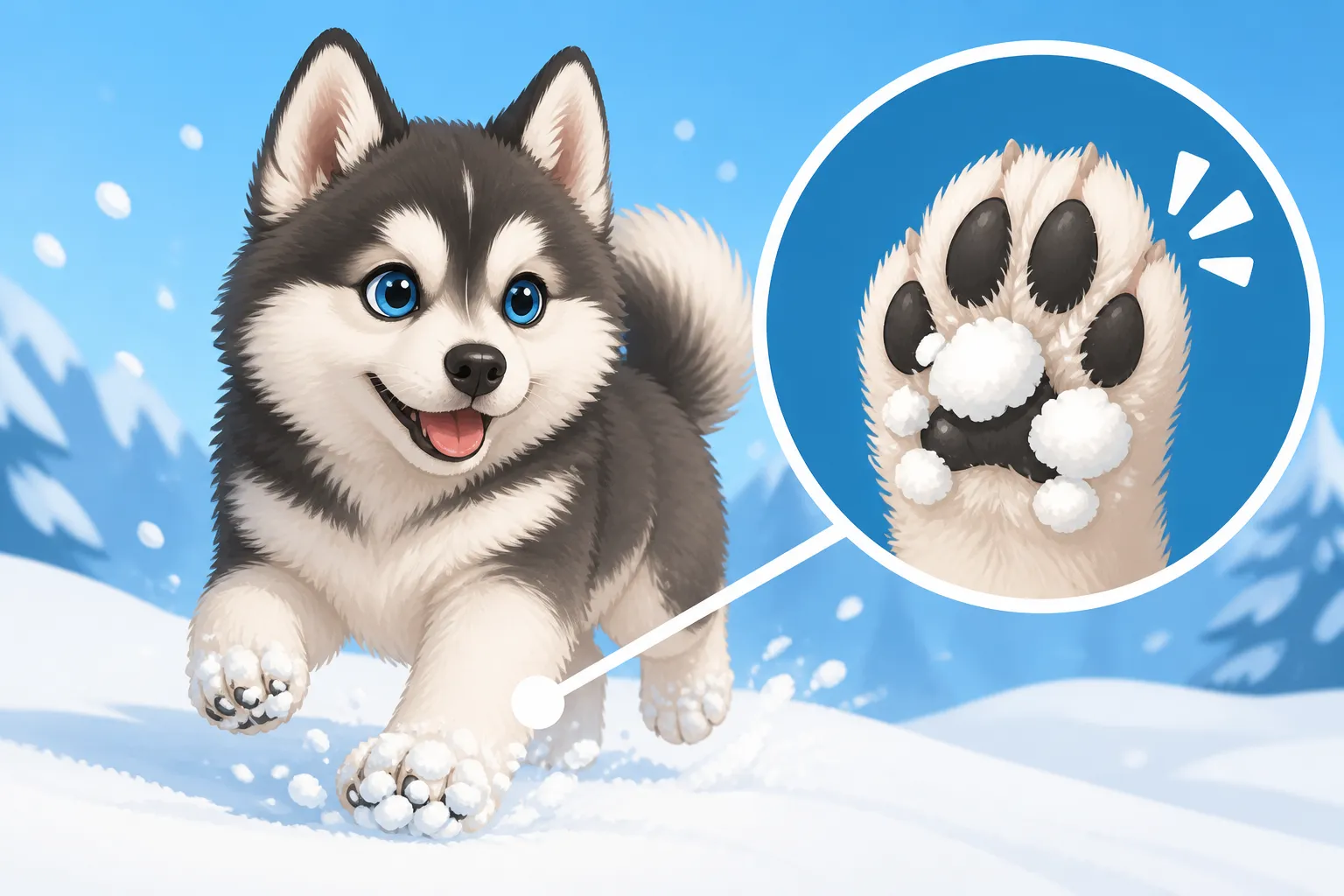
The primary culprit behind snow accumulation on a Pomsky's paws is their magnificent double coat, combined with the unique structure of their feet. Unlike some breeds with very short, coarse fur, Pomskies often have significant feathering or longer hair growing between their paw pads. This hair acts like a magnet for snow. As your Pomsky steps, snow gets pushed into these furry crevices. The warmth from their body and the friction of walking cause the outer layer of snow to melt slightly, then refreeze around the hair, forming compact, icy masses. It's a cruel trick of nature, designing a dog for cold weather but not quite accounting for the precise mechanics of snow sticking to fur.
Think about it: their Husky ancestors traversed vast, open snowy plains, but perhaps not as much through powdery, sticky snow or through areas where snow accumulates densely between toes from constant, playful interaction. The sheer density of a Pomsky's undercoat, even on their feet, is a factor. When they run and play, their paws generate heat, causing a thin layer of snow to melt, which then quickly refreezes into ice around the fur, building up layer by layer. It's like a snowball effect, quite literally, and it can grow surprisingly large, interfering with their natural gait and causing them considerable irritation.
The Discomfort and Dangers of Ice Balls
These seemingly innocent ice balls are far more than just an inconvenience. They can lead to significant discomfort and pose several health risks for your Pomsky. As the ice builds up, it pulls at the fur, creating a constant, irritating tugging sensation. Imagine tiny ice cubes wedged between your toes, constantly being pressed and pulled with every step – that’s what your Pomsky is enduring. This can cause them to limp, skip, or even refuse to walk, cutting short your winter adventures.
Beyond the immediate pain, these ice balls can lead to more serious problems. The constant pressure and friction can cause raw spots, abrasions, or even cracks in their delicate paw pads. When combined with the harsh chemicals often used to de-ice sidewalks and roads, such as rock salt or calcium chloride, these minor injuries can become painful sores or infections. De-icers are not just irritating; they can be toxic if ingested when your Pomsky licks their paws, making prevention and immediate after-walk care absolutely crucial. In severe cases, prolonged exposure to extreme cold and ice can even lead to frostbite on their paw pads, though this is less common in a breed adapted to cold, it's still a risk for unprotected paws. Owners must be vigilant, especially during longer outings or in very harsh conditions. You want to make sure your dog's paws are healthy, which ties into their overall well-being, including things like Dental Disease in a Pomsky's Crowded Mouth which needs regular attention too.
Essential Preparations Before Winter Walks
Winter walks with your Pomsky can be incredibly rewarding, offering mental and physical stimulation even when the weather is chilly. However, these outings require a bit more foresight and preparation than a simple summer stroll. Getting your Pomsky ready before you even step outside can make all the difference in preventing discomfort and potential injury from snow and ice.
Proactive Grooming to Minimize Snow Buildup
One of the most effective ways to combat snow balling in your Pomsky's feet is proactive grooming, specifically trimming the hair between their paw pads. This isn't just about aesthetics; it's about functionality and comfort in cold weather. Longer hair between the pads provides more surface area for snow to cling to and melt into, accelerating the formation of those dreaded ice balls.
To do this safely, you'll want a good pair of blunt-nosed scissors or small, quiet electric clippers designed for pet grooming. Gently spread your Pomsky's toes and carefully trim the excess hair so it's flush with the pads. Be incredibly cautious not to cut the paw pads themselves or the webbing between the toes, as these areas are very sensitive and prone to bleeding. If your Pomsky is squirmy or you're nervous about doing it yourself, don't hesitate to ask a professional groomer. They have the experience and specialized tools to perform a "paw-dicure" safely and efficiently. Regular trimming, perhaps every few weeks during the winter season, will keep the hair short and reduce the snow's ability to cling. This kind of thoughtful grooming is part of the larger picture of maintaining The Pomsky That Carries a Husky Coat at Twenty Pounds, ensuring they are comfortable and healthy year-round.
Protective Measures: Balms and Boots
Once the paw hair is trimmed, the next line of defense is applying a protective barrier. Paw balms are fantastic for creating a wax-like shield on the pads, which helps prevent snow and ice from sticking. These balms also moisturize the pads, protecting them from drying out and cracking in the cold, dry air. Products available through retailers like Chewy or Amazon often contain natural waxes like beeswax, creating a hydrophobic layer. Simply rub a generous amount onto each paw pad and between the toes before your walk. It creates a slippery surface that makes it harder for snow to adhere.
For even more robust protection, especially if you live in an area with heavy snow, icy conditions, or frequent use of road salt, dog boots are an excellent option. While some Pomskies might initially resist wearing them, with patience and positive reinforcement, most will adapt. Look for boots that are durable, waterproof, and have good traction. Ensuring the right fit is crucial; boots that are too loose can fall off, and those that are too tight can restrict circulation or cause rubbing. Measure your Pomsky's paws carefully and check sizing guides. Boots offer a complete barrier against snow, ice, and harsh chemicals, giving you peace of mind during your winter excursions. If your Pomsky struggles with boots, remember consistency and treats are your friends! Consider the overall winter needs of your Pomsky, as these protective measures are just as important as knowing Whether a Pomsky Needs a Coat in Winter.
After-Walk Care: Melting Away the Winter Woes
The moment you step back inside after a snowy walk, your job isn't quite done. The post-walk routine is just as vital as pre-walk preparations to ensure your Pomsky's paws remain healthy and happy. Ignoring this step can lead to prolonged discomfort, skin irritation, and even infections, undoing all your good work in grooming and protection.
Gentle Removal of Snow and Ice
As soon as you come indoors, make it a priority to remove any lingering snow or ice from your Pomsky's paws. The quickest and gentlest method is often to use a bowl of lukewarm (not hot!) water and a soft towel. Submerge each paw briefly in the water; the warmth will quickly melt away any stubborn ice balls without causing pain or pulling on the fur. Avoid trying to yank or pull off ice clumps, as this can rip out hair and injure the sensitive skin.
After melting the ice, thoroughly dry your Pomsky's paws and the fur between their toes with a towel. This step is critical because leaving moisture trapped in the fur can lead to skin irritation, fungal infections, or uncomfortable matting. Pay special attention to the deep crevices. If you have a high-velocity dryer, a low, cool setting can be fantastic for ensuring complete dryness, similar to how groomers prevent issues like Hot Spots Under a Pomsky's Undercoat by thoroughly drying their dense double coats. Make this a positive experience with praise and treats, so your Pomsky associates it with comfort rather than a chore.
Inspecting for Injuries and Irritations
Once the paws are clean and dry, take a moment to carefully inspect them. Gently spread each toe and examine the paw pads and the skin between them. Look for any signs of redness, swelling, cuts, cracks, blisters, or tenderness. Pay close attention to any areas where snow or ice may have been particularly stubborn. You might spot irritation from road salt or tiny nicks from sharp ice.
If you find any minor cuts or abrasions, clean them gently with a mild antiseptic solution and apply a pet-safe soothing balm or ointment. For more significant injuries, deep cracks, excessive limping, or signs of infection (like pus or severe swelling), it’s always best to consult your veterinarian. They can properly assess the injury and recommend appropriate treatment to prevent further complications. Being vigilant about paw health, especially in winter, helps prevent painful problems and keeps your Pomsky ready for their next adventure. For more information on preventing common winter-related paw issues, consider reading Whether Road Salt Hurts a Pomsky's Pads. This careful inspection is an important part of your overall What a Pomsky Needs Daily care routine.
Here’s a quick overview of paw protection options:
| Feature | Paw Balm | Dog Boots |
|---|---|---|
| Primary Benefit | Prevents snow/ice adhesion, moisturizes | Complete physical barrier |
| Protection Type | Topical coating, skin conditioning | Full coverage against elements, chemicals |
| Ease of Use | Generally very easy to apply | Can take time to accustom dog, fitting is key |
| Cost | Relatively inexpensive | Varies, can be a moderate initial investment |
| Durability | Needs reapplication, wears off | Dependent on material and dog's activity |
| Best For | Light snow, general moisture protection | Heavy snow, ice, road salt, harsh conditions |
| Comfort | Natural feel | Some dogs may dislike the sensation initially |
Disclaimer
This article is for general informational purposes only and does not constitute professional advice. Laws, prices and regulations vary by location and change over time. Consult a qualified professional for guidance on your specific situation.