Whether a Pomsky Sleeps Outside in Winter
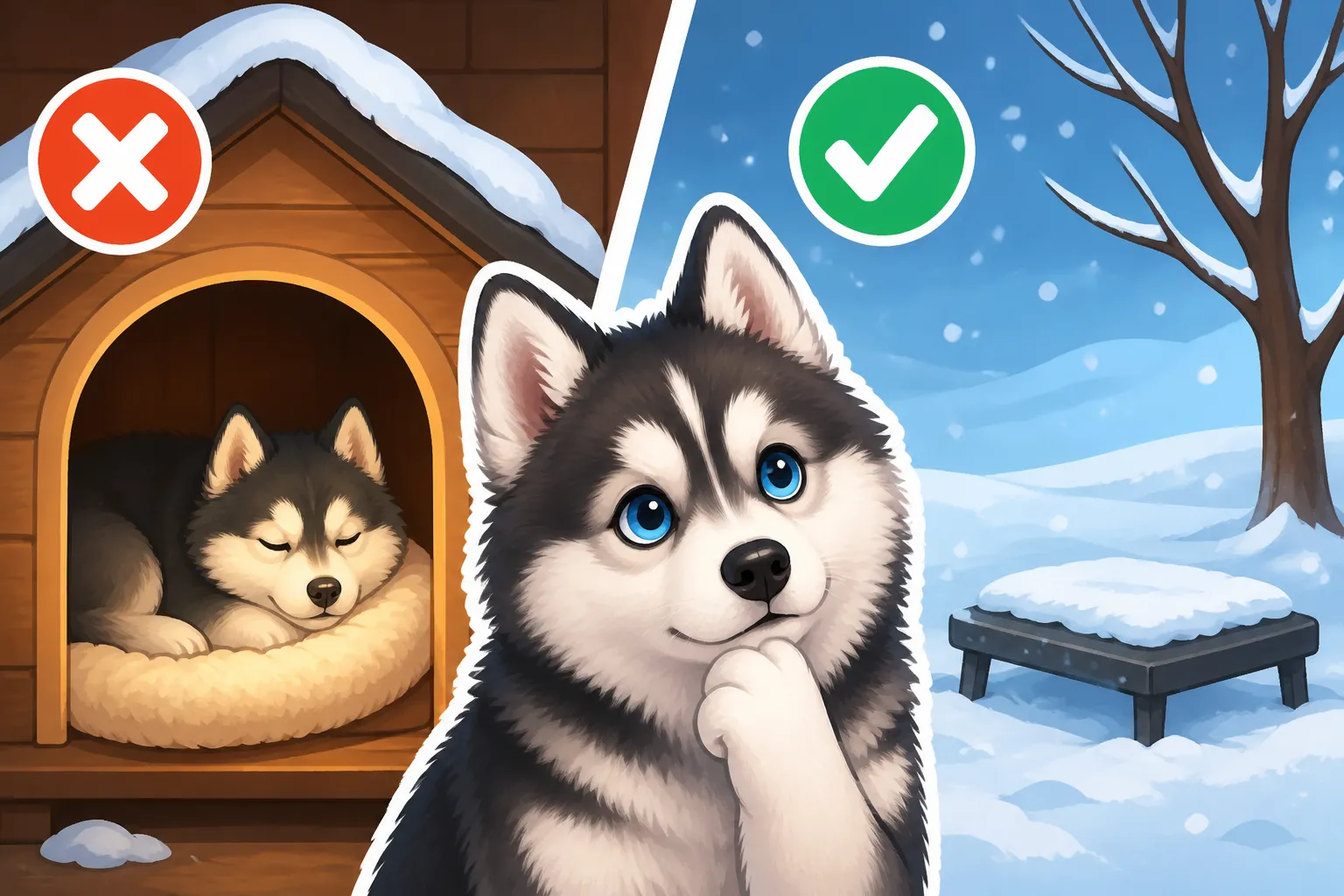
It’s a common thought process, isn't it? You look at your Pomsky, with their thick, fluffy coat, and think, "They've got Husky in them, surely they can handle a little winter chill outside." But that assumption can be dangerously misleading, and the reality is far more nuanced. This guide will walk you through why leaving your Pomsky to sleep outside in winter isn't a safe or advisable option, covering their unique coat, the real risks involved, and why bringing them inside is always the best choice for their health and happiness.
Understanding Your Pomsky's Winter Coat
When you look at a Pomsky, especially one with a more pronounced Husky appearance, their luscious double coat just screams "winter warrior." It’s certainly a magnificent piece of natural engineering, but it's crucial to understand its true capabilities and, more importantly, its limitations, especially when considering whether your Pomsky can survive—let alone thrive—sleeping outdoors in freezing temperatures.
The Double Coat's Purpose and Limitations
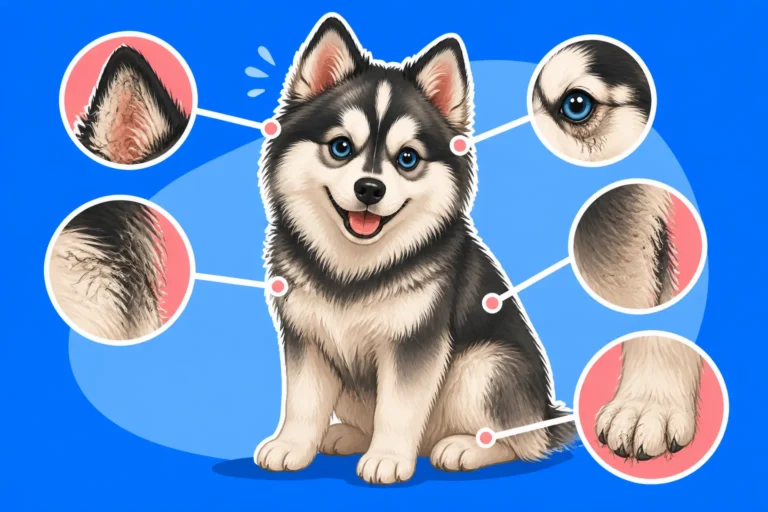
A Pomsky's double coat is primarily designed for insulation. It consists of two layers: a soft, dense undercoat that traps warm air close to the body, and a coarser, water-resistant outer coat (or guard hairs) that protects the undercoat and repels moisture. This combination is fantastic for keeping them warm during an active romp in the snow, or even for short supervised outdoor periods in chilly weather. Think of it like a high-performance winter jacket with a thick fleece lining. It works wonders when you're moving and generating body heat.
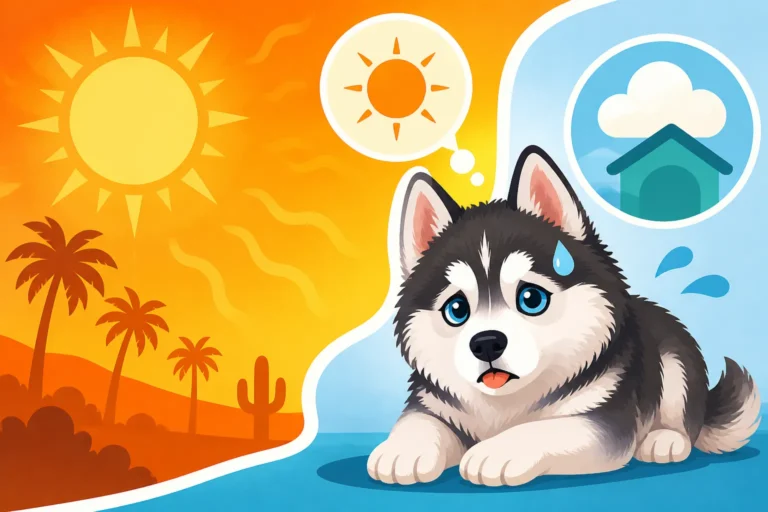
However, even the best winter jacket has its limits, and the same goes for a Pomsky's coat. This coat is built to handle cold, not necessarily extreme cold coupled with prolonged inactivity and exposure. When a dog is sleeping, their metabolic rate drops, reducing their internal heat production. If they are left outside for an entire night, particularly if the temperatures plummet or there's wind, rain, or snow, that insulating layer can quickly become overwhelmed. Wet conditions are especially dangerous, as a wet coat loses much of its insulating power, making them vulnerable even in moderate cold. It's a significant factor in The Pomsky That Carries a Husky Coat at Twenty Pounds.
Not All Pomskies Are Created Equal
It's also vital to remember that not every Pomsky inherits the exact same coat type or density. The beauty of the Pomsky cross is its delightful variability, but this also means their physical traits can lean more towards one parent breed than the other. Some Pomskies might have an incredibly dense, almost wooly undercoat, while others might have a thinner, more Pomeranian-like coat, or even a short coat.
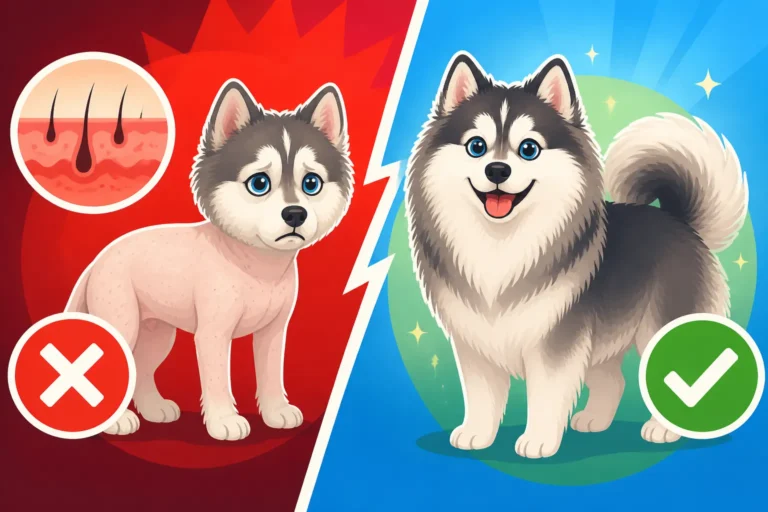
A Pomsky that leans more heavily on its Pomeranian genetics, for example, might have a less robust undercoat than one that strongly favors the Siberian Husky side. Even within the same litter, you can see huge differences! This means a blanket assumption that "all Pomskies can handle winter outside" is simply not safe. Factors like age, overall health, body fat, and even recent grooming (like a recent deshedding bath that might temporarily thin the undercoat) also play a huge role in their ability to withstand cold. You might see discussions on Whether a Pomsky Blows Its Coat Twice a Year and how that affects their coat density. And speaking of grooming, remember Why a Pomsky Must Never Be Shaved as this critically impacts their natural insulation year-round.
The Risks of Outdoor Winter Sleeping for a Pomsky
The romance of a dog sleeping outdoors, nestled under the stars, is often just that—a romance that doesn't account for the stark realities of severe weather and canine physiology. For a Pomsky, designed as a companion animal rather than a working sled dog, the risks of prolonged outdoor exposure in winter are significant and can be life-threatening.
Hypothermia and Frostbite
These are the two most immediate and severe threats. Hypothermia occurs when a dog's body loses heat faster than it can produce it, leading to a dangerously low body temperature. Symptoms can include shivering, lethargy, weakness, shallow breathing, and stiff muscles. If not addressed quickly, severe hypothermia can lead to organ failure and death. Imagine being stuck outside in freezing temperatures without adequate shelter—your Pomsky experiences similar physiological stress.
Frostbite is equally concerning. This occurs when tissues freeze, often affecting extremities like ears, paws, and the tail, which have less protective fur and are farther from the body's core. The blood vessels constrict in cold to preserve core body heat, reducing blood flow to these areas. Affected skin may appear pale, waxy, or blue, and later become red, swollen, and painful. In severe cases, frostbite can lead to tissue death and necessitate amputation. It's not just about comfort; it's about irreversible damage. This is why paying attention to The Temperature a Pomsky Starts Struggling At is so vital.
Exposure to Elements and Predators
Beyond the direct cold, leaving a Pomsky outside exposes them to other harsh elements. Wind chill can dramatically increase the rate of heat loss, making a moderately cold day feel much colder. Rain or snow can soak their fur, stripping away its insulating properties and accelerating hypothermia. Think about it: a wet dog is a cold dog. If you've ever had a long walk in the rain, you know how quickly your core temperature can drop even with a good coat on.
Then there's the danger of predators or other animals. Depending on your location, coyotes, foxes, or even larger dogs could pose a serious threat to a relatively small dog like a Pomsky. They are The Pomsky Escape Artist in a Twenty Pound Body for a reason, meaning they can be vulnerable if they manage to get out of an enclosure, or if a predator manages to get in. Even seemingly harmless nocturnal animals could cause injury or carry diseases. These aren't just hypotheticals; they're real dangers that responsible pet ownership seeks to mitigate.
Mental and Behavioral Impact
The physical dangers are clear, but the mental and behavioral toll of isolating a social animal like a Pomsky in harsh conditions is often overlooked. Dogs are pack animals, and Pomskies, in particular, thrive on companionship and being part of the family unit. Being left alone outside, especially in cold and dark conditions, can lead to immense stress, anxiety, and loneliness.
This isn't just about feeling "sad." Chronic stress can manifest in destructive behaviors, excessive barking (or howling, for those Husky genes kicking in!), or even health problems due to a weakened immune system. A dog that is constantly cold and isolated is not a happy, well-adjusted dog. They crave the warmth, security, and interaction that only an indoor environment can provide. You might wonder, for instance, Whether a Pomsky Needs a Coat in Winter when taking them out for a walk, which highlights the need for consideration even for short excursions.
Why Indoor Sleeping is Best for Pomskies in Winter
Bringing your Pomsky inside to sleep during the winter months isn't just about preventing frostbite; it's about fostering their overall health, happiness, and your bond with them. It’s a simple decision that has profound positive impacts across the board.
Safety and Comfort
The most obvious benefit of indoor sleeping is the unparalleled safety and comfort it provides. Indoors, your Pomsky is protected from the brutal cold, wind, rain, and snow. They won't be exposed to freezing temperatures that can cause hypothermia or frostbite. They won't be vulnerable to wild animals or other dangers lurking in the darkness. Instead, they can curl up in a warm, dry bed, completely at ease and secure.
This sense of security isn't just physical; it's psychological. Knowing they are safe within the confines of your home, part of your family's "pack," allows them to relax deeply, leading to better sleep and a more balanced temperament. Providing a cozy crate with a comfy bed, or a designated sleeping spot near a warm area of your home, makes all the difference. This comfort is especially important as they age, as old bones can ache more in the cold. Caring for a Pomsky Past Ten means paying even closer attention to their comfort.
Strengthening the Bond
Dogs are social creatures, and Pomskies especially love to be near their people. When your Pomsky sleeps indoors, they are integrated into the core of your family life. This shared space, even during periods of sleep, reinforces their place within the pack and strengthens the bond you share. It's those quiet moments, the gentle nuzzles in the morning, or the comforting presence nearby that build trust and affection.
For many Pomsky owners, their dog isn't just a pet; they're a family member. Keeping them indoors, especially overnight, nurtures this relationship. It allows for more interaction, more opportunities for gentle touches, and simply more time spent together, which is crucial for a breed that thrives on attention and connection.
Monitoring Health and Well-being
One significant, often overlooked benefit of having your Pomsky sleep indoors is the ability to easily monitor their health and well-being. If your dog is suddenly restless, whimpering, showing signs of illness, or experiencing discomfort during the night, you're much more likely to notice if they're right there with you. Early detection of a health issue can be critical for prompt veterinary attention and a better outcome.
Imagine if they were outside and developed an acute illness overnight. You might not discover it until morning, by which time the condition could have worsened considerably, or they might have suffered in silence through the night. Indoors, you can quickly address a sudden upset stomach, a bout of coughing, or any other anomaly. This constant, subtle oversight is a cornerstone of responsible pet ownership and directly contributes to The Twelve to Fifteen Years a Pomsky Lives.
If Outdoor Time is Unavoidable (with caveats)
Let's be absolutely clear: sleeping a Pomsky outside in winter is not recommended. However, in some extremely rare circumstances, or perhaps for very short, supervised periods where they are simply spending time outside rather than truly sleeping, one might consider providing a robust, insulated shelter. But even then, these considerations come with severe caveats and are not a substitute for bringing your dog indoors for the night.
Providing a Safe and Insulated Shelter
If, against all recommendations, a Pomsky must spend any significant time outdoors in cold weather, a proper shelter is non-negotiable. This is far more than just a wooden box. A suitable winter dog house needs to be:
- Elevated: Off the ground by at least a few inches to prevent cold and moisture from seeping up.
- Insulated: With proper insulation in the walls, floor, and roof, similar to a human dwelling.
- Small, but not too small: Just large enough for the dog to stand up, turn around, and lie down comfortably. A smaller space means their body heat can warm it more effectively.
- Have a baffled entrance: A flap or offset doorway helps block wind and retain heat.
- Contain ample, dry bedding: Straw (not hay) or cedar shavings are good choices because they don't absorb moisture easily and create warmth. Blankets or towels can get wet and freeze. Regularly check and replace bedding to ensure it stays dry.
Even with all these features, it's still just a doghouse. It's not the same as a climate-controlled home. And it certainly doesn't replace human companionship.
Constant Monitoring and Time Limits
Even with the best outdoor shelter, a Pomsky should never be left unattended or for extended periods in freezing temperatures. Constant monitoring is crucial. This means checking on them frequently, ensuring they are warm, dry, and not showing any signs of distress or cold exposure. If the temperature drops drastically overnight, or if there's a sudden snowstorm, even a well-built doghouse might not be enough.
Time limits are also essential. A Pomsky might enjoy playing in the snow for an hour or two, especially a Whether a Pomsky Enjoys Snow, but that's a world away from being left out for eight hours overnight. Their core temperature will drop, and risks will rise. If you wouldn't sleep outside, your Pomsky shouldn't either.
Nutritional Needs and Hydration
Dogs burn more calories in cold weather to maintain their body temperature. If a Pomsky is spending time outdoors in winter, their caloric intake might need to be adjusted upwards to provide the energy required for thermoregulation. Consult your vet for specific dietary recommendations, but generally, this means more high-quality food. You might already be thinking about How Much an Adult Pomsky Eats Daily and this will need adjustment.
Hydration is also a critical, but often overlooked, aspect. Water bowls left outside will freeze solid. Access to fresh, unfrozen water is absolutely essential. Heated water bowls or frequent checks to replace frozen water are necessary. Dehydration can exacerbate the effects of cold and is a serious health risk.
Ultimately, while these measures could theoretically mitigate some risks, they pale in comparison to the safety, comfort, and companionship offered by an indoor environment. For the well-being of your beloved Pomsky, an indoor sleeping arrangement is unequivocally the kindest and safest choice.
| Feature | Indoor Winter Sleeping | Outdoor Winter Sleeping (with ideal shelter) |
|---|---|---|
| Safety | High: Protected from extreme cold, predators, elements. | Moderate to Low: Risks of hypothermia, frostbite, exposure, wildlife still present. |
| Comfort | High: Warm, dry, soft bedding, familiar surroundings. | Moderate: Can be cold, potentially damp, isolated. |
| Health Monitoring | Easy: Owner can quickly spot signs of illness/distress. | Difficult: Issues may go unnoticed for hours. |
| Bonding | High: Constant companionship, strengthens family unit. | Low: Isolation can lead to stress and reduced interaction. |
| Temperature Control | Excellent: Climate-controlled home. | Variable: Dependent on doghouse insulation, external weather severity. |
| Wet Conditions | Not applicable. | Risk of coat getting wet, reducing insulation, leading to hypothermia. |
| Predator Risk | Very low. | Moderate to High (depending on location). |
Disclaimer
This article is for general informational purposes only and does not constitute professional advice. Laws, prices and regulations vary by location and change over time. Consult a qualified professional for guidance on your specific situation.