Whether a Pomsky Enjoys Snow
It’s a common sight on social media: adorable Pomskies romping gleefully in fresh powder, looking every bit like their Siberian Husky ancestors. Many prospective owners get swept up in this image, assuming that because a Pomsky has Husky genes, they automatically adore and thrive in freezing temperatures and deep snow. However, the reality is a little more nuanced, blending that Husky hardiness with the smaller, often less cold-tolerant Pomeranian side. This guide will help you understand whether your particular Pomsky is truly a snow enthusiast and how to ensure their safety and enjoyment when the flakes start to fall.
The Husky Heritage of Snow Affinity
When we picture a dog that loves snow, the Siberian Husky is often the first breed that comes to mind. Their history is deeply intertwined with frigid landscapes and pulling sleds through vast, snowy expanses. This incredible adaptation to cold is what many people hope their Pomsky will inherit, and often, they do get a good dose of it.
Instinctive Love for Cold Climates
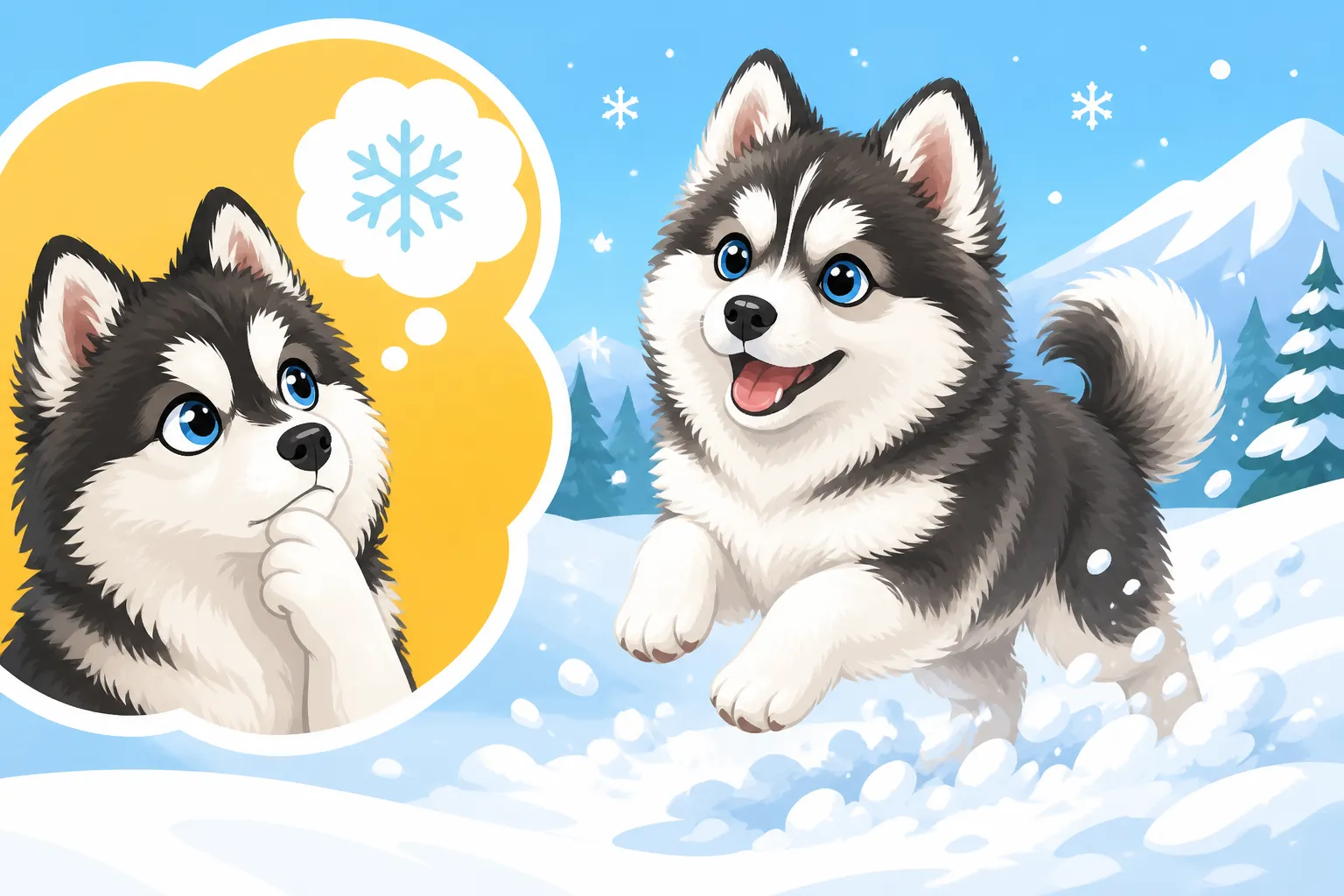
Siberian Huskies are purpose-bred dogs, originating from regions where survival depended on enduring extreme cold. Their physiology is perfectly designed for it, from their dense double coats to their efficient metabolism. When a Pomsky inherits this genetic blueprint, you might see an almost primal joy when they encounter snow. They might become animated, bouncy, and suddenly have an endless well of energy they didn't display indoors. This isn't just a preference; for many, it's an instinct. They might bury their noses in the snow, roll around like it's the most comfortable bed, or even eat it with gusto. It’s a captivating display of their heritage, reminding us of the wild, resilient spirit of their ancestors.
However, it's essential to remember that while the instinct for cold may be present, the physical capacity might not always match. A smaller Pomsky, while still enthusiastic, won't have the sheer body mass or the exact same fur density as a full-grown Husky. This means their limits will be different, even if their heart is fully in the snow game. We need to be the responsible parents who monitor their enthusiasm with a watchful eye.
The Double Coat's Role in Winter
The crowning glory of a Pomsky's winter readiness is typically their magnificent double coat. Just like the Husky, most Pomskies boast a soft, dense undercoat that acts as a natural thermal layer, trapping warm air close to their body. Over this, they have a coarser, water-repellent outer coat, known as guard hairs, which protects the undercoat from moisture and physical abrasion. This intricate system is what allows many Arctic breeds to withstand brutally cold temperatures.
When snow falls, this double coat becomes a fortress. The guard hairs shed snow and ice relatively easily, while the undercoat keeps them toasty. This natural insulation often means they don't need additional layers like sweaters or coats in moderate winter conditions. You might notice snow accumulating on their back without melting, a testament to how effectively their body heat is retained. This is a clear sign that their coat is doing its job. However, the thickness and density of this double coat can vary significantly among individual Pomskies, a topic we'll dive into more, as it directly impacts their comfort level in truly cold weather.
The Pomeranian Influence and Size Factor
While the Husky side provides that inherent love for snow, we can't forget the other half of the equation: the delightful Pomeranian. This miniature breed, while also possessing a double coat, hails from a lineage not quite as extreme in its cold adaptations as the Husky, and its smaller size fundamentally changes how cold impacts a Pomsky.
Smaller Size, Different Tolerance
The Pomeranian's small stature means a Pomsky, even one on the larger side, is generally far smaller than a full-grown Husky. Body size plays a critical role in thermoregulation. Smaller animals have a higher surface area to volume ratio, meaning they lose body heat more rapidly than larger animals. This is why a Pomeranian would quickly get cold in deep snow, despite its fluffy coat. Your Pomsky, depending on its specific size and build, will fall somewhere on this spectrum.
A Pomsky weighing in at a mere fifteen pounds will have a much lower cold tolerance than one closer to thirty or forty pounds. Their little paw pads are closer to the icy ground, and their smaller lung capacity means they might tire faster in deep snow, making them more susceptible to chilling. It’s not just about how much they want to be in the snow; it's also about how long their smaller body can safely maintain its core temperature. This is a crucial distinction that often gets overlooked when people envision their "mini Husky" frolicking endlessly. You might find that your Pomsky, especially if they are smaller, needs shorter bursts of snow play rather than extended outings.
Variability in Pomsky Coats
One of the most fascinating, and sometimes frustrating, aspects of Pomskies is their genetic lottery regarding appearance and traits. This extends directly to their coat type, which profoundly influences their snow enjoyment. While many inherit a dense, Husky-like double coat, others might lean more towards the Pomeranian side, or even exhibit a "wooly" coat. You can learn more about this in The Three Pomsky Coat Types.
A Pomsky with a very dense, standard Husky-like double coat will naturally be better insulated for snow. Their guard hairs will be robust, and their undercoat thick and abundant. On the other hand, some Pomskies might have a thinner undercoat or a less water-repellent outer coat. A "wooly" coat, while visually striking and often very fluffy, can sometimes be less efficient at shedding snow and water, potentially leading to matting or getting damp and cold if not properly maintained. If your Pomsky's coat isn't as robust, they might enjoy a quick romp but then quickly start shivering or seeking warmth. It's truly a case where you need to assess your individual dog, rather than relying on a general assumption. Observe how their specific coat handles the snow and dampness.
Signs Your Pomsky is Loving (or Hating) the Snow
So, how can you tell if your Pomsky is genuinely having the time of their life in the snow, or if they’re just putting on a brave face because they want to be with you? Learning to read their body language is key to ensuring their safety and comfort.
Positive Indicators of Snow Enjoyment
When a Pomsky truly loves the snow, it's usually pretty obvious. Their excitement can be infectious! You'll likely see a sudden burst of energy, often referred to as "zoomies," where they'll tear around the yard, kicking up snow as they go. They might engage in playful behaviors like pouncing at invisible objects in the snow, burying their nose to "dig" or sniff, or rolling onto their back, wiggling with pure joy.
A happy snow-loving Pomsky will have a relaxed body posture, with a wagging tail (often curled over their back, true to their Husky heritage). They'll keep coming back to you for play, perhaps nudging your hand to throw a snowball (never let them eat too much snow, though!). Their ears will be perked, and their eyes bright and engaged. If they're actively exploring, sniffing, and playing without any signs of hesitation or discomfort, then you’ve got yourself a little snow hound! Just remember, even the most enthusiastic Pomsky needs monitoring, as their joy can sometimes override their sense of when to call it a day.
Warning Signs of Discomfort or Cold
Conversely, there are clear signals that your Pomsky is starting to get cold, uncomfortable, or even distressed in the snow. Ignoring these signs can lead to hypothermia or frostbite, particularly on exposed areas like paws, ears, and tail tip. One of the most common signs is shivering. This might start subtly, a little tremble, and then become more pronounced. They might also lift their paws off the cold ground, one at a time, or try to stand on only three legs, indicating their pads are getting too cold.
Other warning signs include slowing down significantly, becoming less enthusiastic about play, or actively trying to seek shelter under a bush, near the house, or back towards the door. They might tuck their tail between their legs, hunch their body, or even vocalize with little whines or whimpers. If their ears feel cold to the touch or their movements become stiff, it's definitely time to bring them inside immediately. Even if your Pomsky generally loves the snow, conditions can change quickly, or their individual tolerance might vary day by day. Always err on the side of caution. If you are ever unsure whether your Pomsky is too cold, it's usually best to take them inside. Sometimes, a Pomsky might also start to limp or show discomfort if ice or snow has balled up between their paw pads, so always check their feet after snow play.
Practical Considerations for Snow Play
Taking your Pomsky out in the snow isn't just about letting them run wild. There are several practical steps you should take to ensure their safety and maximize their enjoyment, protecting them from the elements and potential hazards.
Protecting Paws and Preventing Snowballing
One of the most vulnerable parts of your Pomsky in the snow is their paws. The pads can get extremely cold, crack, or even suffer from frostbite. Furthermore, snow can accumulate between their toes, forming painful ice balls that make walking difficult and can even cause lameness. To combat this, consider applying a paw balm before heading out. Products like Musher's Secret or similar paw waxes create a protective barrier against cold, salt, and ice. You can find these easily on platforms like Chewy or at your local pet store.
For even better protection, dog booties are an excellent option, especially if your Pomsky is out for longer periods or in deep, crusty snow. It might take some time and patience to get them used to wearing booties, but the effort is worth it to prevent discomfort and injury. Make sure to choose boots that fit well – not too tight, not too loose – and offer good traction. After every snow outing, make it a habit to inspect their paws carefully for any redness, cuts, or ice buildup. This is especially important for Whether Snow Balls Up in a Pomsky's Feet.
Safe Playtime Duration and Supervision
Even the most robust, snow-loving Pomsky has a limit to how long they can safely play in cold weather. It's tempting to let them romp for hours, but their body temperature can drop without you realizing it. The duration of safe play depends on several factors: your Pomsky's size, coat thickness, activity level, and the actual temperature and wind chill. A general rule of thumb is to start with shorter sessions, perhaps 15-20 minutes, and then watch for those signs of discomfort we discussed earlier.
Always provide active supervision during snow play. You're not just there to watch them have fun; you're their guardian against hazards. Deep snow can hide uneven terrain, sharp ice, or even objects they shouldn't chew on. They could also get disoriented in heavy snowfall, especially if they wander too far. Remember that their incredible energy in the snow can mask how cold they are actually getting. Bring them inside for warm-up breaks, especially if their fur starts to feel damp, or if they start exhibiting any signs of being too cold. It's about quality, safe playtime, not quantity. Their daily exercise needs are important, and you can find more information in The Exercise a Pomsky Needs Every Day.
Post-Snow Care Routines
After a fun session in the snow, your Pomsky will need some dedicated care to ensure they warm up safely and avoid any issues from damp fur or icy paws. First, when you come inside, immediately check their paws. Gently remove any snow, ice, or salt that might have accumulated. Use a towel to thoroughly dry their paws and legs. If you used paw balm, a quick wipe might be enough, but if they wore booties, check under them carefully.
Next, give their entire coat a good towel dry, especially if they've been rolling around in the snow. Pay particular attention to their belly, chest, and between their legs, as these areas often get the wettest. While a full bath isn't necessary after every snow outing, ensuring they are dry down to the skin is crucial to prevent chilling and potential skin issues like hot spots. A force dryer, like those you can find on Amazon, can be a fantastic investment for Pomsky owners, as it efficiently blasts moisture from their dense double coat without using heat, which can damage their hair or skin. For tips on drying them thoroughly, see Drying a Pomsky to the Skin. Finally, offer them some fresh water and a warm, dry place to rest and recuperate.
Adjusting for Different Pomsky Types and Conditions
Not all Pomskies are created equal when it comes to snow tolerance. Their unique genetic blend means there's a wide spectrum of how well they handle cold weather. Understanding these variations, and adapting your approach accordingly, is essential for their well-being.
Tailoring Snow Experiences to Coat Type and Size
As we've touched on, a Pomsky's exact blend of Husky and Pomeranian traits heavily influences their cold tolerance. A larger Pomsky with a very dense, Husky-dominant double coat will naturally be able to stay out longer and be more comfortable in colder temperatures than a smaller Pomsky with a finer, more Pomeranian-like coat. If your Pomsky falls into the "wooly" coat category, while visually appealing, you might find that their fur is more prone to collecting snow and ice, potentially making them colder or causing discomfort due to ice clumps.
For smaller Pomskies or those with less dense coats, shorter, more frequent play sessions are usually best. They might enjoy a quick five to ten-minute dash in the snow before needing to come in for a warm-up. Larger, more heavily coated Pomskies might comfortably enjoy 20-30 minute outings, perhaps even longer if they are very active and the temperatures aren't extreme. The key is observation: watch your Pomsky's individual reaction, rather than assuming their ideal snow experience based on their breed name. Over time, you'll learn their unique thresholds and preferences.
Managing Temperature Extremes and Icy Conditions
While many Pomskies thrive in moderate snow, there comes a point where it's simply too cold for any dog, regardless of their coat. Extreme cold, especially coupled with high winds (wind chill), can rapidly lead to hypothermia and frostbite. Always check the weather forecast, paying attention not just to the temperature but also the wind chill factor. When temperatures drop below freezing, especially into the single digits or below zero Fahrenheit, even the most robust Pomskies should have their outdoor time severely limited to quick potty breaks. You can learn more about their temperature thresholds in The Temperature a Pomsky Starts Struggling At.
Beyond temperature, icy conditions present another set of hazards. Ice can cause slips and falls, leading to sprains, fractures, or even concussions. Hidden ice under a thin layer of snow can be particularly treacherous. Sidewalks and roads often get treated with rock salt or de-icers, which can be highly irritating or toxic if ingested. This is where paw protection, like booties or balm, becomes even more critical. If your area uses such chemicals, always rinse your Pomsky’s paws thoroughly after walks. In general, during extreme cold or icy conditions, it’s often safer to opt for indoor enrichment and play rather than risking outdoor hazards.
Food, Water, and Energy in Cold Weather
Cold weather activities, especially frolicking in the snow, require more energy from your Pomsky than typical indoor lounging. Their body has to work harder to maintain core temperature, and physical exertion in cold environments burns more calories. Adjusting their care in winter extends beyond just coat protection and playtime.
Maintaining Hydration and Calorie Intake
Even though your Pomsky might not seem to be panting as much in cold weather, proper hydration remains vital. They can still become dehydrated, particularly if they are eating a lot of snow, which isn't an efficient way to hydrate and can sometimes even lead to stomach upset. Always ensure they have access to fresh, unfrozen water, both indoors and during breaks from outdoor play. You might even consider bringing a thermos of warm water for them on longer snow outings.
When it comes to food, active Pomskies burning extra calories in the cold may need a slight increase in their daily food intake. This isn't about overfeeding, but about providing the necessary fuel for their increased metabolic demands. Observe their energy levels and body condition. If they seem hungrier or are losing weight, a small bump in their food portion might be appropriate. High-quality, nutrient-dense foods, perhaps even those with slightly higher fat content, can be beneficial. Brands like Ollie, which offer fresh, balanced meals, could be a good option for ensuring they get all the necessary nutrients to support their winter energy needs. Always discuss significant dietary changes with your vet to ensure it's appropriate for your individual dog.
Recognizing Winter-Specific Health Concerns
Cold weather, while enjoyable for many Pomskies, also brings a heightened risk of specific health concerns that owners need to be aware of. Frostbite is a serious risk, particularly for extremities like ear tips, paw pads, and the tail. These areas have less fur and blood flow, making them more susceptible to freezing temperatures. If you notice any skin looking pale, waxy, or discolored, especially after prolonged exposure, seek veterinary attention immediately.
Hypothermia, a dangerously low body temperature, is another severe risk. Signs include uncontrollable shivering, lethargy, weakness, shallow breathing, and a cold body to the touch. If you suspect hypothermia, immediately wrap your Pomsky in warm blankets and get them to an emergency vet. Beyond these acute risks, winter can also exacerbate underlying conditions. For instance, arthritis might become more painful in cold, damp conditions. Always be vigilant for any changes in your Pomsky's behavior, mobility, or appetite during the colder months. General health monitoring is always important, and you can review common health issues in The Two Opposite Disease Lists a Pomsky Inherits.
Remember, while the image of a snow-loving Pomsky is often true, it's our responsibility as owners to understand their limits, provide proper protection, and respond to their individual needs to ensure a safe and joyful winter season for our furry companions.
Disclaimer
This article is for general informational purposes only and does not constitute professional advice. Laws, prices and regulations vary by location and change over time. Consult a qualified professional for guidance on your specific situation.