How Much an Adult Pomsky Eats Daily
It's a question that plagues many Pomsky parents: how much should my adult furball actually be eating every day? These little wonders are a fascinating blend of two very different breeds, the Siberian Husky and the Pomeranian, and their dietary needs can be just as unique and, frankly, confusing. You can't just follow the guidelines for a typical small dog, nor can you treat them like a miniature Husky. This guide is here to help you cut through the confusion and figure out the ideal daily food intake to keep your adult Pomsky happy, healthy, and perfectly energized.
The Balancing Act: Understanding Your Pomsky's Unique Nutritional Needs
Figuring out the right amount of food for your Pomsky isn't a one-size-fits-all equation. It’s a delicate balance influenced by several key factors that are unique to this fantastic hybrid breed. We're talking about everything from their individual genetic blueprint to their daily antics in the backyard.
Size, Metabolism, and the Breed Blend
One of the biggest variables in a Pomsky's dietary needs comes directly from their parent breeds. Siberian Huskies are known for a relatively efficient metabolism, a trait honed over generations to survive in harsh, cold environments with limited food. They can sometimes be "light eaters" and maintain condition on less food than you'd expect for their size. The Pomeranian, on the other hand, is a smaller dog with a typically faster metabolism, requiring regular fuel to keep their zippy energy levels up. Your Pomsky could inherit a mix of these traits, or lean heavily towards one side.
This means you might have a more Husky-like Pomsky who is satisfied with less food, or a Pomeranian-leaning one who seems to burn through calories faster. Plus, the size variability within the Pomsky breed itself is huge! A 15-pound Pomsky will naturally have different caloric requirements than a 30-pound one, even if they're both adults. Relying solely on generalized "small breed" or "medium breed" feeding charts can easily lead you astray. I know one family with two Pomskies from the same litter; one is a dainty 18 pounds and gets full quickly, while her 28-pound brother, despite being from the same parents, is a complete food hound! It really highlights how much individual variation there can be, and why just looking at the bag's recommendations for a generic small dog isn't enough. Many owners wonder Whether a Pomsky Is a Light Eater Like a Husky, and the answer often depends on which parent's metabolism they favored.
Activity Level and Energy Output
Don't let their size fool you; many Pomskies are incredibly energetic. While some might be content with a couple of short walks, others inherit a significant chunk of the Husky's drive and need vigorous exercise to thrive. A Pomsky that enjoys daily long walks, enthusiastic play sessions at the dog park, or even participates in dog sports will burn considerably more calories than a Pomsky whose main daily activity is moving from the couch to the food bowl.
Consider your Pomsky's daily routine: do they have access to a securely fenced yard where they can zoom around? Do you take them on hikes? Are they mentally stimulated with training sessions and puzzle toys? All these activities contribute to their energy expenditure. It can be frustrating because you might think, "They're a small dog, how much can they possibly need?" but a high-energy Pomsky can surprise you with their caloric demands. Providing The Exercise a Pomsky Needs Every Day is crucial, not just for their mental well-being, but also for their metabolism and appetite.
Age, Health, and Lifestyle Changes
A Pomsky's dietary needs aren't static; they evolve throughout their life. A growing puppy, for instance, requires more calories per pound to support rapid development. Once they reach adulthood, usually around 12-18 months, their caloric needs stabilize. However, as they transition into their senior years, often around age 8-10 (a good milestone for The Birthday a Pomsky Counts as Senior), their metabolism can slow down, and they might become less active, necessitating a reduction in food intake to prevent weight gain.
Lifestyle changes, such as spaying or neutering, also play a significant role. Fixed dogs often have a slower metabolism and can gain weight more easily. Whether a Neutered Pomsky Gains Weight is a very real concern for many owners, and it often requires a proactive adjustment to their diet. Additionally, certain health conditions can impact appetite and metabolism. For example, thyroid issues, like Whether a Pomsky Gets Hypothyroidism, can affect a dog's weight, leading to either unexplained gain or loss. If your Pomsky's appetite or weight changes drastically, it's always best to consult your veterinarian to rule out any underlying health concerns.
Decoding the Dog Food Aisle: Choosing Wisely for Your Pomsky
Navigating the seemingly endless options in the dog food aisle can feel like a daunting task. With so many brands, types, and claims, how do you choose what's truly best for your Pomsky? The key is to look beyond flashy packaging and understand what really matters in canine nutrition.
Quality Ingredients Over Marketing Gimmicks
When you pick up a bag or a container of dog food, the first place your eyes should go is the ingredient list. Look for a named animal protein (like "chicken meal" or "deboned salmon") as the very first ingredient, not vague terms like "meat by-products" or "animal digest." These are often indicators of higher quality protein sources. After that, you want to see whole, recognizable ingredients: digestible carbohydrates like sweet potatoes, peas, or brown rice (unless you're specifically choosing a grain-free option), and healthy fats such as chicken fat or flaxseed.
Be wary of foods packed with excessive fillers like corn, wheat, or soy, which offer little nutritional value and can sometimes trigger sensitivities in certain dogs. Artificial colors, flavors, and preservatives are also best avoided. Many reputable brands, available on platforms like Chewy or Amazon, focus on wholesome ingredients without these unnecessary additives. For those exploring fresh food options, services like Ollie deliver pre-portioned, human-grade meals that clearly list every ingredient. It’s important to find a food that's formulated for "all life stages" or specifically for "adult small/medium breeds" to ensure it meets their comprehensive nutritional needs. Many question Whether a Pomsky Needs Small Breed Kibble, and while not strictly necessary, these formulas often have smaller kibble sizes that are easier for Pomskies to chew, and their nutrient profiles are typically geared towards smaller, often higher-metabolism dogs.
Calorie Counts and Portion Precision
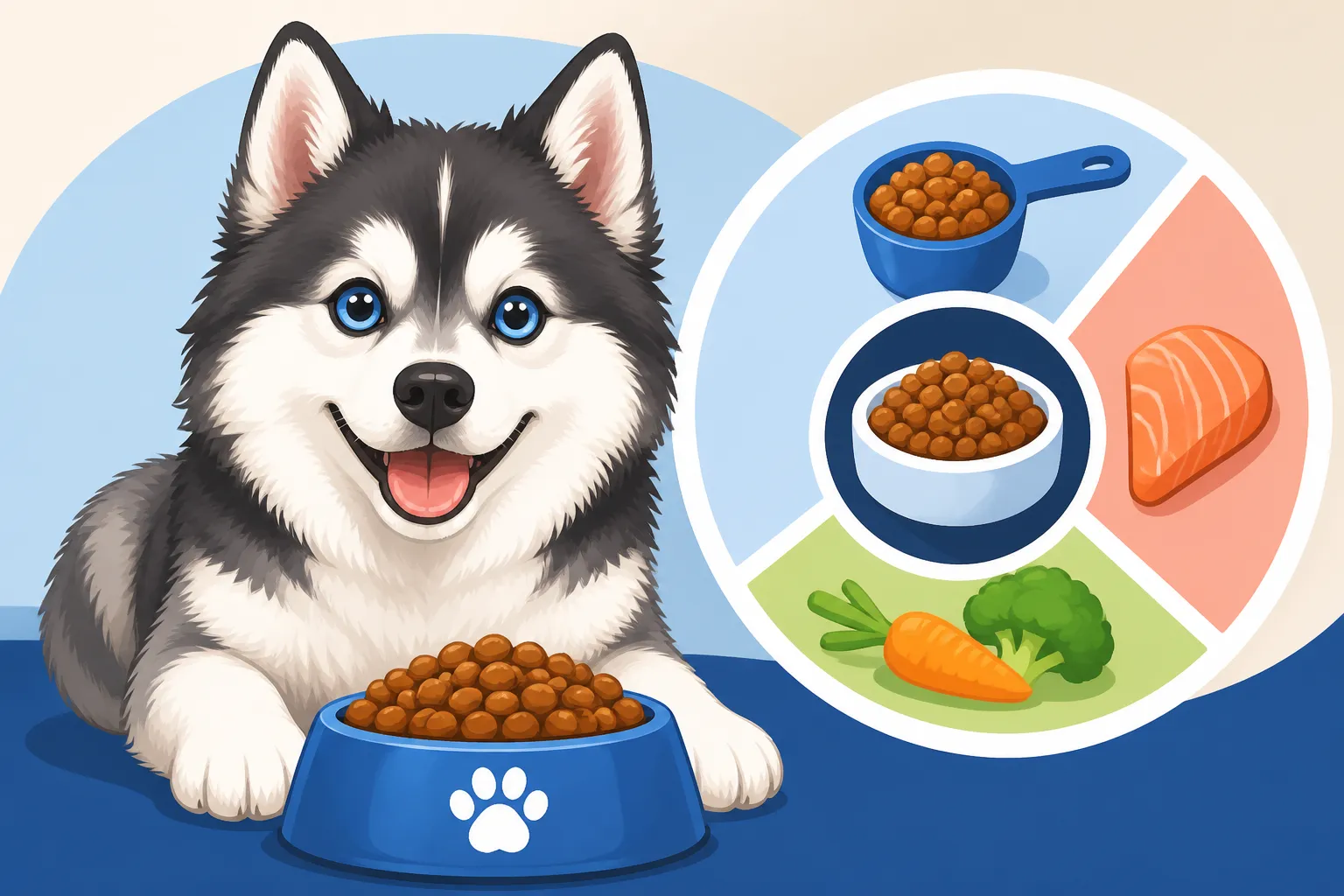
This is where many owners unintentionally go wrong. All dog foods are not created equal in terms of caloric density. One brand's "cup" of kibble might have significantly more calories than another's. That's why simply scooping out what looks like a reasonable amount, or blindly following the generic feeding guide on the bag, can lead to over or underfeeding.
Always check the "kcal/cup" or "calories per serving" information on the food packaging. This number is crucial. Manufacturers' feeding guidelines are just a starting point, a general recommendation based on an average dog of a certain weight. They don't account for your specific Pomsky's metabolism, activity level, or body condition. For a small dog like a Pomsky, even a slight overestimation of their daily food can quickly lead to unwanted weight gain. I learned this the hard way with my own Pomsky; I thought I was giving her the right amount, but after struggling to understand why she was gaining weight, I measured the "cup" of her kibble on a kitchen scale and realized my standard measuring cup was consistently over by almost a quarter-cup! That adds up fast for a little dog. Learning to precisely measure is fundamental for Keeping a Pomsky's Weight in Range.
Wet, Dry, Raw, or Fresh? Exploring Food Types
The choices for dog food are vast, and each type comes with its own set of pros and cons.
- Dry Kibble: This is the most common and often most cost-effective option. It's convenient, easy to store, and some varieties can even help with dental hygiene due to their abrasive texture. However, quality varies wildly, so checking ingredients is paramount.
- Wet Food: Often more palatable and hydrating, wet food can be a great option for picky eaters or dogs who need extra moisture in their diet. It tends to be more expensive and has a shorter shelf life once opened.
- Raw Food: The raw feeding movement has gained traction, with proponents claiming benefits like shinier coats, cleaner teeth, and better digestion. However, raw diets require careful balancing to ensure complete nutrition and carry risks of bacterial contamination if not handled properly. Whether a Pomsky Can Eat Raw is a personal choice, but it requires significant research and often veterinary guidance to be done safely and effectively.
- Fresh/Gently Cooked Food: Services like Ollie and others offer pre-made, gently cooked meals using human-grade ingredients. These are highly palatable, often seen as a healthier alternative, and can be customized to your dog's specific needs. The main drawbacks are the higher cost and the need for refrigeration. Whether Fresh Food Suits a Pomsky often comes down to budget and your dog's preferences.
Ultimately, the "best" food type is the one that your individual Pomsky thrives on, maintains a healthy weight with, enjoys eating, and fits within your household budget and lifestyle.
Mastering the Daily Feed: Practical Strategies and Adjustments
Once you've chosen a high-quality food, the next step is implementing practical feeding strategies that ensure your Pomsky gets the right amount, at the right time, every single day. Consistency and careful monitoring are key to their long-term health.
Establishing a Predictable Routine
Dogs, including our clever Pomskies, thrive on routine. Establishing a consistent feeding schedule helps regulate their digestive system, can aid in house training (as regular eating often leads to regular elimination), and helps manage their hunger cues. For most adult Pomskies, feeding twice a day – once in the morning and once in the evening – is ideal. This splits their daily caloric intake, preventing them from becoming overly hungry or wolfing down a single large meal, which can sometimes lead to an upset stomach.
Think about your own routine. Do you feed them before your morning coffee or after your evening walk? Sticking to roughly the same times each day creates a sense of predictability and security for your dog. It also makes it easier to spot if their appetite changes, as you'll notice if they consistently leave food behind or act ravenously hungry before mealtime. While How Many Meals a Pomsky Puppy Needs might be three or four, adults generally do well on two. Also, ensure they eat in a quiet, undisturbed area where they feel safe and relaxed, away from the hustle and bustle of family life or other pets.
The Art of Accurate Measurement
I cannot stress this enough: accurate measurement of your Pomsky's food is paramount. "Eyeballing it" or using an imprecise scoop can dramatically alter their daily caloric intake, especially for a smaller dog where even a few extra kibbles can make a big difference. Invest in a proper kitchen scale to weigh their food for precise portions. If a scale isn't feasible, use a standard measuring cup and ensure you're leveling off the kibble, not mounding it.
Many dog food bags provide a measurement in cups, but a "cup" of kibble can vary depending on density and shape. By weighing, you ensure absolute consistency. It might seem like a small detail, but for a dog who might only eat one to two cups of food a day, an extra quarter of a cup is a significant percentage of their total intake. This precision will be your best friend in preventing unintended weight gain or loss, and it’s a simple habit that pays huge dividends for their health.
When to Adjust Your Pomsky's Diet
Your Pomsky's needs aren't fixed forever. Be prepared to make adjustments based on their changing activity levels, seasons, or life stages. For instance, during the colder months, if your Pomsky is spending more time outdoors and burning more energy, they might need a slight increase in food. Conversely, during a lazy summer or if they're recovering from an injury that limits exercise, you'll likely need to reduce their portions.
Treats, glorious as they are, also need to be factored into their daily caloric intake. If you're using a lot of treats for training or just as rewards, you might need to slightly reduce their main meals to compensate. Always aim for healthy, low-calorie treats or consider using a portion of their regular kibble for training rewards. If you notice a persistent change in their weight (either gain or loss) despite consistent feeding, or if their appetite suddenly drops or spikes, that's your cue to consult your veterinarian. They can help rule out underlying health issues and provide guidance on appropriate dietary modifications. Remember, a vet's input is invaluable when considering significant dietary changes.
Navigating Challenges: Weight Management and Picky Eaters
Even with the best intentions, you might encounter bumps in the road when feeding your Pomsky. Weight management can be tricky, and some Pomskies are notoriously particular about what they eat. Addressing these issues proactively is crucial for their well-being.
Spotting the Signs of an Unhealthy Weight
Maintaining a healthy weight is one of the most critical aspects of your Pomsky's long-term health. Both obesity and being underweight can lead to significant health problems. A healthy Pomsky should have a visible waist when viewed from above, and an abdominal tuck when viewed from the side. You should be able to easily feel their ribs when gently running your hands along their sides, but you shouldn't be able to see them protruding.
Here's a simple guide for body condition scoring:
| Category | Ribs | Waistline & Abdominal Tuck | Energy Level |
|---|---|---|---|
| Too Thin | Easily visible, no fat covering | Exaggerated tuck, prominent hip bones | Low, lethargic |
| Ideal Weight | Easily felt with slight fat covering | Clearly visible waist, good tuck | Active, playful, good stamina |
| Overweight | Difficult to feel under a layer of fat | Minimal waist, slight or no tuck | Slightly reduced, heavy breathing |
| Obese | Cannot feel ribs, thick fat layer | No waist, sagging belly | Very low, difficulty moving, panting |
Obesity in Pomskies, as in people, can lead to joint problems like Slipping Kneecaps in a Pomsky (patellar luxation) becoming worse, diabetes, heart disease, and a reduced lifespan. Being underweight can indicate underlying health issues, nutritional deficiencies, or simply insufficient calorie intake for their energy needs. If you're unsure about your Pomsky's body condition, your vet can perform an assessment and help you create a plan. Keep an eye out for Signs a Pomsky Is Carrying Too Much Weight and adjust their food and exercise accordingly.
When Your Pomsky Becomes a Food Critic
Ah, the infamous picky eater Pomsky! Many owners find themselves frustrated when their beloved canine companion turns their nose up at expensive, high-quality food. This behavior can sometimes stem from the Husky's "light eater" tendency, or it might just be classic Pomsky stubbornness and a desire for variety. Whether a Pomsky Is a Fussy Eater is a common concern, and it can be incredibly disheartening when they refuse to eat.
Here are a few strategies to try:
- Avoid Free-Feeding: Leaving food out all day can encourage pickiness because there's no urgency to eat. Offer food for 15-20 minutes, then pick it up. They'll quickly learn that mealtime is finite. Whether a Pomsky Should Be Free Fed is usually not recommended for picky eaters.
- Rotate Proteins: If your dog is getting bored with the same flavor, try rotating between different protein sources (chicken, lamb, fish, beef) from the same brand.
- Add Toppers: A small amount of low-sodium chicken broth, plain pumpkin puree, a cooked egg, or a spoonful of plain yogurt can sometimes entice a picky eater. Be mindful of added calories.
- Warm it Up: Slightly warming wet or fresh food can enhance its aroma and make it more appealing.
- Rule Out Medical Issues: If pickiness is sudden or accompanied by other symptoms like lethargy or vomiting, consult your vet immediately. It could be a sign of illness.
It's truly frustrating when you've invested in good food and your Pomsky acts like you've served them dirt! But with patience and a bit of experimentation, you can often find a solution. If your Pomsky tends to inhale their food when they do decide to eat, consider using a puzzle feeder or a slow feeder bowl. Whether a Slow Feeder Suits a Pomsky is often a yes, as it can help prevent upset stomachs and make mealtime a more engaging activity.
Disclaimer
This article is for general informational purposes only and does not constitute professional advice. Laws, prices and regulations vary by location and change over time. Consult a qualified professional for guidance on your specific situation.