How Much a Pomsky Puppy Eats at Four Months
Oh, the four-month mark! It's such a whirlwind, isn't it? One minute you're bringing home this tiny fluffball, and the next they're a whirlwind of energy, seemingly growing by the hour. One of the biggest worries, and often a source of confusion for new Pomsky parents, is figuring out if you're actually feeding your fast-growing puppy enough – or perhaps even too much. This guide is all about helping you understand the nutritional needs of your four-month-old Pomsky, how to interpret feeding guidelines, and how to tell if your little eater is getting just the right amount to thrive.
The Rapid Growth Phase: Why Four Months Is a Critical Time
Around four months old, your Pomsky puppy is really hitting their stride in terms of growth. They're past the initial super-fragile newborn stage, but they haven't quite reached the steady adult pace yet. This period is incredibly important for their development, building strong bones, developing muscle, and fueling their boundless energy. It's a time when their bodies are working overtime, and their diet needs to support that intense biological activity.
Understanding Puppy Growth Rates
Pomskies are a fascinating mix, inheriting traits from both the Siberian Husky and the Pomeranian. This means their growth can be quite varied. Some Pomskies might be on the smaller side, leaning more towards their Pomeranian heritage, while others might be larger, taking after the Husky. Regardless, at four months, they are still very much in a rapid growth phase. They require more calories and nutrients, especially protein, fats, and specific vitamins and minerals, than an adult dog, relative to their body weight. Imagine a toddler compared to an adult – they need constant fuel for all that running, learning, and developing! Their bones are lengthening, muscles are forming, and their immune system is maturing. It's a demanding process.
This period also isn't perfectly linear. You might notice your Pomsky puppy seems to have "growth spurts" where they appear to shoot up overnight, followed by periods of slightly slower, but still significant, development. A four-month-old is often right in the middle of one of these high-demand periods. They're exploring the world with gusto, playing hard, and burning through calories. Ensuring they have consistent access to high-quality, appropriate food is key to supporting this intense physical development. You want to set them up for a lifetime of good health, and proper nutrition during these formative months is absolutely foundational.
Factors Influencing a Four-Month-Old Pomsky's Appetite
It would be wonderful if there was a single, magic number of cups that every four-month-old Pomsky should eat, but the reality is a little more nuanced. Several factors play into how much your specific puppy needs, making it more of an art than a strict science.
Firstly, their expected adult size plays a huge role. A Pomsky destined to be a smaller "toy" size (closer to a Pomeranian) will have different caloric needs than one expected to be a larger "miniature Husky" size. A four-month-old who is already larger and on track to be a 25-pound adult will naturally need more food than a smaller littermate who might only reach 12-15 pounds. Breeders often provide an estimated adult weight, which can be a helpful guide, though it's never a guarantee.
Secondly, activity level is a massive determinant. Is your Pomsky puppy a little couch potato (unlikely for a Pomsky!) or a tireless bundle of zoomies who never seems to stop moving? A puppy that spends hours running around the yard, engaging in vigorous play, and exploring on walks will burn significantly more calories than a more sedate one. Their metabolism also varies – some dogs are naturally more efficient at utilizing calories, while others burn through them faster. Think about how active a young child can be compared to an older adult – the energy demands are wildly different! This means you can't just compare your Pomsky to your neighbor's dog; individual needs are paramount.
Finally, while less common at four months than in very young puppies, individual metabolism and even temperament can influence food intake. Some puppies are simply naturally hungrier, while others might be a bit pickier. Keep in mind that a Pomsky's metabolism can often lean towards the Husky side, which means they can be surprisingly efficient with their food and sometimes self-regulate their intake, occasionally skipping meals if they don't feel they need it. This can be startling for owners used to more food-motivated breeds, but it’s often perfectly normal for a Pomsky. Knowing Whether a Pomsky Is a Light Eater Like a Husky can really help set expectations.
How Much is "Enough"? General Guidelines for Four-Month-Old Pomskies
Okay, so we know there's no single perfect answer, but that doesn't mean we're left guessing! There are excellent starting points and methods to gauge whether your four-month-old Pomsky is getting the right nutrition. It's about being observant and making adjustments as your puppy grows and changes.
Reading the Kibble Bag: Starting Point and Caveats
The first place most people look for feeding advice is right on the bag of puppy food. These guidelines, usually found in a chart format, will give you a recommended daily amount based on your puppy's current weight and sometimes their projected adult weight. For example, a bag might say "For puppies weighing 10-20 lbs, feed 2 to 3 cups per day."
Here's the crucial part: these are just a guide. They are averages, created by the food manufacturer, and don't account for your specific puppy's activity level, metabolism, or the exact calorie density of that particular batch of food. Think of it like a suggested serving size on human food – it's a recommendation, but your personal needs might be different. Always remember that the amount listed is typically the total daily amount, which you then divide into your puppy's meals. For a four-month-old, this usually means three separate meals spread throughout the day. Don't fall into the trap of giving the full daily amount at each meal! Many high-quality puppy foods can be found on platforms like Chewy, offering a wide range of options to compare these guidelines.
The Importance of Calorie Density
Not all puppy foods are created equal, and this is especially true when it comes to calorie density. Some foods are packed with more calories per cup than others. A premium, high-quality puppy formula designed for active, growing dogs will likely have a higher calorie count per cup compared to a more generic or lower-quality food. This means that 2 cups of one brand might provide your puppy with fewer calories than 2 cups of another brand.
It's always a good idea to check the guaranteed analysis and calorie content (often listed as metabolizable energy or ME in kcals/kg or kcals/cup) on the food packaging or the manufacturer's website. This information allows you to make more accurate comparisons and adjustments. For instance, if you switch from a food with 350 kcals/cup to one with 400 kcals/cup, your puppy will need slightly less of the new food to get the same caloric intake. Puppy formulas are specifically balanced to meet the intensive nutritional needs of growing dogs, providing higher levels of protein, fat, and essential nutrients like DHA for brain development. Avoid feeding adult dog food to a four-month-old puppy, as it often lacks this crucial balance for optimal growth.
Visual and Touch Assessment: Is Your Puppy Just Right?
This is arguably the most important tool you have: your own eyes and hands. Learning to assess your Pomsky's body condition is key to knowing if you're feeding them correctly.
You want your puppy to be lean, but not skinny. Here's what to look for:
- Ribs: You should be able to easily feel their ribs when you run your hands along their sides, much like feeling the knuckles on your hand. However, you shouldn't see the ribs prominently sticking out, especially from a distance. If they look like a washboard, they're probably too thin.
- Waist: When you look down at your Pomsky from above, you should see a noticeable waistline that tucks in behind their ribs. If they look like a straight block from chest to tail, they might be carrying too much weight.
- Tummy Tuck: From the side, their abdomen should tuck up slightly from their chest, not hang low or be distended.
Puppies, especially active Pomskies, tend to be quite lithe. It's often better for them to be a touch on the lean side during growth than to be overweight, as excess weight can put undue strain on developing joints like those prone to Slipping Kneecaps in a Pomsky or Hip Dysplasia in a Pomsky. Adjust their food intake by about 10-20% up or down based on your assessment every couple of weeks. If they're too thin, increase their food slightly; if they're looking a bit chunky, reduce it. Always make gradual changes and monitor their energy and stool quality.
Crafting a Feeding Schedule and Meal Plan
Establishing a consistent feeding schedule is not just about nutrition; it's also a cornerstone of good puppy behavior and house training. A predictable routine helps your Pomsky feel secure and helps you anticipate when they'll need to go outside.
Number of Meals Per Day for a Four-Month-Old
At four months old, most Pomsky puppies thrive on three meals per day. This is a sweet spot between the four or five meals they might have needed as tiny puppies and the two meals typically given to adult dogs.
Why three meals?
- Steady Blood Sugar: Frequent smaller meals help maintain more stable blood sugar levels, preventing energy dips that can lead to lethargy or irritability. Small breed puppies, in particular, can sometimes be prone to hypoglycemia (low blood sugar) if meals are too far apart, so consistent feeding is important.
- Better Digestion: A puppy's digestive system is still maturing. Smaller, more frequent meals are easier for their system to process, reducing the likelihood of upset stomachs, loose stools, or vomiting.
- Consistent Energy: With all that growing and playing, a four-month-old needs a steady supply of energy throughout the day. Three meals ensure they're adequately fueled for their adventures.
- House Training: A regular feeding schedule leads to a regular potty schedule! Knowing roughly when your puppy will need to relieve themselves after eating makes house training much more manageable.
Try to space the meals out evenly, perhaps breakfast around 7 AM, lunch around 1 PM, and dinner around 7 PM. This creates a good rhythm for their day.
Choosing the Right Food Type
The market is flooded with puppy food options, which can feel overwhelming. Generally, you'll be looking at dry kibble, wet food, or fresh food.
- Dry Kibble: This is the most common and often the most economical choice. Look for a high-quality "puppy formula" specifically designed for small or all breeds, depending on your Pomsky's projected size. These formulas are nutritionally complete and balanced for growth. Brands available on platforms like Chewy offer a vast selection.
- Wet Food: While often more palatable and hydrating, wet food can be less calorie-dense per volume and more expensive. It can be a good option as a topper for kibble to entice picky eaters or for puppies needing extra hydration, but solely feeding wet food often means feeding a lot of volume to meet calorie requirements.
- Fresh Food: Services like Ollie deliver freshly prepared, human-grade dog food right to your door. These can be excellent for palatability and often contain high-quality ingredients. If you choose a fresh food diet, ensure it's specifically formulated by veterinary nutritionists to be complete and balanced for puppies, as homemade diets can easily be deficient in critical nutrients for growing dogs. The primary benefit is often perceived higher quality ingredients and digestibility, but it usually comes at a higher cost.
Regardless of the type, always ensure the food carries an AAFCO (Association of American Feed Control Officials) statement on its label, indicating it meets nutritional levels established for "growth" or "all life stages."
Measuring Accurately and Avoiding Free-Feeding
Consistency is key in feeding. Always use a standard measuring cup (designed for cooking, not just a random scoop) to ensure you're giving the precise amount of food each time. Eyeballing it can lead to underfeeding or overfeeding quite easily. A small difference of half an ounce per meal can add up significantly over weeks and months.
Avoid free-feeding, which means leaving food out all day for your puppy to graze on. While it might seem convenient, it has several drawbacks for a growing Pomsky:
- Weight Management: Free-feeding makes it very difficult to monitor how much your puppy is actually eating, which can lead to overeating and obesity, or under-eating if another pet in the house is sneaking bites.
- House Training: As mentioned, a scheduled meal means a scheduled potty break. Free-feeding disrupts this predictability.
- Picky Eating: If food is always available, some Pomskies (who can sometimes be finicky like Huskies) might become less interested in their meals, knowing it's always there. This can also make it harder to spot if they're genuinely feeling unwell and refusing food.
- Behavioral Issues: Resource guarding can sometimes develop when food is constantly available, especially in multi-pet households.
- Freshness: Food left out can become stale, attracting pests, especially in warmer climates.
Stick to designated meal times. Put the food down for 15-20 minutes. If your puppy doesn't eat it all, pick it up until the next scheduled meal. This teaches them to eat when food is available and helps establish a healthy routine.
Common Feeding Challenges and Troubleshooting
Even with the best intentions and careful planning, puppy feeding isn't always smooth sailing. It's totally normal to hit a few bumps along the way, and knowing how to troubleshoot them can save you a lot of stress.
My Pomsky Isn't Eating Enough!
It can be really worrying when your vibrant, energetic Pomsky puppy suddenly seems to lose interest in their food. This is a common concern, and there are several reasons why it might happen:
- Stress or New Environment: If you've recently moved, traveled, or introduced a new pet, your puppy might be a bit stressed and temporarily lose their appetite. Pomskies, with their sensitive Husky side, can sometimes be particular about their environment.
- Growth Spurts or Lulls: Sometimes, during a lull in a growth spurt, a puppy's appetite might decrease slightly because their immediate caloric demand isn't as high. Conversely, during a big spurt, they might eat you out of house and home!
- Picky Eating Habits: Some Pomskies inherit a bit of a picky streak, especially if they are offered too many treats or table scraps. They might be "holding out" for something more exciting. This is where Whether a Pomsky Is a Fussy Eater comes into play.
- Upset Stomach or Illness: A temporary loss of appetite can be the first sign of a minor tummy upset, parasites, or a developing illness. Keep an eye out for other symptoms like lethargy, vomiting, diarrhea, or changes in behavior.
- Teething: At four months, your Pomsky is likely actively teething. Sore gums can make eating dry kibble uncomfortable. Try softening their kibble with warm water or a little low-sodium chicken broth, or offering a portion of wet food.
When to Worry and Call the Vet: If your puppy skips more than two consecutive meals, is lethargic, vomiting, has diarrhea, or seems generally unwell, don't hesitate to call your veterinarian. Puppies can dehydrate quickly, and it's always better to be safe than sorry. For a sudden, unexplained loss of appetite, a vet visit is always recommended to rule out underlying health issues.
My Pomsky Acts Starving All the Time!
On the flip side, some Pomskies act like they haven't eaten in days, even right after a meal! They might hover by their bowl, beg, or try to steal food. This can leave you wondering if you're truly feeding them enough.
- Genuine Growth Spurt: Your puppy might genuinely be in a massive growth spurt and need a slight increase in their food. Re-evaluate their body condition (ribs, waist) and, if they seem a bit too lean, gradually increase their daily portion by a small amount.
- High Energy Level: A particularly active Pomsky will burn a lot of calories. Ensure their exercise needs are being met, but also consider if their food intake matches their energy output. Sometimes a few extra pieces of kibble during the day are all they need.
- Food Motivation: Some dogs are just incredibly food-motivated. They will always want more, even if they don't need more. It's a natural instinct for many breeds.
- Habit or Attention-Seeking: If begging has worked in the past (even inadvertently), your puppy has learned it's a way to get attention or treats.
- Boredom: A bored puppy might turn to food as a form of entertainment. Ensure they have plenty of mental stimulation and appropriate chew toys.
What to Do:
- Re-assess Body Condition: Use the visual and touch method discussed earlier. If they're lean but healthy, they're probably fine.
- Gradual Increase: If they are too thin, increase their portion by 5-10% for a week and re-evaluate.
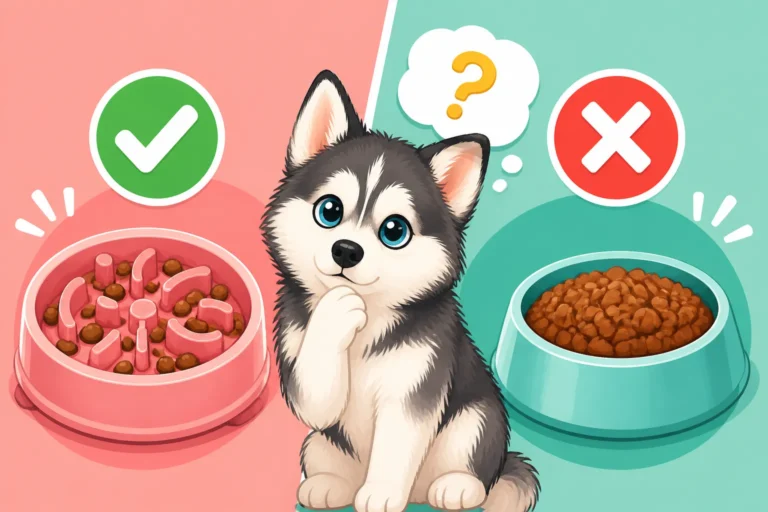
- Slow Feeders/Puzzle Toys: To make their meals last longer and provide mental enrichment, use a slow feeder bowl or a puzzle toy (you can find a huge variety on Amazon). This forces them to work for their food and slows down consumption, often making them feel more satisfied.
- Ignore Begging: It's tough, but consistency is key. Don't give in to begging. Ensure everyone in the household is on the same page.
Treats, Training, and Table Scraps
It's easy to forget that treats and extras contribute to your Pomsky's daily caloric intake. At four months, puppies are learning so much, and treats are invaluable for training, but they need to be managed carefully.
- Treats in Moderation: Treats should make up no more than 10% of your puppy's daily calories. If you're using a lot of treats for training, consider using small, low-calorie options, or even some of their regular kibble. For instance, if you're teaching them basic commands or working on Building a Recall a Pomsky Answers, those tiny training treats add up quickly.
- Appropriate Treats: Choose treats designed for puppies. Avoid large, calorie-dense treats. Single-ingredient dehydrated meats or small pieces of cooked plain chicken or carrot can be good options.
- Table Scraps: It's best to avoid feeding table scraps altogether. Human food often contains ingredients (onions, garlic, excessive salt, fats) that are unhealthy or even toxic for dogs. It also establishes a bad habit of begging and can lead to digestive upset in a puppy's sensitive stomach. Stick to their balanced puppy food and appropriate treats.
By understanding these nuances, observing your specific Pomsky, and adjusting their feeding routine as needed, you'll be well on your way to raising a healthy, well-fed companion.
| Factor | Impact on Food Intake (Approximate) | When to Adjust Food Upwards (+) / Downwards (-) |
|---|---|---|
| Activity Level | High activity = Higher caloric needs | Highly active + |
| Low activity = Lower caloric needs | Sedentary – | |
| Growth Spurt | Rapid growth = Higher caloric needs | Rapid growth + |
| Projected Adult Size | Larger projected size = Higher needs (even at 4 months) | Larger size + |
| Smaller projected size = Lower needs | Smaller size – | |
| Food Calorie Density | Higher calories per cup = Less volume needed | High density – |
| Lower calories per cup = More volume needed | Low density + | |
| Body Condition Score | Too lean (ribs visible) = Needs more calories | Too thin + |
| Just right (ribs felt, waist present) = Maintain | Ideal = Maintain | |
| Overweight (no waist, can't feel ribs) = Needs fewer calories | Too chunky – | |
| Teething/Sore Mouth | May reduce intake due to discomfort (temporarily) | If eating less, consider softening food (no change to total volume) |
| Illness/Stress | May reduce or cease intake (seek vet advice immediately) | If unwell, consult vet |
| Treats Consumed | High treat intake means less kibble needed for calorie balance | Many treats – |
Disclaimer
This article is for general informational purposes only and does not constitute professional advice. Laws, prices and regulations vary by location and change over time. Consult a qualified professional for guidance on your specific situation.