What a Pomsky Needs Daily
Bringing a Pomsky into your life is an absolute joy, but it also comes with the honest truth that these little bundles of fluff and energy have very specific daily needs that, if not met, can lead to frustration for both you and your furry companion. It's not just about food and a quick walk; it's about understanding their unique blend of Husky and Pomeranian traits and proactively addressing their physical, mental, and emotional requirements every single day. This comprehensive guide will walk you through precisely what your Pomsky needs on a daily basis to thrive, ensuring a happy, healthy, and well-adjusted life together.
Understanding Your Pomsky's Unique Daily Blueprint
When you welcome a Pomsky into your home, you're not just getting a cute dog; you're signing up for a fascinating genetic cocktail. These dogs inherit a mix of traits from their Siberian Husky and Pomeranian parents, which means their daily blueprint is anything but standard. It's crucial to understand this inherent variability because it directly impacts everything from their energy levels to their grooming needs. Ignoring this blend of heritage can lead to unmet needs and behavioral issues that often surprise new owners.
The Blend of Husky and Pomeranian Traits
Your Pomsky is a true hybrid, often showcasing characteristics from both parent breeds in delightful and sometimes challenging ways. From the Husky side, they might inherit a strong prey drive, an independent streak, and an incredible desire to run and explore. This means that a casual stroll around the block might not be enough to satisfy their intrinsic need for adventure and physical exertion. They often have that classic "talkative" Husky vocalization rather than a bark, which can be an unexpected daily soundscape for apartment dwellers.
On the Pomeranian side, you might see a more alert, sometimes wary nature, along with a tendency to bond closely with their human family. This parentage can also bring a certain sass and a desire to be the center of attention. This combination means your Pomsky might be both fiercely independent on a walk and deeply attached to you when you're home, demanding interaction and attention. Whether the Pomeranian's Stand Off Coat Shows in a Pomsky and The Collapsing Trachea a Pomsky Gets From the Pomeranian are examples of traits to be aware of.
Recognizing which traits are dominant in your individual Pomsky is key to tailoring their daily care. Some might be miniature Huskies through and through, constantly looking for an escape route or a new scent to follow, while others might lean more towards their Pomeranian heritage, content with vigorous indoor play and plenty of lap time. Observing their behavior from day one helps you adapt and provide exactly what they need, rather than guessing.
Energy Levels and Daily Demands
One of the biggest misconceptions about Pomskies is that their smaller size automatically means lower energy. This couldn't be further from the truth for many of them! Most Pomskies, regardless of size, retain a significant portion of the Husky's boundless energy and stamina. They were bred for endurance, even if they're now in a twenty-pound package. This means a quick trip outside for potty breaks simply won't cut it for their daily energy expenditure.
Think of it this way: a Pomsky with unspent energy is a Pomsky looking for a "job," and that job might manifest as destructive chewing, excessive vocalization, or relentless attention-seeking. They need outlets for both their physical and mental energy every single day. This isn't a weekend warrior dog; they need consistent engagement.
Daily demands for a Pomsky often include multiple structured walks, playtime, and mental enrichment. Without these, you might find your furniture rearranged, your favorite shoes destroyed, or your ears ringing with their expressive "conversations." Understanding this fundamental need is the first step in building a sustainable daily routine.
The Importance of a Consistent Routine
Dogs thrive on predictability, and Pomskies are no exception. A consistent daily routine provides a sense of security, reduces anxiety, and helps them understand what is expected of them throughout the day. This isn't about being rigid to the minute, but establishing a general flow for feeding, potty breaks, exercise, playtime, and rest. When their day is unpredictable, they can become stressed, which often leads to unwanted behaviors.
Imagine waking up every day not knowing when you'll eat, when you'll get to go outside, or when you'll get attention. It would be unsettling, right? Your Pomsky feels the same way. A routine helps regulate their internal clock, making house training easier and reducing accidents. It also helps manage their energy, as they learn when to expect activity and when to settle down.
Establishing a routine from puppyhood, even something as simple as "potty, eat, play, nap" in cycles, sets them up for success. As they mature, this framework can be adapted, but the underlying principle of consistency remains paramount. It’s the foundation for a well-behaved and happy Pomsky, reducing confusion and fostering a strong bond built on trust and understanding.
Fueling Your Pomsky: Nutrition Needs from Bowl to Treat
Just like us, what your Pomsky eats directly impacts their energy, coat health, and overall well-being. Getting their daily nutrition right is more than just pouring kibble into a bowl; it’s about choosing the right food, sticking to a schedule, and ensuring they’re properly hydrated. A poorly nourished Pomsky might have a dull coat, low energy, or be prone to certain health issues, so this aspect of their daily care cannot be overlooked.
Choosing the Right Diet for Your Pomsky
Selecting the best food for your Pomsky can feel overwhelming with the sheer number of options available. However, a good starting point is a high-quality commercial dog food that is appropriate for their age, size, and activity level. Look for formulas that list a named meat source (like "chicken meal" or "salmon") as the first ingredient, and avoid those with excessive fillers, artificial colors, or preservatives. Given their potential for sensitive digestion or specific breed-related nutritional needs, some owners explore specialized diets. Feeding a Twenty Pound Pomsky covers some specific considerations.
For some Pomskies, especially those prone to allergies or skin issues, a limited ingredient diet or a novel protein source might be beneficial. Brands found on platforms like Chewy offer a wide array of choices, allowing you to compare ingredients and reviews. If you're considering a fresh food diet, services like Ollie are becoming increasingly popular, providing pre-portioned, human-grade meals that can be a great option for picky eaters or those with particular dietary sensitivities, though you'll want to check with your vet.
Ultimately, the "right" food is one your Pomsky thrives on: they should maintain a healthy weight, have a shiny coat, regular bowel movements, and good energy levels. If you notice any digestive upset, lethargy, or skin problems, it might be time to re-evaluate their diet in consultation with your veterinarian.
Establishing a Daily Feeding Schedule
Pomskies generally do best on a consistent feeding schedule rather than free-feeding. As puppies, they typically require 3-4 meals a day to support their rapid growth and maintain stable blood sugar levels. As they mature, most adult Pomskies transition to two meals a day, usually once in the morning and once in the evening. This routine helps regulate their metabolism, prevents overeating, and makes house training much more predictable.
Sticking to a schedule also allows you to monitor their appetite. If your Pomsky suddenly shows a lack of interest in their food, it can be an early indicator of illness. Conversely, if they're always ravenous and seem underweight, it might suggest you need to adjust portion sizes or consult with your vet to rule out any underlying health issues. A regular schedule also helps prevent begging at the table, as they learn when to expect their meals.
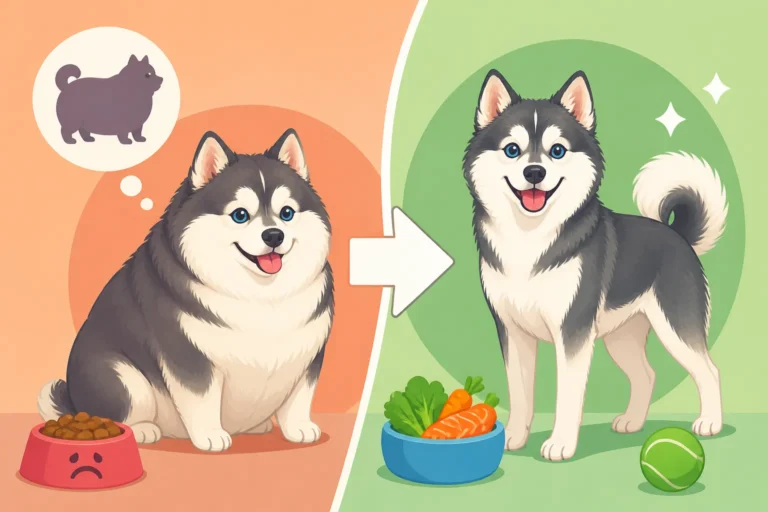
Portion control is equally vital. While the food bag offers guidelines, every Pomsky is an individual. Factors like their activity level, metabolism, and age will influence how much they truly need. Use a measuring cup to ensure accuracy and adjust as needed to maintain an ideal body condition. Remember, an overweight Pomsky can put undue strain on their joints, such as Slipping Kneecaps in a Pomsky, and contribute to other health problems.
Hydration and Water Bowl Management
Access to fresh, clean water at all times is absolutely non-negotiable for your Pomsky's daily health. Hydration is critical for every bodily function, from digestion and nutrient absorption to temperature regulation, especially given their dense double coat. A dehydrated Pomsky can quickly become lethargic and unwell, particularly in warmer weather or after strenuous exercise.
Ensure you have multiple water bowls available throughout your home, especially if you have a larger house or multiple pets. Ceramic or stainless steel bowls are often preferred as they are easy to clean and less likely to harbor bacteria than plastic. Wash and refill their water bowls daily – or even more frequently if they're particularly messy drinkers or if the water becomes contaminated with food or debris.
When you're out and about, always carry a portable water bottle and a collapsible bowl for your Pomsky. Whether you're on a long walk, a trip to the dog park, or just running errands, they'll need opportunities to drink, especially if it's warm. Being proactive about hydration is a simple yet profoundly important part of their daily care that directly contributes to their vitality and energy.
The Double Coat: Daily Grooming for Health and Happiness
One of the defining features of a Pomsky is their gorgeous, dense double coat, a direct inheritance from both the Husky and Pomeranian. While stunning, this coat demands consistent daily attention to prevent matting, manage shedding, and maintain skin health. Neglecting their grooming routine can lead to discomfort, skin infections, and a very messy home. It's a commitment, but a rewarding one when your Pomsky looks and feels their best.
Daily Brushing and Undercoat Maintenance
The Pomsky's double coat consists of a soft, dense undercoat and longer, coarser guard hairs. This combination is fantastic for insulation but a magnet for loose hair, especially during seasonal "blowouts." Daily brushing is not just recommended; for many Pomskies, it's essential, especially those with wooly coats. It helps remove dead undercoat, distribute natural oils, prevent mats, and reduces the amount of hair floating around your house. Without it, their undercoat can become dense and compacted, trapping moisture and leading to skin irritation.
A good undercoat rake is your best friend in this endeavor. The Undercoat Rake a Pomsky Owner Lives With is a tool you'll quickly become very familiar with. Start by using the rake to gently pull out loose undercoat, working in small sections, always being careful not to scratch the skin. Follow up with a slicker brush to smooth the guard hairs and remove any remaining loose fur, then a wide-toothed comb to check for tangles, particularly behind the ears, under the legs, and around the tail. Establishing this as a positive daily ritual, perhaps with high-value treats from Amazon, can make it an enjoyable bonding experience.
During shedding seasons, which happen twice a year (spring and fall), you'll need to intensify your brushing efforts. This period, known as a "blowout," means your Pomsky will shed prodigious amounts of fur. Daily, sometimes twice-daily, brushing sessions with a force dryer can dramatically help in managing this process, ensuring their coat stays healthy and preventing excessive hair accumulation around your home.
Eye, Ear, and Dental Hygiene
Beyond their magnificent coat, other areas of your Pomsky's head require daily or near-daily attention. Their eyes should be bright and clear, free from excessive discharge or redness. A quick wipe with a damp, soft cloth each morning can help remove any sleep or debris, preventing tear stains and irritation. If you notice persistent redness, excessive tearing, or cloudiness, it's always best to consult your vet, as it could indicate an issue like The Juvenile Cataracts a Pomsky Gets From the Husky or other eye problems.
Pomskies generally have erect ears, which tend to be less prone to infection than floppy ears because of better airflow. However, a daily quick check is still important. Look for any redness, swelling, unusual odor, or excessive wax buildup. If needed, a gentle wipe with a vet-approved ear cleaner on a cotton ball can keep them clean. Never insert anything deep into the ear canal. If your Pomsky shakes their head frequently or scratches at their ears, it's a sign to seek veterinary advice.
Dental health is often overlooked but crucial for a Pomsky's overall well-being. Due to their smaller mouths, Pomskies can be prone to Dental Crowding in a Pomsky's Small Mouth, which makes them more susceptible to dental disease. Daily tooth brushing with dog-specific toothpaste is the gold standard for preventing plaque and tartar buildup. While not every owner manages daily brushing, aiming for several times a week can make a huge difference. Regular dental chews or water additives can complement brushing but aren't a substitute. Poor dental hygiene can lead to painful infections, tooth loss, and even systemic health problems.
Nail Care and Paw Health
Your Pomsky's paws work hard every day, whether they're racing through the yard or accompanying you on a walk. Daily attention to their nails and paw pads is an important part of their routine. Overgrown nails can cause discomfort, make walking painful, and even lead to skeletal issues. When you hear your Pomsky's nails clicking on hard floors, it's a clear sign they're too long.
While you might not trim their nails daily, a quick check of their paws should be part of your routine. Look for any cracks, cuts, or foreign objects embedded in their paw pads. In winter, road salt or ice can be particularly harsh on their paws, while in summer, hot pavement can cause burns. Paw balms or booties can offer protection in extreme conditions. Gently spreading their toes to check for mats of fur between the pads, especially in woolier coated Pomskies, is also a good habit. These mats can pull on the skin and cause pain.
Trimming nails can be a source of stress for many dogs and owners, so it's vital to introduce it gently and positively from puppyhood. Use sharp, dog-specific clippers or a grinder. If you're unsure, ask your vet or a professional groomer to demonstrate. Regular, short trims are better than infrequent, drastic ones. Making it a calm, routine activity, perhaps with a small treat reward, will make it easier for both of you in the long run.
| Aspect of Grooming | Daily Check/Action | Frequency of Deeper Care | Essential Tools |
|---|---|---|---|
| Coat Brushing | Quick brush for loose hair | Daily (especially during shed) | Undercoat rake, slicker brush, comb |
| Eyes | Check for discharge/redness | Daily | Soft damp cloth |
| Ears | Check for redness/odor | Daily | Vet-approved ear cleaner (as needed) |
| Teeth | Look for plaque/tartar | Daily brush | Dog toothbrush, dog toothpaste |
| Nails & Paws | Check for cracks/debris | Weekly/Bi-weekly trim | Nail clippers/grinder, paw balm |
Daily Dose of Zoomies: Exercise and Mental Stimulation
Pomskies are not couch potatoes. Their Husky heritage ensures they come with a significant drive for physical activity and mental engagement. Failing to meet these daily needs is one of the quickest ways to end up with a destructive, bored, or overly vocal dog. It’s not just about letting them out into the yard; it’s about structured exercise and enriching activities that tire both their body and their clever mind.
Meeting Physical Exercise Requirements
Most adult Pomskies need at least 60-90 minutes of dedicated physical exercise every day, often broken into two or more sessions. This isn't just casual wandering; it means brisk walks, jogging, playing fetch, or running in a securely fenced area. Remember, the smaller size doesn't negate the Husky's inherent athleticism and need to move. A sedentary Pomsky is an unhappy Pomsky, often leading to weight gain and behavioral issues like incessant digging or chewing.
Think about activities that truly let them stretch their legs and explore. Leashed walks are great for mental stimulation through sniffing, but they often don't provide the same cardiovascular workout as off-leash running in a safe space. If you have an appropriate, highly secure, fenced yard, playing fetch or having them run alongside you while you bike (once mature and properly trained) can be excellent options. Just be mindful of their joints, especially with Whether a Pomsky Should Jump Off Furniture.
Varying their exercise routine also keeps things interesting. Visiting different parks, exploring new trails, or even incorporating dog sports like agility (once cleared by a vet for joint health) can provide both physical and mental benefits. Consistent, appropriate exercise is the cornerstone of a well-behaved Pomsky and crucial for managing their energy levels in a healthy way.
Engaging Their Clever Minds
Physical exercise alone often isn't enough for a Pomsky; their intelligent, often mischievous minds also need a daily workout. Without mental stimulation, they can become bored, and a bored Pomsky is a creative problem-solver, often finding ways to entertain themselves that you won't appreciate. This mental engagement is just as important as their physical activity and can help tire them out in a different, equally effective way.
Puzzle toys, often available from stores like Amazon or Chewy, are excellent for challenging their brains and making them "work" for their food or treats. Snuffle mats, treat-dispensing balls, or interactive feeders turn mealtime into a game. Hide-and-seek with treats or their favorite toys can also be a simple yet effective way to engage their scent drive and problem-solving skills.
Even short training sessions throughout the day contribute significantly to mental stimulation. Practicing "sit," "stay," "come," or learning new tricks keeps their minds active and strengthens your bond. Just 10-15 minutes of focused training can be as tiring for them as a long walk. Remember, Pomskies can be quite smart, and they relish the challenge of learning new things, so don't underestimate their capacity for mental work.
Preventing Boredom and Destructive Behavior
A Pomsky who isn't receiving enough daily physical and mental stimulation is highly likely to develop destructive behaviors. This isn't out of malice; it's simply their way of coping with boredom and expending pent-up energy. Common signs of an under-stimulated Pomsky include excessive chewing on inappropriate items, digging in the yard, constant barking or howling (The Husky Howl in a Pomsky), or restless pacing.
To prevent these issues, integrate a variety of activities into their daily schedule. Beyond walks and training, consider rotating their toys to keep things fresh, providing appropriate chew toys (like durable rubber options) that can stand up to their strong jaws, and offering safe opportunities for digging if that's a natural outlet for them (e.g., a designated sandpit).
Leaving them with interactive toys filled with frozen peanut butter or plain yogurt when you need to be away can keep them occupied. Consistency in their routine, combined with ample exercise and mental challenges, creates a well-rounded and content Pomsky who is less likely to resort to undesirable behaviors to entertain themselves.
Creating a Safe and Comforting Daily Environment
Your Pomsky's home environment is more than just four walls; it's their sanctuary, their playground, and where they feel most secure. Ensuring this space meets their daily needs for comfort, safety, and predictability is crucial for their overall well-being. A chaotic or unsafe environment can lead to anxiety, fear, and even physical harm, so diligent attention to their surroundings is a daily responsibility.
Shelter, Temperature, and Comfort Needs
Despite their dense double coat, Pomskies are primarily indoor dogs and thrive when they are part of the family. While their Husky genes make them more tolerant of cold than many breeds, they are not designed to live outdoors full-time, especially in extreme temperatures. Their daily environment should provide a comfortable, temperature-controlled space. Whether a Pomsky Belongs in a Warm Climate is a serious question to consider, as overheating is a real risk.
Provide your Pomsky with a designated comfortable resting spot, such as a dog bed or crate, where they can retreat and feel secure. This should be in a quiet area but still near family activity, as they are social creatures. Ensure their bed is appropriate for their size and offers adequate support, especially as they get older. During warmer months, access to cool, shaded areas and plenty of water is essential. In winter, ensure their sleeping area is away from cold drafts.
Temperature regulation is particularly important. While they love snow and can handle cold, prolonged exposure without proper shelter is harmful. Conversely, they can overheat very quickly in hot, humid weather, even just playing in a sunny yard. Air conditioning is often a necessity in warmer climates. Being mindful of the daily temperature and adjusting their exercise and environment accordingly is a vital part of their care.
Household Safety and Hazard Prevention
Your home, while safe for humans, can present numerous hazards for an inquisitive Pomsky. Daily vigilance is required to ensure their environment remains safe. Pomskies, especially puppies, are notorious for exploring with their mouths, which means anything within reach can become a chew toy or a choking hazard. This requires a proactive approach to "Pomsky-proofing."
Regularly check for and remove small objects they could swallow, such as children's toys, loose coins, or dropped medications. Secure cabinets containing cleaning products, toxic foods (like chocolate, grapes, or xylitol-containing items), or dangerous chemicals. Many common houseplants are toxic to dogs, so identify and move them out of reach. Electrical cords should be secured or protected to prevent chewing, which can lead to electrocution.
Remember that their intelligence and tenacity, inherited from their Husky side, mean they can often figure out how to open cabinets or get to things you thought were secure. Constant observation and prevention are key to avoiding daily household accidents and ensuring their safety. Never leave them unattended in areas where hazards are present.
The Value of a Predictable Daily Schedule
A predictable daily schedule isn't just about training; it's a fundamental aspect of creating a stable and comforting environment for your Pomsky. Dogs thrive on routine because it allows them to anticipate events, which reduces stress and anxiety. Knowing when to expect food, walks, playtime, and quiet time helps them feel secure and understand their place within the household.
Imagine the chaos if your meals, bathroom breaks, and leisure time were completely random each day – it would be incredibly unsettling. Your Pomsky experiences a similar stress when their day lacks structure. This doesn't mean you need a minute-by-minute itinerary, but a general flow for their day provides significant benefits. For example, consistent meal times help with digestion and house training. Regular exercise slots ensure their energy is expended appropriately.
When a routine is established and consistently followed, your Pomsky learns to trust the rhythm of the day. This reduces unexpected behaviors like incessant demand barking because they know their needs will be met at predictable times. A predictable schedule contributes to a calmer, happier Pomsky who feels confident and secure in their daily environment.
Beyond the Basics: Daily Health Checks and Preventative Care
While a full veterinary check-up happens annually, daily observation and preventative measures are your first line of defense in keeping your Pomsky healthy. You know your dog best, and noticing subtle changes in their behavior or physical appearance can alert you to potential issues early, often preventing them from becoming serious problems. This proactive approach is a vital part of responsible Pomsky ownership.
Quick Daily Health Observations
A brief, head-to-tail check can be easily incorporated into your daily routine, perhaps during a morning cuddle or a grooming session. Look into their eyes: are they clear and bright, or are they red, watery, or producing excessive discharge? Check their nose: should be moist, not dry, crusty, or runny. Whether a Pomsky's Nose Loses Pigment is a common variation, but changes in texture or discharge are worth noting.
Feel their coat: does it feel healthy and soft, or is it greasy, matted, or excessively shedding outside of blowout season? Run your hands over their body: are there any new lumps, bumps, or tender spots? Pay attention to how they move: are they walking normally, or is there any limping, stiffness, or reluctance to jump or play? The Skip That Means a Pomsky's Knee Has Gone is a subtle sign of potential patellar luxation.
Also, observe their general demeanor. Is your Pomsky their usual energetic self, or are they lethargic, withdrawn, or unusually agitated? Changes in appetite, water intake, or bathroom habits (frequency, consistency, color of urine/stool) are all important clues to their health. Documenting any noticeable changes can be helpful when speaking with your vet.
Skin and Coat Checks for Early Detection
Beyond just brushing, a daily skin and coat check is crucial for a breed like the Pomsky with a dense double coat. Their thick fur can hide a multitude of issues, from parasites to skin infections. As you brush, part their fur and examine the skin underneath. Look for redness, flakiness, rashes, scabs, or any unusual odors.
Pay particular attention to common problem areas: the armpits, groin, belly, and behind the ears. These spots are prone to moisture accumulation and friction, which can lead to hot spots or yeast infections, especially in warm, humid weather. Fleas and ticks can also hide easily in their dense fur, so look for tiny black specks (flea dirt) or actual parasites. Early detection of parasites can prevent discomfort and more serious skin conditions.
Any new bald patches, excessive scratching, or persistent licking can be a sign of a skin issue, potentially even something like Alopecia X and the Pomsky That Loses Its Coat. If you find anything concerning, a call to your veterinarian is warranted. Prompt attention to skin and coat problems can prevent them from escalating and causing greater discomfort for your Pomsky.
Preventative Measures for Common Pomsky Ailments
While you can't prevent every health issue, daily preventative care can significantly reduce the risk of common Pomsky ailments. For instance, their predisposition to dental issues means daily brushing and regular dental check-ups are paramount. For joint problems like Hip Dysplasia in a Twenty Pound Pomsky or Slipping Kneecaps in a Pomsky, maintaining a healthy weight through proper diet and exercise is one of the best preventative measures you can take.
If your Pomsky is prone to ear infections, discuss a regular cleaning schedule with your vet. For those with eye conditions common to Huskies, like cataracts, routine eye exams and protection from harsh sunlight (e.g., doggy sunglasses in very bright conditions, if tolerated) can be beneficial. Regular grooming helps prevent skin issues, and a high-quality diet provides the necessary nutrients for a robust immune system.
Administering preventative medications for fleas, ticks, and heartworm as prescribed by your vet is a critical daily/monthly step. Remember, prevention is always better, and often less costly, than treatment. Integrating these small, consistent actions into your daily routine is an investment in your Pomsky's long-term health and happiness.
The Emotional Connection: Daily Bonding and Training
Pomskies are intelligent, social dogs that thrive on interaction and a strong bond with their human family. Neglecting their emotional and social needs can lead to behavioral problems like anxiety, fear, or a sense of detachment. Daily bonding, consistent training, and appropriate socialization are fundamental to developing a confident, well-adjusted Pomsky and fostering a deep, loving relationship.
Essential Daily Interaction and Affection
Your Pomsky wants to be a part of your life, not just an ornament. Daily interaction and affection are crucial for their emotional well-being. This can be as simple as dedicated cuddle time on the couch, gentle petting sessions, or simply talking to them throughout the day. These moments strengthen your bond, build trust, and reassure them of their place in your family.
Pomskies, with their Husky leanings, can sometimes be perceived as independent, but they still crave connection. Ignoring them can lead to them seeking attention in less desirable ways, such as barking, nudging, or even destructive behaviors. Think of it as recharging their emotional battery; a little bit of positive attention goes a long way.
Incorporating them into your daily activities, even if it's just having them lie at your feet while you work or follow you from room to room, helps satisfy their social needs. They thrive on feeling included and loved. These daily doses of affection are not just pleasant; they're essential for a well-adjusted and emotionally secure Pomsky.
Reinforcing Training and Good Manners
Training is not a one-time event; it's an ongoing, daily process, especially with a smart and sometimes stubborn breed like the Pomsky. Reinforcing good manners and obedience commands should be a part of your daily interaction. Even mature dogs benefit from short, fun training sessions to keep their minds sharp and solidify learned behaviors. This consistency prevents backsliding and ensures they remain polite members of your household.
Daily reinforcement can happen organically throughout the day. Ask your Pomsky to "sit" before you put down their food bowl or to "stay" briefly before going out the door. Reward calm behavior with praise or a small, healthy treat. This constant positive reinforcement helps embed good habits and strengthens their understanding of what you expect.
Focus on key commands that ensure their safety and your peace of mind, such as a solid "come," "leave it," and a reliable "stay." Building a Recall a Pomsky Answers is particularly important given their potential for being escape artists. These daily practices don't have to be formal; they can be integrated into play or walks, making training fun and engaging for your Pomsky.
Socialization Opportunities and Exposure
Ongoing socialization is vital for a Pomsky to remain confident and comfortable in various situations throughout their life. While intensive puppy socialization is crucial, it doesn't end when they reach adulthood. Daily exposure to different sights, sounds, people, and appropriate dogs helps them maintain their social skills and prevents them from becoming fearful or reactive.
This doesn't mean a trip to a crowded dog park every day. Instead, it could involve a walk in a different neighborhood, a visit to a pet-friendly store like those found on Amazon, or simply sitting on a bench to people-watch from a safe distance. The goal is to provide positive, controlled experiences that build their confidence without overwhelming them. For some Pomskies, who can be wary of strangers, carefully managed introductions to new people are beneficial.
For social interactions with other dogs, choose playmates carefully. Opt for well-matched dogs with known good temperaments in a controlled environment. Supervised play dates or well-run doggie daycare (if your Pomsky enjoys it) can provide valuable social outlets. Continual, positive exposure helps your Pomsky navigate the world calmly and confidently, making them a more enjoyable companion in daily life.
Navigating Common Daily Challenges with Your Pomsky
Living with a Pomsky, while incredibly rewarding, isn't always a walk in the park. They come with a unique set of challenges rooted in their parent breeds, which often require consistent, daily management. Understanding these potential hurdles and having strategies to address them can save you a lot of frustration and ensure a smoother daily life for both you and your furry friend.
Managing Shedding in a Double-Coated Breed
The shedding of a Pomsky is legendary, and it's a daily reality that new owners often underestimate. Their double coat means they shed year-round, with two major "blowouts" typically occurring in spring and fall. During these periods, the amount of fur they lose can be staggering. This isn't just an aesthetic issue; if not managed, the shed fur can mat in their coat, leading to skin irritation and discomfort. How Much Undercoat Comes Off a Pomsky will give you a good idea.
Daily brushing is your most powerful weapon against shedding. As discussed earlier, an undercoat rake is essential for reaching deep into the coat and pulling out loose undercoat. High-velocity force dryers, which you can find on Amazon or Chewy, are incredibly effective during blowouts, as they literally "blow" the dead undercoat out of the coat without damaging the guard hairs. This can significantly reduce the amount of fur that ends up on your furniture and floors.
Beyond grooming, investing in a good vacuum cleaner designed for pet hair is a must. Regular vacuuming, daily for many Pomsky owners, becomes part of the routine. Covers for furniture, washable dog beds, and even certain types of clothing can also help mitigate the impact of shedding on your home. Accepting the shedding and implementing a consistent daily management plan is key to living harmoniously with a double-coated Pomsky.
Addressing Vocalization and Energy Outlets
Pomskies are often highly vocal dogs, inheriting the Husky's tendency to "talk," howl, and vocalize, rather than bark like many other breeds. While charming to some, this can become a daily challenge, especially in environments with close neighbors, such as apartments. They might vocalize when excited, bored, seeking attention, or when hearing sirens or other dogs. Whether a Pomsky Is Loud is a common concern.
The key to managing excessive vocalization often lies in addressing its root cause. Many times, it's a sign of unspent energy or boredom. Ensuring your Pomsky gets adequate daily physical exercise and mental stimulation can significantly reduce their need to vocalize out of frustration. A tired Pomsky is often a quieter Pomsky.
Consistent training, including a "quiet" command, can also be beneficial. Reward them for being silent, especially when they're reacting to external stimuli. Avoid inadvertently reinforcing vocalization by giving them attention every time they make noise; instead, wait for a moment of silence before engaging. Understanding why your Pomsky is vocalizing is the first step to daily management.
Avoiding Behavioral Pitfalls with Consistency
Pomskies are smart, independent, and can be quite stubborn. This combination means that if you're not consistent in your daily expectations and training, they will quickly find loopholes or establish their own rules. Behavioral pitfalls like counter-surfing, refusing to come when called (Recall on a Pomsky Bred From a Dog That Runs), or selective hearing often stem from a lack of daily consistency and clear boundaries.
Every interaction is a training opportunity. If you sometimes allow them on the couch but sometimes scold them for it, they will be confused. If you occasionally let them get away with demand barking, they will learn that persistence pays off. Consistency across all family members is crucial; everyone in the household needs to be on the same page regarding rules and commands.
Daily positive reinforcement, patience, and clear communication are vital. If you find your Pomsky testing boundaries, step up your training sessions, increase their mental and physical outlets, and re-evaluate your consistency. Addressing minor behavioral issues daily prevents them from escalating into major problems, ensuring a well-behaved and happy Pomsky who respects and understands your expectations.
Disclaimer
This article is for general informational purposes only and does not constitute professional advice. Laws, prices and regulations vary by location and change over time. Consult a qualified professional for guidance on your specific situation.