Whether a Pomsky Needs Its Glands Emptied
The mystery surrounding a dog's anal glands can be a real head-scratcher, especially for us Pomsky owners who are already navigating a blend of two distinct breeds. It's not the most glamorous topic, I know, but trust me, understanding these little glands is crucial for your furry friend's comfort and health. This guide will walk you through everything you need to know about your Pomsky's anal glands, from what they are to when they might actually need a helping hand, and how to keep your pup happy and scoot-free.
Understanding Your Pomsky's Anal Glands
Let's dive right into what these often-talked-about, yet rarely seen, parts of your Pomsky's anatomy actually are. It might seem a bit gross, but understanding their function is the first step in knowing when something isn't quite right.
What Are Anal Glands Anyway?
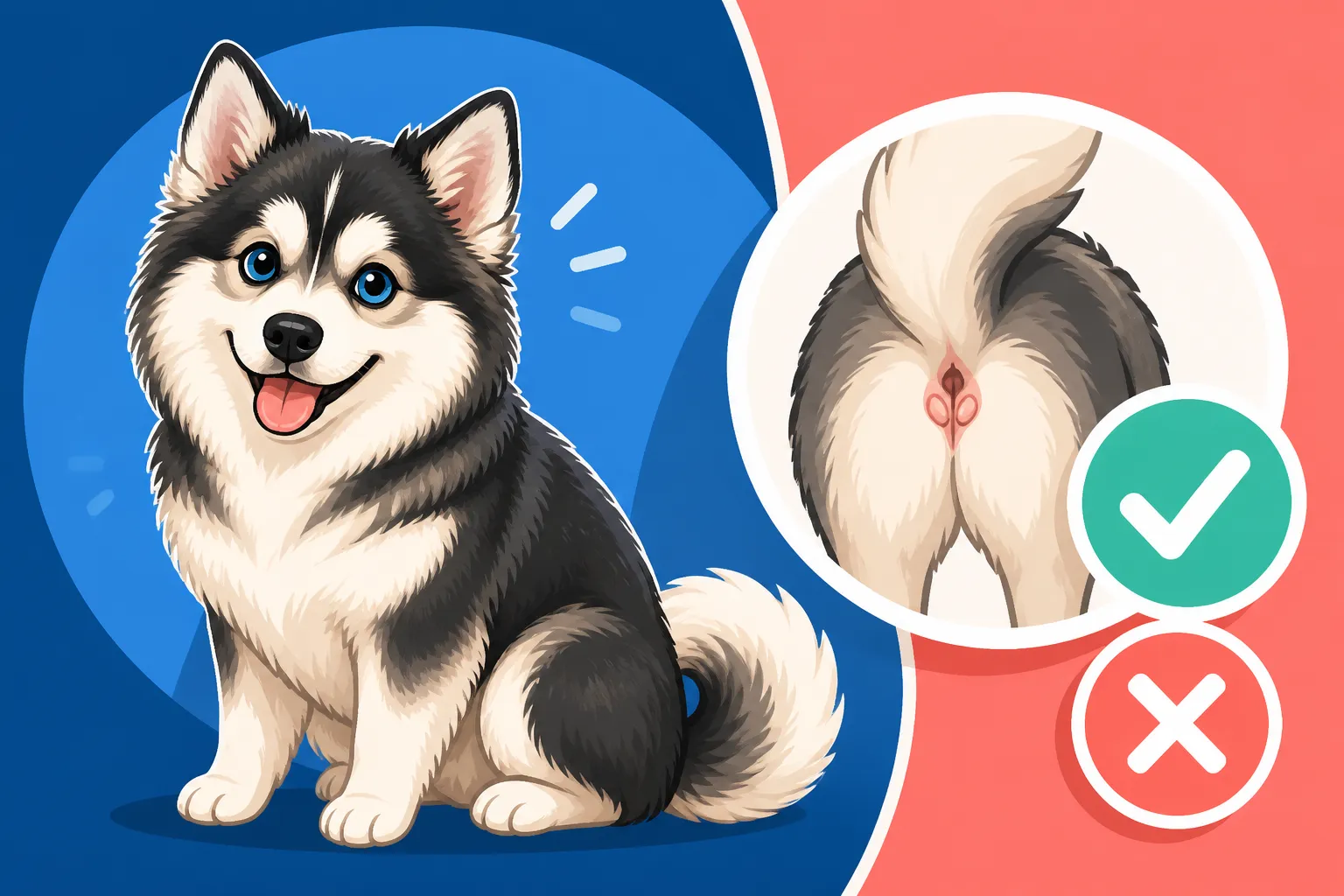
Imagine two tiny scent glands, positioned like little clocks at four and eight o'clock, just inside your Pomsky's rectum. Each gland has a small duct that opens up just inside the anus. Their original purpose, way back in the evolutionary history of dogs, was all about scent marking. When your dog has a bowel movement, especially a firm one, the pressure from the passing stool is supposed to naturally squeeze these glands, releasing a small amount of a pungent, oily liquid. This liquid carries your dog's unique scent signature, a kind of canine calling card, leaving a little message for other dogs about who they are.
For most dogs, this natural expression happens without a hitch, day in and day out, and you'd never even know they were there. It's a completely normal bodily function, much like shedding their coat twice a year, as we discuss in Whether a Pomsky Blows Its Coat Twice a Year. The fluid can range in color from yellowish to brownish, and it has a very distinct, strong, fishy smell – the kind that makes you wrinkle your nose if you ever catch a whiff of it.
Why Pomskies Might Be More Prone to Issues
Now, while this system works perfectly for many dogs, some breeds, often smaller ones, can be more susceptible to anal gland problems. And our beloved Pomskies, with their mix of a larger Husky and a smaller Pomeranian, can sometimes inherit a predisposition from the smaller side of their family tree. Think about the difference in size from a thirty-pound Pomsky (refer to What a Pomsky Actually Weighs) to a tiny Pomeranian; those smaller breeds tend to have smaller ducts that can get blocked more easily.
One of the biggest culprits contributing to anal gland issues in Pomskies (and any dog, really) is stool consistency. If your Pomsky's stool is consistently soft or loose, there isn't enough firm pressure on the glands as the stool passes. This means the glands don't empty properly, leading to a build-up of fluid. Over time, this stagnant fluid can thicken, becoming harder to express, and the glands can become impacted. Imagine trying to squeeze thick toothpaste through a tiny, blocked tube – it's just not going to happen easily. Genetic factors also play a role; some dogs simply have narrower ducts or glands that are positioned less effectively for natural expression. The Two Opposite Disease Lists a Pomsky Inherits reminds us that Pomskies can inherit traits from both sides, and unfortunately, a tendency towards anal gland issues can be one of them.
Signs Your Pomsky Might Have Anal Gland Problems
Recognizing the signs of anal gland discomfort early can save your Pomsky a lot of pain and prevent more serious complications. It's not always obvious, and sometimes the signs can be confused with other issues.
The Classic "Scooting" Behavior
This is perhaps the most well-known indicator that something is amiss with your dog's rear end. "Scooting" is when your Pomsky drags their bottom along the ground, often on your carpet or grass, trying to relieve an itch or discomfort. It's their way of attempting to express those full or irritated glands themselves. While it might look funny, it's a clear sign your dog is in distress.
It's important to remember that scooting isn't always about anal glands. It can also be a symptom of other issues like allergies (perhaps a food sensitivity, as discussed in Whether a Pomsky Reacts to Its Food), intestinal worms, or even general skin irritation. However, if your Pomsky starts scooting, especially frequently or with an urgency, anal glands should be high on your list of suspects. Pay attention to when and where they scoot. Is it after every bowel movement? Is it only on soft surfaces? These details can give your vet valuable clues.
Other Red Flags to Watch For
Beyond the tell-tale scoot, there are several other signs that your Pomsky might be experiencing anal gland discomfort or a more serious problem. Keeping an eye out for these can prompt a timely veterinary visit.
- Excessive Licking or Biting: If your Pomsky is constantly turning around to lick, chew, or bite at their rear end, tail base, or flanks, it's a strong indicator of irritation. This isn't just a casual groom; it's persistent, sometimes frantic attention to the area, similar to how they might lick their paws if they had allergies (see Whether a Pomsky Licks Its Paws).
- Foul Odor: A strong, fishy, or rotten smell coming from your Pomsky's rear end, even when they haven't just had a bowel movement, is a significant sign that the glands are full, leaking, or potentially infected. This odor is far more noticeable and pervasive than the usual post-potty scent.
- Visible Swelling or Redness: Carefully (and gently!) examine the area around your Pomsky's anus. You might notice swelling, redness, or tenderness on one or both sides. In more severe cases, you might even see a small lump. This indicates impaction or inflammation, and possibly an abscess forming.
- Difficulty Defecating or Pain: If your Pomsky strains to defecate, cries out during a bowel movement, or seems hesitant to go, the discomfort from full or impacted glands could be the cause. The pressure and pain can make the natural process very uncomfortable.
- Blood or Pus: This is an emergency. If you see any blood, pus, or discharge around your Pomsky's anus or mixed in with their stool, especially if it's accompanied by swelling or a foul odor, it could mean an anal gland abscess has ruptured. This requires immediate veterinary attention.
When to Seek Professional Help (And When to Avoid DIY)
It’s tempting to want to fix things ourselves when our pets are uncomfortable, but with anal glands, knowing when to call the professionals is critical. There’s a right way and a wrong way to address these issues.
The Veterinary Approach to Anal Gland Issues
If you're noticing any of the signs we've discussed, the best first step is always a visit to your veterinarian. They are trained to properly assess the situation and provide relief without causing further harm. Your vet will conduct a thorough physical examination, which includes a gentle digital rectal examination to feel the anal glands. This allows them to determine if the glands are full, impacted, infected, or if there's an abscess present.
Once assessed, they will carefully and hygienically express the glands, either internally (which is usually more effective) or externally, depending on the situation. This process involves a skilled touch to ensure all the fluid is removed without causing undue pain or damage. If an infection is present, your vet might prescribe antibiotics, pain medication, or recommend flushing the glands. In cases of recurrent impaction or chronic infection, they might discuss dietary changes, supplements (like those you can find on Chewy or Amazon to support digestion), or even, in very rare and severe cases, surgical removal of the glands. Leaving impacted or infected glands untreated can lead to painful abscesses, which can rupture, creating open wounds that are difficult to heal and susceptible to further infection. A yearly check-up, as covered in The Screening a Pomsky Should Have Yearly, is a great time to discuss any concerns you might have about this often-overlooked area.
Why DIY Expression Isn't Always the Best Idea
I know it might seem like a simple fix, especially with videos floating around online showing people how to express anal glands at home. However, for the vast majority of pet owners, attempting to express your Pomsky's anal glands yourself is not recommended and can actually do more harm than good.
The anal glands are delicate, and improper technique can lead to several complications:
- Bruising and Inflammation: Squeezing too hard or in the wrong place can cause significant bruising, pain, and inflammation, making the problem worse and causing your Pomsky more discomfort.
- Incomplete Expression: If you don't fully empty the glands, the remaining fluid can become even thicker and more impacted, creating a cycle of problems.
- Pushing Infection Deeper: If an infection is already present, improper expression could potentially push bacteria further into the surrounding tissues, leading to a more severe infection or an abscess.
- Pain and Stress: This is a sensitive area, and without the right technique, it can be quite painful for your dog. A bad experience can make future vet visits or necessary handling of the area much more difficult.
While some professional groomers might offer external anal gland expression as part of their service, this method isn't always as thorough as internal expression performed by a vet. For any new or persistent issues, always opt for a veterinary consultation. They can accurately diagnose the problem and show you, if appropriate for your dog, how to safely express them externally for maintenance, though it's often best left to the pros.
Preventing Future Anal Gland Woes for Your Pomsky
The good news is that there are proactive steps you can take to help minimize the chances of your Pomsky developing anal gland problems. A healthy lifestyle, focusing on diet and exercise, goes a long way.
The Role of Diet and Fiber
One of the most effective ways to support healthy anal gland function is through your Pomsky's diet. The goal is to consistently produce firm, bulky stools that naturally express the glands during defecation.
- High-Quality, Balanced Diet: Ensure your Pomsky is eating a premium dog food appropriate for their life stage and size. Avoid foods with excessive fillers or artificial ingredients that can lead to loose stools or digestive upset. Look for reputable brands that prioritize whole ingredients. If you're considering a fresh food diet, options like Ollie can be fantastic for digestive health, often resulting in firmer stools. You can find a wide variety of high-quality kibble and fresh food options through retailers like Chewy or Amazon.
- Adding Fiber: If your Pomsky consistently has soft stools, your vet might recommend gradually adding a source of fiber to their diet. Natural fiber acts like a broom, adding bulk to the stool and making it firmer. Great options include:
- Canned Pumpkin: Not pumpkin pie filling, but plain, unsweetened canned pumpkin. A tablespoon or two mixed into their food daily can work wonders.
- Psyllium Husk: A small amount, often a quarter to a half teaspoon, can be mixed into food, but always start small and ensure your Pomsky drinks plenty of water.
- High-Fiber Dog Food: Some dog foods are specifically formulated with higher fiber content, which might be a good long-term solution.
- Always introduce new dietary elements slowly and consult your vet beforehand, especially if your Pomsky has a sensitive stomach or other health conditions. A good diet is crucial not just for anal glands, but for their overall well-being, including preventing issues like Dental Crowding in a Pomsky's Small Mouth.
Regular Exercise and Weight Management
A healthy, active lifestyle contributes significantly to good digestive health and, by extension, proper anal gland function.
- Consistent Exercise: Regular physical activity helps stimulate bowel movements and promotes overall muscle tone, including the muscles involved in defecation. A well-exercised Pomsky is more likely to have regular, well-formed stools. Whether it's daily walks, playtime in the yard, or more vigorous activities, ensure your Pomsky gets the appropriate amount of exercise for their age and energy level. This also helps with issues like Hip Dysplasia in a Twenty Pound Pomsky, which can be exacerbated by inactivity.
- Maintain a Healthy Weight: Obesity can put extra pressure on your Pomsky's internal organs and make it harder for the anal glands to express naturally. Overweight dogs often have less muscle tone, which can also contribute to softer stools and poor bowel function. Keeping your Pomsky at a healthy weight, as discussed in Keeping a Pomsky's Weight in Range, is vital for their entire body, including their often-forgotten anal glands.
Routine Checks and Grooming
Being observant and incorporating simple checks into your routine can help you catch potential problems early.
- Home Checks: While you shouldn't attempt internal expression at home, you can certainly keep an eye on your Pomsky's rear end. When you're petting them or doing a quick brush, gently lift their tail and look for any redness, swelling, or discharge around the anus. If you notice any suspicious odors or your Pomsky seems unusually sensitive when you touch the area, it's time to call the vet.
- Keep the Area Clean: For Pomskies, especially those with a full, fluffy coat like The Pomsky That Carries a Husky Coat at Twenty Pounds, it's important to keep the fur around their rear end trimmed and clean. Feces can sometimes get caught in longer fur, leading to irritation, matting, and making it harder for the glands to express. A good professional groomer can help maintain this area with a sanitary trim. While groomers can do external expressions, remember that for any signs of trouble beyond full glands, your vet is the primary expert.
By taking a proactive approach to your Pomsky's diet, exercise, and overall health, you can significantly reduce the likelihood of them suffering from uncomfortable anal gland issues.
| Symptom | Possible Cause | Recommended Action |
|---|---|---|
| Scooting | Full glands, irritation, allergies | Vet check to rule out serious issues; adjust diet if needed |
| Excessive Licking/Biting | Full/impacted glands, infection, pain | Veterinary examination immediately |
| Foul Odor | Full/leaking glands, infection | Vet consultation for diagnosis and expression |
| Redness/Swelling | Impaction, inflammation, abscess | Urgent veterinary visit |
| Straining to Defecate | Discomfort from glands, constipation | Vet check to identify cause; consider fiber if vet approves |
| Blood/Pus | Ruptured abscess, severe infection | Emergency veterinary care |
Disclaimer
This article is for general informational purposes only and does not constitute professional advice. Laws, prices and regulations vary by location and change over time. Consult a qualified professional for guidance on your specific situation.