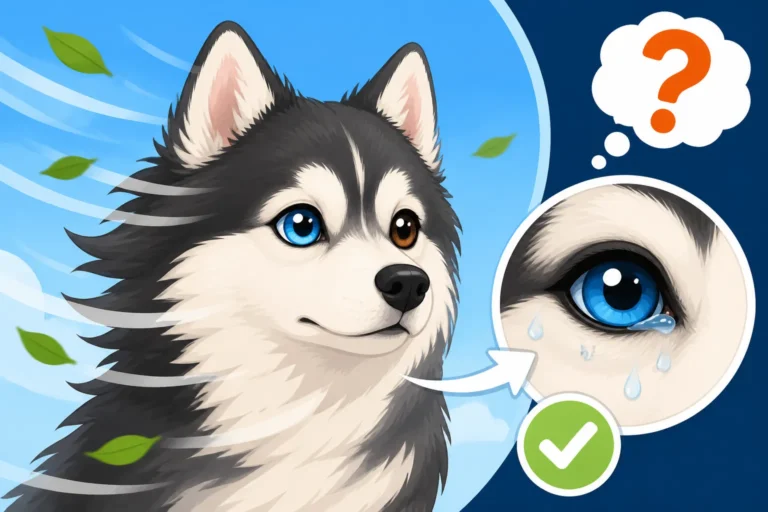
Whether a Pomsky Reacts to Its Food
It’s truly disheartening when your precious Pomsky isn't feeling their best, especially when you suspect their food might be the culprit. That incessant scratching, those unexplained tummy troubles, or even just a general "off" feeling can leave any loving dog parent feeling helpless and frustrated. This comprehensive guide is here to walk you through everything you need to know about food reactions in Pomskies, from understanding the subtle signs to implementing effective management strategies.
Understanding Food Reactions in Your Pomsky
When your Pomsky shows signs of discomfort after eating, it's natural to jump to the conclusion of a food allergy. However, the world of adverse food reactions in dogs is a bit more nuanced than that. It's crucial to understand the difference between a true food allergy and a food intolerance, as their underlying mechanisms and sometimes their management can vary.
Differentiating Food Allergies from Intolerances
A true food allergy in a Pomsky, much like in humans, involves an immune system response. The dog's body mistakenly identifies a harmless protein in the food as a threat and launches an attack. This immune reaction can be immediate or delayed, manifesting as itchy skin, hives, facial swelling, or severe gastrointestinal upset like vomiting and diarrhea. Food allergies are relatively rare, affecting a small percentage of the canine population, but when they do occur, they can be quite distressing for your pup. The symptoms are often consistent and recur every time the offending ingredient is consumed, even in tiny amounts.
On the other hand, a food intolerance is a non-immune mediated reaction. It's more akin to lactose intolerance in humans. The dog's digestive system simply can't process a particular ingredient properly. This might be due to a lack of a specific enzyme, sensitivity to certain additives, or even consuming too much of a rich food. Symptoms of intolerance are typically gastrointestinal – think gas, bloating, loose stools, or mild vomiting – but usually won't involve the intense itching or skin rashes seen with true allergies. While uncomfortable, intolerances are generally less severe and not life-threatening. They might also depend on the quantity of the offending food consumed; a small amount might be tolerated, while a larger portion triggers symptoms.
Common Culprits in Dog Food
The most common food allergens in dogs aren't exotic ingredients you've never heard of; ironically, they're often the proteins found in the most common dog foods. According to veterinary dermatologists, proteins are the primary triggers because the immune system reacts to these larger molecules. The usual suspects include beef, dairy, chicken, wheat, and lamb. These ingredients appear so frequently in commercial dog foods that a Pomsky can develop a sensitivity after prolonged exposure. It's less about the ingredient itself being inherently "bad" and more about the immune system's repeated exposure and subsequent overreaction.
Beyond these, other potential, though less common, culprits can include soy, corn, fish, and eggs. It's important to remember that a Pomsky can develop an allergy to any protein source they've been regularly exposed to, even if they've eaten it for years without an issue. This can make pinpointing the exact cause quite challenging, leading many owners down a long road of trial and error before they find relief for their itchy or upset pup.
Recognizing the Signs Your Pomsky Might Be Reacting to Food
Identifying a food reaction in your Pomsky can be tricky because the symptoms often overlap with other health issues, such as environmental allergies or parasites. However, paying close attention to specific signs, especially if they are chronic or occur year-round, can help you narrow down the possibilities.
Skin and Coat Issues
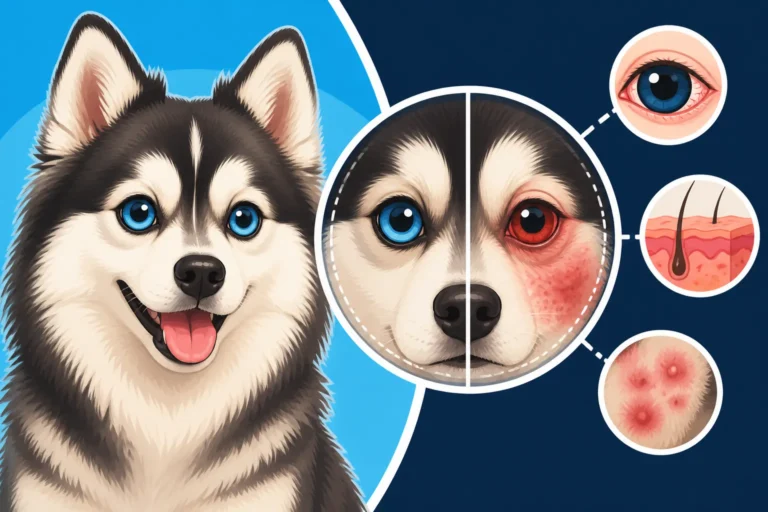
One of the most common ways a Pomsky will signal a food sensitivity or allergy is through their skin and coat. You might notice relentless itching, often localized around the ears, paws, belly, and hindquarters. Your Pomsky might scratch themselves raw, leading to secondary skin infections or "hot spots" – those red, inflamed, often oozing lesions that are just miserable for your dog. If you’ve ever had to deal with a severe case of Hot Spots Under a Pomsky's Undercoat, you know how quickly these can escalate.
Chronic ear infections, despite regular cleaning, can also be a tell-tale sign. The skin inside the ears can become red, inflamed, and sometimes yeasty, leading to a strong odor. Excessive paw licking, chewing, or even biting their feet until they're irritated is another very common symptom. If you frequently wonder Whether a Pomsky Licks Its Paws and it's not just a quick self-grooming session, it could be a clue. The coat itself might look dull, dry, or greasy, and you might observe areas of hair loss, particularly on the belly or around the rear, due to constant scratching. Some Pomskies might even develop Whether a Pomsky Gets Yeast in Its Coat which can exacerbate itching and lead to further skin issues.
Digestive Upset
Beyond skin issues, gastrointestinal problems are another significant indicator of a food reaction. These can range from mild annoyance to severe discomfort for your Pomsky. Chronic soft stools or diarrhea that doesn't resolve with standard dietary adjustments, or persistent vomiting, especially shortly after eating, are red flags. You might also notice increased flatulence, gurgling stomach noises, or a noticeable change in stool consistency or frequency.
Some Pomskies with food sensitivities might experience a subtle but ongoing discomfort, leading to a generally grumpy demeanor or a reluctance to eat. They might pick at their food or seem less enthusiastic about meal times, which is unusual for a typically food-motivated breed mix. While it’s not always related to food, persistent digestive issues are certainly worth investigating with your vet.
Behavioral Changes and Less Obvious Symptoms
Sometimes, the signs of a food reaction aren't as clear-cut as itching or diarrhea. These less obvious symptoms can be easy to miss or attribute to other causes. For instance, a Pomsky experiencing chronic discomfort from an undetected food intolerance might exhibit behavioral changes. They could become more irritable, restless, or lethargic. If your once energetic pup suddenly seems to lack enthusiasm for their daily The Exercise a Pomsky Needs Every Day, it could be a symptom of an underlying issue making them feel unwell.
Other subtle signs might include unexplained weight loss, despite eating, or poor growth in puppies. In some cases, a Pomsky might also show signs of general malaise, such as a dull coat, poor body condition, or even recurrent respiratory issues, although these are less commonly linked directly to food reactions. It's like a puzzle, and all these pieces, big and small, help paint a clearer picture of your Pomsky's overall health and well-being.
Navigating Diagnosis and Management for Your Pomsky
Once you suspect a food reaction in your Pomsky, the next steps involve careful diagnosis and a strategic approach to management. This process requires patience, consistency, and close collaboration with your veterinarian. It’s not always a quick fix, but finding the right solution can dramatically improve your Pomsky’s quality of life.
The Elimination Diet Your Best Tool
The gold standard for diagnosing food allergies or intolerances in dogs is an elimination diet, also known as a food trial. This isn't a simple switch to a different bag of kibble; it's a rigorous process that involves feeding your Pomsky a novel protein and carbohydrate source that they have never eaten before. This means absolutely no treats, chews, table scraps, or flavored medications that aren't specifically approved for the diet. Every single bite your dog consumes during this period must contain only the novel ingredients.
Typically, an elimination diet lasts for at least 8 to 12 weeks, sometimes longer, until all symptoms resolve. Common novel protein sources include venison, duck, rabbit, or even kangaroo, paired with carbohydrates like potato or sweet potato. There are excellent prescription diets designed specifically for elimination trials, such as those from Royal Canin or Hill's Prescription Diet, which offer hydrolyzed protein options where the proteins are broken down into such small particles that the immune system doesn't recognize them as allergens. After the trial period, if symptoms have improved or resolved, your vet will guide you through a "challenge" phase, reintroducing old ingredients one by one to identify the specific trigger. This process can be challenging, but it's the most reliable way to pinpoint the problematic food.
Beyond Diet Supporting Your Pomsky's Gut and Skin
While diet is paramount, supporting your Pomsky’s gut and skin health can play a significant role in recovery and long-term management. Probiotics, for example, can help restore a healthy balance of gut bacteria, especially if your Pomsky has been on antibiotics for secondary infections or has chronic digestive upset. A healthy gut microbiome is crucial for overall immune function and nutrient absorption.
Supplements like omega-3 fatty acids (fish oil) are well-known for their anti-inflammatory properties and can greatly benefit skin and coat health, helping to soothe itchiness and improve the quality of their fur. If your Pomsky is prone to conditions like Zinc Responsive Dermatosis, which some northern breeds inherit, supplementing with zinc might also be necessary, especially if you’ve already explored Whether a Pomsky Needs Extra Zinc. Always discuss any supplements with your vet to ensure they are appropriate and won't interfere with their diet or other medications. Remember, it's about holistic care to help your Pomsky truly thrive.
When to Consult Your Vet and Insurance
It's absolutely critical to involve your veterinarian from the very first suspicion of a food reaction. They can rule out other conditions that present with similar symptoms, such as parasites, environmental allergies, or metabolic diseases. Your vet will guide you through the elimination diet process, recommend appropriate prescription foods, and monitor your Pomsky’s progress. They can also perform diagnostic tests like skin scrapings, cytology for ear infections, or blood work to check for other underlying issues.
The costs associated with diagnosing and managing food allergies can add up, from vet visits and specialized diets to potential medications for secondary infections. This is where pet insurance can be a real lifesaver. Many reputable pet insurance providers, like Healthy Paws, offer coverage for chronic conditions, including diagnosed food allergies and related treatments, provided the condition isn't pre-existing. It's always a good idea to research different policies and understand what they cover, as early enrollment can provide significant financial peace of mind when facing a long-term health issue like a food allergy. Understanding What a Skin Workup Costs on a Pomsky or What Treating Alopecia X Costs a Pomsky Owner (if skin issues are confused with that) can help you appreciate the value of comprehensive coverage.
Here's a quick comparison of common allergens and their typical symptoms:
| Common Allergen/Intolerance | Typical Symptoms | Severity | Diagnostic Approach |
|---|---|---|---|
| Chicken Protein | Itching, paw licking, ear infections, diarrhea, vomiting | Moderate to Severe | Elimination Diet, Rechallenge |
| Beef Protein | Itching, skin rashes, flatulence, loose stools | Moderate to Severe | Elimination Diet, Rechallenge |
| Dairy Products | Gas, bloating, diarrhea, occasional vomiting | Mild to Moderate | Elimination Diet, Rechallenge |
| Wheat/Gluten | Itching, poor coat quality, chronic soft stools | Mild to Moderate | Elimination Diet, Rechallenge |
| Soy | Skin irritation, digestive upset | Mild to Moderate | Elimination Diet, Rechallenge |
It can feel overwhelming at first, trying to figure out if Whether a Pomsky Gets Allergies is actually food-related, but with careful observation, an elimination diet, and your vet's guidance, you can absolutely get to the bottom of your Pomsky's discomfort. Your furry friend is counting on you to be their advocate, and seeing them finally comfortable and happy again is truly the best reward.
Disclaimer
Please remember that the information provided in this guide is for educational purposes only and should not replace professional veterinary advice. Always consult with a qualified veterinarian for any health concerns or before making any decisions about your Pomsky's diet, medical care, or treatment plan.