What Treating Alopecia X Costs a Pomsky Owner
It's truly heartbreaking to watch your beloved Pomsky start losing their beautiful coat, especially when it's due to something as confusing and frustrating as Alopecia X. The worry isn't just about their appearance; it's about their health and, let's be honest, the potential financial strain of figuring out what's going on and how to help them. This guide aims to shed light on the real costs involved in diagnosing and treating Alopecia X in your Pomsky, helping you prepare for the journey ahead and understand the commitment required.
The Initial Shock and Diagnostic Journey
When you first notice patches of hair loss on your Pomsky, it’s often a terrifying moment. You immediately worry about something serious, and the instinct is to rush to the vet. This initial visit and the subsequent diagnostic process are often where the first wave of costs hits, and it can be a frustrating period of waiting and testing.
Understanding the Symptoms and Initial Vet Visit
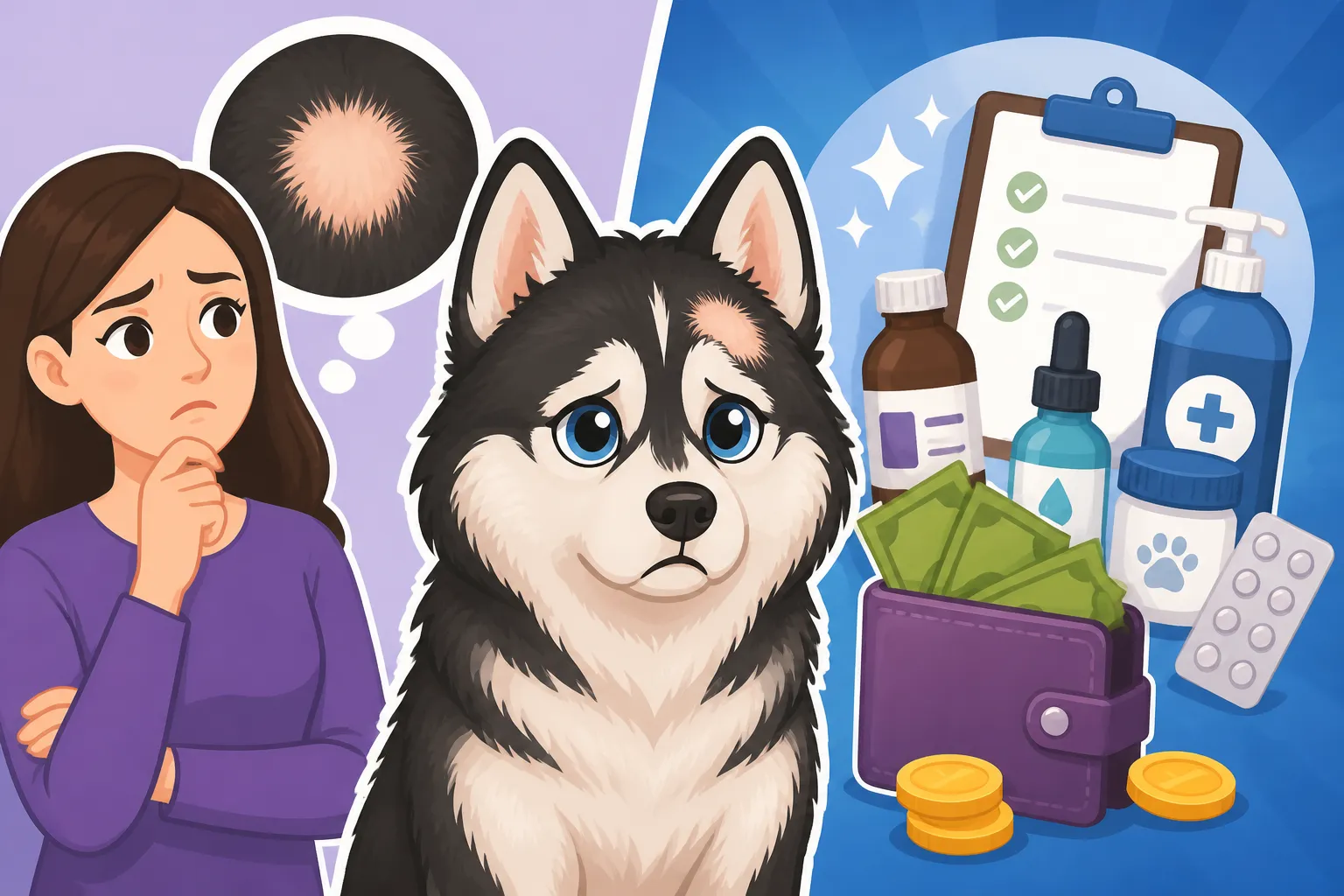
Alopecia X, sometimes known as Black Skin Disease or coat funk, manifests as non-itchy, progressive hair loss, often starting on the flanks, hindquarters, or tail. You might notice the guard hairs thinning first, leaving behind a soft, woolly undercoat, or sometimes complete baldness with darkened skin. Many owners report seeing The First Bald Patch on a Pomsky and then watching it spread. Your first vet visit will involve a thorough physical examination. The vet will look for signs of other illnesses, discuss your Pomsky's history, diet, and any recent changes. They might suggest initial tests to rule out common causes of hair loss. This initial consultation will have a base fee, and the first round of tests will add to it.
It’s completely normal to feel overwhelmed during this stage. The ambiguity of "Alopecia X" itself, meaning "hair loss X" or unknown cause, is unsettling. Owners often wish for a clear, immediate diagnosis, but with skin conditions, it's frequently a process of elimination. The goal at this point is to systematically exclude other possibilities before landing on a diagnosis of exclusion like Alopecia X. This systematic approach, while medically sound, does accrue costs with each step.
Ruling Out Other Causes of Hair Loss
Before Alopecia X can be diagnosed, your vet will need to rule out a host of other conditions that present with similar symptoms. This is crucial because many treatable conditions, if misdiagnosed, could lead to prolonged suffering for your Pomsky and wasted treatment efforts. Expect blood tests, skin scrapings, and potentially fungal cultures.
For instance, Whether a Pomsky's Coat Loss Is Thyroid or Alopecia X is a common question, so a comprehensive thyroid panel is usually one of the first and most important tests. Hypothyroidism can cause hair loss and dull coats, and thankfully, it's easily managed with medication. Similarly, your vet will want to rule out parasites like mites, which require skin scrapings examined under a microscope. Cushing's disease, or hyperadrenocorticism, can also mimic Alopecia X, so tests for adrenal gland function may be necessary. Whether Cushing's Looks Like Alopecia X in a Pomsky is another common diagnostic hurdle. Each of these tests carries its own cost, from the lab fees to the vet’s time for sample collection and interpretation. This "skin workup" can become quite extensive, and What a Skin Workup Costs on a Pomsky can vary significantly depending on the number and type of tests performed.
| Diagnostic Test | Purpose | Typical Cost Category |
|---|---|---|
| Initial Vet Consultation | Physical exam, history, preliminary assessment | Low to Moderate |
| Skin Scraping/Cytology | Check for parasites (mites), yeast, bacteria | Low |
| Fungal Culture | Rule out ringworm | Low to Moderate |
| Blood Panel (CBC/Chem) | Assess general health, organ function | Moderate |
| Thyroid Panel | Rule out hypothyroidism | Moderate to Significant |
| ACTH Stimulation Test | Screen for Cushing's disease (if suspected) | Significant |
| Skin Biopsy | Definitive diagnosis, rule out other dermatological issues | Significant |
Keep in mind that some of these tests might need to be repeated, especially if initial results are inconclusive or if your Pomsky isn't responding to treatment.
Initial Treatment Avenues and Their Costs
Once other conditions have been ruled out and Alopecia X is the working diagnosis, the focus shifts to management and treatment. There isn't a single cure, but rather a range of options aimed at improving coat growth and skin health. The costs here depend heavily on the chosen approach, which often involves a bit of trial and error.
Melatonin Supplementation
One of the most commonly suggested initial treatments for Alopecia X is melatonin. This readily available supplement can sometimes trigger new hair growth in affected dogs. The cost of melatonin itself is generally quite low, especially compared to prescription medications or extensive diagnostic tests. You can often find suitable canine-specific melatonin supplements through online retailers like Chewy, which can offer competitive pricing and convenient home delivery.
However, the efficacy of melatonin varies widely. Some Pomskies show remarkable improvement, with hair regrowth within weeks or months, while others see no change at all. What Melatonin Does for a Pomsky With Alopecia X can be a game-changer for some, but it's not a guarantee. The cost here is primarily for the supplement itself, which you'll likely purchase in bulk to administer daily for several months to assess its effectiveness. While the individual pill cost is small, the long-term commitment adds up. Your vet will advise on the correct dosage, which is crucial for safety and effectiveness.
The Role of Neutering or Spaying
For intact male and female Pomskies, neutering or spaying is often considered a potential treatment, particularly if the hair loss started around puberty. The theory is that altering hormone levels can sometimes stimulate hair regrowth. For some owners, this isn't just about managing Alopecia X; it's a decision they were already considering for other health and behavioral reasons.
The cost associated with this treatment is the surgical procedure itself. This includes pre-anesthetic blood work, the anesthesia, the surgery, pain medication, and post-operative check-ups. These costs can be substantial, and it’s important to remember that, like melatonin, neutering/spaying doesn't guarantee a return of the coat. Whether Neutering Triggers a Pomsky's Coat Loss is a complex question, as some dogs develop Alopecia X after being spayed or neutered, while for others, the procedure can stimulate growth. It's a significant decision, both medically and financially, and should be discussed thoroughly with your vet, weighing the potential benefits against the costs and the possibility of no improvement.
Specialized Shampoos and Topical Treatments
Alongside internal treatments, many Pomsky owners explore topical therapies to support skin health and encourage coat regrowth. These can include specialized shampoos, conditioners, and leave-in treatments designed for sensitive skin, coat health, or even to address secondary skin issues. When What Alopecia X Does to a Pomsky's Coat, the skin beneath can become dry, flaky, or even prone to secondary infections.
These products typically range from moderate to high in cost, especially if they contain medicated ingredients. You might find yourself experimenting with a few different brands to see what works best for your Pomsky’s skin and coat. Some owners prefer to purchase these from their vet, while others look to pet specialty stores or large online retailers for a wider selection. Brands available through platforms like Chewy or your local pet store often include options that are gentle, moisturizing, or contain ingredients like oatmeal or essential fatty acids. While they don't cure Alopecia X, they can certainly improve comfort and the appearance of the skin and remaining coat, potentially reducing irritation that could worsen hair loss.
Long-Term Management and Ongoing Expenses
Alopecia X is typically a chronic condition, meaning treatment often involves long-term management rather than a quick fix. This translates into ongoing costs for medication, supplements, veterinary visits, and specialized care.
Ongoing Medication and Supplement Costs
If your Pomsky responds well to a particular supplement or medication, you'll need to factor in the recurring cost of keeping them supplied. This could be daily melatonin, prescription medications aimed at hormone modulation (though these are less common and more carefully considered due to potential side effects), or even other supplements like essential fatty acids to improve skin and coat quality.
These ongoing costs can add up over months and years. For example, if you're sourcing high-quality supplements or specialized diets (such as some options from Ollie that focus on whole, fresh ingredients for overall health, which can indirectly support skin and coat), your monthly budget will need to accommodate these. The key here is consistency; once you find what works, sticking to the regimen is important for maintaining any progress in coat regrowth or skin health. Don't forget that these medications might require periodic blood tests to ensure safe and effective dosing, adding another layer to the cost.
Regular Vet Check-Ups and Monitoring
Even if your Pomsky's Alopecia X is well-managed, regular veterinary check-ups are essential. Your vet will want to monitor their overall health, assess the skin and coat condition, and discuss any changes. These visits allow for early detection of secondary issues, adjustments to treatment plans, and monitoring for potential side effects of any ongoing medications.
These routine appointments, usually once or twice a year, will incur consultation fees. If your Pomsky is on any specific medications that require blood monitoring, those lab tests will be an additional, recurring expense. For example, if they are on a medication that affects liver or kidney function, regular blood work is vital for their safety. This proactive monitoring is a non-negotiable part of responsible pet ownership for chronic conditions and contributes significantly to the overall lifetime cost of managing Alopecia X.
Managing Secondary Skin Infections
One of the most common complications of Alopecia X is secondary skin infections. The exposed skin, sometimes thin or hyperpigmented, can become vulnerable to bacterial or yeast overgrowth, leading to itching, redness, and further discomfort. When Whether a Pomsky With Alopecia X Sunburns is a concern, as compromised skin can also be more susceptible to environmental damage.
Treating these infections involves additional veterinary visits, diagnostic tests (like skin cytology to identify the type of infection), and prescription medications. These might include oral antibiotics or antifungals, medicated shampoos, or topical creams. Each flare-up means another trip to the vet, the cost of the exam, and the cost of the medications. These episodes can be unpredictable and certainly add to the financial burden, often costing more per instance than the ongoing maintenance therapy. It's a frustrating cycle for owners, as just when you think you have things under control, a new infection can crop up.
Financial Planning and Support for Alopecia X Treatment
Managing a chronic condition like Alopecia X requires not just emotional resilience, but also sound financial planning. The costs are not always a one-time hit but rather a continuous outflow, making budgeting and exploring support options critical.
Pet Insurance Considerations
Many Pomsky owners find pet insurance invaluable for managing unexpected vet bills and chronic conditions. However, with Alopecia X, it's essential to understand how policies handle pre-existing conditions. If your Pomsky was diagnosed with Alopecia X or showed symptoms before you enrolled in a policy, it will likely be excluded from coverage. This is a crucial point to understand, and it's why many recommend insuring puppies early.
If you have a young Pomsky with no symptoms, obtaining a comprehensive policy from a provider like Healthy Paws, which is known for covering chronic conditions, could be a smart long-term strategy. Always read the policy details carefully regarding breed-specific conditions, hereditary issues, and what constitutes a pre-existing condition. Some plans might cover diagnostics and treatments for conditions that manifest later in life, provided they weren't present or suspected before enrollment. Pet insurance can certainly ease the financial stress of managing a lifelong condition, but it requires foresight. Insuring a Pomsky Against Two Parent Breeds can sometimes lead to questions about coverage, so clarity from the insurer is key.
Budgeting for Chronic Conditions
Creating a dedicated budget for your Pomsky's healthcare, especially when they have a chronic condition like Alopecia X, is incredibly important. Instead of being caught off guard by each vet bill, setting aside a regular amount can help smooth out the financial peaks and valleys. This might mean an emergency fund specifically for pet health, or simply allocating a portion of your monthly budget for their needs.
Consider the potential range of costs – from low-cost melatonin to significant surgical procedures if recommended, and recurring costs for medicated shampoos or follow-up appointments. Think about the potential for unexpected secondary infections. Having a realistic understanding of these financial demands can help you make informed decisions and reduce stress. Setting Money Aside for a Pomsky's Vet Bills is a prudent move for any pet owner, but especially those with breeds prone to specific health challenges.
Exploring Alternative and Supportive Therapies
Beyond conventional veterinary treatments, some Pomsky owners explore complementary or alternative therapies to support their dog's overall health and skin condition. These might include dietary changes, herbal supplements, or acupuncture. While these aren't typically a primary treatment for Alopecia X, they can sometimes offer supportive benefits.
For example, ensuring your Pomsky is on a high-quality, balanced diet can improve overall skin and coat health. Some owners might explore specialized foods or supplements available from brands like Ollie or Chewy, focusing on ingredients known to support dermatological health. The costs for these therapies vary wildly; some holistic vets offer acupuncture sessions, while specialized diets can be a significant monthly expense. It's crucial to discuss any alternative therapies with your primary veterinarian to ensure they are safe, don't interfere with other treatments, and are genuinely beneficial for your Pomsky's specific situation. While the goal is to help your beloved Pomsky, always prioritize their safety and well-being, and be wary of quick fixes that seem too good to be true.
Disclaimer
This article is for general informational purposes only and does not constitute professional advice. Laws, prices and regulations vary by location and change over time. Consult a qualified professional for guidance on your specific situation.