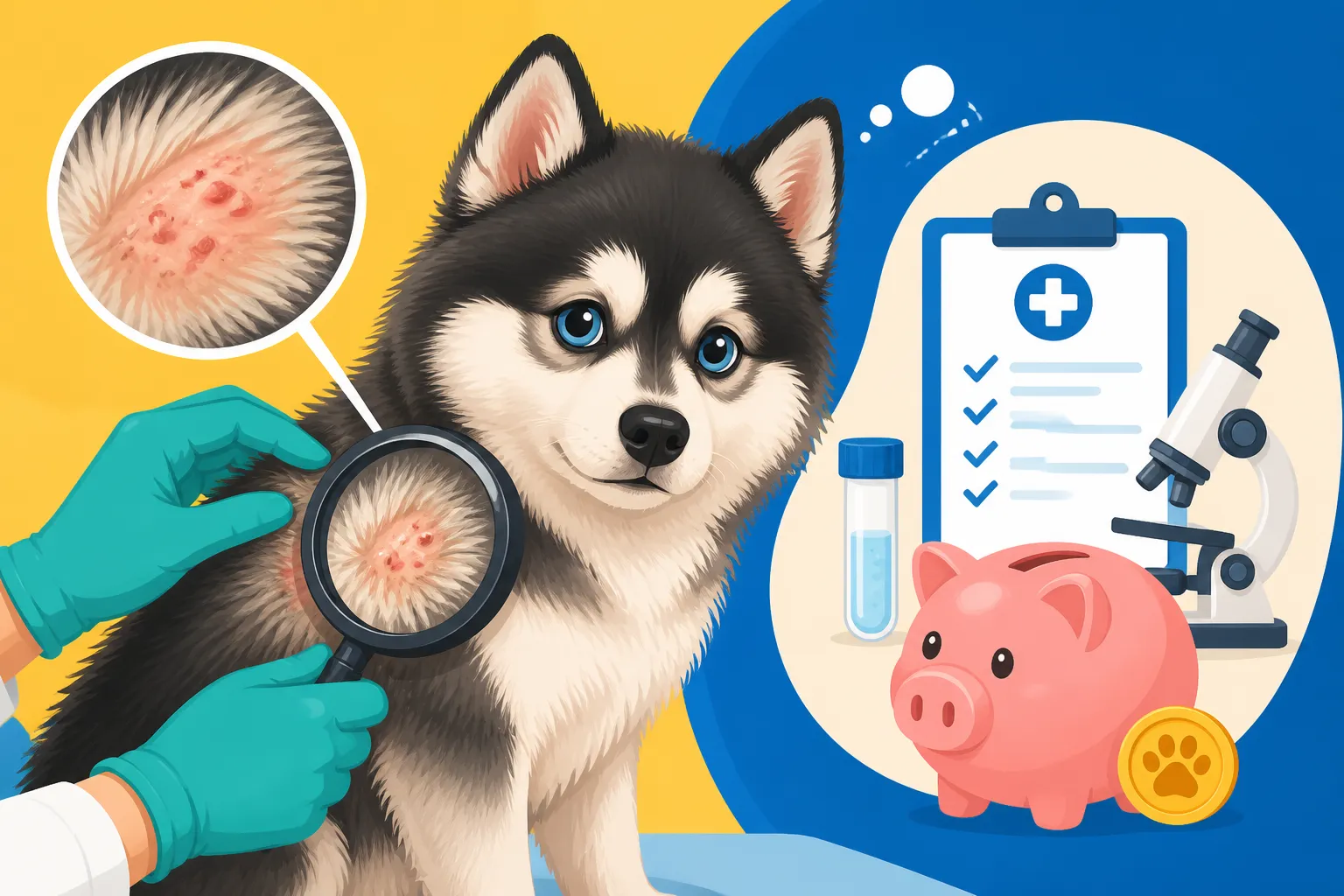
What a Skin Workup Costs on a Pomsky
It's truly heartbreaking when your adorable Pomsky starts scratching incessantly, developing red patches, or losing fur, leaving you feeling helpless and worried. You just want them to be comfortable, but the thought of endless vet visits and mounting bills can be daunting. This guide will walk you through the various costs associated with getting a thorough skin workup for your Pomsky, from initial consultations to advanced diagnostics and ongoing management, so you can understand what to expect financially and get your furry friend back to comfort.
Initial Veterinary Consultation and Diagnostics
When your Pomsky first starts showing signs of skin trouble, your general practice veterinarian is usually the first stop. This initial visit is crucial for getting a baseline assessment and ruling out the most common issues. It can feel like a big step, especially when you're not sure what's going on, but it's the fastest path to understanding and relief for your pup.
The First Vet Visit: What to Expect and Initial Fees
Your first veterinary appointment for a skin issue will typically involve a comprehensive physical examination. Your vet will examine your Pomsky's skin and coat from nose to tail, looking for redness, lesions, hair loss patterns, parasites, and any unusual odors. They'll ask you a lot of questions about when the problem started, if it's seasonal, what you've tried at home, and your Pomsky's diet and lifestyle. Don't be surprised if they also ask about other symptoms like ear scratching, paw licking, or digestive upset, as these can all be connected to skin health.
The fee for this initial consultation can vary widely based on your location and the clinic's pricing structure. In larger metropolitan areas, you might expect a higher fee compared to rural clinics. This fee covers the vet's time, expertise, and the basic examination. Remember, a good vet takes their time to listen to your concerns and thoroughly assess your Pomsky, which is invaluable.
During this visit, your vet might already have some suspicions, but they'll likely recommend some basic diagnostic tests to confirm a diagnosis or narrow down the possibilities. This proactive approach helps avoid simply treating symptoms without knowing the root cause, which can save you money and frustration in the long run. It's frustrating to keep trying things that don't work, and good diagnostics aim to prevent that cycle.
Basic Diagnostic Tests: Skin Scrapes, Cytology, and Bloodwork
Once the initial exam is complete, your vet will often suggest a few non-invasive tests right there in the clinic. These are usually quick, minimally stressful for your Pomsky, and relatively inexpensive compared to more advanced procedures. They are often the bread and butter of diagnosing common skin conditions.
Skin Scrapes: These involve gently scraping a small area of skin with a dull blade to collect superficial cells and debris. The sample is then examined under a microscope to look for mites, such as Demodex or Sarcoptes, which can cause intense itching and hair loss. Mites are a common culprit for skin problems in dogs, and catching them early is important for effective treatment.
Cytology (Tape Preps and Swabs): For cytology, your vet might press a piece of clear tape onto an affected area of skin or use a cotton swab to collect discharge from a pustule or ear. This sample is then stained and examined under the microscope for bacteria or yeast. It's amazing how much information a tiny sample can provide, especially when dealing with pesky yeast infections that love to hide in skin folds or ears, or bacterial infections that cause redness and pustules. These simple tests can quickly tell you if you're dealing with an infection that needs antibiotics or antifungals.
Basic Bloodwork: While not always the first step for every skin issue, basic bloodwork can be very insightful, especially if your vet suspects an underlying systemic problem. A complete blood count (CBC) can reveal signs of infection or inflammation, while a chemistry panel can assess organ function and identify metabolic imbalances. For instance, if your Pomsky is also showing signs like lethargy or weight changes, bloodwork might be recommended to check for conditions like hypothyroidism, which can manifest with poor coat quality and skin issues. Whether a Pomsky's Coat Loss Is Thyroid or Alopecia X is a common concern that bloodwork can help differentiate. Sometimes, a skin issue is just the tip of the iceberg for a broader health concern.
The costs for these basic tests are usually added to the consultation fee. You're typically looking at individual charges for each test performed, which can add up but are usually far less than specialty care. Think of them as essential detective work that helps hone in on the problem quickly.
Advanced Diagnostic Testing and Specialist Referrals
Sometimes, the initial tests don't give a clear answer, or the problem is more complex than a simple infection or parasites. This is when your vet might suggest more advanced diagnostics or, more commonly, refer you to a veterinary dermatologist. It can feel disheartening to not have an immediate answer, but it's a sign that your vet is committed to finding the right solution and knows when to call in specialized expertise.
Allergy Testing: Intradermal and Serum Options
Allergies are a huge cause of chronic skin problems in Pomskies, just like in people. If your vet suspects environmental or food allergies, they might recommend specific allergy testing. This is where things can get a bit more involved and costly, but it's often the key to long-term management.
Intradermal Skin Testing (IDST): This is often considered the "gold standard" for diagnosing environmental allergies (atopy). It involves a veterinary dermatologist injecting tiny amounts of common allergens (like pollens, dust mites, and molds) into your Pomsky's skin, usually on the side of their chest, after a light sedation. The specialist then monitors the skin for reactions, similar to human allergy testing. This test provides a detailed map of exactly what environmental allergens your Pomsky is reacting to, which is incredibly useful for guiding desensitization therapy. Because it requires a specialist and sedation, it's a more significant investment.
Serum Allergy Testing (Blood Test): This is a less invasive option where a blood sample is sent to a specialized lab to measure antibodies against various environmental and food allergens. While it can be done by your general vet, the interpretation and follow-up are often best discussed with a dermatologist. Some owners find this option more appealing due to its convenience. While valuable, some dermatologists prefer intradermal testing for accuracy in guiding treatment. Both methods offer insights, but their costs and implications for treatment can differ. Whether a Pomsky Gets Allergies is a very real concern for many owners.
For food allergies, your vet will likely recommend an elimination diet trial rather than a blood test. This involves feeding a novel protein or hydrolyzed protein diet for several weeks to months, and then gradually reintroducing ingredients to identify the culprit. While the food itself can be more expensive (especially prescription diets), the "test" itself doesn't incur a separate lab fee, though vet check-ups during the trial will.
Skin Biopsies and Histopathology
When there are unusual lesions, growths, or if other tests haven't yielded a diagnosis, a skin biopsy might be necessary. This involves surgically removing a small piece of affected skin tissue for microscopic examination by a veterinary pathologist. This is a definitive diagnostic tool for many complex skin conditions, including autoimmune diseases, certain infections, and various types of skin cancer.
The procedure usually requires sedation or general anesthesia, depending on the location and size of the biopsy site. The cost will include the anesthesia, the biopsy procedure itself, and the pathology lab fees for analysis. While it sounds serious, a biopsy provides crucial information that can prevent months or years of incorrect treatments and gives a clear path forward. It's often the final piece of the puzzle for truly baffling skin conditions. This is where you really start getting into the higher end of diagnostic costs.
A pathologist will examine the tissue slices under a microscope, looking at cellular structures and patterns to determine the exact nature of the skin problem. This detailed analysis is what gives you the definitive diagnosis that allows for targeted treatment. Conditions like Zinc Responsive Dermatosis in a Pomsky or unusual inflammatory responses can often only be definitively diagnosed through biopsy.
Consulting a Veterinary Dermatologist
If your Pomsky's skin issues are chronic, severe, or resistant to initial treatments, your general practitioner will likely recommend a referral to a board-certified veterinary dermatologist. These specialists have advanced training and expertise specifically in animal skin conditions, making them exceptionally skilled at diagnosing and managing complex cases. This is often the point where many owners breathe a sigh of relief, knowing they are getting the highest level of specialized care.
A consultation with a dermatologist typically starts with a thorough review of your Pomsky's entire medical history, often taking an hour or more. They will perform their own detailed examination and may repeat or recommend additional diagnostic tests. Their expertise allows them to interpret findings in a way general practitioners might not, and they often have access to specialized equipment or treatments.
The fees for a specialist consultation are generally higher than a regular vet visit, reflecting their advanced training and specific expertise. Any tests performed by the dermatologist, such as intradermal allergy testing or biopsies, will be added to this consultation fee. While these costs can be substantial, getting an accurate diagnosis and an effective, long-term treatment plan from an expert can ultimately save you money by avoiding ineffective treatments and chronic discomfort for your Pomsky.
Think of it this way: your family doctor is amazing for everyday health, but if you had a complex heart issue, you'd want to see a cardiologist. It's the same principle for your Pomsky's skin.
| Diagnostic Test | Purpose | Typical Cost Category (Relative) |
|---|---|---|
| Initial Vet Consult | General assessment, history, basic exam | Low – Moderate |
| Skin Scrape | Detect mites (Demodex, Sarcoptes) | Low |
| Cytology (Tape Prep/Swab) | Identify bacteria, yeast, inflammatory cells | Low |
| Basic Bloodwork | Rule out systemic issues (e.g., thyroid) | Moderate |
| Serum Allergy Test | Screen for environmental/food allergies (blood sample) | Moderate – High |
| Intradermal Allergy Test | Definitive environmental allergy diagnosis (specialist) | High |
| Skin Biopsy & Histopathology | Diagnose complex conditions, tumors (requires sedation) | High |
| Specialist Consultation | Expert diagnosis and treatment plan for complex cases | Moderate – High (per visit) |
Note: These are general categories. Actual costs vary greatly by region, clinic, and complexity.
Ongoing Management and Hidden Costs
Getting a diagnosis is a huge step, but for many chronic skin conditions, the journey doesn't end there. Ongoing management, medication, and lifestyle adjustments are often necessary, and these come with their own set of costs. It's important to factor these into your budget for the long haul. This is where the true cost of caring for a Pomsky with a chronic skin condition really begins to reveal itself.
Medication and Therapeutic Treatments
Once a diagnosis is made, your Pomsky will likely need medication or specific therapeutic treatments to manage their condition. This could range from oral medications to topical treatments, medicated shampoos, or even specialized injections.
Oral Medications: These can include antibiotics for bacterial infections, antifungals for yeast, anti-inflammatory drugs like steroids (which vets try to avoid long-term due to side effects), or newer immunosuppressants for allergic skin disease. The cost of these medications can vary significantly depending on the drug, your Pomsky's size (which dictates dosage), and whether generic options are available. Some of these medications need to be given long-term, so consistent budgeting is key.
Topical Treatments: Medicated shampoos, mousses, sprays, and creams are often prescribed to soothe irritated skin, kill bacteria or yeast, or deliver active ingredients directly to the affected area. While seemingly small purchases, these specialized products can add up, especially if used frequently. For instance, medicated baths can be a regular part of managing conditions like Hot Spots Under a Pomsky's Undercoat or chronic yeast infections.
Allergy Immunotherapy: If your Pomsky is diagnosed with environmental allergies via IDST, the dermatologist might recommend allergy shots or oral drops (immunotherapy). This treatment aims to desensitize your Pomsky to the allergens they react to, reducing their allergic response over time. This is a long-term commitment, often for the life of your dog, but it can significantly improve their quality of life and reduce the need for other medications. The initial preparation of the serum and ongoing refills represent a recurring expense.
The Role of Diet and Supplements
For many Pomskies with skin issues, particularly allergies, diet plays a crucial role. Switching to a specialized diet can be a significant part of the management plan.
Prescription Diets: If food allergies are suspected or diagnosed, your vet might prescribe a novel protein or hydrolyzed protein diet. These diets are specifically formulated to reduce allergic reactions by using proteins your dog hasn't been exposed to before or by breaking down proteins into components too small to trigger an immune response. These specialized kibbles or wet foods can be more expensive than conventional dog food, but they are vital for managing food sensitivities. Retailers like Chewy often carry these prescription diets, making them accessible.
Supplements: Certain supplements can support skin and coat health, especially for dogs with chronic issues. Omega-3 fatty acids, for instance, have anti-inflammatory properties that can benefit the skin barrier. Zinc supplements might be recommended for specific conditions like Zinc Responsive Dermatosis in a Pomsky. While not a cure, these can be a valuable addition to a comprehensive treatment plan. Always consult your vet before adding any supplements, as some can interact with medications or be harmful in incorrect dosages. You can often find reputable supplements through pet supply retailers or directly from your vet. For those interested in more natural options or fresh food solutions, companies like Ollie offer tailored meal plans which, while a higher recurring cost, can sometimes alleviate symptoms for dogs with sensitivities.
Changing your Pomsky's diet might seem like a simple switch, but for many it's a significant financial adjustment. It's an investment in their long-term comfort and health.
Pet Insurance Considerations
Facing potentially high diagnostic and treatment costs for your Pomsky's skin issues can be incredibly stressful. This is where pet insurance can be a lifesaver, provided you have a policy in place before symptoms begin. Many owners regret not getting insurance until after a chronic condition arises.
Coverage for Skin Conditions: Most comprehensive pet insurance policies will cover diagnostic tests, medications, and specialist visits for new, unexpected illnesses, including skin conditions. However, it's absolutely crucial to understand the terms of your policy regarding pre-existing conditions. If your Pomsky had skin issues before you enrolled them, or during the waiting period, those specific problems will likely be excluded from coverage. This is why getting insurance when your Pomsky is a healthy puppy is often recommended. Insuring a Pomsky Against Two Parent Breeds discusses how certain genetic predispositions might be viewed by insurers, though general skin allergies are usually covered if not pre-existing.
Deductibles, Reimbursement Rates, and Annual Limits: Pet insurance plans typically involve a deductible (an amount you pay out-of-pocket before coverage kicks in), a reimbursement rate (the percentage of eligible veterinary bills the insurer pays back), and an annual limit (the maximum amount the policy will pay in a year). It's important to understand these figures for your specific plan. For example, a policy might have an annual deductible of a few hundred dollars, reimburse 80-90% of covered costs, and have a generous annual limit. Providers like Healthy Paws are known for their comprehensive accident and illness plans, but again, always check their specific terms regarding pre-existing conditions and what their plans entail.
While pet insurance does involve a monthly premium, it can provide immense peace of mind and financial relief when unexpected health issues arise. For chronic skin conditions requiring ongoing specialist care and expensive medications, having insurance can make a huge difference in your ability to provide the best care without financial strain. It allows you to focus on your Pomsky's health rather than worrying about the bill. What a Pomsky's Vet Bills Look Like can give you a broader perspective on general veterinary expenses.
Disclaimer
This article is for general informational purposes only and does not constitute professional advice. Laws, prices and regulations vary by location and change over time. Consult a qualified professional for guidance on your specific situation.