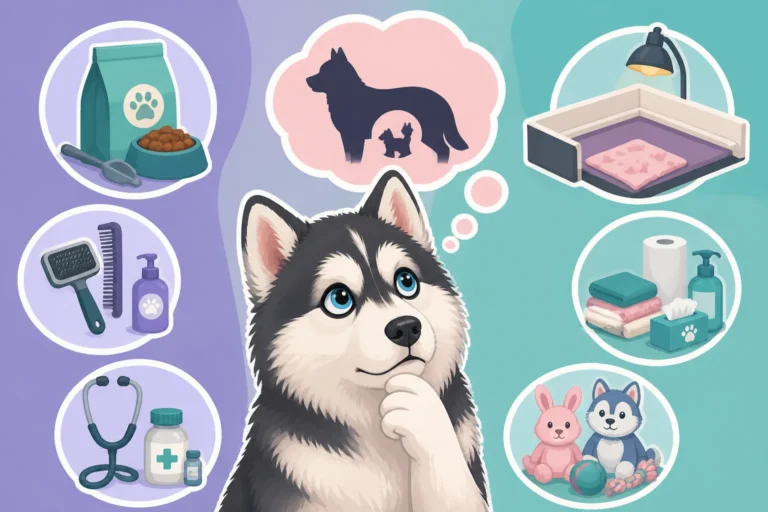
Whether a Pomsky Needs Supplements
It's completely natural to wonder if your beloved Pomsky needs supplements. With so much information, and often misinformation, swirling around online, trying to figure out if your dog's diet is "enough" can feel like walking through a minefield. You want the best for your furry family member, of course, and sometimes it seems like every pet store shelf is screaming about the latest miracle powder or chew. This guide is here to help you cut through the noise and understand when, and if, supplements are truly beneficial for your unique Pomsky.
Understanding the Basics: Do All Dogs Need Supplements?
Before we dive into the specific needs of our charming Pomskies, let's address the elephant in the room: the general idea of supplements for dogs. Many dog owners feel a pull towards adding vitamins, minerals, or other dietary aids to their dog's bowl, often out of a loving desire to boost their pet's health, prevent future problems, or even just as a "just in case" measure. It’s easy to get caught up in the idea that if a little bit of something is good, more must be better, or that commercial kibble just isn't cutting it.
The truth is, for the vast majority of healthy dogs, a high-quality, complete, and balanced commercial dog food is formulated to provide all the nutrients they need. Think about it: reputable dog food manufacturers invest heavily in nutritional science to ensure their products meet established dietary guidelines for dogs at different life stages, whether they're growing puppies, active adults, or wise seniors. These foods contain a precise balance of proteins, fats, carbohydrates, vitamins, and minerals. Adding extra supplements haphazardly can actually throw off this delicate balance, potentially leading to an overdose of certain nutrients, which can be just as harmful as a deficiency. For instance, too much calcium can cause skeletal problems in large-breed puppies, and excessive fat-soluble vitamins (A, D, E, K) can accumulate to toxic levels.
However, the "majority of healthy dogs" isn't every dog. There are certainly situations where supplements are not just beneficial, but truly necessary, and these usually involve specific health conditions, dietary restrictions, or unique life stages. This is where the individuality of our Pomskies comes into play.
Pomsky-Specific Health Concerns and Potential Supplement Support
Pomskies, being a hybrid breed, inherit a delightful mix of traits from both the Siberian Husky and the Pomeranian. This blend is what makes them so captivating, but it also means they can inherit potential predispositions to health issues from both sides of their family tree. Understanding these possibilities can help you have an informed conversation with your vet about whether certain supplements might be proactively or reactively helpful.
One of the most common concerns for Pomsky owners, especially as their dogs age or if they're particularly active, often revolves around joint health. Huskies are known to have a predisposition to conditions like Hip Dysplasia in a Twenty Pound Pomsky, and Pomeranians can be prone to Slipping Kneecaps in a Pomsky (patellar luxation). While a supplement won't fix structural issues, things like glucosamine and chondroitin are often recommended by vets to support joint cartilage and reduce inflammation in dogs with existing joint problems or those at high risk. Omega-3 fatty acids, commonly found in fish oil, are another popular choice for their anti-inflammatory properties, which can aid joint comfort and even contribute to a healthy coat.
Another area that sometimes crops up is skin and coat health. Pomskies have that gorgeous double coat, and while it's usually resilient, issues can arise. Sometimes, dogs, including Pomskies, can experience conditions like Zinc Responsive Dermatosis in a Pomsky, where their body doesn't absorb zinc properly from their diet, leading to skin issues. In such cases, a vet-prescribed zinc supplement is absolutely crucial. Beyond specific deficiencies, some owners might consider fatty acid supplements for a shinier coat or to help manage seasonal dryness or minor irritations. For more on coat health, you might find The Pomsky That Carries a Husky Coat at Twenty Pounds interesting.
Then there's dental health. Pomeranians, with their smaller mouths, can sometimes pass on a predisposition to Dental Crowding in a Pomsky's Small Mouth, which can lead to increased plaque and tartar buildup. While brushing and dental chews are paramount, some supplements exist that claim to improve oral health by reducing bacteria or softening plaque. However, these are generally less effective than direct dental care and professional cleanings.
Let's not forget the general wellness aspect. Like any dog, a Pomsky can face various health challenges over their The Twelve to Fifteen Years a Pomsky Lives. For instance, if your Pomsky is diagnosed with Whether a Pomsky Gets Allergies, certain supplements like probiotics might be suggested to support gut health and potentially dampen allergic responses, although the primary treatment would involve identifying and avoiding allergens or medical management. Similarly, if your Pomsky is approaching their senior years, around The Birthday a Pomsky Counts as Senior, your vet might suggest a multi-vitamin designed for older dogs to support cognitive function or overall vitality, particularly if their appetite or absorption capabilities have changed.
Here's a quick look at common supplements and their general uses:
| Supplement Type | Primary Perceived Benefit | Common Scenarios | Important Note |
|---|---|---|---|
| Glucosamine/Chondroitin | Supports joint cartilage, reduces inflammation | Arthritis, hip/elbow dysplasia, patellar luxation | Best for existing conditions or high-risk breeds; results vary. |
| Omega-3 Fatty Acids (Fish Oil) | Anti-inflammatory, skin & coat health, brain function | Allergies, dry skin, dull coat, joint pain | Ensure human-grade and free from contaminants. |
| Probiotics | Supports gut health, digestion, immune system | Diarrhea, stress, antibiotic use, allergies, IBS | Species-specific strains are best; check CFU count. |
| Multivitamins | General nutritional support, fills potential gaps | Picky eaters, raw diets, seniors, specific deficiencies | Can lead to overdose if not carefully managed with complete foods. |
| Zinc | Essential mineral for skin, coat, immune function | Zinc Responsive Dermatosis in a Pomsky | Only supplement under vet guidance due to toxicity risk. |
When Supplements Go from "Nice-to-Have" to "Necessary"
The key distinction in the world of dog supplements is moving from a general desire for optimal health to addressing a specific, diagnosed need. This almost always involves your veterinarian. A supplement moves from "nice-to-have" to "necessary" when:
A Veterinary Diagnosis Warrants It
This is the most straightforward scenario. If your Pomsky is diagnosed with a condition that can be managed or supported by a specific supplement, your vet will recommend it. For example, if blood tests reveal a specific vitamin or mineral deficiency, or if your dog has a chronic illness like arthritis, your vet might prescribe or strongly suggest a particular supplement. They'll advise on the correct dosage, potential interactions with other medications, and what to look for in a quality product. Without a diagnosis, you're essentially guessing, and that can be risky. For instance, if your vet suspects your Pomsky needs Whether a Pomsky Needs Extra Zinc, they'll perform tests to confirm a deficiency before recommending a supplement.
Your Pomsky is on a Homemade or Restricted Diet
If you're preparing your Pomsky's food at home, it is incredibly difficult to ensure it is nutritionally complete and balanced without expert guidance. Even if you're using a fresh food service like Ollie, which often provides balanced meals, some dogs might have unique needs not met by a general formula. In these cases, a veterinary nutritionist can help you formulate a diet plan and recommend specific supplements to prevent deficiencies. Relying on anecdotal advice for homemade diets can lead to serious health problems over time.
During Specific Life Stages with Unique Demands
Sometimes, life stages bring extra demands. Growing puppies, for example, need specific nutrient balances, and sometimes a vet might suggest a supplement if a puppy is growing particularly fast or has certain developmental concerns. Very active working dogs, though less common for Pomskies, might also benefit from joint support. Senior dogs, as mentioned, often have reduced appetites or absorption efficiency, and a vet might suggest a multivitamin or an omega-3 supplement to support aging organs and cognitive function. However, this isn't a blanket rule; many senior Pomskies thrive on their regular diet well into their later years.
It’s crucial to remember that supplements are not magic bullets. They are designed to supplement a good diet and appropriate veterinary care, not replace it. If your Pomsky is experiencing any concerning symptoms, such as limping, skin issues, or changes in appetite, the first step is always a vet visit. Don't self-diagnose and start a supplement regimen without professional advice. Trying to treat symptoms with supplements alone could delay a proper diagnosis and treatment for a serious underlying condition. Thinking about potential vet costs, it’s a good idea to remember What a Pomsky's Vet Bills Look Like, and consider pet insurance to help with diagnostic and treatment costs. While insurance providers like Healthy Paws might cover diagnostic costs for conditions that lead to supplement prescriptions, they typically don't cover the supplements themselves unless it's a specific, vet-prescribed medication.
Choosing and Administering Supplements Safely
So, you've had a chat with your vet, and they've recommended a supplement for your Pomsky. Now what? The pet supplement market is enormous and largely unregulated, which means there's a huge variation in quality, efficacy, and safety. Navigating this can feel overwhelming, but a few guidelines can help.
Quality Over Quantity
When your vet recommends a supplement, ask for specific brand recommendations. Reputable veterinarians often have preferred brands they trust based on scientific research, quality control, and third-party testing. Look for products that clearly state the active ingredients and their concentrations. Be wary of products with vague ingredient lists, proprietary blends, or outlandish claims. For example, a quality fish oil will specify the exact amounts of EPA and DHA (the beneficial omega-3s). Many brands are available on large pet supply sites like Chewy, but always check for certifications or veterinary recommendations rather than just popularity.
Dosage is Key
Always follow your vet's dosage instructions precisely, or the instructions on the product label if it's a non-prescription supplement. Giving too little might render it ineffective, while giving too much can be harmful, particularly with fat-soluble vitamins or certain minerals. If your Pomsky is a puppy, ensure the supplement is appropriate for their age and weight. For more on puppy care, you might want to read Raising a Pomsky Puppy.
Form and Palatability
Supplements come in various forms: pills, chewables, powders, and liquids. Consider what will be easiest for your Pomsky to take. Some dogs happily gobble down a flavored chew, while others might require a pill pocket or having a powder mixed into their food. If your Pomsky is a notoriously picky eater, finding a palatable form is essential to ensure they actually get the benefit.
Monitor for Effects and Side Effects
Once you start a supplement, keep a close eye on your Pomsky. Is the supplement having the intended effect? Is their limping reduced? Is their coat looking healthier? Also, watch for any adverse reactions, such as stomach upset, changes in appetite, or lethargy. If you notice anything concerning, stop the supplement and contact your vet immediately. It's a journey, not a quick fix, so be patient but vigilant. Some supplements, like those containing omega-3s, can take several weeks to show their full effect.
Don't Fall for the "More is Better" Trap
Resist the temptation to add multiple supplements that address the same issue without consulting your vet. For instance, if your Pomsky is on a joint supplement, adding another joint supplement without professional guidance could lead to an excessive intake of certain ingredients, which might negate the benefits or even cause harm. Stick to the plan you and your vet have established.
Ultimately, while the idea of a supplement boosting your Pomsky to superhero health is appealing, the reality is more nuanced. A healthy diet, regular exercise, mental stimulation, and consistent veterinary care form the bedrock of your Pomsky's well-being. Supplements are a tool, and like any tool, they are most effective when used correctly, for the right purpose, and under the guidance of a skilled professional. Your vet is your best partner in deciding if, and which, supplements your unique Pomsky truly needs.
Disclaimer
This article is for general informational purposes only and does not constitute professional advice. Laws, prices and regulations vary by location and change over time. Consult a qualified professional for guidance on your specific situation.