Zinc Responsive Dermatosis in a Pomsky
There’s nothing quite as alarming as seeing your beloved Pomsky develop crusty, flaky, and downright sore patches on their skin. You clean them, you fuss over them, but those unsightly lesions around their eyes, mouth, or on their paw pads just won't clear up. It’s frustrating, heartbreaking, and can leave you feeling utterly helpless, wondering what on earth is going wrong. This comprehensive guide is here to shed light on a condition many Pomsky owners encounter: Zinc Responsive Dermatosis. We'll explore exactly what it is, why your fluffy companion might be affected, how to spot the signs, and most importantly, how to effectively manage and treat it so your Pomsky can get back to their happy, healthy self.
Understanding Zinc Responsive Dermatosis in Pomskies
When you hear "dermatosis," you probably think of a skin condition, and you'd be right. "Zinc responsive" means it's a skin issue that gets better when you give zinc. But it’s a bit more nuanced than just a simple zinc deficiency. For Pomskies, a breed known for its stunning good looks and spirited personality, this condition can be particularly vexing, often causing significant discomfort and changes in their beautiful coats. It’s not just about not getting enough zinc; sometimes, their bodies just aren't using it correctly, even if it's in their food.
What is Zinc Responsive Dermatosis?
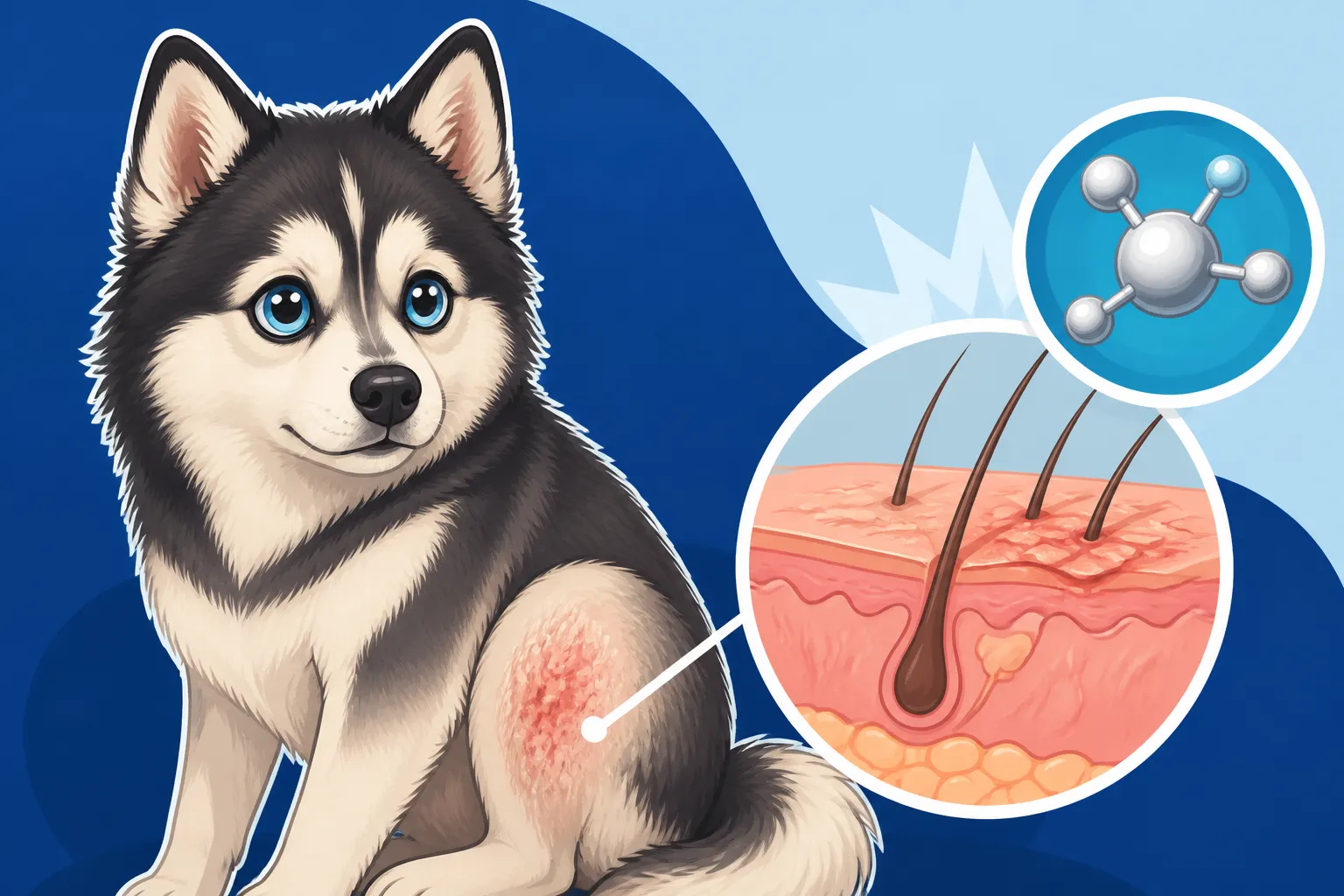
At its core, Zinc Responsive Dermatosis (ZRD) is a skin disorder caused by inadequate absorption, metabolism, or utilization of zinc in the body. Zinc is a crucial trace mineral, absolutely vital for a huge array of bodily functions, including immune system health, cell division, and, you guessed it, healthy skin and coat development. Without sufficient functional zinc, cells in rapidly dividing tissues, like those of the skin, can't mature properly. This leads to the characteristic scaly, crusty lesions that are the hallmark of the condition.
Think of it like this: your car needs oil to run smoothly. Even if you put oil in, if the engine can't circulate it properly, you're going to have problems. Similarly, with ZRD, even if there's zinc in the diet, if your Pomsky's body isn't absorbing or utilizing it correctly, it's essentially deficient. This cellular malfunction manifests most visibly on the skin, which is why it's so frustrating for us owners to witness. It's a fundamental breakdown in how their system handles this essential nutrient, leading to a cascade of skin problems.
Why Pomskies are Susceptible
This isn't a random occurrence in Pomskies; there's a reason they're often among the breeds veterinarians see for this. While any dog can technically develop a zinc deficiency, some breeds have a genetic predisposition, meaning they're just more likely to experience issues with zinc absorption. The Husky, one of the Pomsky's parent breeds, is notoriously on this list. This inherited tendency means that many Pomskies carry the genetic blueprint for less efficient zinc metabolism.
It’s a cruel twist of genetics sometimes. Your Pomsky might be eating a perfectly balanced, high-quality diet, and still, their unique genetic makeup inherited from their Husky lineage makes them less able to pull the zinc they need from that food. This isn't your fault as an owner, nor is it necessarily a reflection of a poor diet. It’s a specific, often inherited, metabolic quirk. This is why it's so important to understand that simply switching to a "better" food might not fix the problem; direct zinc supplementation is often needed to bypass the absorption issue. Understanding this distinction can save you a lot of worry and countless hours trying to troubleshoot their diet.
Zinc responsive dermatosis is just one example of The Two Opposite Disease Lists a Pomsky Inherits, illustrating how their mixed heritage brings a unique set of potential health challenges. This genetic link is crucial for early diagnosis and effective management.
Types of Zinc Deficiency
When we talk about zinc deficiency in dogs, particularly in breeds like the Pomsky, it's helpful to distinguish between two main types, often referred to as Syndrome I and Syndrome II.
Syndrome I is the form most commonly associated with Nordic breeds, including the Siberian Husky and Alaskan Malamute, and therefore, frequently seen in Pomskies. This type is characterized by a genetic defect in zinc absorption from the intestines. Even if the dog is consuming a diet with adequate or even high levels of zinc, their body simply can't absorb it efficiently. This means the problem isn't the amount of zinc in the food, but the dog's inherent inability to process it effectively. These dogs require consistent and often lifelong zinc supplementation, usually in much higher doses than what a typical vitamin supplement might offer, to overcome this absorption barrier.
Syndrome II is more often linked to rapid growth in puppies, particularly those on diets that are zinc-deficient or contain ingredients that bind zinc, making it unavailable for absorption. High levels of calcium, for example, can interfere with zinc absorption. While Pomsky puppies can certainly be affected by dietary zinc deficiencies, Syndrome II is less about a genetic absorption problem and more about the diet itself. In these cases, correcting the diet—either by choosing a more appropriate commercial food or ensuring balanced homemade meals—can often resolve the issue. However, for a Pomsky exhibiting ZRD, Syndrome I is always a strong consideration due to their breed lineage. It's why vets often consider both possibilities, but lean towards the genetic component given the Pomsky's heritage.
Recognizing the Signs and Symptoms
One of the most disheartening things about ZRD is how it impacts your Pomsky’s appearance and comfort. You want them to look and feel their best, full of energy and sporting that gorgeous double coat. When the tell-tale signs of ZRD start to appear, it’s a clear cry for help from their body. These aren't just minor irritations; they can be quite painful and itchy for your dog, significantly diminishing their quality of life.
Common Skin Lesions and Locations
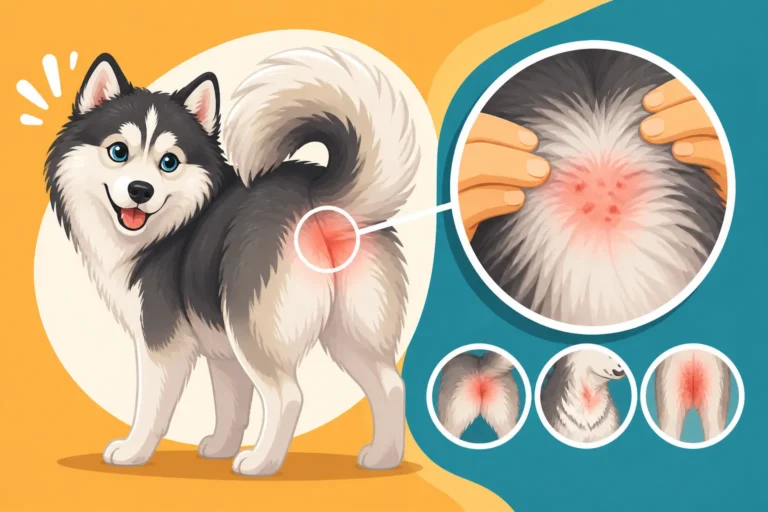
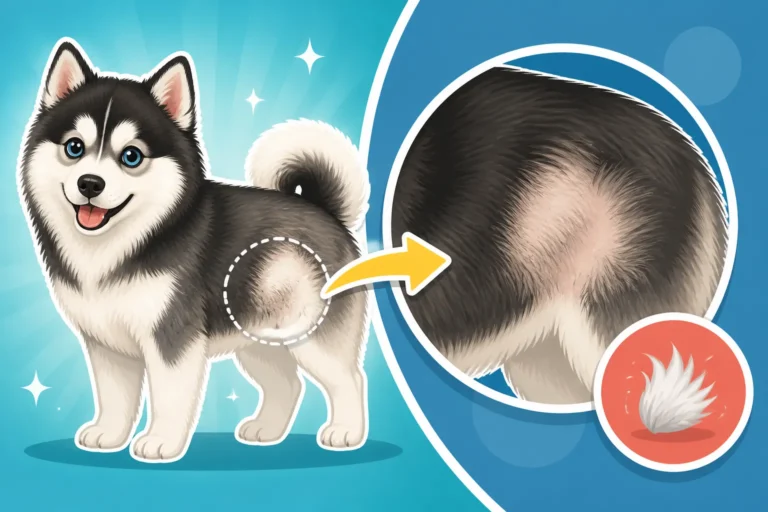
The lesions of Zinc Responsive Dermatosis have a very distinct pattern, which can be a huge clue for your veterinarian. You'll typically notice symmetrical patches of thickened, red, and scaly skin, often with prominent crusts and hair loss. These aren't just random dry spots; they tend to show up in specific, predictable areas that are constantly experiencing friction or trauma.
The most common locations include:
- Around the eyes: You might see crusting and scaling on the eyelids, making them look inflamed and uncomfortable.
- Around the mouth: The skin on the lips and chin can become red, thickened, and develop hard, yellowish crusts. This can be particularly bothersome during eating and drinking. It might look like Whether a Pomsky's Skin Cracks Around the Mouth, which is a frustrating symptom to deal with.
- On the ears: Specifically, the ear flaps (pinnae) can become scaly and crusty, often around the edges.
- On the paw pads: This is a truly painful one. The paw pads can become thickened, cracked, and hyperkeratotic (excessively hard and horny). This can make walking uncomfortable and even lead to lameness.
- Pressure points: Areas like elbows, hocks, and genitals can also develop these lesions due to the constant pressure and rubbing.
When you see these types of changes, especially if they are symmetrically distributed across these characteristic spots, it should immediately raise a flag for ZRD. It's not just cosmetic; these lesions are often itchy and can become quite painful if left untreated, making your dog miserable.
Secondary Infections and Discomfort
The damaged skin barrier caused by ZRD makes your Pomsky incredibly vulnerable to secondary invaders. Think of healthy skin as a robust wall protecting the body; ZRD creates cracks and weaknesses in that wall. Bacteria and yeast, which normally live harmlessly on the skin, seize the opportunity to multiply rapidly and cause full-blown infections.
You might notice that the affected areas become even redder, oozing, develop pustules, or emit a yeasty odor. Your Pomsky will likely be licking, scratching, or chewing at these spots almost constantly, trying to relieve the intense itch and discomfort. This self-trauma only makes the skin worse, perpetuating a vicious cycle. Hot Spots Under a Pomsky's Undercoat can sometimes develop from this constant irritation and scratching, especially if the secondary infection takes hold. The intense itching can be just as distressing for you to witness as it is for your dog. It's like having an itch you can never quite scratch, and it profoundly affects their peace and well-being. This is why treating the underlying zinc issue and addressing any secondary infections simultaneously is critical for their relief.
General Health Indicators
While skin issues are the most prominent signs of Zinc Responsive Dermatosis, a dog's overall health can also take a hit, especially if the condition is severe or prolonged. It's not just a skin deep problem; it can affect their entire system, leading to more generalized symptoms that might be easy to attribute to other causes if you're not aware of the connection.
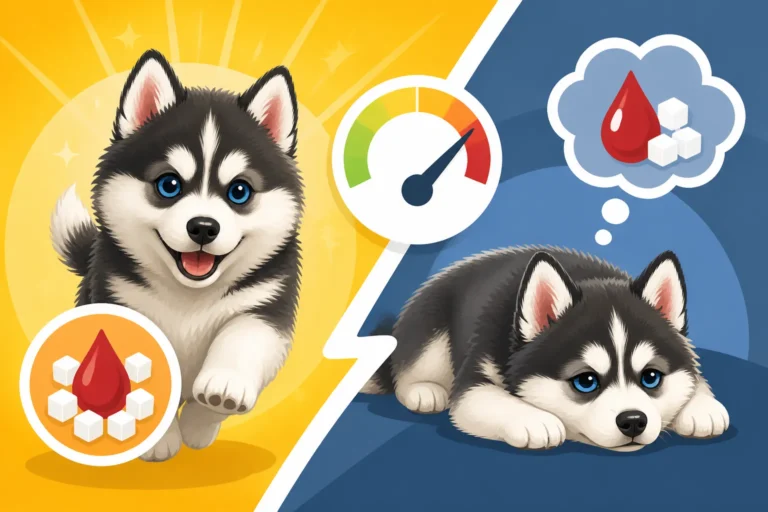
You might observe that your Pomsky seems more lethargic than usual, less interested in their usual playtime or walks. Their normally robust appetite might dwindle, leading to a noticeable decrease in food consumption or even weight loss. In some cases, puppies severely affected by ZRD might even experience stunted growth. The chronic inflammation and discomfort from the skin lesions can be draining, both physically and mentally, making your dog feel unwell all over.
It's also worth noting that because zinc plays a role in immune function, some Pomskies with ZRD might experience a compromised immune system, making them more susceptible to other infections. So, if you're seeing persistent skin problems alongside a general "off" feeling in your Pomsky – a lack of sparkle in their eyes, reduced energy, or changes in their eating habits – it’s crucial to mention all these details to your vet. These broader indicators highlight that ZRD is a systemic issue, not just a cosmetic one, and needs thorough attention.
Diagnosis: Getting to the Bottom of It
When you bring your Pomsky to the vet with suspicious skin lesions, their goal is to either confirm Zinc Responsive Dermatosis or rule out other conditions that might look similar. It’s not always a straightforward diagnosis because, let’s face it, skin problems can be notoriously tricky and mimic a lot of different things. Your vet will act like a detective, gathering clues from your observations, a physical exam, and specific diagnostic tests.
Veterinary Examination and History
The first and most crucial step in diagnosing ZRD begins with a thorough veterinary examination and a detailed history of your Pomsky's symptoms. Your vet will ask you a series of questions to piece together the puzzle:
- When did you first notice the skin changes?
- Where exactly are the lesions located? Are they symmetrical?
- How quickly have they progressed?
- Is your Pomsky itchy or in pain? Are they licking or chewing at the spots?
- What food are you feeding? Have there been any recent dietary changes or new treats?
- Are there any other general health changes, like lethargy or appetite loss?
- What is your Pomsky's age? (Puppies can sometimes present differently than adults.)
- Do you know if any of their relatives, especially parents, had similar skin issues?
During the physical exam, your vet will meticulously inspect all the affected areas, feeling the skin texture, looking for crusts, scaling, redness, and hair loss. They’ll also check your Pomsky’s overall condition, lymph nodes, and listen to their heart and lungs. This comprehensive approach helps them build a strong clinical picture and guides which diagnostic tests are most appropriate. Your detailed answers are invaluable here, as they provide context that tests alone cannot.
Diagnostic Tests
Because ZRD can resemble other skin conditions, your vet will often recommend specific diagnostic tests to confirm the diagnosis and rule out other possibilities. While blood tests can sometimes show low zinc levels, they aren't always conclusive for ZRD, especially in Syndrome I, where the issue is absorption, not necessarily circulating levels.
The most definitive diagnostic test for ZRD is a skin biopsy. This involves taking a small tissue sample from an affected area under local anesthetic or light sedation. The sample is then sent to a veterinary pathologist who examines it under a microscope. The pathologist looks for specific microscopic changes in the skin cells that are characteristic of zinc deficiency, such as parakeratosis (abnormal retention of nuclei in the stratum corneum) and follicular atrophy. This particular pattern is highly indicative of ZRD and helps differentiate it from other conditions.
Other tests your vet might perform include:
- Skin scrapes or fungal cultures: To rule out parasites (like mites) or fungal infections (like ringworm), which can cause similar-looking lesions.
- Cytology: Taking a swab of the skin to look for secondary bacterial or yeast infections, which are very common with ZRD.
- Blood work: While not always definitive for zinc, a complete blood count and chemistry panel can give an overall picture of your dog's health and rule out other systemic illnesses.
- Dietary trial: In some cases, particularly if Syndrome II is suspected, a controlled dietary trial with a high-quality, zinc-fortified food might be attempted, though direct supplementation is usually preferred for quick resolution and diagnostic purposes.
It’s an investment of time and sometimes money, but these tests are essential to avoid misdiagnosis and ensure your Pomsky receives the correct, effective treatment. If you have pet insurance, a plan like those offered by Healthy Paws can often help cover these diagnostic costs, providing peace of mind during a stressful time.
Differential Diagnoses
Given the similar appearance of many dermatological conditions, your vet will have several "differential diagnoses" in mind – other diseases that present with similar symptoms and must be considered before settling on ZRD. This is why thorough testing is so important, as treating the wrong condition will be ineffective and frustrating for both you and your Pomsky.
Common conditions that can mimic ZRD include:
- Food allergies or environmental allergies: These can cause intense itching, redness, and skin inflammation, sometimes leading to secondary infections. If your Pomsky also exhibits signs like paw licking or ear infections, Whether a Pomsky Gets Allergies might be on your vet's radar.
- Mange (Demodex or Sarcoptes): Mites can cause hair loss, scaling, and severe itching, often in similar locations to ZRD. Skin scrapes help rule these out.
- Fungal infections (Dermatophytosis or ringworm): These can cause circular patches of hair loss, scaling, and crusting.
- Seborrhea: A condition causing greasy or dry, flaky skin, often with a distinctive odor.
- Pemphigus foliaceus: An autoimmune skin disease that causes crusting and blistering, typically affecting the face, ears, and paw pads. This can look very similar to ZRD, making biopsy crucial.
- Other nutritional deficiencies: While less common than ZRD, deficiencies in other vitamins or minerals could theoretically cause skin issues.
- Hypothyroidism: An underactive thyroid can lead to a dull coat, hair loss, and thickened skin, though usually without the characteristic crusts of ZRD. Signs a Pomsky's Thyroid Has Failed can be subtle and might be considered.
Your vet's expertise lies in navigating these possibilities, systematically ruling them out until they arrive at the most accurate diagnosis. This careful process ensures that your Pomsky gets the most targeted and effective treatment plan for their specific condition.
Treatment and Management Strategies
Once a diagnosis of Zinc Responsive Dermatosis is confirmed, the good news is that it's typically very treatable! The key is consistent and appropriate supplementation. You'll likely see a dramatic improvement in your Pomsky's skin and overall comfort once treatment begins, which is a huge relief after the worry and frustration you've probably experienced.
Oral Zinc Supplementation
The cornerstone of ZRD treatment is oral zinc supplementation. This isn't just about giving them a standard multivitamin; it requires specific forms and dosages of zinc to bypass the absorption issues. Your vet will prescribe the type and amount that's right for your Pomsky, typically starting with a higher dose to achieve a therapeutic level, then tapering to a maintenance dose once symptoms improve.
Common forms of zinc supplements include:
- Zinc sulfate: A readily available and often effective form.
- Zinc methionine: A chelated form of zinc, meaning it's bound to an amino acid, which can sometimes improve absorption. This is often preferred for dogs with absorption issues.
- Zinc gluconate: Another common and well-absorbed form.
It's crucial to give the supplement as directed by your vet. Often, zinc is best absorbed when given on an empty stomach, but for some dogs, it can cause gastrointestinal upset (vomiting or diarrhea). If this happens, your vet might recommend giving it with a small amount of food. Consistency is absolutely vital; skipping doses can set back progress. Improvement often starts within a few weeks, with significant healing seen over several months. This isn't a quick fix, but a steady commitment to ensure their body gets what it needs. You might find yourself giving your Pomsky Whether a Pomsky Needs Extra Zinc for the rest of their lives to prevent recurrence, but the results are well worth it.
Dietary Adjustments and Considerations
While direct zinc supplementation is paramount, dietary adjustments can play a supportive role, especially in understanding the root cause. For Pomskies with Syndrome II ZRD, a high-quality, balanced diet might be enough. However, for those with Syndrome I, diet alone won't fix the absorption problem, but certain dietary choices can help prevent exacerbation.
- Avoid high calcium diets: High levels of calcium can interfere with zinc absorption in the gut. If your Pomsky is on a raw diet with excessive bone content or a commercial diet high in calcium, your vet might recommend adjustments. This doesn't mean no calcium, just a balanced amount appropriate for their life stage.
- Choose high-quality, bioavailable ingredients: Look for commercial foods that use easily digestible protein sources and quality ingredients. While the problem is absorption, not necessarily dietary zinc levels, a well-formulated diet can still contribute to overall skin health.
- Consider omega-3 fatty acids: Supplements like fish oil can support general skin health and help reduce inflammation, though they won't treat the underlying zinc deficiency.
- Discuss "zinc binding" ingredients: Some ingredients, like certain plant fibers or phytates found in grains, can theoretically bind zinc and make it less available. However, for most modern commercial diets, this isn't a significant concern unless the dog already has an underlying absorption issue. For Pomskies with ZRD, focusing on direct zinc supplementation is usually more effective than trying to completely eliminate these ingredients from their diet.
It’s often a team effort between your vet and you to figure out the best dietary approach. Don't fall for marketing hype about "miracle" foods; stick to your vet's advice. You can explore topics like Whether Diet Fixes a Pomsky's Zinc Problem to deepen your understanding of these dietary nuances.
Addressing Secondary Issues
Remember those nasty secondary infections (bacterial and yeast) we talked about? They need to be tackled head-on alongside the zinc supplementation. Treating these infections will bring your Pomsky much-needed relief from itching and pain, allowing the skin to start healing properly.
Your vet will likely prescribe:
- Antibiotics: For bacterial infections. These can be oral medications or topical creams/sprays, depending on the severity and location.
- Antifungals: For yeast infections. Again, these might be oral or topical.
- Anti-inflammatory medications: To reduce swelling and discomfort. This could be a short course of steroids or other anti-inflammatory drugs.
- Medicated shampoos and conditioners: Specially formulated shampoos containing ingredients like chlorhexidine (antibacterial) or miconazole (antifungal) can help cleanse the skin, reduce bacterial and yeast overgrowth, and soothe irritation. Regular bathing, as recommended by your vet, is key here.
It’s crucial to follow your vet's instructions precisely for all these medications. Don't stop antibiotics early, even if the skin looks better, as this can lead to resistant infections. Addressing these secondary issues provides immediate comfort to your Pomsky, which is so important for their overall well-being and helps them feel better while the zinc gets to work on the underlying problem.
Long-Term Care and Prevention
Treating Zinc Responsive Dermatosis isn't usually a one-and-done deal. For many Pomskies, especially those with the genetically predisposed Syndrome I, it's a lifelong commitment to management. But don't let that discourage you! With consistent care, your Pomsky can live a full, happy life with healthy skin, free from the discomfort of ZRD. It just means being diligent and proactive in their health routine.
Monitoring and Maintenance
Once your Pomsky's skin lesions have cleared up and they're feeling much better, the next phase is establishing a solid maintenance plan. This usually involves continued oral zinc supplementation, albeit often at a lower dose than the initial treatment phase. Your vet will guide you on the appropriate maintenance dose, which might be adjusted over time based on how your Pomsky responds.
Regular veterinary check-ups are absolutely essential. Your vet will want to monitor your Pomsky's skin condition, ensuring there are no signs of recurrence. They might recommend periodic blood tests to monitor zinc levels, though clinical signs are often the best indicator of treatment effectiveness. You'll become an expert at spotting the subtle early signs of a flare-up – perhaps a slight redness around the mouth or a hint of scaling on an ear flap. Catching these early allows for quick intervention, preventing a full-blown relapse.
Think of it like managing a chronic human condition, such as diabetes or a thyroid issue; it requires ongoing attention. Staying on top of medication schedules, observing your dog closely, and maintaining open communication with your vet are the cornerstones of successful long-term management. This proactive approach ensures your Pomsky maintains their comfort and beautiful coat. This routine is part of The Screening a Pomsky Should Have Yearly to catch issues before they escalate.
The Role of Diet in Sustained Health
While direct zinc supplementation takes the lead, a high-quality, appropriate diet remains a vital component of your Pomsky's overall health and well-being, even with ZRD. The goal isn't necessarily to "fix" ZRD with diet alone (especially for Syndrome I), but to provide a solid nutritional foundation that supports healthy skin and minimizes any potential dietary interference with zinc absorption.
Choosing a well-balanced commercial dog food from a reputable brand that meets AAFCO guidelines is a great starting point. Your vet might have specific recommendations for brands or types of food. If your Pomsky has other sensitivities or allergies, a limited ingredient diet might be beneficial. Ensure the diet isn't excessively high in calcium, as discussed earlier, as this can hinder zinc absorption.
Some owners also consider adding omega-3 fatty acid supplements (like fish oil) to their Pomsky's diet, as these are known to support skin barrier function and reduce inflammation. Discuss this with your vet to ensure it's appropriate and at the correct dosage. The aim is to create a holistic approach where the diet complements the zinc therapy, rather than working against it. This sustained attention to nutrition helps ensure the skin remains robust and less prone to issues.
Environmental Factors and Skin Care
Beyond internal supplementation and diet, a few external factors and routine skin care practices can contribute to your Pomsky’s comfort and help prevent ZRD flare-ups. A healthy external environment supports a healthy skin barrier.
- Humidity: Extremely dry indoor environments can exacerbate dry, flaky skin. A humidifier in your home, especially during winter months, can sometimes offer subtle relief and support skin hydration.
- Bathing: While it might seem counterintuitive for dry skin, appropriate bathing with a veterinarian-recommended moisturizing or medicated shampoo can be beneficial. It helps remove dead skin cells, scales, and any microbial overgrowth. Over-bathing or using harsh shampoos, however, can strip natural oils and worsen dryness. Always follow your vet’s specific instructions on bathing frequency and products.
- Grooming: Regular, gentle brushing with soft brushes can help distribute natural skin oils and remove loose fur without irritating sensitive skin. If your Pomsky has crusts, be very gentle around those areas.
- Protecting paw pads: If the paw pads are affected, consider dog boots for walks on harsh surfaces (hot pavement, ice, salt) to prevent further cracking and irritation. Moisturizing paw balms can also offer some protection and comfort.
By paying attention to these aspects, you create a supportive external environment that works hand-in-hand with their internal treatment, giving your Pomsky every chance at having the comfortable, healthy skin they deserve.
Living with a Pomsky with Zinc Responsive Dermatosis
Discovering your Pomsky has Zinc Responsive Dermatosis can feel like a curveball. It's a journey that extends beyond just giving medication; it impacts their daily life and, by extension, yours. But with understanding and the right support, it's a condition that can be effectively managed, allowing your Pomsky to thrive. It requires commitment, patience, and sometimes, a little extra financial planning.
Impact on Quality of Life
Initially, when ZRD is active, your Pomsky's quality of life can be significantly impacted. The constant itching, pain from cracked skin, and general malaise can make them irritable, restless, or withdrawn. They might be less inclined to play, reluctant to go for walks if their paw pads are sore, and generally seem uncomfortable in their own skin. This is heartbreaking for any pet parent to witness.
However, once appropriate zinc supplementation and treatment for secondary infections begin, you'll likely see a dramatic turnaround. The itching subsides, the skin begins to heal, and their vibrant personality starts to re-emerge. They'll be more comfortable, playful, and generally happier. This improvement is not just physical; it's a massive boost to their mental and emotional well-being. Living with ZRD means you'll become incredibly attuned to their skin health, always watching for early signs of a flare-up. But with diligent care, the impact on their quality of life can be minimized, ensuring they can enjoy all the typical Pomsky antics they love.
Financial Considerations
Let's be realistic: veterinary care, especially for chronic conditions, can add up. Diagnosing and treating Zinc Responsive Dermatosis involves costs for vet visits, diagnostic tests (like skin biopsies), oral zinc supplements, and potentially other medications for secondary infections (antibiotics, antifungals, medicated shampoos). Initial treatment can be more intensive, requiring more frequent vet visits and higher medication doses.
Over the long term, while the costs may decrease, you'll still have ongoing expenses for maintenance zinc supplements, regular vet check-ups to monitor the condition, and potentially specialized diets or skin care products. It’s important to budget for these ongoing needs. This is where pet insurance can be a real lifeline. Companies like Healthy Paws offer comprehensive plans that can cover a significant portion of diagnostic tests, prescriptions, and specialist visits for chronic conditions like ZRD, making long-term management much more financially feasible. Thinking ahead and preparing for these costs can ease the burden and allow you to focus on your Pomsky's health without undue financial stress. Understanding What a Skin Workup Costs on a Pomsky can help you prepare financially.
Here’s a simplified breakdown of potential costs, but remember these are just estimates and vary widely by location and vet practice:
| Item | Estimated Initial Cost (USD) | Estimated Monthly/Annual Maintenance Cost (USD) | Notes |
|---|---|---|---|
| Vet Consultation | $60 – $150 | $60 – $150 (annually or as needed) | Initial exam, follow-ups for monitoring |
| Skin Biopsy (with pathology) | $200 – $600 | N/A | Definitive diagnosis, usually a one-time cost |
| Oral Zinc Supplement | $20 – $50 (per bottle) | $15 – $40 | Lifelong, varies by brand/dosage |
| Antibiotics/Antifungals | $30 – $100 (per course) | $0 – $50 (as needed for flare-ups) | For secondary infections, can be recurring |
| Medicated Shampoos | $20 – $40 (per bottle) | $10 – $20 | Used for routine bathing during active phase and maintenance |
| Total Initial Estimate | $330 – $900+ | $85 – $260+ annually | Excluding pet insurance premiums or unforeseen complications |
Disclaimer: These are rough estimates and actual costs will vary significantly based on your geographic location, your veterinarian's fees, the specific medications prescribed, and the severity of your Pomsky's condition.
Support and Resources
Living with a pet that has a chronic health condition can sometimes feel isolating, but you're definitely not alone. There's a wealth of support and resources available to Pomsky owners navigating Zinc Responsive Dermatosis. Don't hesitate to reach out and tap into these networks.
- Your veterinary team: They are your primary resource! Maintain open and honest communication with your general practice vet. If needed, they might refer you to a veterinary dermatologist, a specialist in skin conditions, who can offer even more advanced diagnostic and treatment options.
- Online communities and forums: Groups on social media platforms like Facebook or dedicated breed forums are excellent places to connect with other Pomsky owners who are experiencing or have managed ZRD. Sharing stories, tips, and emotional support can be incredibly validating. Just remember to always verify medical advice with your vet, as online information can be anecdotal.
- Breed-specific clubs and associations: While the Pomsky is a relatively new breed, organizations like the International Pomsky Association (IPA) often have resources or can point you to reputable breeders and owners who prioritize health. These communities often focus on health education within the breed.
- Pet insurance providers: As mentioned, companies like Healthy Paws not only help with costs but often provide resources or guidance on managing chronic conditions. Understanding your policy and what it covers is crucial.
Remember, advocacy for your pet's health is paramount. By leveraging these resources, you empower yourself to be the best possible caregiver for your Pomsky, ensuring they receive the consistent, informed care they need to live a full and comfortable life despite ZRD.
Genetic Predisposition and Breeding Considerations
For many Pomsky owners, understanding ZRD goes beyond just treating their current pet. It sparks a natural curiosity about the condition's origins and whether it could affect future generations. Given the Pomsky's unique heritage, the genetic aspect of Zinc Responsive Dermatosis is particularly important, especially for responsible breeders. It highlights the need for careful consideration in breeding programs to safeguard the health of the breed.
Inherited Tendencies
As discussed, one of the primary reasons Pomskies are susceptible to ZRD is the genetic inheritance from their Siberian Husky lineage. Huskies, and other Northern breeds like Alaskan Malamutes, are known to have an autosomal recessive genetic predisposition to Syndrome I Zinc Responsive Dermatosis. This means that a dog must inherit two copies of the affected gene (one from each parent) to develop the condition. If a dog inherits only one copy, they are considered a carrier but typically won't show symptoms themselves.
For Pomskies, this means that even if one parent is a Husky (the mother is almost always the Husky in a first-generation cross) and the other is a Pomeranian, the Husky's genetic predisposition can be passed down. This is particularly relevant when considering later generations, such as F2 or F3 Pomskies (Pomsky bred to Pomsky), where there's a higher chance of two carriers being bred together, increasing the likelihood of producing affected offspring. Understanding that Whether a Pomsky's Zinc Problem Comes From the Husky is crucial for both owners and breeders alike, as it underscores the importance of breed-specific health knowledge.
Ethical Breeding Practices
For responsible Pomsky breeders, the knowledge of inherited conditions like Zinc Responsive Dermatosis is paramount. Ethical breeding isn't just about producing beautiful puppies; it's about striving for healthy puppies that will live long, comfortable lives. While there isn't a specific DNA test for ZRD in Huskies that directly identifies the gene mutation (as it's often polygenic or complex), breeders can take proactive steps.
- Health screening and pedigree research: Responsible breeders should be well-versed in the health history of their breeding lines. If a parent, grandparent, or sibling has been diagnosed with ZRD, it raises a red flag. Thorough pedigree research can help identify lines with a higher incidence of the condition.
- Transparency: Reputable breeders are transparent about any health issues in their lines and discuss potential genetic predispositions with prospective puppy buyers. They will often include health guarantees in their contracts that address hereditary conditions.
- Avoiding breeding affected individuals: Dogs diagnosed with ZRD should not be used for breeding, as they carry the genetic predisposition and would pass it on to their offspring. Similarly, if a specific pairing consistently produces offspring with ZRD, that pairing should be discontinued.
- Focus on overall health: Beyond specific conditions, ethical breeders prioritize the overall health, temperament, and welfare of their breeding dogs and their puppies, ensuring proper nutrition and care from the start.
This commitment helps to reduce the prevalence of preventable genetic conditions in the Pomsky breed over time, leading to healthier dogs for future owners. Choosing a breeder who values these principles is key to bringing home a healthy puppy. You can also research more about Whether an F1 Pomsky Is Healthier Than an F2 to understand genetic variation in mixed breeds.
Advocating for Health in the Breed
As a Pomsky owner, you play a vital role in advocating for the health and well-being of the breed. By understanding conditions like Zinc Responsive Dermatosis, you become an informed buyer and a responsible owner. When you seek out a Pomsky, ask potential breeders specific questions about their health testing protocols and their approach to inherited conditions common in both Huskies and Pomeranians.
Sharing your experiences with ZRD – whether positive or challenging – with online communities, breed groups, and your vet can contribute to a larger pool of knowledge. This collective information helps identify patterns, refine treatment protocols, and inform future breeding decisions. By choosing a reputable breeder who prioritizes health testing and openly discusses potential genetic predispositions, you're not just buying a puppy; you're supporting ethical breeding practices that aim to produce robust, healthy Pomskies. Your commitment helps ensure that this wonderful designer breed continues to evolve with health as a top priority, reducing the heartbreak and expense associated with preventable genetic conditions for future generations of Pomsky lovers.
Disclaimer
The information provided in this article is for general informational purposes only and is not intended as a substitute for professional veterinary advice, diagnosis, or treatment. Always seek the advice of your veterinarian or other qualified animal health provider with any questions you may have regarding a medical condition. Never disregard professional veterinary advice or delay in seeking it because of something you have read in this article.