Whether Diet Fixes a Pomsky’s Zinc Problem
It's heartbreaking to see your adorable Pomsky struggling with skin issues, whether it's dry, flaky patches, crusting around the mouth, or unexplained hair loss. When you’re faced with these frustrating symptoms, it's natural to wonder if simply changing your dog’s food could be the answer to a "zinc problem." This guide will delve deep into how diet impacts zinc levels in Pomskies, explore whether dietary changes alone can resolve zinc-responsive dermatosis, and outline when professional veterinary intervention becomes absolutely necessary.
Understanding Zinc Responsive Dermatosis in Pomskies
Many Pomsky owners worry about specific health concerns that arise from their unique parentage, and skin issues often top that list. Zinc Responsive Dermatosis (ZRD) isn't just a generic skin condition; it's a specific metabolic disorder where a dog either doesn't absorb enough zinc from their diet or has a higher-than-average requirement for it. This isn't necessarily about the absolute amount of zinc in their food, but how their body processes it.
What Exactly is Zinc Responsive Dermatosis?
ZRD manifests as flaky, crusty lesions, often around the eyes, mouth, ears, and pressure points like elbows. It can be incredibly uncomfortable for your Pomsky, leading to itching, secondary infections, and even hair loss. Think about how annoying dry, cracked skin is for us; it’s even worse for our furry friends who can’t explain their discomfort. It’s particularly common in northern breeds like Siberian Huskies, one of the Pomsky's parent breeds, making Pomskies predisposed to this genetic quirk. This means that Zinc Responsive Dermatosis in a Pomsky can often be traced back to their Husky lineage, a fact that many owners aren't initially aware of.
There are generally two types of ZRD in dogs. Type I is often seen in Arctic breeds and related crosses, including many Pomskies, and is thought to be a genetic defect in zinc absorption. Type II is less common and usually associated with rapid growth in large-breed puppies on diets high in calcium or phytates, which can interfere with zinc absorption. Knowing which type your Pomsky might be facing is crucial because it influences the treatment approach. You might assume your dog's skin issues are just a common allergy, but the specific pattern of lesions associated with ZRD points to a more fundamental issue.
The Role of Zinc in Canine Health
Zinc is an essential trace mineral that plays a vital role in countless bodily functions, from immune system health and thyroid function to wound healing and, yes, healthy skin and coat. Without adequate zinc, the body struggles. For Pomskies, who boast that gorgeous double coat and often have sensitive skin, proper zinc levels are non-negotiable for maintaining that plush fur and preventing frustrating skin conditions. When you notice your Pomsky's skin cracking around the mouth or developing dry patches, it's a clear signal that something isn't quite right internally, and zinc deficiency is a strong candidate.
It's not just about aesthetics; a compromised skin barrier due to zinc deficiency leaves your Pomsky vulnerable to secondary bacterial or fungal infections, making an already uncomfortable situation even worse. This is why addressing the root cause, whether it's dietary or metabolic, is so important. Ignoring these early signs could lead to more severe and persistent skin problems, like Hot Spots Under a Pomsky's Undercoat, that are harder to clear up in the long run. Many owners grapple with the question of Whether a Pomsky Needs Extra Zinc, and understanding zinc's broad role in health helps answer that.
The Role of Diet in Zinc Absorption
When you notice those tell-tale crusts or flaky skin on your Pomsky, the first thing many of us do is scrutinize their food bowl. It makes sense, right? We want to ensure our beloved companions are getting all the nutrients they need from their meals. Diet absolutely plays a significant role in zinc availability and absorption, but it's often more nuanced than simply checking the zinc content on the kibble bag.
Dietary Factors Affecting Zinc Uptake
Several components in your Pomsky's diet can either enhance or hinder zinc absorption. For instance, diets rich in plant-based ingredients often contain phytates (found in grains, legumes, and seeds), which can bind to zinc in the digestive tract, making it unavailable for absorption. While many dog foods today are grain-free, that doesn't automatically mean they're phytate-free or optimized for zinc. Some plant-based proteins can still be high in phytates. Conversely, animal proteins, especially red meat and organ meats, are excellent sources of highly bioavailable zinc.
Calcium is another big player. While essential for bone health, excessively high levels of calcium in a dog's diet, particularly in growing puppies, can compete with zinc for absorption pathways. It's a delicate balance; too little calcium is bad, but too much can paradoxically lead to issues like zinc deficiency. This is why feeding a balanced, high-quality dog food formulated for your Pomsky's life stage is so critical, rather than trying to free-feed or supplement without proper knowledge. Trying to fix a Pomsky's zinc problem through diet alone requires a careful understanding of these interactions. You should also consider What Kibble Costs for a Pomsky or What Fresh Food Costs for a Pomsky when evaluating dietary changes, as quality often comes at a price.
Can a Diet Change Fully Resolve Zinc Problems?
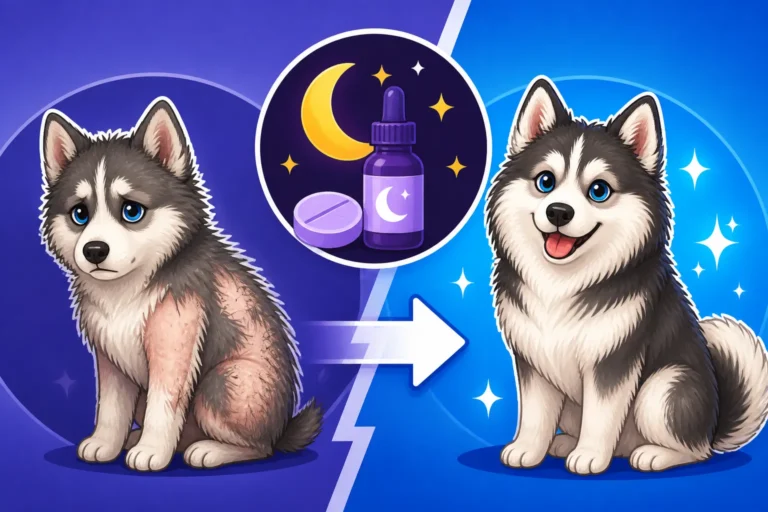
For Pomskies with mild, diet-induced zinc deficiencies (Type II ZRD, often related to poor diet quality or imbalances), a strategic diet change can indeed make a world of difference. Switching to a high-quality, balanced diet rich in animal-sourced zinc, possibly one without excessive calcium or phytates, can often resolve the symptoms over several weeks. You might see a dramatic improvement in their coat quality and a reduction in skin lesions. This is particularly true if the previous diet was low-quality, unbalanced, or contained ingredients known to inhibit zinc absorption.
However, for Pomskies with Type I ZRD, which is genetically driven and involves an inherent difficulty in absorbing zinc, diet alone is rarely a complete fix. While a good diet is still foundational, these dogs often require additional zinc supplementation on top of their food. Think of it this way: if your Pomsky's body has trouble building the 'door' for zinc to enter, simply providing more zinc to the 'room' isn't enough; you might need to find another way to get it in. This is where the frustration can really set in for owners, as they try diet after diet with no lasting improvement.
Table: Common Dietary Zinc Sources for Pomskies
| Food Item | Relative Zinc Content | Bioavailability | Notes |
|---|---|---|---|
| Beef (muscle meat) | High | Excellent | Great source, but consider fat content and preparation. |
| Lamb | High | Excellent | Often recommended for sensitive stomachs; good zinc source. |
| Chicken (dark meat/liver) | Moderate to High | Good | Liver is a powerhouse, but feed in moderation. |
| Salmon/Fish | Moderate | Good | Also provides beneficial omega-3s. |
| Eggs | Moderate | Good | A good source of many nutrients, including zinc. |
| Pumpkin Seeds | Moderate | Fair to Good | Plant-based, so phytate content can reduce absorption slightly. |
| Lentils/Legumes | Moderate | Fair | Higher phytate content; typically not primary zinc sources for dogs. |
| Fortified Dog Kibble | Varies | Varies | Quality kibbles aim for balanced nutrition, but individual absorption differs. |
It's important to remember that home-cooked diets must be balanced by a veterinary nutritionist to ensure proper nutrient ratios and avoid creating new deficiencies or excesses. Simply adding zinc-rich foods without professional guidance can lead to other problems.
When Diet Isn't Enough: Supplementation and Veterinary Care
It's a tough realization when you've meticulously changed your Pomsky's diet, perhaps investing in premium foods, only to see those pesky skin issues persist or even worsen. This is often the point where dietary adjustments alone prove insufficient, and it's time to bring in the big guns: your veterinarian. For many Pomskies with true ZRD, especially the Type I form, proper medical supplementation is the cornerstone of effective management.
Navigating Zinc Supplementation for Your Pomsky
Once your vet has confirmed a diagnosis of ZRD (often through a skin biopsy, which is really the most definitive way to tell), they will likely prescribe a specific zinc supplement. This isn't just any zinc you can pick up at the human vitamin store. Canine-specific zinc supplements are formulated for better absorption and at appropriate dosages for dogs. Common forms include zinc sulfate, zinc gluconate, or methionine-bound zinc. Your vet will determine the correct type and dose based on your Pomsky's weight, the severity of their condition, and their response to treatment. This is vital, especially given that a Pomsky's zinc problem comes from the Husky in their genetic makeup.
It’s absolutely crucial to follow your vet’s instructions precisely. Over-supplementation of zinc can be toxic, leading to severe gastrointestinal upset, red blood cell damage, and even kidney failure. This isn’t a situation where "more is better." We're talking about a delicate balance to get your Pomsky feeling better without causing new problems. The goal is to bring their zinc levels into a healthy range, not to overload them. This process might involve a bit of trial and error with dosage, as every Pomsky is unique in how they absorb and utilize nutrients.
The Importance of a Veterinary Diagnosis
I can't stress this enough: self-diagnosing and self-treating your Pomsky's skin issues with zinc supplements is risky business. Many skin conditions can mimic ZRD, including Whether a Pomsky Gets Allergies, bacterial infections, fungal infections, or even hormonal imbalances like Whether a Pomsky Gets Hypothyroidism. Without a proper veterinary workup, you could be treating the wrong problem, delaying appropriate care, and allowing your Pomsky to suffer unnecessarily.
A comprehensive veterinary examination will often include skin scrapes, cytology, fungal cultures, and potentially blood tests or biopsies. These diagnostic steps are essential to rule out other conditions and confirm ZRD. If your vet suspects ZRD, they might recommend a specialized skin biopsy, which is a minor procedure but provides the most definitive diagnosis. It’s an investment in your Pomsky's health that gives you clear answers and a targeted treatment plan. Understanding What a Skin Workup Costs on a Pomsky can help you prepare for these necessary diagnostic steps, ensuring you get to the bottom of the issue without guessing.
Preventative Measures and Long-Term Management
Once you and your vet have tackled the immediate crisis of a zinc problem, the focus shifts to long-term management and prevention. While some Pomskies might only need temporary supplementation, many with Type I ZRD will require ongoing support to keep their skin healthy and comfortable. This is about establishing a sustainable routine that ensures your Pomsky thrives.
Establishing a Zinc-Optimized Routine
For Pomskies with diagnosed ZRD, continuous, low-dose zinc supplementation is often necessary. This isn't a "cure" in the traditional sense, but rather a way to manage a metabolic inefficiency. Your vet will guide you on the maintenance dose, which is typically much lower than the initial therapeutic dose. Regular follow-up appointments will be crucial to monitor your Pomsky's progress, assess their skin health, and adjust supplementation as needed. It's a journey, not a sprint.
Beyond supplementation, maintaining a high-quality, balanced diet remains paramount. Even if diet alone isn't enough, it still forms the foundation of good health. Opt for commercial dog foods that use high-quality animal protein sources as the primary ingredient and avoid those with excessive fillers or questionable ingredients. If you're considering a raw or home-cooked diet, work closely with a board-certified veterinary nutritionist to ensure it's nutritionally complete and appropriate for a Pomsky with zinc absorption issues. This personalized approach can make a huge difference in overall well-being.
Monitoring and What to Watch For
Regularly inspecting your Pomsky’s skin and coat is a simple yet effective preventative measure. Keep an eye out for any recurrence of flaking, crusting, redness, or hair loss, especially around the face, ears, and pressure points. Early detection allows for prompt intervention, preventing discomfort and secondary infections. Pay attention to changes in their behavior too; excessive scratching, licking, or rubbing can indicate skin irritation. You should also be vigilant about Dental Crowding in a Pomsky's Small Mouth, as poor oral hygiene can sometimes indirectly impact overall health and lead to discomfort that might be confused with skin issues.
It's also wise to consider pet insurance, like plans offered by Healthy Paws. While pre-existing conditions typically aren't covered, having a good policy in place can help mitigate the costs of ongoing veterinary care, medications, and diagnostics for new conditions that might arise. The cost of a skin workup on a Pomsky can add up, and if your Pomsky has other inherited issues like Slipping Kneecaps in a Pomsky, or even The Collapsing Trachea a Pomsky Gets From the Pomeranian, those vet bills can quickly become substantial. Many owners look into Insuring a Pomsky Against Two Parent Breeds to help manage these potential costs. Proactive planning for your Pomsky's health, both in terms of daily care and financial preparedness, gives you peace of mind, and Healthy Paws is one option many consider for comprehensive coverage.
Table: Long-Term Management Checklist for ZRD
| Aspect | Action Steps | Frequency |
|---|---|---|
| Veterinary Follow-ups | Discuss ongoing dosage, re-evaluate skin, bloodwork if needed. | Quarterly/Bi-annually |
| Zinc Supplementation | Administer prescribed dosage consistently, do not stop without vet advice. | Daily |
| High-Quality Diet | Feed a balanced diet with good quality animal proteins. Avoid excess calcium. | Daily |
| Skin/Coat Checks | Visually inspect for lesions, redness, excessive scratching. | Weekly |
| Grooming Routine | Gentle brushing to stimulate circulation and check skin. | Several times a week |
| Hydration | Ensure constant access to fresh water. | Daily |
| Pet Insurance Review | Understand your policy, especially for potential future health issues. | Annually |
Remember, managing ZRD or any chronic condition in your Pomsky is a partnership between you and your vet. Don’t hesitate to ask questions, voice concerns, and stay proactive in your Pomsky’s care. Their comfort and well-being depend on it.
Disclaimer
This article is intended for informational purposes only and does not constitute medical advice. Always consult with a qualified veterinarian for any health concerns or before making any decisions about your pet's health or treatment plan.