Whether Zinc Deficiency Causes a Pomsky’s Crusty Nose
It's incredibly distressing to see your beloved Pomsky struggling with a dry, crusty nose. That flaky, often painful skin can make you worry endlessly about their comfort and what might be going on beneath the surface. This comprehensive guide is here to shed light on one potential cause for this frustrating issue: zinc deficiency, specifically the condition known as zinc-responsive dermatosis, and how to effectively understand and manage it for your furry friend.
Understanding Zinc Responsive Dermatosis in Pomskies
When your Pomsky develops an uncomfortable, crusty nose, one condition that often comes to mind, especially given their genetic background, is zinc-responsive dermatosis (ZRD). It's a condition that sounds a bit clinical, but essentially, it means your dog's body isn't effectively utilizing the zinc it consumes, leading to skin problems.
What is Zinc Responsive Dermatosis?
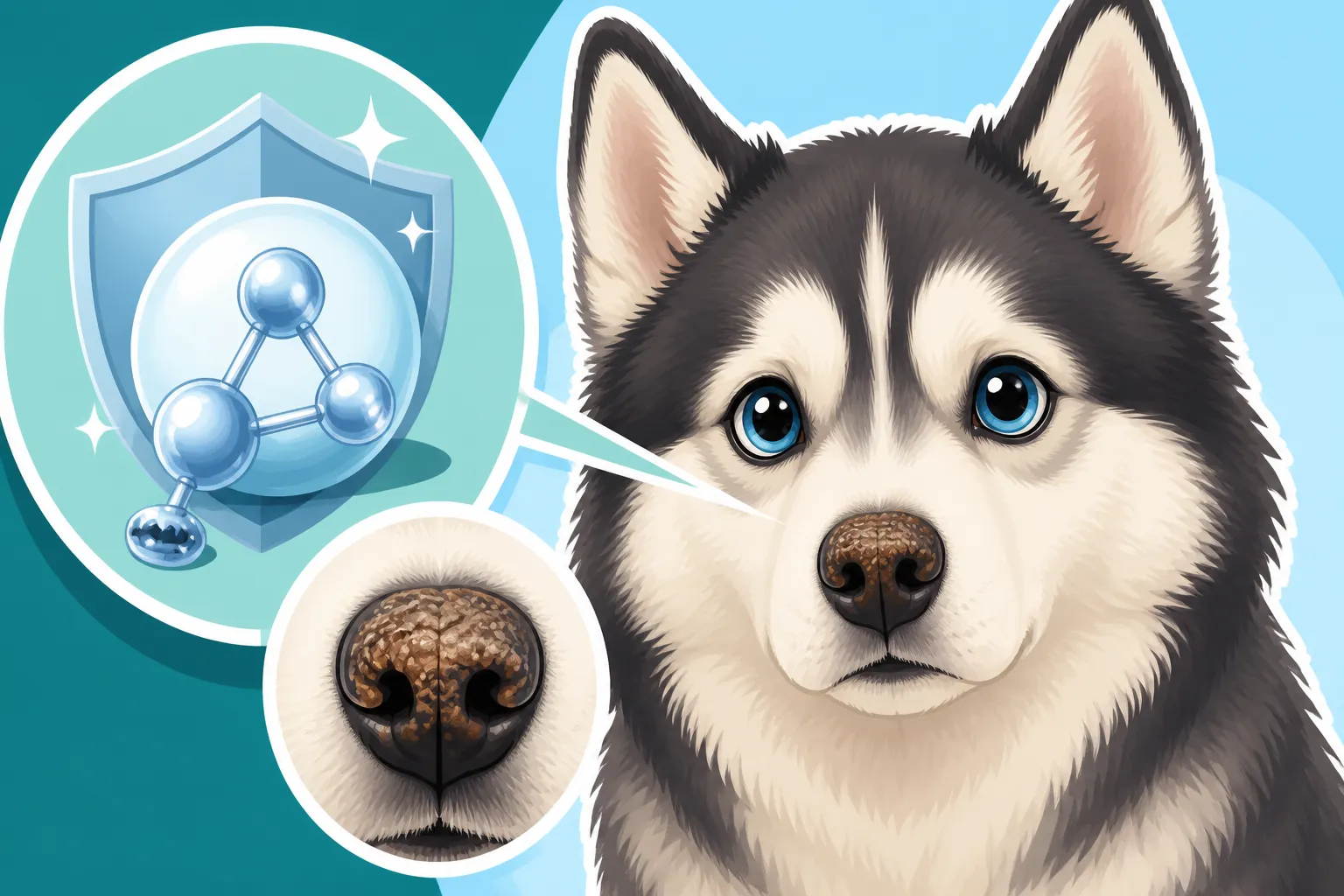
Zinc-responsive dermatosis isn't always about a lack of zinc in the diet. More often than not, especially in breeds like the Siberian Husky, one of the Pomsky's parent breeds, it's about the body's inability to properly absorb or metabolize the zinc that is present. There are typically two types. Type I is seen in "Arctic breeds" such as Siberian Huskies and Alaskan Malamutes (and thus, Pomskies) and is believed to be an inherited defect in zinc absorption from the gut. Even with sufficient zinc in their food, their bodies just can't get enough of it where it needs to go. Type II is less common and can be caused by diets that are poorly balanced or contain high levels of substances that block zinc absorption, like excessive calcium, phytates (found in some plant-based ingredients), or certain minerals. Knowing this genetic predisposition is crucial when you consider Zinc Responsive Dermatosis in a Pomsky.
Imagine zinc as a vital key that unlocks numerous cellular functions, especially for healthy skin, immune function, and metabolism. When that key isn't working properly or isn't available in sufficient amounts, the skin, being the body's largest organ and constantly renewing itself, is often the first place to show signs of trouble. This is why a simple crusty nose can sometimes point to a more complex internal issue with zinc metabolism.
Common Symptoms and How They Affect Your Pomsky
While a crusty nose is a tell-tale sign, zinc-responsive dermatosis rarely stops there. It's often accompanied by a host of other uncomfortable skin lesions. You might notice scaling, redness, and crusting around the eyes, particularly on the eyelids, and around the mouth and chin. The ears can also be affected, developing dry, thickened, and sometimes cracked skin. In more severe cases, these lesions can appear on pressure points like elbows, hocks, and even the paw pads, making them thickened, hard, and prone to cracking.
The crusty nose, or hyperkeratosis, isn't just cosmetic. It can be incredibly itchy and painful for your Pomsky. The skin can become quite inflamed and secondary bacterial or yeast infections are common because the damaged skin barrier makes them more susceptible. This means that what started as a simple dry patch can quickly escalate into a full-blown infection requiring antibiotics or antifungals. Owners often report their dogs constantly licking or rubbing their faces due to the irritation, sometimes even causing bleeding. It's also not uncommon to see Whether a Pomsky's Skin Cracks Around the Mouth when dealing with a zinc issue.
Distinguishing Zinc Deficiency from Other Skin Issues
It’s easy to jump to conclusions when you see your Pomsky’s nose looking rough, but a crusty nose isn’t exclusively a sign of zinc deficiency. Many other conditions can present with similar symptoms, which is why a proper veterinary diagnosis is absolutely non-negotiable.
Other Causes of a Crusty Nose in Pomskies
Before you start self-diagnosing, remember that several other conditions could be causing your Pomsky's crusty nose. Allergies, for instance, are a common culprit for skin issues in dogs. Your Pomsky might be reacting to something in their food, an environmental allergen like pollen or dust mites, or even a contact allergen if their nose is touching something irritating regularly. Whether a Pomsky Gets Allergies is a common question, and these can manifest as itchy, irritated skin, sometimes leading to secondary infections that cause crusting.
Beyond allergies, autoimmune skin diseases like Pemphigus Foliaceus or Discoid Lupus Erythematosus can also cause crusting, scaling, and depigmentation around the nose and face. These are serious conditions where the immune system mistakenly attacks healthy skin cells. Environmental factors shouldn't be overlooked either; extreme weather, particularly harsh sun exposure (leading to sunburn, especially on depigmented areas), or very dry indoor air can also dry out and crack a Pomsky's nose. Less common but still possible causes include fungal infections or even certain types of skin mites.
| Symptom Location/Type | Zinc-Responsive Dermatosis (ZRD) | Allergies (Environmental/Food) | Autoimmune Skin Disease | Environmental Dryness/Sunburn |
|---|---|---|---|---|
| Nose | Thick crusts, fissures, hair loss | Redness, itchiness, mild crusts | Depigmentation, ulcers, severe crusting | Dryness, cracking, peeling, mild crusts |
| Eyes/Mouth | Crusts, scaling around margins | Rubbing, mild redness | Ulcers, erosions, crusts | Mild dryness around corners |
| Paw Pads | Hyperkeratosis, cracking | Licking, mild irritation | Erosions, crusts, pain | Dry, sometimes cracked |
| Other Skin Areas | Hair loss, scaling, redness (pressure points) | Generalized itchiness, ear infections | Skin lesions on various areas | Generally localized to exposed skin |
| Itchiness | Moderate to Severe, especially with secondary infection | Moderate to Severe | Variable, can be painful | Mild, discomfort |
The Importance of Veterinary Diagnosis
Given the overlapping symptoms with so many other conditions, guessing what's ailing your Pomsky is not only ineffective but can delay crucial treatment. This is where your veterinarian becomes your best friend. They will perform a thorough physical examination, take a detailed history of your dog's symptoms, diet, and environment, and likely recommend a series of diagnostic tests.
These tests might include skin scrapings to rule out mites, fungal cultures to check for ringworm, and blood work to assess overall health and nutrient levels. The most definitive diagnosis for ZRD often involves skin biopsies. A small tissue sample is taken from an affected area and sent to a veterinary pathologist who can identify characteristic changes in the skin cells that point to zinc deficiency. If your Pomsky's vet recommends these diagnostic steps, remember that pet insurance, such as a plan from Healthy Paws, can be incredibly helpful in managing the costs associated with these investigations, ensuring you don't have to compromise on getting the clearest picture of your dog's health. Without a proper diagnosis, you might be treating the wrong condition, leaving your Pomsky to suffer needlessly.
Managing and Treating Zinc Deficiency in Your Pomsky
Once your vet has definitively diagnosed zinc-responsive dermatosis, the good news is that it's typically a very manageable condition. The key lies in understanding that for most Pomskies, this isn't just about adding more zinc to their kibble; it's about making that zinc bioavailable to their system.
Dietary Adjustments and Zinc Supplementation
For Pomskies with Type I ZRD, simply changing their diet to one with "more zinc" often isn't enough, because their bodies struggle with absorption regardless. Instead, specific zinc supplements are usually required. The most commonly prescribed forms are zinc methionine, zinc sulfate, or zinc gluconate, with zinc methionine often preferred due to better absorption. Your vet will determine the appropriate dosage, which is critical, as too much zinc can also be toxic, leading to vomiting, diarrhea, and even damage to red blood cells. It's a delicate balance that absolutely requires professional guidance. This is why you should never try to medicate your dog with human supplements or without veterinary consultation. You might be wondering Whether a Pomsky Needs Extra Zinc and the answer is complex because it's not always about more zinc, but how it's given.
For Type II ZRD, or as an adjunct to Type I treatment, dietary adjustments can play a role. Avoiding diets high in calcium, phytates (found in grain-heavy or plant-based foods), or certain other minerals that can bind with zinc and inhibit its absorption can be beneficial. Some quality dog foods are formulated with highly bioavailable forms of zinc. Discussing your dog's current diet with your vet is important to ensure it's not inadvertently contributing to the problem. If your Pomsky's zinc problem truly Whether a Pomsky's Zinc Problem Comes From the Husky, then genetic predisposition is key. Many pet insurance providers, including Healthy Paws, often cover the cost of prescribed medications and supplements when used to treat a diagnosed condition like zinc-responsive dermatosis, which can be a huge relief for long-term management.
Long-Term Care and Prognosis
Zinc-responsive dermatosis is often a lifelong condition, meaning consistent, ongoing management is necessary. Once treatment begins, most Pomskies show remarkable improvement within a few weeks, with their skin healing, crusts disappearing, and comfort returning. However, if the supplements are discontinued, symptoms will almost certainly return. Therefore, maintaining the prescribed zinc supplementation for the rest of your dog's life is usually essential.
Regular follow-up appointments with your veterinarian will be crucial to monitor your Pomsky's progress, adjust zinc dosages if needed, and address any secondary infections that might flare up. Blood tests might be performed periodically to check zinc levels and ensure they are within a healthy range without being excessive. The prognosis for Pomskies with ZRD is generally excellent, provided owners are diligent with the treatment plan. It's truly rewarding to see a dog transform from a painful, crusty mess to having soft, healthy skin again. While this isn't exactly the same, understanding that some conditions require long-term financial commitment is vital, similar to asking What Treating Alopecia X Costs a Pomsky Owner. The commitment to providing consistent care, including Whether a Pomsky Needs a Zinc Supplement, will ensure your Pomsky lives a comfortable life.
Preventing Zinc Deficiency and Promoting Overall Skin Health
While zinc-responsive dermatosis often has a genetic component that's hard to prevent if your Pomsky is predisposed, there are certainly steps you can take to support their overall skin health and minimize risks.
Responsible Breeding and Genetic Screening
For those considering bringing a Pomsky into their home, the importance of choosing a responsible breeder cannot be overstated. A reputable breeder will prioritize the health of their breeding stock and puppies. This includes understanding the genetic predispositions of both parent breeds – the Siberian Husky and the Pomeranian – for conditions like ZRD. While there isn't a specific genetic test for ZRD itself, a good breeder will be transparent about the health history of their lines, including any incidence of skin conditions or other hereditary issues. Asking about The Health Tests a Pomsky Breeder Should Show for their breeding dogs is a smart move. A breeder who focuses on health and temperament, rather than just aesthetics, is more likely to produce resilient puppies.
General Skin and Coat Care for Your Pomsky
Beyond specific health conditions, good general care is foundational for a healthy coat and skin. Pomskies have a beautiful, dense double coat, which needs regular grooming to prevent matting and ensure skin health. Regular brushing helps distribute natural oils, remove loose hair, and allows you to inspect their skin for any abnormalities. Proper bathing with a dog-specific shampoo, followed by thorough drying, is also important. Avoid over-bathing, which can strip natural oils, but ensure they are clean, especially after muddy adventures.
Diet also plays a significant role. A high-quality, balanced diet appropriate for your Pomsky's life stage and activity level provides the building blocks for healthy skin and a shiny coat. If you notice any changes in your Pomsky's skin, such as a loss of pigment on their nose where it used to be dark, like Whether a Pomsky's Nose Loses Pigment, or any unusual dryness, don't hesitate to consult your vet. While pet insurance plans from providers like Healthy Paws are excellent for covering unexpected illnesses or injuries, focusing on preventative care through good husbandry can help reduce the chances of developing certain issues in the first place, or at least catch them early.
Disclaimer
This guide is for informational purposes only and is not a substitute for professional veterinary advice. Always consult with a qualified veterinarian for any health concerns or before making any decisions related to your Pomsky's health and treatment.