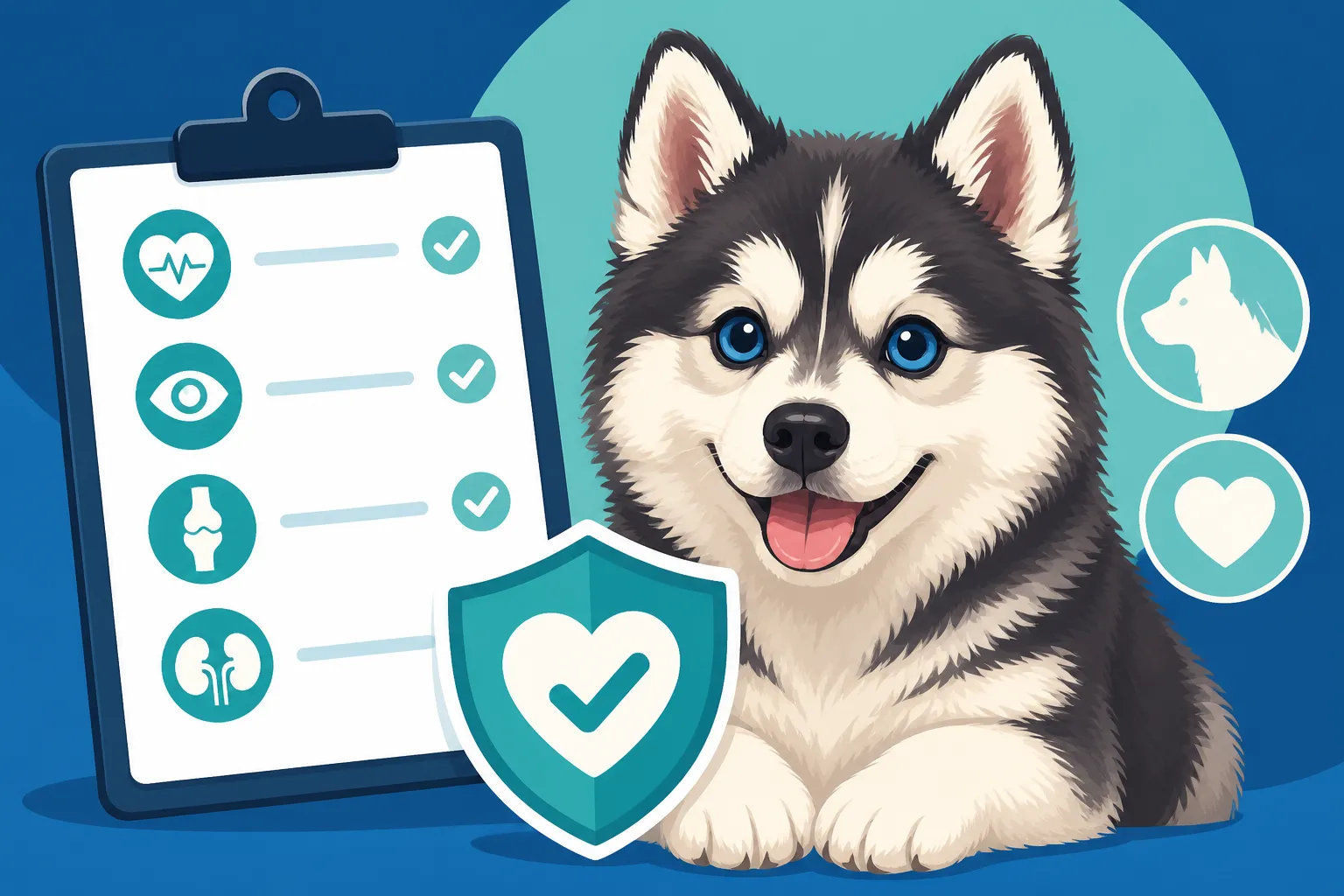
The Health Tests a Pomsky Breeder Should Show
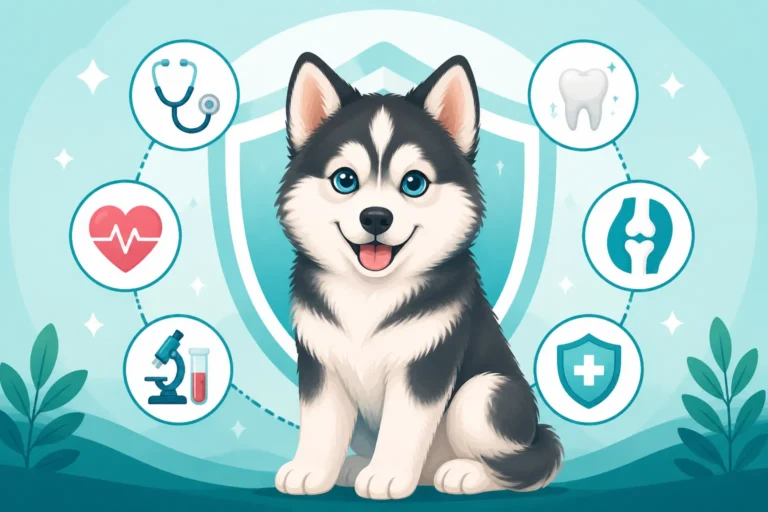
Bringing a Pomsky puppy home is an incredibly exciting time, full of dreams about fluffy cuddles and playful adventures. But let's be real, beneath that adorable exterior, there's a world of potential genetic health issues that can turn those dreams into costly, heartbreaking realities if you don't choose your breeder wisely. Navigating the world of health testing can feel like learning a new language, leaving many new owners wondering what certificates actually mean and what they should even be asking for. This guide is here to cut through the confusion, explaining exactly which health tests a responsible Pomsky breeder must show you and why they are so critically important for your future companion's well-being.
Why Health Testing is Non-Negotiable for Pomskies
When you decide to bring a Pomsky into your life, you're not just getting a cute face; you're getting a blend of two distinct breeds: the Siberian Husky and the Pomeranian. This crossbreed, while charming, carries the potential for genetic conditions from both sides of its family tree. Unlike purebreds where breeders have decades, if not centuries, to track and mitigate genetic diseases within specific lines, the Pomsky is a relatively new cross. This means responsible breeding practices, especially comprehensive health testing, are paramount to minimize the risks for future generations.
Ignoring health testing is essentially playing a genetic lottery with your puppy's future. Without proper screening of the parent dogs, you could unknowingly be buying into a line with a predisposition to serious, often painful, and expensive conditions. It's not just about avoiding vet bills; it's about ensuring your dog has the best possible chance at a long, healthy, and comfortable life, free from inherited ailments that could have been predicted and avoided. It’s important to understand that no test can guarantee a puppy will never get sick, but it significantly reduces the likelihood of inherited diseases.
Understanding the Genetic Blend: Husky and Pomeranian Inherited Ailments
The beauty of the Pomsky lies in its blend, but so does its genetic complexity. Both Siberian Huskies and Pomeranians come with their own list of hereditary health concerns. For example, Huskies are known for certain eye conditions and orthopedic issues, while Pomeranians are more prone to patellar luxation, tracheal collapse, and dental problems. A reputable breeder isn't just mixing two dogs; they're working to select parents who are clear of these inherited diseases, thereby reducing the chances of passing them on to their offspring.
Think of it like this: if both parents carry a gene for a specific disease, even if they don't show symptoms themselves, their puppies could inherit two copies of that gene and suffer from the condition. This is why a breeder should be transparent about The Two Opposite Disease Lists a Pomsky Inherits from its parent breeds. It's a fundamental part of understanding what health information you need to scrutinize.
The True Meaning of Responsible Breeding
Responsible breeding goes far beyond simply pairing two dogs. It involves a deep understanding of genetics, extensive knowledge of both parent breeds' health histories, and a commitment to improving the health and welfare of the Pomsky breed as a whole. This includes selecting breeding stock not just for looks or temperament, but first and foremost for health. This diligence is what makes a significant difference in the long-term health of your puppy. When a breeder invests in thorough health testing, they are demonstrating a commitment to ethical practices and the health of their puppies, rather than just cashing in on a popular breed.
Essential Health Tests a Reputable Pomsky Breeder Performs
When evaluating a Pomsky breeder, the most crucial thing they can provide is clear, verifiable documentation of health screenings for both parent dogs. These aren't just casual vet checks; these are specific, often breed-specific, tests performed by certified veterinary specialists.
Orthopedic Evaluations: Guarding Against Joint Issues
Orthopedic issues can be incredibly painful for a dog and expensive for an owner. Both parent breeds have predispositions to certain conditions, making these tests absolutely critical.
Hip Dysplasia Screening
Hip dysplasia is a genetic condition where the ball and socket of the hip joint don't fit together properly, leading to grinding, pain, and eventually arthritis. It's more commonly associated with larger breeds like the Husky, but it can affect Pomskies too, especially those on the larger side. Organizations like the Orthopedic Foundation for Animals (OFA) or the PennHIP program offer evaluations that can assess the quality of a dog's hips.
A reputable breeder will have OFA certifications for the breeding pair, typically showing a rating of "Fair," "Good," or "Excellent." These certifications should be easily verifiable on the OFA website using the dog's registered name or number. It’s not enough for a breeder to say the parents have "good hips"; you need to see the official documentation. This helps to reduce the risk of your puppy suffering from Hip Dysplasia in a Pomsky later in life.
Patellar Luxation Examinations
Patellar luxation, or "slipping kneecaps," is a condition where the kneecap dislocates from its normal position. This is a common issue in smaller breeds like the Pomeranian and is a significant concern for Pomskies. The OFA also certifies patellar luxation, grading them from 0 (normal) to 4 (severe). Ideally, breeding dogs should have a grade of 0.
When a breeder shows you a certificate for patellar luxation, they are providing proof that a qualified veterinarian has examined the dog's knees and found them to be structurally sound. This is paramount because a dog with luxating patellas can experience pain, lameness, and may require costly surgery. Knowing the Patellar Luxation Grades in a Pomsky of the parents gives you insight into your puppy’s potential future joint health.
Ophthalmic Examinations: Protecting Precious Eyesight
Eye health is another critical area, with both Huskies and Pomeranians susceptible to various inherited eye conditions.
OFA Eye Certification (formerly CERF)
The OFA Eye Certification Registry (CAER) program involves a board-certified veterinary ophthalmologist examining the eyes of the breeding dogs for any signs of inherited eye disease. This comprehensive examination screens for a multitude of conditions, not just one or two.
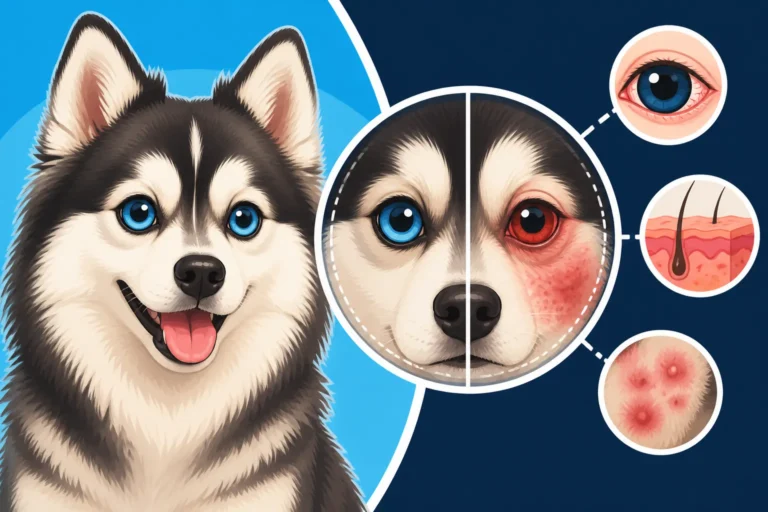
A breeder should provide current eye certifications for both parents, ideally renewed annually, as some conditions can develop over time. This screening is vital because it can detect conditions like juvenile cataracts, progressive retinal atrophy (PRA), and corneal dystrophy, all of which can severely impact a Pomsky’s vision, sometimes leading to blindness. You want to ensure your puppy has the best possible chance of clear vision, especially considering The Eyes a Pomsky Gets From the Husky.
Specific Inherited Eye Conditions
Beyond the general eye exam, some conditions are particularly relevant. The Juvenile Cataracts a Pomsky Gets From the Husky is a concern, as is Corneal Dystrophy in a Pomsky, which can manifest as cloudy areas in the cornea. While some conditions might not lead to total blindness, they can significantly impair a dog's quality of life and require ongoing veterinary care. Seeing clear documentation for these screenings is a sign of a breeder who truly cares about the long-term health outcomes of their puppies.
Cardiac Screening: Listening to the Heartbeat
While not as prevalent as orthopedic or eye issues, heart conditions can occur. A veterinarian should perform a thorough cardiac examination, often referred to as a "cardiac auscultation," to listen for any murmurs or irregular rhythms that could indicate underlying heart disease. For some breeds, more advanced cardiac diagnostics like echocardiograms are recommended, especially if a murmur is detected.
While routine cardiac auscultation by a general vet might not be an official OFA certification in all cases, a breeder should be able to provide documentation from a vet stating the parents have clear hearts. This simple step can help identify potential issues like congenital heart defects, ensuring a healthier start for your Pomsky.
Thyroid Function: Balancing Hormones
Hypothyroidism, an underactive thyroid gland, can lead to a host of problems, including weight gain, lethargy, skin issues, and coat loss. This condition can affect both parent breeds. OFA also offers a thyroid registry, certifying dogs based on blood tests that measure thyroid hormone levels.
A breeder who tests for thyroid function is proactive in trying to prevent their puppies from inheriting this condition. If you notice a Pomsky parent with unexplained weight issues or poor coat quality, it's worth asking about their thyroid health. Understanding Whether a Pomsky Gets Hypothyroidism is important for potential owners, as managing this condition involves lifelong medication.
Skin and Coat Conditions: More Than Just Appearance
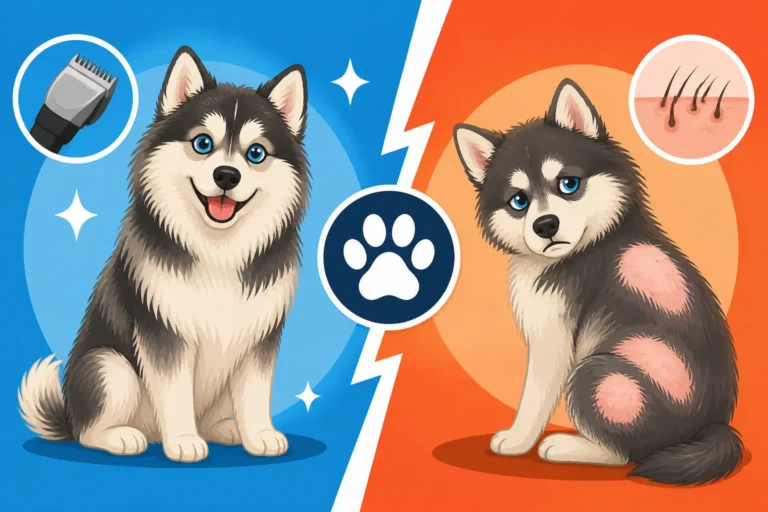
While not always "tested" in the same way as orthopedic issues, a responsible breeder should be knowledgeable about and transparent regarding skin and coat conditions that can affect Pomskies. Two notable examples are Alopecia X (also known as Black Skin Disease) and Zinc Responsive Dermatosis.
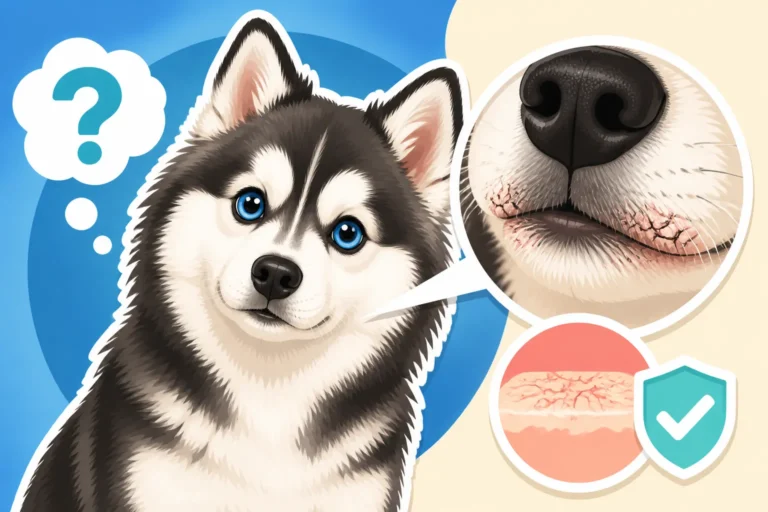
Alopecia X and the Pomsky That Loses Its Coat is a common concern, particularly from the Pomeranian side. While there isn't a definitive genetic test for breeding purposes before symptoms appear, a breeder should be keenly aware of its presence in their lines and actively breed away from it. Similarly, Zinc Responsive Dermatosis in a Pomsky can cause crusting and hair loss, often inherited from the Husky side. While sometimes manageable with supplements, a breeder should be able to discuss the health history of their dogs concerning these conditions. Good breeders are honest about potential issues and how they manage them within their program.
Deciphering Health Clearances and Certificates
So, your breeder has given you a stack of papers. Now what? Knowing how to read and verify these documents is key to ensuring you're getting legitimate health clearances, not just a pat on the head from a local vet.
Understanding OFA and PennHIP Results
For orthopedic clearances like hips and patellas, the Orthopedic Foundation for Animals (OFA) is the gold standard in the U.S. Each certified dog receives a unique OFA number and a public listing on their website. You can look up a dog by its registered name or number to see its official health clearances.
- OFA Hips: Results will be "Excellent," "Good," or "Fair" for passing. Anything below "Fair" (e.g., "Borderline," "Mild," "Moderate," "Severe") is considered a failing grade and those dogs should not be bred.
- OFA Elbows: Graded as "Normal" or with degrees of dysplasia (Grade I, II, or III). "Normal" is what you want to see.
- OFA Patellas: Graded 0 (normal) to 4 (severe luxation). A grade of 0 is ideal for breeding.
- OFA Eyes: A CAER form will state "Normal" or list any specific conditions found. These should be current, ideally within the last year, as eye conditions can develop later in life.
PennHIP is another hip evaluation method, often considered more stringent than OFA. It provides a numerical distraction index (DI) score, with lower numbers indicating tighter hips and a lower risk of hip dysplasia. A breeder using PennHIP should be able to explain the scores and why they are breeding dogs with those particular results.
The Difference Between "Vet Checked" and "Health Tested"
This is a critical distinction that many unsuspecting buyers miss. A "vet check" often means a general practitioner has given the puppy or parents a quick once-over to ensure they seem healthy for sale. This is standard practice but does not replace comprehensive genetic health testing. A vet check doesn't involve specialized X-rays for hips, certified ophthalmologist exams for eyes, or specific blood panels for thyroid.
When a breeder says their dogs are "vet checked," it’s simply not enough. You need to see proof of specific, specialist-performed health clearances from organizations like OFA or certified veterinary ophthalmologists. Without these, you’re just taking the breeder’s word for it, and that’s a gamble you shouldn't take with a living creature.
What to Ask For Specifically
Don't be shy! A reputable breeder will expect you to ask for this information. Request copies of all health certifications for both the sire (father) and dam (mother) of the litter. Better yet, ask for the registered names or OFA numbers so you can verify them yourself online. If a breeder hedges, makes excuses, or says these tests aren't necessary for a mixed breed like a Pomsky, consider that a major red flag. This kind of transparency is a cornerstone of ethical breeding, and it's something that can provide you with peace of mind. For example, some pet insurance providers like Healthy Paws may even offer more comprehensive coverage if you can demonstrate that your puppy came from health-tested parents.
Crucial Questions to Ask Your Pomsky Breeder
Beyond simply requesting health certificates, engaging your breeder in a detailed conversation is essential. Their responses will give you insight into their knowledge, ethics, and overall commitment to the breed.
Probing into Parent Health History
Don't just ask for certifications; ask about the family history of the parent dogs. "Have there been any instances of hip dysplasia, luxating patellas, or eye issues in previous litters or in the parents' lineage?" A good breeder will know this information backward and forward. They should be able to tell you about the health of grandparents and even great-grandparents, demonstrating their long-term commitment to their breeding program.
For instance, if you're concerned about orthopedic issues, ask about how they monitor their adult dogs for signs of discomfort or lameness. If a Pomsky’s kneecap first shows signs of slipping around The Age a Pomsky's Kneecap First Slips, a breeder should be aware of this and able to discuss how they screen for it in their breeding lines.
Verifying Certifications and Understanding Guarantees
As mentioned, always ask for registered names or OFA numbers to verify results directly on the OFA website. This is your ultimate safeguard against misleading claims. Once verified, ask about the health guarantee in their contract. A strong health guarantee should cover genetic conditions for a reasonable period, often one to two years, and outline what the breeder will do if a serious genetic health issue arises.
While no breeder can guarantee a dog will never have health problems, a good guarantee reflects their confidence in their breeding practices and their willingness to stand behind their puppies. Keep in mind that even with the best health testing, unforeseen issues can arise, which is why having pet insurance like Healthy Paws can be a smart move, providing a safety net for unexpected vet costs.
Inquiring About Breeding Practices and Frequency
A responsible breeder won't breed a female dog too often. Ask how many litters the dam has had and how often. Overbreeding can be detrimental to the health of the mother and, by extension, the puppies. Also, inquire about the age of the breeding pair; typically, dogs shouldn't be bred too young (before they're fully mature and all health clearances can be obtained) or too old.
Also, ask what they do with dogs who don't pass their health screenings. Do they still breed them, or do they rehome them as pets? Their answer will tell you a lot about their ethical standards. A truly dedicated breeder prioritizes health over profit, even if it means retiring a beloved dog from their breeding program. This focus on ethical practice extends to discussing things like Whether an F1 Pomsky Is Healthier Than an F2, as different generations may come with varying levels of genetic predictability.
The Lifelong Impact of Health Testing
Choosing a puppy from health-tested parents isn't just about the initial purchase; it’s an investment in the long-term health and happiness of your future companion. The decisions you make now can have profound effects for the next The Twelve to Fifteen Years a Pomsky Lives.
Long-Term Health and Well-being
A Pomsky from health-tested lines is statistically less likely to suffer from debilitating genetic diseases. This translates directly to a better quality of life for your dog. Imagine the difference between a dog that can run, play, and enjoy life without chronic pain from hip dysplasia or the gradual loss of sight from an inherited eye condition. Your dog's comfort and well-being are paramount, and health testing is a fundamental step in achieving this.
For example, preventing severe patellar luxation or hip dysplasia can mean your dog remains active and mobile into its senior years, enjoying walks and playtime rather than struggling with pain or needing expensive joint support. This proactive approach ensures your Pomsky can truly thrive and be a joyful, energetic member of your family.
Financial Implications and Peace of Mind
While a health-tested puppy might have a higher upfront cost, this is often a small fraction of what you could spend on treating serious genetic conditions. Surgeries for hip or elbow dysplasia can cost thousands of dollars, as can treatments for severe eye conditions. When these unexpected costs hit, it can be devastating, both emotionally and financially. This is precisely why services like Healthy Paws pet insurance are so popular – they help mitigate these risks, but starting with a healthy foundation from responsible breeding is always the best first step.
The peace of mind that comes from knowing your breeder took every possible step to ensure your puppy's health is invaluable. You can focus on bonding and enjoying your new family member, rather than constantly worrying about looming health issues. It's truly a long-term investment that pays dividends in joy and reduces stress. As you continue to monitor your Pomsky's health throughout its life, remember that The Screening a Pomsky Should Have Yearly is crucial, and having a good relationship with your vet will be key. This ongoing commitment to health, combined with a responsible breeder, sets your Pomsky up for the best possible life.
Final Thoughts: The Unseen Value of Transparency
In the end, choosing a Pomsky breeder isn't just about finding the cutest puppy; it's about finding a partner who prioritizes health, transparency, and ethical practices. The health tests a Pomsky breeder should show are more than just paperwork; they are a testament to their dedication to the welfare of their dogs and the future of the breed. Don't be swayed by lower prices or instant availability if it means sacrificing health guarantees. Investing in a puppy from health-tested parents means investing in a happier, healthier, and longer life for your beloved Pomsky, and ultimately, a more fulfilling experience for you. When you encounter a breeder who freely offers detailed health certifications, answers all your questions thoroughly, and stands behind their puppies, you've likely found a true gem. This commitment to health is the core reason Whether an Untested Pomsky Litter Is Worth Buying should always be answered with a resounding "no."
Disclaimer
Please remember that while comprehensive health testing significantly reduces the risk of inherited diseases, it cannot guarantee a dog will never develop health issues. Life happens, and unforeseen circumstances, environmental factors, or non-genetic conditions can still affect any dog. This guide provides general information and recommendations; always consult with a qualified veterinarian for personalized advice regarding your pet's health.