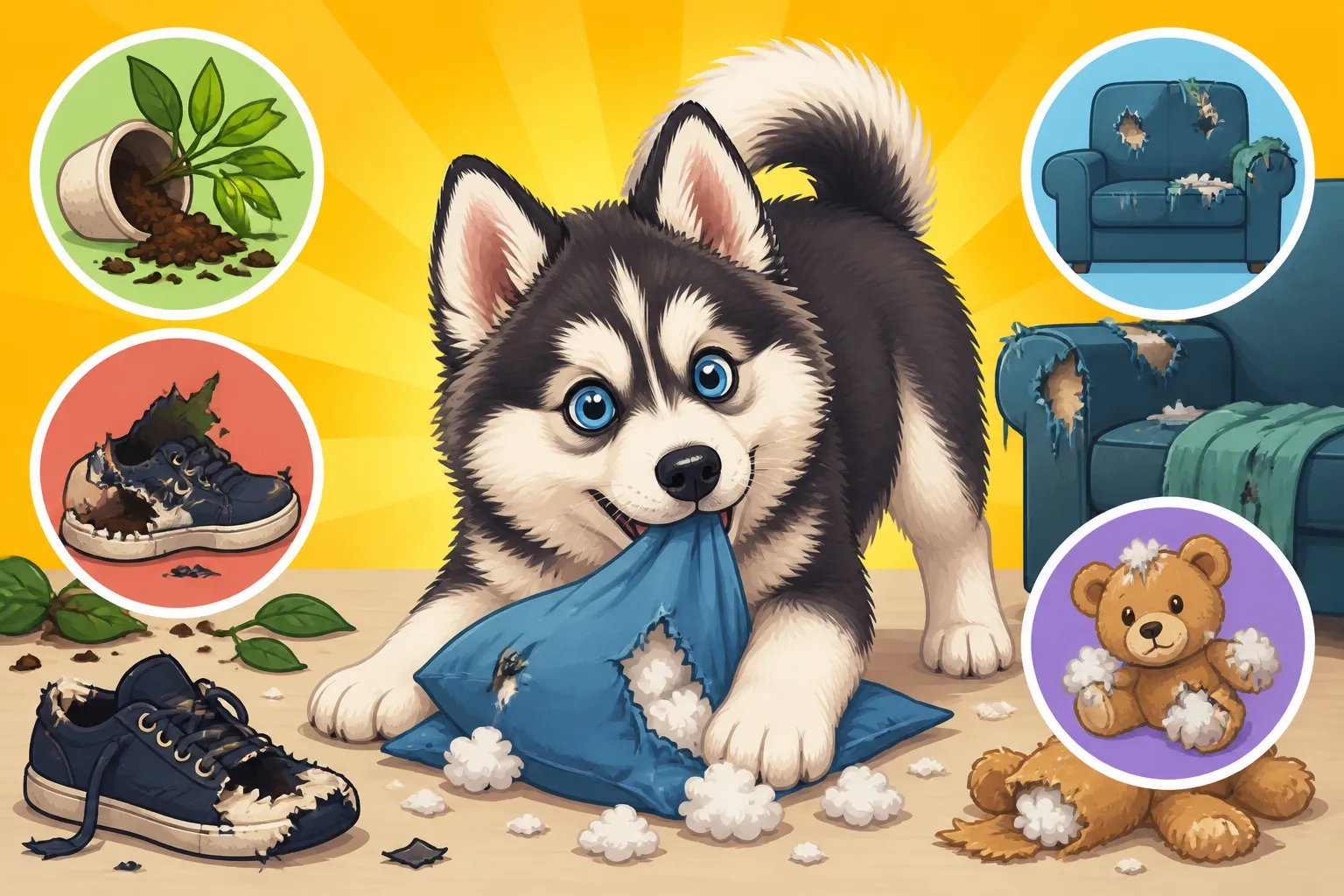
What a Pomsky Destroys as a Puppy
Oh, the sheer joy (and occasional terror) of bringing home a Pomsky puppy! They're bundles of fluff and boundless energy, with those captivating eyes that can melt your heart. But let's be real, beneath that adorable exterior often lies a tiny, four-legged wrecking ball with an insatiable curiosity and a set of razor-sharp puppy teeth. Many new Pomsky owners find themselves gazing fondly at their sleeping pup, only to discover a chewed-up shoe or a freshly gnawed table leg the moment they turn their back. It's a common frustration, and one that can leave you wondering if you'll ever have an intact pair of slippers again. This guide is here to shed some light on why your precious Pomsky puppy feels the need to redecorate with its mouth, what items usually fall victim to their destructive charm, and most importantly, how you can manage and redirect these natural puppy behaviors to protect your home and your sanity.
The Root Causes Behind Puppy Destruction
Understanding why your Pomsky puppy chews and destroys things is the first step toward managing the behavior. It's rarely out of malice; instead, it's usually a combination of instinct, developmental needs, and sometimes, a cry for help. Think of it from their perspective – the world is a giant, fascinating chew toy!
Teething: The Irresistible Urge to Chew
Just like human babies, Pomsky puppies go through a teething phase, and it's far from comfortable. They start losing their tiny, needle-sharp deciduous (baby) teeth around 3-4 months old, making way for their stronger, permanent adult teeth. This process can last until they're about 6-7 months old. During this time, their gums can be sore, itchy, and just plain uncomfortable.
Imagine having a constant dull ache in your mouth, or an itch you just can't scratch. For a puppy, chewing is the primary way to alleviate this discomfort. The pressure on their gums feels good, much like a teething ring for a human infant. Anything that offers resistance and satisfies that oral fixation becomes a target, whether it's your favorite pair of sneakers, the leg of a chair, or even your hand if you're not careful. Providing appropriate outlets during this crucial period is paramount to saving your belongings and helping your pup through this uncomfortable stage.
Boredom and Lack of Mental Stimulation
Pomskies are intelligent dogs, a blend of the clever Siberian Husky and the smart, often sassy, Pomeranian. This intelligence means they need more than just physical exercise; they crave mental stimulation. A bored Pomsky puppy is a destructive Pomsky puppy. If they don't have enough to do, their clever little minds will find ways to entertain themselves, and often, those ways involve chewing, digging, or dismantling things around your home.
Leaving a puppy alone for long periods without toys, puzzles, or opportunities for engagement is a recipe for disaster. They might start "rearranging" cushions, pulling threads from carpets, or investigating the structural integrity of your furniture. This isn't naughtiness; it's a desperate attempt to relieve pent-up energy and mental frustration. Think of them as tiny, furry scientists conducting experiments on your possessions.
Anxiety and Stress Chewing
Sometimes, destructive chewing isn't just about teething or boredom; it can be a manifestation of anxiety or stress. Pomsky puppies, like all young dogs, can experience separation anxiety when left alone, especially if they haven't been gradually accustomed to solitude. They might also feel anxious due to changes in their environment, a new routine, or even loud noises.
When a puppy feels overwhelmed or anxious, chewing can be a self-soothing mechanism. It releases endorphins, helping them to feel calmer. If you come home to widespread destruction, particularly around doorways or windows, or find that they've targeted items that smell strongly of you (like your clothes), anxiety could be a major factor. It's heartbreaking to realize your puppy is struggling, but recognizing the signs is the first step toward helping them cope.
Exploring the World with Their Mouths
Puppies, much like human toddlers, explore their world with their mouths. Everything new is sniffed, licked, and then inevitably, tasted and chewed. This is how they gather information about objects – texture, hardness, taste, and how they respond to being manipulated. It’s a completely natural and vital part of their development.
From a soft toy to a hard wooden block, every item in their reach is an opportunity for learning. The challenge for us as owners is to ensure that what they can explore with their mouths is safe and appropriate, guiding them away from anything valuable or dangerous. This exploratory chewing is less about discomfort or frustration and more about pure, unadulterated puppy curiosity.
Common Targets of a Pomsky Puppy's Destructive Tendencies
Once you understand the 'why,' it's helpful to know the 'what.' Pomsky puppies, with their blend of Husky curiosity and Pomeranian determination, often have specific targets when they embark on their demolition projects. Knowing what's commonly at risk can help you puppy-proof more effectively.
Furniture and Fixtures
Oh, the innocent table leg! So appealing in its sturdy, chewable glory. Furniture often bears the brunt of a Pomsky puppy's teething or boredom. Chair legs, coffee table corners, and even the frames of couches are prime targets because they're easily accessible and offer satisfying resistance. You might find little teeth marks etched into your favorite wooden pieces, or discover that the decorative trim on your cabinets has suddenly been "retextured."
Beyond the big pieces, don't underestimate their ability to tackle built-in fixtures. Baseboards become irresistible chew strips, especially in corners. Door frames, particularly at puppy height, can suffer serious damage as they try to "adjust" the home's architecture. And the carpet? A loose thread is an invitation for hours of unravelling fun, leading to bare patches or entire sections pulled up. It can feel like your house is slowly being eaten away, one nibble at a time.
Personal Belongings and Clothing
This is where the destruction often hits closest to home. Puppies are drawn to items that carry your scent, finding comfort in them. Unfortunately, those items are often your most cherished or expensive possessions. Shoes, especially those with interesting textures or scents from your feet, are a top contender. Remote controls, eyeglasses left on a low table, and mobile phones are also frequent victims due to their interesting buttons or malleable plastic.
Clothing, blankets, and even children's toys can be shredded into confetti. Anything soft and easily torn might become a game, while harder items might be gnawed for the sheer satisfaction of it. Perhaps the most dangerous targets, however, are electrical cords. A chewing puppy can not only destroy the cord, but also put themselves at serious risk of electrocution or burns. Always keep cords out of reach or protected with chew-proof coverings.
Yard and Garden Havoc
The destruction isn't limited to indoors. If your Pomsky puppy has access to a yard, they'll often extend their exploratory and destructive behaviors outside. Digging is a classic Husky trait, and many Pomskies inherit this love for excavation. You might find craters appearing overnight, flowers uprooted, or meticulously maintained garden beds turned into a lunar landscape. They might even try to tunnel under a fence, leading to potential escape attempts. This is why Whether a Pomsky Needs a Secure Fence is such an important consideration for Pomsky owners.
Beyond digging, plants themselves can become chew toys. Many common garden plants are toxic to dogs, making this a serious concern. Irrigation systems, with their tempting plastic tubing, or outdoor furniture legs are also vulnerable. A bored or under-exercised Pomsky can turn your beautiful garden into a chaotic construction site surprisingly quickly.
Strategies to Prevent and Manage Destructive Chewing
Okay, so we know why they do it and what they target. Now for the good stuff: how do we prevent it and guide our fluffy demolition experts toward more appropriate activities? It's all about proactive management, providing alternatives, and consistent training.
Puppy-Proofing Your Home Like a Pro
The absolute first step is to make your environment unsuitable for destructive chewing. This isn't a one-time task; it's an ongoing process as your puppy grows and becomes more mobile. Start by doing a "puppy-level" inspection of your home. Get down on your hands and knees and look at everything from their perspective.
Elevate anything precious or dangerous. Secure loose cords with cable ties or chew-proof covers. Remove tempting items from low shelves and coffee tables. If you can't remove it, make it unappealing. Some owners have success with bitter-tasting sprays on furniture legs or baseboards, though effectiveness varies from dog to dog. Gate off areas you can't fully puppy-proof, or use a playpen for supervised chewing sessions. Remember, an ounce of prevention is worth a pound of chewed up furniture. Consider getting a robust crate and starting training a Pomsky to be brushed early, along with general crate training. A crate can be a safe haven and a powerful tool for managing a puppy's environment when you can't supervise them directly.
Providing Appropriate Chewing Outlets
This is where you embrace the chewing instinct, but on your terms. Your Pomsky puppy needs to chew, so provide them with a variety of safe, durable, and appealing chew toys. Think different textures: soft rubber, hard nylon, edible dental chews, and even frozen Kongs stuffed with peanut butter or yogurt to soothe teething gums. Rotate their toys regularly to keep things interesting and prevent boredom. If they always have access to the same few things, they'll lose interest and seek out novelties – like your new slippers.
When choosing toys, consider durability. Pomskies often have strong jaws for their size, and flimsy toys won't last. Products found at reputable pet retailers like Chewy often have reviews that can guide you on durability. Or, if you prefer fresh, wholesome options, some companies like Ollie offer meal plans and treat options that can be a good, safe outlet for chewing. Make sure the toys are appropriately sized for your puppy – too small and they can be a choking hazard, too large and they might not be able to get a good grip.
Mental and Physical Exercise is Key
A tired puppy is a good puppy, and a mentally stimulated puppy is an even better puppy. Pomskies have significant energy needs, inherited from both parent breeds. Daily walks are a must, but just physical exercise isn't enough. Incorporate playtime that engages their minds, like fetch, tug-of-war (with rules!), or hiding treats for them to find. Puzzle toys that dispense kibble or treats are excellent for keeping their brains busy and burning mental energy.
Beyond play, regular, short training sessions can be incredibly stimulating. Even learning basic commands like sit, stay, and come provides mental exercise. These short bursts of focused attention are vital for a Raising a Pomsky Puppy and can make a huge difference in their overall behavior. Remember, The Exercise a Pomsky Needs Every Day is substantial, and a lack thereof will manifest in destructive behavior. If you notice your puppy gravitating towards furniture when idle, it might be a sign they need more activity; remember, Whether a Pomsky Destroys Furniture When Bored is a common scenario.
Training and Redirection Techniques
Consistency is your best friend when training a Pomsky puppy. Whenever you catch your puppy chewing on something inappropriate, immediately interrupt them with a firm but calm "No!" or a startling sound (like clapping your hands). Then, redirect them to an appropriate chew toy. As soon as they take the toy, praise them enthusiastically and offer a treat. This teaches them what they should chew on.
Teach essential commands like "Leave It" and "Drop It" from an early age. These can be lifesavers when your puppy has something in their mouth they shouldn't. Positive reinforcement is key; reward good choices and ignore (or calmly interrupt) bad ones. Never punish your puppy harshly for chewing, as this can lead to fear or sneaking behavior rather than true understanding. Just like humans, puppies learn best through clear, consistent boundaries and positive feedback. Even What a Pomsky Learns in a Week can be astounding with the right approach.
| Behavior | Potential Causes | Prevention/Management Strategies |
|---|---|---|
| Chewing furniture | Teething, boredom, anxiety | Puppy-proof, provide varied chew toys, increase exercise |
| Shredding clothes | Comfort (your scent), play | Put laundry away, use bitter spray, redirection |
| Digging in yard | Breed instinct, boredom | Designated digging area, more exercise/mental stimulation, secure fence |
| Gnawing on cords | Exploration, teething | Elevate cords, use chew-proof covers, supervision |
| Destroys children's toys | Play, novelty, accessibility | Keep child's toys separate, provide appropriate dog toys, supervision |
| Excessive chewing (general) | Lack of outlets, stress | Comprehensive approach: exercise, mental games, safe chews, crate training |
When to Seek Professional Help and Why
Sometimes, despite your best efforts, the destructive chewing might persist or even escalate. It's crucial to know when to bring in reinforcements, both for your peace of mind and your Pomsky's well-being.
Persistent or Escalating Destruction
If your Pomsky puppy's destructive behavior seems relentless, leading to significant damage to your home, or if you notice they are harming themselves by ingesting inappropriate items, it's time to take a closer look. Signs that it might be more than just "normal puppy behavior" include: destruction occurring even after ample exercise and mental stimulation, consistent targeting of dangerous items (like electrical cords), or self-mutilation (licking or chewing on themselves excessively).
This persistent behavior could indicate deeper underlying issues such as severe separation anxiety, compulsive disorders, or even certain nutritional deficiencies or medical conditions that cause discomfort. It's easy to get frustrated, but remember, your puppy is communicating something.
Understanding the Role of Vet and Trainer
Your first stop should always be your veterinarian. A vet can rule out any medical reasons for the excessive chewing, such as dental pain, gastrointestinal issues from ingesting foreign objects, or other discomforts. For instance, sometimes a puppy might chew to self-soothe pain. They can also advise on safe chew toys and nutritional needs. Should medical issues be found, pet insurance providers like Healthy Paws can be invaluable in covering unexpected veterinary costs, which can quickly add up if significant damage or ingestion occurs. It's always wise to be prepared for What a Pomsky's Vet Bills Look Like.
If medical causes are ruled out, a certified professional dog trainer or a veterinary behaviorist can be a game-changer. They have the expertise to assess your Pomsky's specific behaviors, identify the root cause (whether it's anxiety, extreme boredom, or something else), and develop a tailored behavior modification plan. They can teach you effective techniques for management, redirection, and behavior adjustment that you might not have considered. Don't feel like you've failed if you need to consult a professional; you're simply giving your Pomsky the best chance to thrive.
Long-Term Management and Patience
Living with a Pomsky puppy that has destructive tendencies requires a great deal of patience and a commitment to long-term management. These behaviors don't disappear overnight, and there will likely be setbacks. Consistency in your routine, training, and environmental management is absolutely vital. This isn't just a phase that you "wait out"; it's an opportunity to teach your puppy appropriate coping mechanisms and integrate them more fully into your life.
Remember that your Pomsky puppy is still learning about the world and their place in it. They rely on you for guidance, safety, and understanding. By being proactive, providing appropriate outlets, and not shying away from professional help when needed, you can successfully navigate these challenging puppy months. The goal is to raise a well-adjusted, happy adult Pomsky who understands what's okay to chew and what's definitely not. After all, the journey of The Full Cost of Fourteen Years With a Pomsky is worth every effort.
Disclaimer
This article is for general informational purposes only and does not constitute professional advice. Laws, prices and regulations vary by location and change over time. Consult a qualified professional for guidance on your specific situation.