What a Pomsky Learns in a Week
Bringing home a new Pomsky puppy is an incredibly exciting time, full of dreams of a perfectly behaved, adorable companion. But let's be real: those first few days and weeks can also be a whirlwind of chaos, questions, and sometimes, a little bit of bewilderment. Many new owners find themselves wondering, "What exactly can my Pomsky learn in just a week?" It's easy to feel overwhelmed by the sheer volume of training advice out there, and the unique blend of Husky independence and Pomeranian sass can make predicting progress tricky. This guide is here to ground those expectations, helping you understand the realistic learning curve for your Pomsky in that crucial first week, focusing on foundational skills and setting you both up for long-term success.
Setting Realistic Expectations for Pomsky Learning
When you first bring your Pomsky home, it’s natural to want them to be a perfectly trained companion overnight. We see all those amazing videos online of dogs performing complex tricks, and we might think our smart little Pomsky should pick things up just as quickly. But the reality is, training a puppy, especially one with the unique blend of intelligence and willfulness that Pomskies possess, is a marathon, not a sprint. A week is a very short period in a dog's life, and while significant progress can certainly be made, it's more about laying groundwork than achieving mastery.
One of the biggest frustrations new Pomsky owners face is the perception that their dog is being stubborn. It’s not that they can't learn; it's often that they have strong opinions or are easily distracted. This breed brings together the high intelligence of a Husky, which means they can absolutely learn quickly, but also the independent streak that makes them question why they should do what you ask. Couple that with the Pomeranian's sometimes feisty and headstrong nature, and you've got a dog that requires patience, consistency, and a good sense of humor. Don't fall into the trap of thinking your Pomsky isn't smart if they're not acing "stay" after three days; they just might be testing the boundaries, which is a very Pomsky trait!
The Pomsky's Unique Learning Style: Stubbornness vs. Intelligence
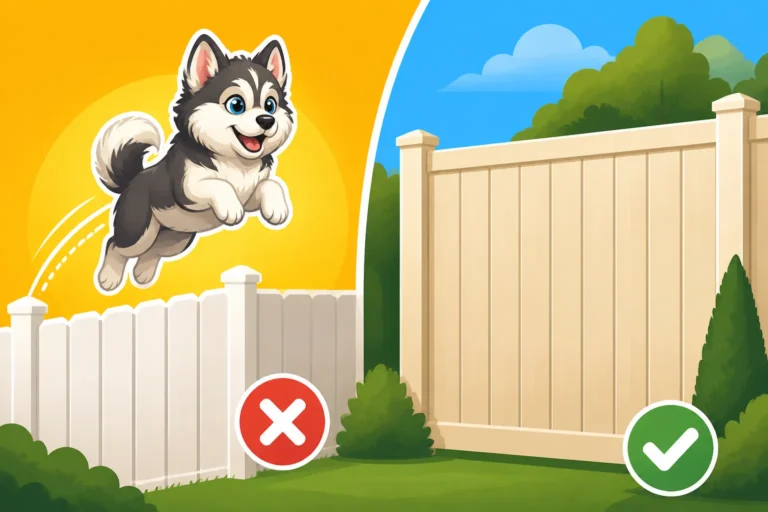
Let’s talk about that distinctive Pomsky brain. On one paw, you have the Siberian Husky's remarkable problem-solving abilities and intelligence. They can figure out how to open gates, escape enclosures, and outwit their humans with surprising ease. This is why you often hear stories of The Pomsky Escape Artist in a Twenty Pound Body. This intelligence, however, often comes with a strong desire to do things their way. They're not always driven by a desire to please, but rather by what benefits them.
Then, on the other paw, you have the Pomeranian’s cleverness and often assertive personality. They can be incredibly quick to pick up new commands, especially if high-value treats are involved. However, if they don't see the point, or if something more interesting catches their attention, they can act as if they’ve never heard the command before. It's not true stubbornness in the sense of defiance, but more of a prioritization of their own impulses. This means your training approach needs to be engaging, highly rewarding, and consistent, always staying one step ahead of their clever minds. They need to understand that doing what you ask consistently leads to something wonderful for them.
Why "A Week" is More About Foundation Than Mastery
In that first week, your primary goal isn't to have a Pomsky performing a perfect heel in a busy park. It's about building trust, establishing a routine, and introducing basic concepts that will be refined over weeks and months. Think of it like learning a new language: in a week, you might master a few basic phrases and understand the concept of sentence structure, but you won't be fluent. The same goes for your Pomsky.
The initial week is critical for puppies, especially for settling into their new environment. They're adjusting to new sights, sounds, smells, and people. Their little brains are processing a huge amount of information. Focus on creating positive associations with you, their crate, and short training sessions. If you try to push too much too fast, you risk overwhelming them and creating negative associations with training, which can be much harder to undo later. Remember, consistency in small, positive bursts is far more effective than long, frustrating sessions. This foundation of trust and positive reinforcement is what makes future, more complex training possible.
Core Skills a Pomsky Puppy Can Grasp in a Week
Even though a week is a short time, you can make incredible strides in establishing crucial foundational behaviors with your Pomsky puppy. It's all about breaking down big goals into tiny, achievable steps and celebrating every little win. Think of these as the building blocks for a lifetime of good behavior and a strong bond between you two.
House Training and Crate Acclimation Milestones
House training is usually at the top of every new puppy owner's list, and rightly so! In the first week, your Pomsky puppy can certainly start to understand the concept of "potty outside." This isn't about perfect execution every time, but about recognizing the pattern. The key is strict supervision, frequent potty breaks (every 30-60 minutes for very young puppies, and right after waking, eating, and playing), and immediate positive reinforcement. When they go outside, throw a party – treats, praise, happy dances! Avoid punishing accidents indoors; instead, calmly clean them up and reaffirm the outdoor routine. You'll be amazed at how quickly they start to "hold it" just a little longer, understanding that outside is where the good things happen. If you stick with this, you'll be well on your way to them How Long a Pomsky Puppy Takes to House Train.
Crate training can also see significant progress in a week. The goal isn't necessarily to have them sleeping through the night without a peep, but to help them view their crate as a safe, comfortable den. Start with short periods, making the crate inviting with cozy bedding, safe chew toys, and maybe even a puzzle feeder. Never use the crate as punishment. For the first week, aim for them to go in willingly for treats, settle down for short naps, and perhaps even sleep through part of the night. You can feed meals in the crate to build positive associations. Brands like Amazon offer a wide range of comfortable crates and bedding options that can make this process easier and more appealing for your puppy.
"Sit," "Stay," and Name Recognition: The Building Blocks
Believe it or not, a clever Pomsky puppy can absolutely begin to grasp basic commands like "sit" and "their name" within a week, and even start on "stay." For "sit," lure them into position with a treat held over their head, moving it slowly back towards their tail. As their rear touches the ground, say "sit" and immediately reward them. Repeat this many, many times in short, fun sessions throughout the day. For name recognition, simply say their name in a happy tone, and when they look at you, immediately reward them. This teaches them that their name means "pay attention to me!"
"Stay" is a bit more challenging, but you can introduce the concept. Start with your Pomsky in a "sit" position. Say "stay," take one step back, then immediately step forward and reward them. Slowly increase the distance and duration. Remember, these are very short attention spans, so don't expect them to "stay" for more than a few seconds in the first week. The goal is a positive introduction to these commands, building a foundation for future learning. The key to teaching these commands effectively is making it a game and using high-value treats that your Pomsky absolutely loves. Positive reinforcement is king here; harsh corrections or frustrated tones will only make a Pomsky shut down or become less willing to participate.
Early Socialization and Handling for a Well-Adjusted Pomsky
Beyond commands, the first week is crucial for early socialization. This doesn't mean taking your unvaccinated puppy to the dog park! Instead, it means safely exposing them to a variety of new, positive experiences within the confines of your home and safe, clean areas. This includes meeting different people (gentle adults, calm children), hearing various household sounds (vacuum, doorbell, TV), experiencing different surfaces (carpet, tile, grass), and getting used to gentle handling. Pick up their paws, look in their ears, touch their tail – all while giving praise and treats. This makes future vet visits and grooming sessions much less stressful.
The more positive exposures your Pomsky has in their critical socialization period (which extends beyond the first week, but really starts ramping up now), the more confident and resilient they will be as an adult. Think of it as building their "bravery bank." Every good experience is a deposit. This includes getting them used to their harness and leash, even if it's just for a few minutes in the living room. Many new Pomsky owners find excellent resources through online puppy training platforms like BAXTER & Bella, which provide structured guidance on early socialization and basic obedience from the comfort of your home, perfectly complementing these initial steps. It’s all part of Raising a Pomsky Puppy to be well-adjusted.
| Training Goal | Week 1 Realistic Expectation | Key Activities |
|---|---|---|
| House Training | Understands "outside = potty," fewer indoor accidents. | Frequent, scheduled potty breaks (after waking, eating, playing), immediate reward for outdoor success, supervision indoors, calm cleaning of accidents. |
| Crate Acclimation | Enters crate willingly for treats, tolerates short periods, settles for naps. | Make crate a den (bedding, toys), feed meals in crate, short periods of confinement with positive associations, never use for punishment. |
| Name Recognition | Looks at you consistently when name is called. | Say name, reward eye contact immediately with a treat and praise. |
| "Sit" Command | Sits on cue with a lure (treat), for a few seconds. | Lure with a treat, say "sit" as bottom touches ground, reward. Repeat in short, fun sessions. |
| "Stay" Command | Begins to understand the concept of holding position for 1-2 seconds with minimal distance. | After "sit," say "stay," take one step back, return, and reward. Gradually increase distance/duration very slightly. |
| Leash/Harness Prep | Tolerates wearing harness for short periods, comfortable with leash drag indoors. | Introduce harness positively with treats, let them wear it for short play sessions, attach a lightweight leash and supervise as they drag it around inside. |
| Socialization | Positive exposure to household sounds, different surfaces, gentle handling by family. | Introduce new, mild stimuli in a controlled, positive way. Gently touch paws, ears, mouth. |
| Bite Inhibition | Understands "ouch" means play stops, redirecting to appropriate chew toys. | Yipe loudly when bitten, withdraw attention immediately. Offer a What an Undercoat Rake Costs a Pomsky Owner suitable chew toy for redirection. |
Challenges and Troubleshooting in a Week of Training
Even with the best intentions and the most eager little Pomsky, those first few days of training are rarely perfectly smooth. You're going to hit snags, face moments of doubt, and maybe even wonder if your Pomsky is the only one who just doesn't "get it." Rest assured, these challenges are totally normal and part of the learning process for both of you. Recognizing them and having a plan is half the battle.
Dealing with Distractions and Short Attention Spans
One minute your Pomsky puppy is laser-focused on that treat, sitting perfectly. The next? A leaf blows past the window, or a sock falls off the laundry pile, and suddenly, you're invisible. This is the classic Pomsky brain at work – highly intelligent, yes, but also incredibly curious and easily diverted. Their attention spans are incredibly short, especially when they're young. Expecting them to focus on you for more than a minute or two is unrealistic in the first week. This is why Whether Short Sessions Suit a Pomsky is a resounding "yes!"
The trick here is to work with their attention span, not against it. Keep training sessions super short – literally 60 seconds, maybe two minutes tops – and end on a high note. Do three successful "sits," praise, reward, and then let them go play. This keeps training fun and prevents frustration. Start training in the quietest part of your home, then gradually introduce mild distractions once they're reliably performing a command. If they get distracted, don't get angry; simply reset, try again, or take a break. Remember, you're competing with a world full of fascinating smells and sounds for their attention.
Overcoming Nipping and Chewing in Young Pomskies
Oh, the puppy shark phase! Every Pomsky puppy goes through it, and it can be incredibly frustrating. Those sharp little teeth seem to be everywhere, and they don't always distinguish between your hand and a chew toy. This is completely normal developmental behavior; puppies explore with their mouths and learn bite inhibition through play with littermates. Since you're their new "littermate," it's your job to teach them gentle mouthing. You can get more details on this topic from The Age a Pomsky Puppy Stops Biting.
In the first week, focus on teaching your Pomsky that human skin is not a chew toy. When they nip too hard, give a sharp, high-pitched "ouch!" and immediately withdraw your attention. Turn your back, cross your arms, or even leave the room for 10-15 seconds. This teaches them that biting makes the fun stop. As soon as they calm down, redirect them to an appropriate chew toy. Having a variety of engaging chew toys on hand (again, Amazon is a great source for durable puppy-safe options) is essential. Offer them a toy before they start nipping at you. Consistency is key here; every family member needs to respond the same way.
The Importance of Consistency and Positive Reinforcement
This can't be stressed enough: consistency is the bedrock of all successful puppy training, especially with a Pomsky. If one family member lets the puppy jump on them while another scolds them for it, your Pomsky will be confused and take longer to learn what's expected. Everyone in the household needs to be on the same page regarding rules, commands, and rewards. This means consistent daily routines, consistent responses to behaviors, and consistent use of verbal cues.
Positive reinforcement means rewarding desired behaviors, rather than punishing undesired ones. For a Pomsky, this is particularly effective because of their independent nature. They respond much better to incentives than to coercion. High-value treats, enthusiastic praise, and favorite toys are powerful motivators. When your Pomsky does something right – even if it's just a tiny step in the right direction – make sure they know it! This builds their confidence, strengthens your bond, and makes them want to work with you. Remember, a discouraged Pomsky is a Pomsky that will disengage, but an encouraged one will try their hardest, especially if they truly understand What a Pomsky Will Work For.
Looking Beyond the First Week: Sustainable Training Habits
While that first week is all about laying a crucial foundation, successful Pomsky ownership is a long-term commitment to ongoing training and enrichment. Think of this initial period not as the end goal, but as the exciting beginning of a lifelong learning journey together. Your Pomsky’s intelligence means they're capable of learning so much, but their independent spirit means you need to stay engaged and innovative to keep them motivated.
Continuing Education and Advanced Skills
After the initial week, as your Pomsky starts to reliably understand their name, "sit," and the basics of house training, you can gradually begin to expand their repertoire. This means introducing new commands like "down," "stay" with longer durations and distractions, and a solid recall. A strong recall is paramount for a breed like the Pomsky, given their adventurous nature and potential for bolting. It's often said that a Pomsky will follow their nose or curiosity over your command, making Recall on a Pomsky Bred From a Dog That Runs a true training challenge. Working on this diligently is crucial for their safety.
Consider enrolling in a puppy class, either in-person or online, which can be invaluable for structured learning and controlled socialization. Programs like BAXTER & Bella provide comprehensive modules that guide you through puppyhood and into adolescence, offering support and a clear curriculum. Beyond basic obedience, Pomskies often thrive in activities that challenge their minds and bodies, such as agility, scent work, or even trick training. These activities not only teach new skills but also provide essential mental stimulation, which is key to preventing boredom-related destructive behaviors.
Integrating Training into Daily Life for Long-Term Success
The most effective training isn't just confined to dedicated sessions; it's woven into the fabric of your everyday life. Every walk, every mealtime, every interaction is an opportunity to reinforce good behavior and practice commands. For example, make your Pomsky "sit" before getting their food bowl, or wait politely at the door before going outside. This teaches them impulse control and that good things come to those who wait and cooperate.
Maintaining consistency and continuing to use positive reinforcement will ensure that the lessons learned in that first week stick. Keep training sessions short, fun, and varied to prevent your smart Pomsky from getting bored or feeling like they're being nagged. Remember, your Pomsky is constantly learning from every interaction. By being a patient, consistent, and positive leader, you’re not just training a dog; you’re building an incredible bond and fostering a confident, well-behaved companion for years to come. And while you're at it, don't forget the importance of things like whether a Pomsky should wear a harness instead of a collar to protect their trachea, or ensuring they have a Whether a Pomsky Needs a Secure Fence to prevent escapes!
Disclaimer
This article is for general informational purposes only and does not constitute professional advice. Laws, prices and regulations vary by location and change over time. Consult a qualified professional for guidance on your specific situation.