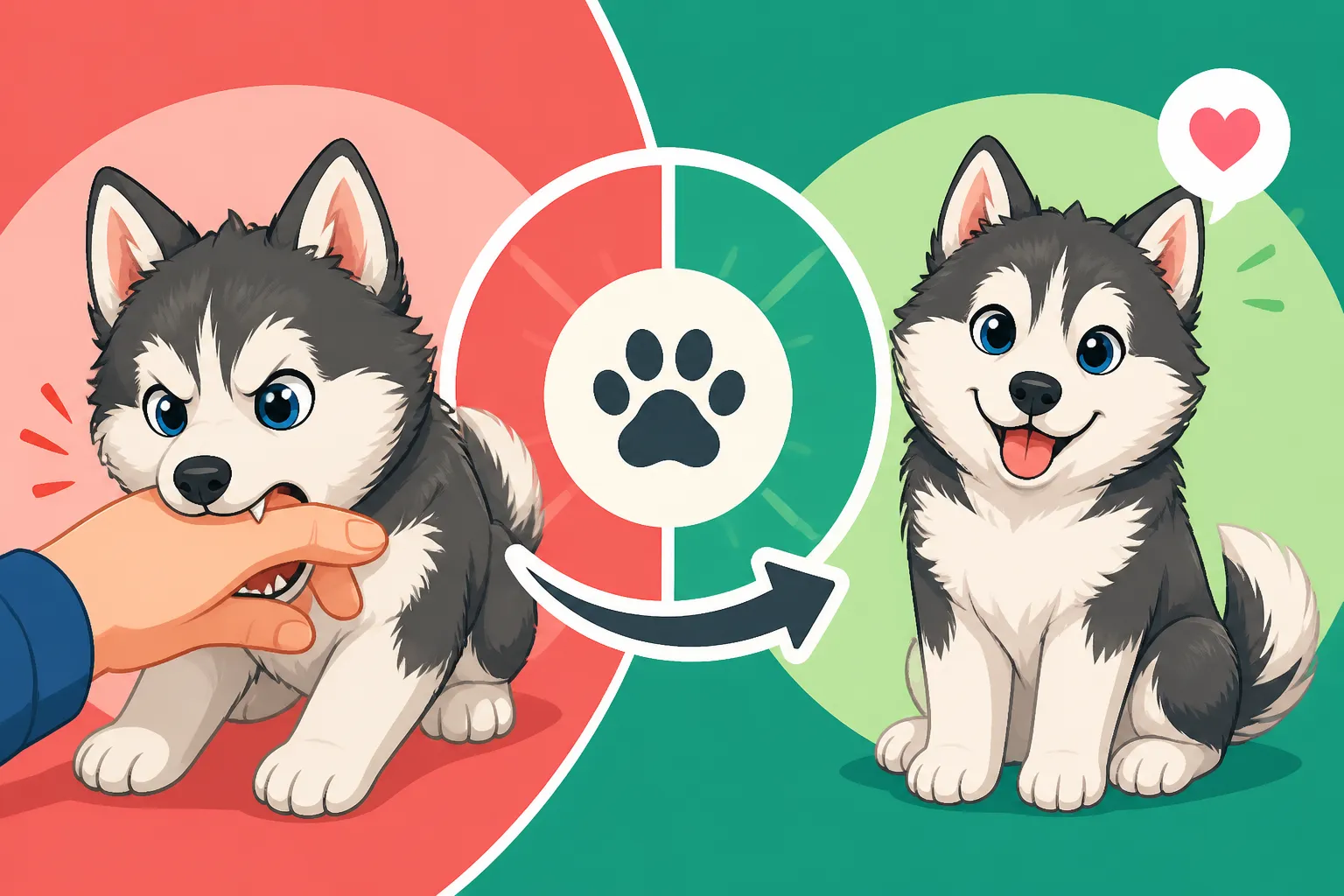
The Age a Pomsky Puppy Stops Biting
The sharp little teeth of a Pomsky puppy can be surprisingly painful, turning what should be sweet cuddles into a session of painful nips, leaving many new owners wondering if their furry little land shark will ever learn to be gentle. This comprehensive guide will walk you through the typical developmental stages of puppy biting, offering realistic timelines and actionable strategies to help your Pomsky puppy learn appropriate mouth manners and eventually stop the relentless nipping.
Understanding Pomsky Puppy Biting Stages
It's easy to feel frustrated when your adorable Pomsky puppy seems intent on turning your hands and ankles into chew toys. But understanding why they bite at different stages can help you approach the problem with patience and effective training. Puppy biting isn't usually malicious; it's a completely normal, albeit inconvenient, part of their development.
The Nipping Phase: Weeks 8-16
This is often the most intense period of puppy biting, and for good reason. When you bring home your eight-week-old Pomsky, they're exploring the world with their mouths, just like human babies use their hands. Their tiny, needle-sharp teeth are designed for chewing and tearing, and they don't yet understand the concept of "too hard" when it comes to human skin. This phase is crucial for them to learn bite inhibition – understanding how much pressure they can exert with their jaws without causing harm.
Your Pomsky carries genetic traits from both the playful, sometimes boisterous Husky and the lively, vocal Pomeranian. This can mean a lot of energetic play biting and even "talking back" with nips during this stage. They might nip because they're overstimulated, tired, seeking attention, or simply trying to initiate play. Many new owners feel overwhelmed during this time, wondering if their puppy will ever calm down. Rest assured, this is a very common challenge, and with consistent effort, it absolutely improves. Think of it as their primary way of interacting and gathering information about their environment and the creatures in it – including you! For a deeper dive into general puppy care, you might want to check out Raising a Pomsky Puppy.
The Teething Phase: Months 3-6
Just when you think the nipping might be easing up, your Pomsky puppy enters the joys of teething. Starting around three to four months of age, their baby teeth begin to fall out, making way for their stronger, permanent adult teeth. This process can be uncomfortable, even painful, for them, much like a human baby teething. Their gums become sore and itchy, and their natural instinct is to chew on anything and everything to relieve that discomfort.
During this period, you might notice an increase in chewing, and sometimes the nips might feel stronger, even if the teeth aren't as sharp as the baby ones. It's not a sign of aggression; it's a puppy trying to soothe itself. They're looking for firm, cold, or textured objects to gnaw on. Providing appropriate chew toys becomes paramount during this phase to protect your belongings and redirect their natural urge. Keep in mind that a Pomsky's small mouth is prone to Dental Crowding in a Pomsky's Small Mouth, which can sometimes exacerbate teething discomfort if baby teeth don't fall out cleanly. This stage typically lasts until they have a full set of adult teeth, usually by six months old.
The Adolescent Biting: Months 6-12 (and Beyond)
While the intense, exploratory nipping and painful teething bites should largely subside by six months, some Pomskies might continue to mouth, chew, or even nip playfully into adolescence. This isn't usually the same sharp, persistent biting of early puppyhood. Instead, it can manifest as exuberant greetings, attention-seeking nibbles, or a lack of impulse control. An adolescent Pomsky is still very much a teenager – full of energy, testing boundaries, and sometimes forgetting their manners in their excitement.
If biting persists or escalates past six months, it often points to a need for more consistent training, increased mental and physical stimulation, or a closer look at potential underlying issues like fear or frustration. A Pomsky's independence, a trait that can sometimes be mistaken for stubbornness, might play a role here. You might find it helpful to read Whether a Pomsky Is Stubborn or Independent for insights into their unique temperament. They might be using their mouth to communicate their needs, show frustration, or simply haven't fully internalized bite inhibition because of inconsistent training in their earlier months. It's crucial not to dismiss this as "just playing" if it's causing pain or discomfort.
Effective Strategies to Curb Puppy Biting
Managing puppy biting requires patience, consistency, and a clear understanding of how to communicate with your Pomsky in a way they understand. The goal isn't to stop them from ever using their mouth, but to teach them what to bite, and how gently.
Teaching Bite Inhibition Early
The most critical skill your Pomsky puppy needs to learn is bite inhibition – how much pressure they can put on something before it hurts. This is usually learned from their littermates and mother, but it's something we need to reinforce.
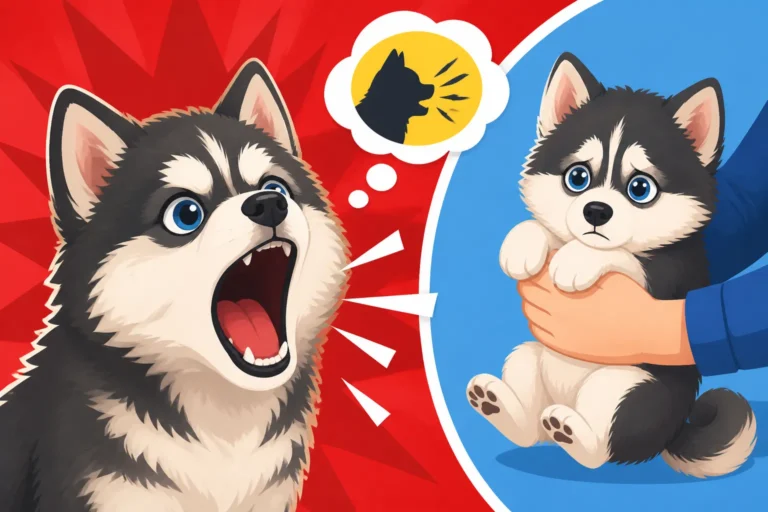
- The "Ouch" Method: When your puppy bites too hard during play, let out a high-pitched "ouch!" or "yip!" immediately. Then, withdraw your hand or body part and disengage from play for about 10-20 seconds. This mimics how another puppy would react and teaches them that hard biting ends the fun. If they continue to nip, you might need to briefly leave the room or put them in a puppy-proofed pen.
- Consistency is Key: Every single person interacting with the puppy must use the same method. If one family member allows rougher play, it undermines the training efforts. Explain the rules to children and guests, ensuring everyone is on the same page.
- Redirection with Toys: Have plenty of appropriate chew toys readily available. The moment your puppy starts to nip you, redirect their mouth to a toy. Praise them enthusiastically when they chew on the toy instead. This teaches them what is acceptable to chew.
- Engagement and Mental Stimulation: A bored or under-exercised Pomsky puppy is more likely to resort to nipping. Ensure they get adequate physical exercise every day, which helps burn off excess energy. The Exercise a Pomsky Needs Every Day is vital. Beyond physical exertion, mental stimulation through puzzle toys, short training sessions, and interactive games can also reduce unwanted biting behavior.
Providing Appropriate Chew Outlets
Chewing is a natural and necessary behavior for dogs, especially puppies. The key is to direct this behavior towards appropriate items.
- Variety of Chew Toys: Offer a range of textures and types of chew toys. Some puppies prefer soft rubber, others like hard nylon, and some enjoy rope toys. Providing variety ensures they always have something appealing to gnaw on. For teething puppies, frozen Kongs stuffed with peanut butter or yogurt, or even a frozen wet washcloth, can provide immense relief for their sore gums.
- Safety First: Always choose chew toys that are appropriate for your Pomsky's size and chewing strength. Avoid toys that can break into small pieces and become choking hazards. You can find a vast selection of safe and durable chew toys on platforms like Amazon, making it easy to experiment and find what your Pomsky loves.
- Supervised Chewing: Even with the safest toys, it's wise to supervise your puppy during chew time, especially with new toys or high-value chews that might break down. This not only ensures their safety but also allows you to intervene if they try to chew on something inappropriate. Providing excellent chew redirection can also help prevent them from destroying your belongings, an issue addressed in What a Pomsky Destroys as a Puppy.
Reinforcing Good Behavior and Training
Beyond just stopping the bad behavior, it's crucial to actively teach and reinforce the good. Positive reinforcement is your most powerful tool.
- Reward Gentle Interaction: Actively praise and reward your Pomsky puppy whenever they interact gently with you, even if it's just licking your hand instead of nipping. Make these moments special with enthusiastic praise, a gentle pat on the chest, or a small, high-value treat.
- Obedience Training for Impulse Control: Basic obedience commands like "sit," "stay," and "leave it" are not just about manners; they are vital for teaching impulse control. A puppy that can "leave it" when asked is learning to control its urges, which translates directly to controlling their mouth. Look for puppy classes in your area, or utilize online resources. BAXTER & Bella offers a comprehensive online puppy training program that covers many of these essential skills and can be a fantastic resource for Pomsky owners looking for structured guidance from home.
- Consistency from Day One: As mentioned, everyone in the household needs to be consistent. This consistency extends beyond bite inhibition to all aspects of training. If your Pomsky gets mixed signals, it will take longer for them to understand what's expected. Regular, short training sessions, often just 5-10 minutes a few times a day, are far more effective than long, infrequent ones. Consistent training also helps with things like getting them used to handling, like for grooming. If your Pomsky tends to nip during brush time, Teaching a Pomsky to Be Brushed offers strategies to make grooming a positive experience.
When Biting Becomes a Concern: Beyond Puppyhood
For most Pomskies, consistent training during puppyhood will lead to a significant reduction in unwanted biting by the time they reach adulthood. However, sometimes biting behaviors can persist or even emerge later, signaling a deeper issue.
Recognizing Problematic Biting in Older Pomskies
It's important to distinguish between typical puppy nipping and more concerning biting behavior in an older Pomsky. Playful mouthing, where a dog gently takes your hand in their mouth without pressure, is often a sign of affection or an invitation to play, and usually isn't an issue if the dog has good bite inhibition. However, if an older Pomsky is biting with force, drawing blood, or exhibiting other concerning body language, it needs to be taken seriously.
Signs of potentially aggressive biting include:
- Growling or Snapping: A low growl or quick snap before or during a bite.
- Stiff Body Language: A rigid posture, hard stare, or raised hackles.
- Resource Guarding: Biting when approached while eating, chewing a toy, or guarding a resting spot. This is a significant concern and can be explored further in Whether a Pomsky Guards Its Food.
- Fear-Based Reactions: Biting when cornered, startled, or when trying to avoid a perceived threat.
- Sudden Onset Biting: If an otherwise well-behaved Pomsky suddenly starts biting, especially if it seems out of character, it could indicate pain or an underlying medical issue.
If you observe any of these behaviors, or if your Pomsky’s biting feels unpredictable or dangerous, it’s time to seek professional help.
Seeking Professional Help
Don't hesitate to reach out to experts if you're struggling with your Pomsky's biting behavior, especially if it's escalating or occurring outside of normal puppy play.
- Consult Your Veterinarian: Your first step should always be a visit to your vet. They can rule out any medical conditions, pain, or discomfort that might be contributing to the biting. Sometimes, a subtle health issue can manifest as behavioral changes, including increased irritability or biting.
- Seek a Certified Professional Dog Trainer or Behaviorist: If medical issues are ruled out, a certified professional dog trainer or a veterinary behaviorist can provide invaluable guidance. They can assess your Pomsky's behavior in person, identify the root cause of the biting, and develop a tailored training plan. They might use techniques like counter-conditioning and desensitization to help your dog overcome fears or anxieties that lead to biting. This type of professional intervention is crucial if you're wondering Whether a Pomsky Needs a Professional Trainer. It's a worthy investment for the safety and happiness of both you and your dog.
Here's a quick comparison to help you differentiate:
| Feature | Normal Puppy Biting (Typical) | Concerning Biting (Red Flag) |
|---|---|---|
| Age Range | 8 weeks to 6 months (primarily) | Any age, especially beyond 6-8 months |
| Motivation | Exploration, play, teething relief, attention | Fear, pain, resource guarding, aggression |
| Bite Pressure | Varies, but decreases with training; learns bite inhibition | Often hard, punctures skin, can be sustained |
| Body Language | Loose, wiggly, playful bow, soft eyes | Stiff, rigid, growling, snarling, hard stare |
| Response to "Ouch" | Usually pauses, loosens grip, or stops | May escalate, ignore, or continue |
| Frequency | Common in puppyhood, gradually decreases | Persistent, escalating, or unpredictable |
| Resolution | Responds well to consistent training/redirection | Requires professional intervention, vet check |
Most Pomsky puppies will naturally grow out of their intense biting phase by 6-8 months, especially with consistent, positive training. However, it’s important to stay vigilant, provide appropriate outlets for their natural behaviors, and know when to seek professional help. With patience and the right approach, your little land shark will soon be a gentle, loving companion.
Disclaimer
This article is for general informational purposes only and does not constitute professional advice. Laws, prices and regulations vary by location and change over time. Consult a qualified professional for guidance on your specific situation.