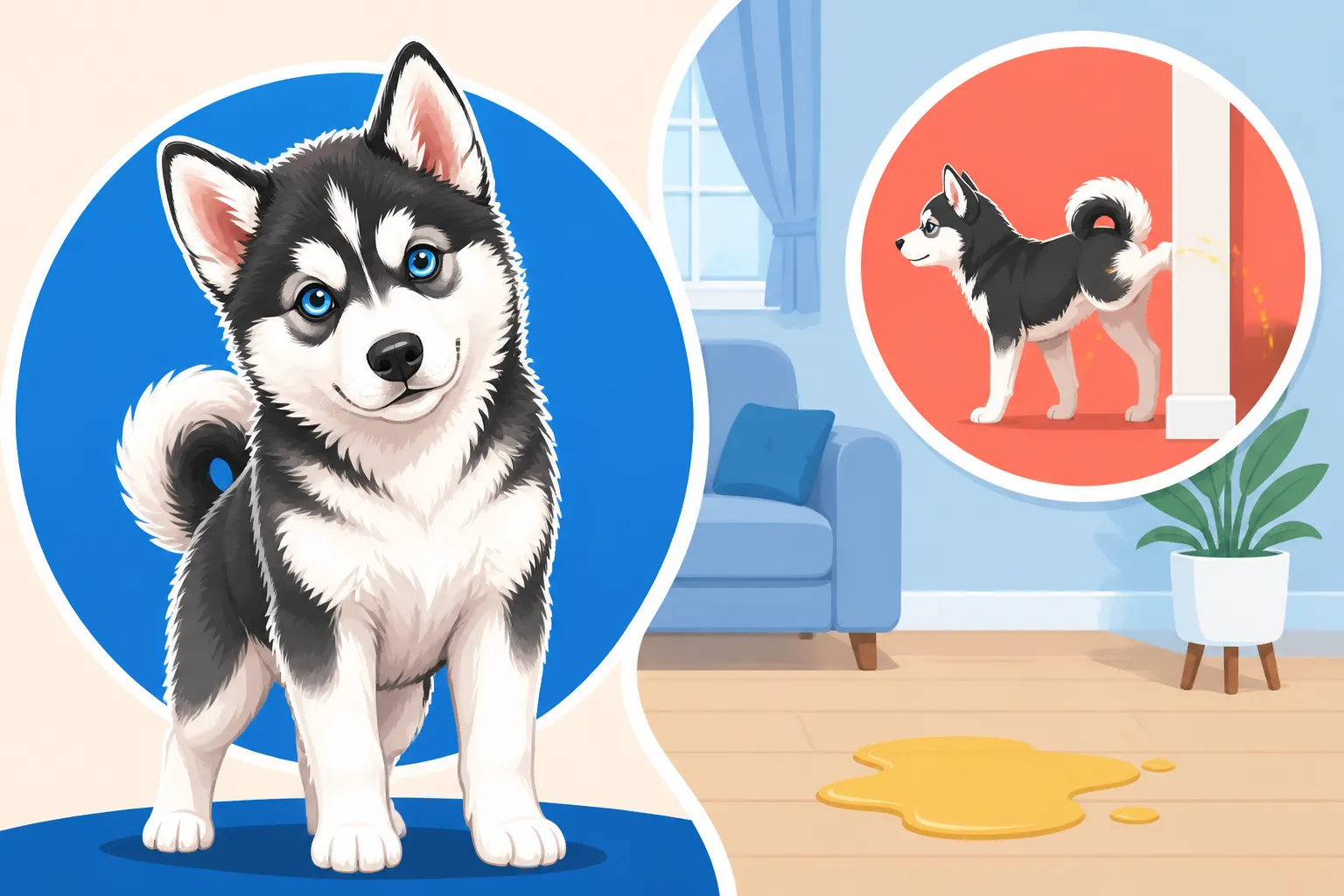
Whether a Male Pomsky Marks Indoors
It’s a scenario many Pomsky owners dread: you walk into a room, only to discover that unmistakable scent, or worse, a fresh puddle or spray mark on your furniture or wall. Dealing with a male Pomsky who marks indoors can be incredibly frustrating and disheartening, making you feel like your house training efforts have completely failed. This guide is here to help you understand why male Pomskies might engage in this behavior, and more importantly, equip you with practical, actionable strategies to prevent and manage territorial marking inside your home, so you can both live in harmony again.
Understanding Why Male Pomskies Mark Indoors
When your male Pomsky marks indoors, it’s not typically out of spite or a lack of understanding. Instead, it’s rooted in a complex mix of instinct, hormones, and sometimes, underlying emotional states. Deciphering the "why" is the first critical step toward finding an effective solution for your furry friend.
The Instinctual Drive to Mark Territory
Think of a dog's world as being heavily influenced by scent. For male dogs, especially, marking with urine is a primary form of communication. It's their version of leaving a business card, a social media post, or a "this is mine" sign for other dogs. They're telling the world about themselves – their presence, their status, their readiness to mate, and their general state of being. Outdoors, this is completely normal and expected behavior. They're just doing what dogs do.
However, when this instinct extends to your living room rug or the leg of your dining table, it becomes a problem. Pomskies, being a mix of two intelligent and sometimes independent breeds, can have a strong sense of territory. A sudden change in environment, a new person or pet in the home, or even unfamiliar smells brought in from outside can trigger this instinct to reaffirm their claim on their space. It's their way of saying, "Hey, things feel different, and I need to make sure everyone knows this is my home base."
Hormonal Influences and Neutering's Role
The most significant factor often associated with male dogs marking indoors is the presence of intact male hormones. Testosterone plays a huge role in driving these territorial behaviors. An intact male Pomsky is biologically wired to seek out and broadcast his presence to potential mates and rival males, and scent marking is a key part of that communication. This means he might feel a stronger compulsion to mark, even in places you’d rather he didn’t.
Neutering can often, though not always, significantly reduce or even eliminate indoor marking. When a male dog is neutered, the primary source of testosterone is removed, which typically diminishes the hormonal drive behind territorial marking. It's not a magic bullet for every dog, as some learn the habit before neutering or mark due to other factors, but it's often a crucial step. If you're weighing the decision, understanding What Neutering a Pomsky Costs and Whether Neutering Calms a Pomsky Down might provide more context. For puppies, the issue of marking typically doesn't become prominent until they reach sexual maturity, often between six months and a year, although some might start earlier.
Anxiety, Stress, and Environmental Triggers
Sometimes, indoor marking isn't purely about territory or hormones; it can be a symptom of underlying anxiety or stress. A Pomsky who feels insecure or overwhelmed might resort to marking as a self-soothing mechanism or a way to feel more in control of their environment. Think about it: if they're feeling anxious, spreading their own scent might provide a sense of familiarity and safety. This is especially true if you’ve recently moved, if there’s a new baby or pet in the house, or if their routine has been drastically altered.
Even seemingly minor changes can be a trigger. A new piece of furniture, a strong outdoor scent wafting in, or even another dog walking past your window can set off an anxious Pomsky. If your Pomsky marks specifically when you're leaving the house, it could point to separation anxiety. Read more about Whether a Pomsky Suffers Separation Anxiety if you suspect this might be the case. Understanding these emotional undercurrents is vital, as simply punishing the marking won't address the root cause and could actually worsen their anxiety.
Practical Steps to Prevent and Manage Indoor Marking
Once you understand why your male Pomsky might be marking indoors, you can implement a multi-faceted approach to address the behavior. It’s usually a combination of retraining, meticulous cleaning, and careful management that yields the best results.
Re-establishing Solid House Training Principles
Even if your Pomsky seemed perfectly house-trained as a puppy, indoor marking requires a return to basics. This means treating your Pomsky almost like a brand new puppy when it comes to house training. Take him out frequently – every hour or two, first thing in the morning, last thing at night, after waking from naps, and after eating and playing. Praise and reward him lavishly with high-value treats every single time he eliminates outside. Make it the best experience of his day! Consistency is key here. For more insights on early training, refer to Raising a Pomsky Puppy and The Weeks a Pomsky Takes to Be Clean Indoors.
Supervision is paramount during this re-training phase. Your Pomsky should either be directly supervised, on a leash attached to you, or confined to a safe, dog-proof area. This prevents opportunities for him to mark unnoticed. If you catch him in the act indoors, interrupt him calmly with a sound like "Ah-ah!" or a clap, then immediately take him outside to his designated potty spot. If he finishes outside, reward him generously. Never punish him after the fact; dogs don't connect punishment with past actions, so it will only make him fearful or more secretive about marking. For times you can't supervise, a crate can be a powerful tool as dogs are generally reluctant to soil their sleeping area; explore Whether a Pomsky Should Sleep in a Crate.
The Importance of Thorough Cleaning
This step cannot be stressed enough: if your Pomsky has marked an area indoors, it must be cleaned thoroughly with an enzymatic cleaner. Standard household cleaners might remove the visible stain and smell for humans, but a dog's nose is far more sensitive. If even a faint trace of urine scent remains, it acts like a giant "pee here again" sign for your Pomsky, encouraging him to re-mark the spot. These cleaners break down the urine at a molecular level, truly eliminating the odor. Brands widely available on platforms like Amazon often have a strong selection of effective enzymatic cleaners.
Make sure to follow the instructions on the cleaner precisely, often requiring you to let it sit for a certain period before blotting. Consider investing in a black light to check for invisible urine stains, especially on carpets and upholstery. You might be surprised by how many spots you uncover that need addressing. Don't forget to check vertical surfaces too, as male dogs often lift a leg to spray. Failing to completely eradicate the scent is one of the most common reasons why indoor marking issues persist, despite owners thinking they’ve cleaned adequately.
Management Strategies and Supervision
Beyond retraining and cleaning, implementing smart management strategies is vital. When you can't actively supervise your Pomsky, consider confining him to a smaller, easily cleanable area, like a kitchen with tile floors or a large crate. Belly bands (or male wraps) can also be a game-changer. These are absorbent wraps that go around your male dog's waist, covering his genitals, and catching any urine he might release. They are not a substitute for training, but they can prevent damage and reduce the "reward" of marking, as he doesn't get to leave his scent. They can be found readily from various pet suppliers, including on Amazon, or from specialized dog product retailers.
Increase his outdoor potty breaks, particularly after he wakes up, eats, drinks, or plays. Always take him to the same spot outside and reward him consistently for success. If you have guests, other pets, or new items in the house that might be triggering him, try to introduce them gradually and ensure your Pomsky feels secure. Sometimes, increasing mental and physical exercise can help reduce stress and anxiety that contributes to marking. A good, long walk, especially in a new area to sniff, can do wonders. Don't forget to refer to The Exercise a Pomsky Needs Every Day for guidance on appropriate activity levels for your Pomsky. Engaging with interactive toys or training sessions (like those offered by online platforms such as BAXTER & Bella) can also provide mental stimulation and reduce boredom or anxiety.
Here's a quick comparison of common marking triggers and management strategies:
| Marking Trigger | Possible Cause | Management Strategy |
|---|---|---|
| New furniture/items | Territorial, Novelty | Confine until acclimated, use belly band, deep clean |
| New pet/person | Territorial, Anxiety | Gradual introduction, separate spaces, calm reassurance |
| Unfamiliar outdoor scents | Instinctual, Excitement | Increase outdoor potty breaks, supervise closely |
| Lack of consistent potty breaks | Incomplete training | Back to basics, frequent trips, high-value rewards |
| Stress/Anxiety | Emotional discomfort | Identify stressor, increased exercise/mental stimulation |
| Intact male hormones | Biological drive | Consider neutering, consistent management |
When to Seek Professional Help
If you've diligently applied the above strategies and are still struggling with your male Pomsky marking indoors, it's absolutely okay – and often necessary – to call in the experts. Sometimes, there's more going on than meets the eye, and a professional can offer insights and solutions you might not have considered.
Consulting Your Veterinarian for Medical Causes
The very first step when dealing with persistent or sudden onset indoor marking should always be a visit to your veterinarian. While marking is often behavioral, medical issues can sometimes mimic marking behavior or exacerbate it. For example, a urinary tract infection (UTI), bladder stones, or even kidney problems can cause a dog to urinate more frequently or lose bladder control, which might be mistaken for marking. Changes in kidney function, diabetes, or other metabolic diseases can also lead to increased urination.
Your vet will conduct a thorough physical examination, and likely recommend a urinalysis and possibly blood work. Ruling out any underlying health conditions is crucial before focusing solely on behavioral interventions. It's not uncommon for owners to spend weeks trying to fix a "behavioral" problem only to find out a simple medical issue was at play. If you're concerned about other health issues your Pomsky might face, reading about The Two Opposite Disease Lists a Pomsky Inherits can give you a broader understanding.
Working with a Certified Dog Trainer or Behaviorist
Once medical causes have been ruled out, or if your vet confirms the issue is behavioral, seeking guidance from a certified professional dog trainer or a veterinary behaviorist is highly recommended. These professionals have specialized knowledge and experience in canine behavior and can offer a tailored plan for your Pomsky. They can observe your dog's behavior in your home environment, identify specific triggers that you might be missing, and help you implement advanced training techniques. For example, a trainer can help you refine your communication with your dog, teach specific cues, and build confidence, which can be particularly helpful if anxiety is a factor.
A professional might suggest things like desensitization protocols if your Pomsky is anxious about certain stimuli, or help you structure your daily routine to minimize marking opportunities. They can also guide you on the proper use of tools like belly bands and ensure you're effectively applying house-training principles. It's often invaluable to have an objective eye assess the situation, and investing in a good trainer can save you a lot of stress and cleanup in the long run. If you're thinking about this route, you might want to look into Whether a Pomsky Needs a Professional Trainer for more information on finding the right help. Remember, you're not alone in this, and help is available!
Disclaimer
This article is for general informational purposes only and does not constitute professional advice. Laws, prices and regulations vary by location and change over time. Consult a qualified professional for guidance on your specific situation.