Whether a Pomsky Suffers Separation Anxiety
One of the biggest heartaches for any Pomsky owner is seeing their beloved furry companion distressed when left alone. It's a common worry, and many of us wonder, "Will my Pomsky suffer from separation anxiety?" This guide is here to shed light on this challenging behavior, exploring why it happens, how to prevent it, and what steps you can take if your Pomsky is already struggling.
Understanding Separation Anxiety in Pomskies
It's natural for dogs to prefer company; after all, they are inherently social creatures. But for some, being alone isn't just a preference – it's a profound source of panic and fear. This is where the distinction between a bit of loneliness and true separation anxiety lies, and it's particularly relevant for our Pomskies, who carry a fascinating blend of temperaments.
The Roots of Pomsky Separation Anxiety: Husky & Pomeranian Traits
When we talk about Pomskies, we're talking about a mix of two very distinct breeds, both of which contribute to their unique personality, and yes, their potential for separation anxiety. On one side, you have the Siberian Husky, a breed known for its strong pack drive. Huskies thrive on companionship, whether from their human family or other dogs. They were bred to work in teams and rely on their pack for survival and comfort. This deep-seated need for company means that a Husky often struggles with isolation, feeling genuinely lost and abandoned if left by themselves for extended periods.
Then, you have the Pomeranian, a smaller, often more velcro-like companion breed. Pomeranians are known for forming incredibly strong bonds with their primary caregivers, often shadowing their owners from room to room. They are affectionate, attentive, and often demand a lot of human interaction. This intense attachment, while endearing, can easily tip into distress if that attachment is suddenly broken or the dog feels they've been deserted. Combine these two influences, and you have a Pomsky: a dog with a powerful innate need for connection, often intensified by the "velcro" tendencies of the Pomeranian and the pack instinct of the Husky.
For example, imagine a Pomsky puppy, just brought home. They've spent their entire short life surrounded by littermates and their mother. Suddenly, they're in a new environment, and if their new human family leaves them alone for hours without careful introduction to solitude, that early experience can imprint a sense of fear or abandonment. Even something as simple as you leaving the room to grab a glass of water can trigger a tiny whimper in a highly sensitive puppy, an early signal that could, if not addressed, grow into a much bigger problem. It's not about being "spoiled"; it's about a dog whose genetic makeup predisposes them to seeking constant companionship.
Common Symptoms and Behaviors
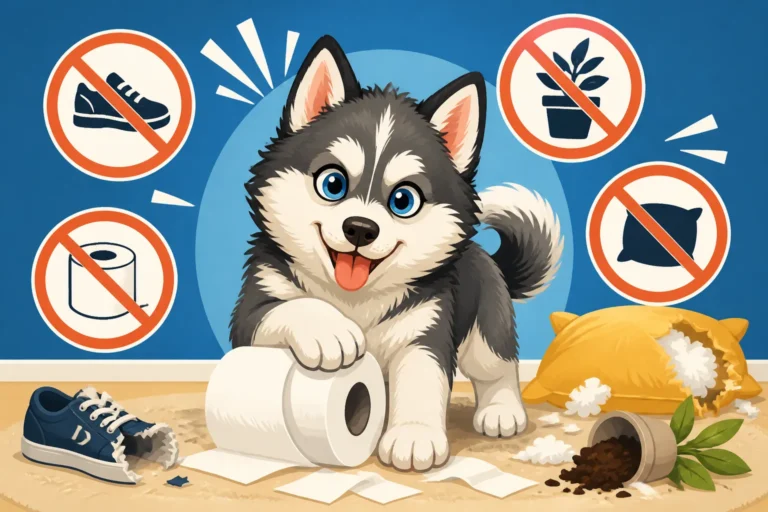
Recognizing the signs of separation anxiety is crucial because it often manifests in ways that owners initially misinterpret as naughtiness or spite. If your Pomsky is destroying furniture while you're out, it's probably not because they're mad at you; it's more likely a frantic attempt to self-soothe or escape overwhelming fear. Destructive chewing, particularly around exit points like doors or windows, is a classic sign. They might chew on door frames, window sills, or even dig at the carpet where you usually leave. This isn't just casual chewing; it's often frantic and can lead to injury.
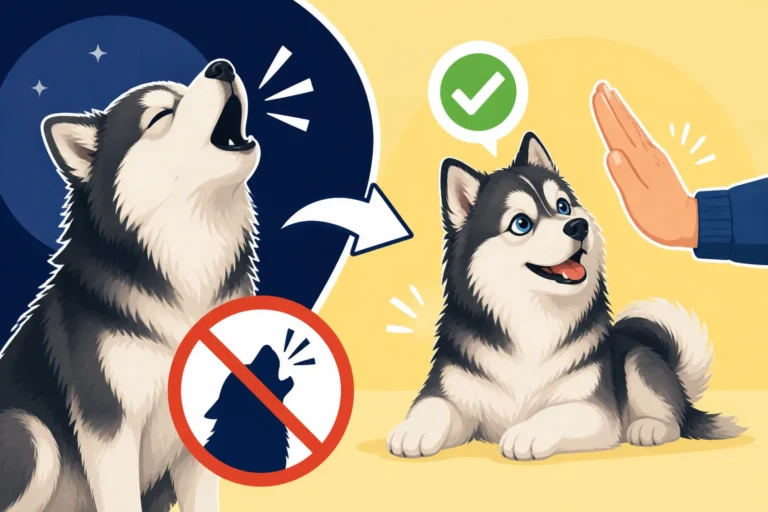
Another common symptom is incessant vocalization. If you've ever had a neighbor complain about your dog, or if you've set up a camera and heard recordings, you know what I mean. This isn't just a happy "hello" bark; it's often prolonged howling, barking, or whining, sometimes for hours on end. It’s a distressed communication, a plea for the "pack" to return. Why a Pomsky Talks Instead of Barking is often a fascinating aspect of their personality, but when it turns into desperate, non-stop vocalizations, it's a sign of distress.
House-soiling, especially when a dog is otherwise perfectly house-trained, can also be a symptom. If your Pomsky has accidents indoors only when left alone, it's often a stress response rather than a potty training lapse. They might also pace frantically, pant excessively even when it's not hot, or drool far more than usual. Sometimes, the signs are more subtle, like a loss of appetite while alone, or an excessive greeting ritual when you return, which includes jumping, frantic licking, and a general inability to calm down quickly. Many owners miss these cues, attributing the behavior to boredom, only to find the anxiety escalates. A Pomsky with separation anxiety isn't just bored; they're experiencing genuine panic, and understanding this difference is the first step toward helping them.
Here's a quick comparison to help differentiate:
| Behavior | Likely Normal Separation Response (Boredom/Mild Discontent) | Likely Separation Anxiety (Distress/Panic) |
|---|---|---|
| Vocalization | A few barks/whines at noises, quiets down quickly. | Persistent howling, barking, whining for extended periods when alone. |
| Destructive Chewing | Chewing on appropriate toys, maybe a sock left out. | Destructive chewing on door frames, window sills, furniture, frantic. |
| House Soiling | Accidents if left too long, not consistently indoors. | Urinating/defecating indoors only when left alone, even if recently out. |
| Pacing/Restlessness | Occasional wandering, settles down for a nap. | Constant pacing, circling, inability to settle. |
| Greeting Upon Return | Happy, wagging tail, calm excitement. | Frantic, uncontrollable excitement, prolonged jumping, frantic licking. |
| Escape Attempts | No attempts to get out. | Scratching, digging at doors/windows, trying to escape crate/room. |
Proactive Steps to Prevent Separation Anxiety
Prevention is always better than cure, especially with something as emotionally taxing as separation anxiety. For Pomskies, whose inherent traits can lean towards clinginess, being proactive from the moment they join your family is incredibly important.
Building Independence from Day One
One of the most effective strategies is to teach your Pomsky that being alone can be a calm, positive experience, even when you're just Raising a Pomsky Puppy. This starts almost immediately. Crate training is a fantastic tool for this, but only if the crate is introduced as a safe, comfortable den, not a punishment. Start with very short periods. Have your puppy go into the crate with a tasty chew toy or a stuffed Kong. Leave the room for just a minute or two, then return before they show any signs of distress. As they become comfortable, gradually extend the time. The goal is for them to associate the crate and your absence with positive things, like special treats they only get when you're gone.
Beyond the crate, encourage independent play. Don't feel you need to be your Pomsky's constant entertainer. Provide engaging puzzle toys or chew items. Place them in a different room for a few minutes with their toy while you go about your business. Close the door briefly. This teaches them that your absence isn't a permanent departure, and they can entertain themselves. Many owners inadvertently foster dependence by never letting their puppy out of their sight. While it's lovely to cuddle, allowing your Pomsky to have moments of peaceful solitude is vital for their emotional development. For durable, mentally stimulating toys, exploring options on Amazon can be a great way to find items that keep your Pomsky engaged during these independent moments.
Establishing a Healthy Routine and Predictability
Dogs thrive on routine and predictability. A consistent schedule helps reduce anxiety because they learn what to expect throughout their day. This means regular times for feeding, potty breaks, playtime, and walks. When your Pomsky knows that after their morning walk and breakfast, you might leave, but you'll always return at a certain time, it helps build confidence. The element of surprise can be a major stressor for an anxious dog.
Before you leave, establish a calm, low-key departure routine. Avoid making a big fuss or prolonged goodbyes, which can inadvertently heighten their anxiety. A simple, quiet departure is best. Similarly, when you return, avoid over-the-top greetings. Wait until your Pomsky has settled down a bit before giving them attention. This teaches them that your coming and going are normal, not dramatic events. Make sure they get The Exercise a Pomsky Needs Every Day before you leave them. A well-exercised dog is a calmer dog, often more inclined to rest when alone rather than fret. This combination of physical activity and mental stimulation is a key part of setting them up for success.
Managing and Treating Existing Separation Anxiety
If your Pomsky is already showing signs of separation anxiety, don't despair. It's a challenging issue, but with patience, consistency, and often professional help, it can be managed and improved. It's important to remember that this isn't a quick fix; it's a process.
Seeking Professional Guidance
The very first step when you suspect separation anxiety is a visit to your veterinarian. It's crucial to rule out any underlying medical conditions that might be contributing to their behavior. Sometimes, conditions like urinary tract infections, pain, or even cognitive dysfunction in older dogs can manifest as symptoms similar to separation anxiety. Your vet can provide a clean bill of health or identify any issues that need addressing.
Once medical causes are ruled out, it's highly recommended to consult a certified professional dog trainer or a veterinary behaviorist. These experts specialize in behavior modification and can assess your Pomsky's specific triggers and severity of anxiety. They can help you create a tailored desensitization and counter-conditioning program. Desensitization involves gradually exposing your dog to short periods of your absence, staying below their anxiety threshold. Counter-conditioning means changing their emotional response to your departure from fear to something positive, often by associating your leaving with high-value treats or toys. A professional can guide you through these complex techniques, which are far more effective than trying to manage it alone. For more complex cases, medication prescribed by a veterinary behaviorist might be a temporary aid to help your dog learn new coping mechanisms.
Environmental Management and Training Techniques
While working with a professional, there are many practical steps you can take at home to ease your Pomsky's distress. Enrichment toys are your best friend here. Think puzzle toys filled with frozen peanut butter, kibble, or specialized treats that take a long time to consume. These can provide a positive distraction and mental stimulation, helping to redirect their focus away from your absence. The key is that these special, high-value items are only given when you leave and taken away when you return, making them a positive association with your departure.
Graduated departures are a cornerstone of treatment. Start by simply picking up your keys, going to the door, and then sitting back down without leaving. Repeat this many times until your dog no longer reacts. Then, open the door, step out, and immediately come back in. Gradually increase the duration of your absence by seconds, then minutes, always returning before your dog becomes anxious. This teaches them that you always come back. Using a pet camera, often available through retailers like Amazon, can be invaluable here. It allows you to monitor your Pomsky's behavior and ensures you return before they reach a panic state, which is critical for success.
If Whether a Pomsky Destroys Furniture When Bored is a concern, ensuring they have appropriate outlets for chewing and stimulation is key. Products from brands like BAXTER & Bella often focus on positive training and enrichment, offering resources that can be helpful for new puppy owners in setting up good habits from the start. Consider leaving on a radio or TV tuned to a talk station to provide background noise and mask outside sounds. Some dogs find certain calming music or white noise helpful. Remember, managing separation anxiety is a marathon, not a sprint. Celebrate small victories and be patient with your Pomsky and yourself.
Lifestyle Considerations for Pomsky Owners
Bringing a Pomsky into your life means making a commitment to understanding and meeting their unique needs. Given their inherent social nature, how you structure your daily life and your home environment plays a massive role in whether your Pomsky thrives or struggles with being left alone.
How Your Schedule Impacts Your Pomsky
The reality is that most of us work, and our dogs can't come with us everywhere. This means our daily schedules are one of the biggest factors in a Pomsky's potential for separation anxiety. If you have a demanding job that requires you to be out of the house for 8-10 hours a day, five days a week, a Pomsky might not be the best fit unless you have robust strategies in place. Leaving a Pomsky alone for truly long stretches, like How Many Hours a Pomsky Can Be Left, can be detrimental to their emotional well-being and quickly lead to anxiety.
For working owners, integrating solutions like midday dog walkers can be a game-changer. Having someone come in to let your Pomsky out for a potty break, a quick walk, and some company can break up the monotony and loneliness of a long day. Doggy daycare is another excellent option for social Pomskies, providing exercise, mental stimulation, and most importantly, companionship. However, it's crucial to ensure your Pomsky enjoys daycare and isn't overwhelmed by the environment. Always do a trial day or two to see how they respond. If daycare isn't an option, consider hiring a pet sitter who can spend quality time with your dog in your home. These are investments, but they are crucial for a happy, well-adjusted Pomsky that doesn't suffer from crippling anxiety.
Creating a Secure and Enriched Home Environment
Beyond managing your schedule, the home environment itself can significantly impact your Pomsky's ability to cope with solitude. A secure space is paramount. Whether that's a dedicated room or a crate, it needs to be a place where your Pomsky feels safe and calm. If you're using a crate, ensure it's comfortable, appropriately sized, and introduced positively. Whether a Pomsky Needs a Crate at Night often comes down to individual preference, but during the day, a crate can provide a secure den for anxious dogs. Avoid using it as punishment, as this can undo all the positive associations.
Mental stimulation is just as important as physical exercise. A Pomsky's intelligent Husky genes mean they need more than just walks; their brains need a workout too. Puzzle toys, chew toys, and interactive feeders can keep them busy and engaged when you're not there. Rotate these toys regularly to keep things fresh and exciting. If Whether a Pomsky Is Loud is a concern, sometimes a tired, mentally stimulated dog is a quieter dog. Leaving on calm music or a podcast can also provide a sense of presence and mask startling outside noises. Ultimately, providing a consistent routine, adequate exercise, mental challenges, and a comforting environment are all part of fulfilling What a Pomsky Needs Daily to feel secure and prevent the onset or worsening of separation anxiety. It's an ongoing commitment, but the bond you build with a confident, happy Pomsky is absolutely worth it.
Disclaimer
This article is for general informational purposes only and does not constitute professional advice. Laws, prices and regulations vary by location and change over time. Consult a qualified professional for guidance on your specific situation.