How Many Hours a Pomsky Can Be Left
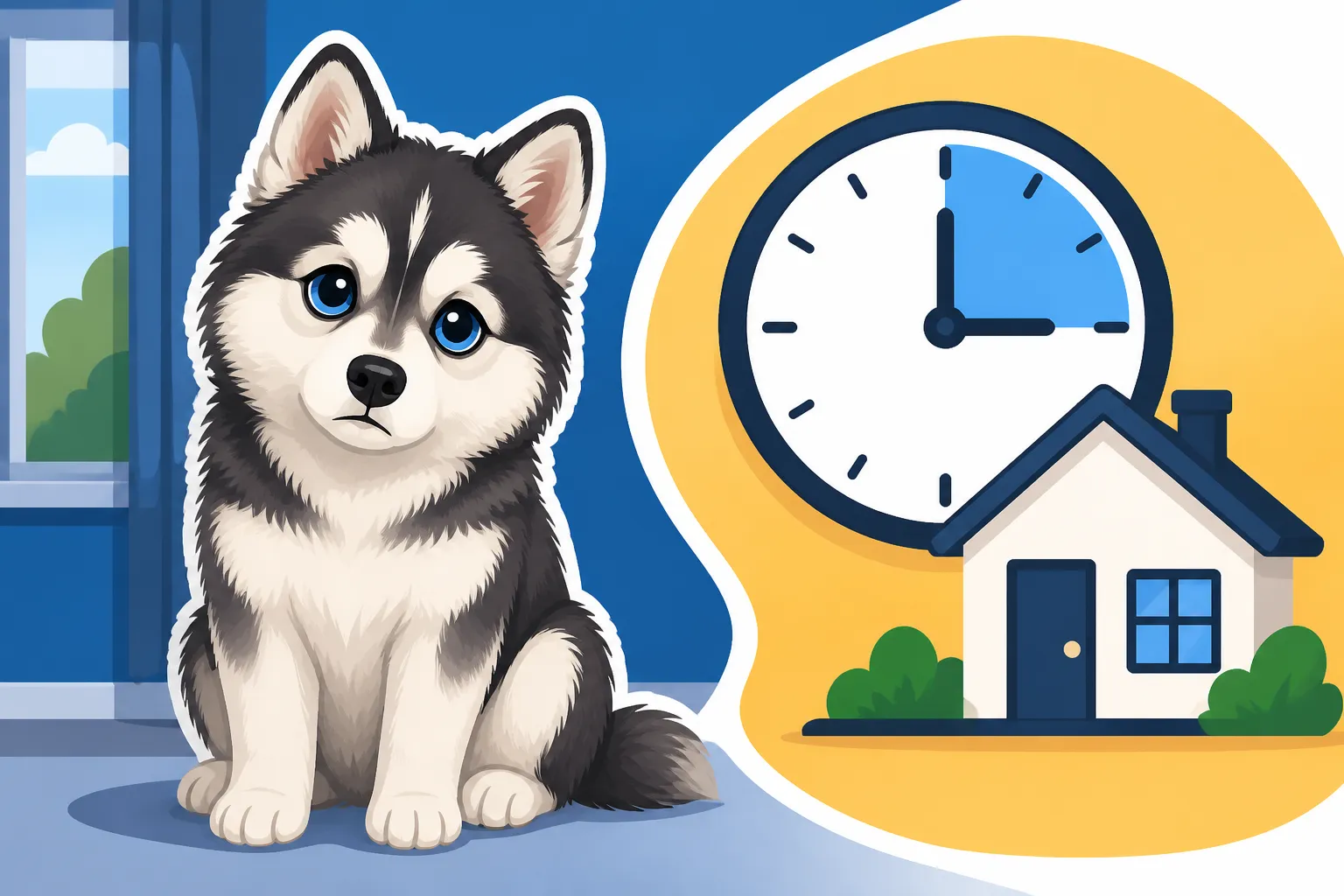
One of the biggest anxieties for any Pomsky owner, or soon-to-be owner, is figuring out how long it's truly fair or even safe to leave their beloved companion home alone. We all have busy lives, jobs, errands, and commitments that take us away from the house, and the thought of our energetic, vocal, and sometimes mischievous Pomskies being lonely, destructive, or having an accident can be a real source of stress. This guide aims to break down the realities of leaving a Pomsky, considering their unique needs and offering practical strategies to help both you and your furry friend cope.
Understanding the Pomsky's Need for Companionship
It’s easy to look at those adorable, fluffy faces and assume they're just happy with a chew toy and a comfy bed while you’re out. However, a Pomsky isn't just "any" dog; they're a carefully crafted blend of two breeds known for their strong personalities and specific needs for companionship and activity. Ignoring these inherent traits can lead to a lot of heartache and household havoc when they're left alone for too long.
The Husky and Pomeranian Influence
Think about the parent breeds: the Siberian Husky is a renowned pack animal, thriving on companionship and interaction. They're not dogs built for solitary living; they lean on their pack members for security, mental stimulation, and a sense of purpose. Then you have the Pomeranian, a classic companion dog, bred specifically to be close to their human family. They often form incredibly strong bonds and can become quite dependent.
When you blend these two, you get a Pomsky – a dog that typically inherits a strong desire for connection. They often want to be where you are, involved in what you're doing, and can feel the absence of their "pack" (you!) quite acutely. This deep-seated need for interaction is why many Pomskies can struggle with being left alone, more so than some other breeds. It’s not just a cute quirk; it’s part of their genetic makeup. They're wired to be social, and extended periods of isolation go against their very nature.
Energy Levels and Mental Stimulation
Let's be honest, a tired dog is a good dog. And a Pomsky, even in a smaller package, often carries a surprising amount of energy. If your Pomsky isn't adequately exercised and mentally stimulated before you leave them alone, you're essentially setting them up for failure. All that pent-up energy and intelligence needs an outlet.
Without you there to direct that energy, they'll find their own "job," and trust me, you probably won't like their chosen profession. This could involve redecorating your couch with their teeth, excavating your prize-winning rose bushes, or creating a new ventilation system in your drywall. A bored Pomsky is a destructive Pomsky, and their intelligence, combined with their energy, means they can be incredibly inventive in how they express their discontent. A good, long walk, a vigorous play session, or even some mentally engaging training exercises can make a world of difference to how they cope with your absence. Understanding The Exercise a Pomsky Needs Every Day is crucial here.
Vocalization Tendencies
Oh, the songs of the Pomsky! If you've ever spent time with a Husky, you know they're not typically barkers, but they are champion "talkers" – howling, whining, and engaging in a wide array of vocalizations to communicate. Pomeranians, on the other hand, can be quite the alert barkers, quick to let you know about every leaf that blows by. Your Pomsky can inherit a delightful combination of both.
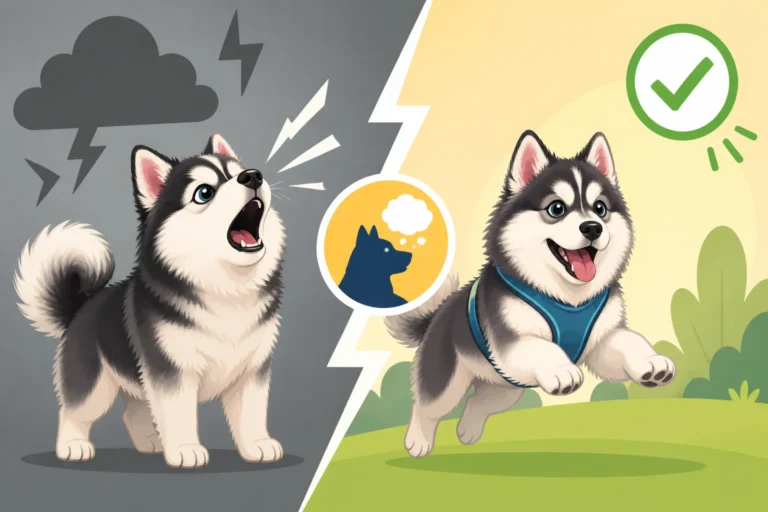
When left alone, especially if they're feeling anxious or lonely, a Pomsky might tap into these vocal tendencies. A quiet whine can quickly escalate into a full-blown Husky-style howl or a persistent Pomeranian-esque bark. This isn't just a nuisance for you; it can lead to serious issues with neighbors, especially if you live in an apartment or close quarters. It’s a classic sign of distress, and it’s their way of reaching out. If you're wondering Whether a Pomsky Is Loud, the answer is often a resounding yes, especially when they feel isolated.
Age-Specific Guidelines for Leaving a Pomsky Alone
The amount of time you can comfortably and responsibly leave a Pomsky alone is not a fixed number; it varies significantly with their age and developmental stage. What’s acceptable for a mature adult is definitely not okay for a tiny puppy, and even senior dogs have different needs. Being realistic about these stages is key to preventing problems and ensuring your Pomsky's well-being.
Pomsky Puppies Under Six Months
Let’s be clear: leaving a young Pomsky puppy alone for extended periods is a recipe for disaster. Puppies have tiny bladders, limited impulse control, and are in a critical developmental window for socialization and confidence-building.
- Under 10 Weeks: Honestly, these little guys should barely be left alone at all. They've just left their littermates and mother; they need constant reassurance, frequent potty breaks (every hour or two), and a steady stream of positive experiences to build their trust in you and their new environment. Think of them like human infants – they need nearly constant supervision.
- 10 Weeks to 16 Weeks: You might stretch it to 1-2 hours, max, if they are completely crated and have just gone to the bathroom and been played with. Even then, it’s a push. They are still learning bladder control and can develop significant separation anxiety if left frequently or for too long. This is the period where early training, including getting them comfortable with short absences, is vital.
- 4 Months to 6 Months: By now, a well-adjusted puppy might manage 3-4 hours if they've had a solid exercise and potty break beforehand. However, remember they're still very much puppies. They might regress on house training if left too long, and boredom can quickly turn into destructive chewing. This is also a peak time for "testing" boundaries. Consider their physical limits; a general rule of thumb for bladder control is that a puppy can hold it for roughly their age in months plus one, up to a certain point. So, a 4-month-old might last 5 hours, but that's a physical limit, not a mental one. Always err on the side of caution. If you're worried about overnight, check out How Long a Pomsky Puppy Holds It Overnight.
Adolescent Pomskies (6 Months to 2 Years)
Ah, the "teenage" phase. Just like human teenagers, adolescent Pomskies can be a delightful mix of newfound confidence and frustrating stubbornness. While their bladders are usually more reliable, their minds are still very active, and their energy levels can be through the roof.
You might be able to leave an adolescent Pomsky for 4-6 hours, provided they get significant exercise and mental stimulation before you go. This isn't the time to skimp on that morning walk or puzzle toy session. They still have a lot of puppy energy and curiosity, and if bored, they will find ways to entertain themselves that you might not appreciate. This could manifest as chewing on furniture, digging at carpets, or finding that forbidden shoe. Consistency in training and routine is incredibly important during this stage. They are pushing boundaries, and a long, unsupervised stretch can reinforce bad habits or even spark separation anxiety if they haven't been adequately prepared for alone time.
Adult Pomskies (2-7 Years)
Once your Pomsky has matured into adulthood, they're generally at their most capable of handling longer periods alone. For a well-trained, confident adult Pomsky with no history of separation anxiety, 4-6 hours is often a reasonable maximum. Some might even stretch to 7-8 hours on rare occasions, but this should not be a daily occurrence.
Even for an adult, a solid routine is essential. A vigorous walk or play session before you leave, a good potty break, and some mental enrichment (like a stuffed Kong or a challenging puzzle feeder from Amazon) can make all the difference. Remember, even an adult Pomsky is a social creature. Daily, long stretches of isolation can still lead to boredom, anxiety, and a breakdown of house training, or even an increase in vocalizations. Just because they can hold their bladder for 8 hours doesn't mean they should or that it's good for their mental well-being. They still crave interaction and a sense of belonging to their pack.
Senior Pomskies (7+ Years)
As your Pomsky gracefully enters their golden years, their needs will shift again. What they could once tolerate might become too much. The Birthday a Pomsky Counts as Senior is a good time to reassess their alone time.
- Physical Changes: Older dogs often need more frequent potty breaks due to aging bladders or health issues. They might also develop arthritis or other mobility problems, making it uncomfortable to hold their bladder for extended periods or even to move around the house to find a suitable spot.
- Cognitive Changes: Some senior dogs can develop Canine Cognitive Dysfunction, which can manifest as increased anxiety, confusion, or changes in house training habits. They might feel more vulnerable or disoriented when left alone.
- Increased Anxiety: Just like humans, some dogs can become more anxious with age. What was once a routine separation might now trigger distress.
For these reasons, it’s often best to reduce the amount of time a senior Pomsky is left alone, perhaps back to 4-5 hours maximum. More frequent check-ins, dog walkers, or even doggy daycare can be incredibly beneficial for their comfort and peace of mind.
| Age Group | Recommended Maximum Alone Time | Key Considerations |
|---|---|---|
| Puppy (Under 10 weeks) | Very short, supervised intervals (1 hour max) | Critical development, frequent potty, high reassurance needs |
| Puppy (10-16 weeks) | 1-2 hours (crated and exercised) | Bladder control, fear periods, early separation anxiety risk |
| Puppy (4-6 months) | 3-4 hours | Developing bladder control, high energy, potential for destruction |
| Adolescent (6M-2Y) | 4-6 hours | High energy, testing boundaries, exercise is paramount |
| Adult (2-7 years) | 4-6 hours (occasionally 7-8) | Well-trained, good routine, adequate pre-departure stimulation |
| Senior (7+ years) | 4-5 hours | Increased potty needs, potential anxiety/cognitive decline |
Recognizing and Managing Separation Anxiety
It's one thing for your Pomsky to be a bit bored when you leave, but true separation anxiety is a far more serious and distressing condition for both dog and owner. Understanding the difference and knowing how to respond is critical to their well-being.
Signs of Distress
When a Pomsky experiences separation anxiety, their behavior when you're gone is usually a clear cry for help. It’s not about being "naughty" or "vindictive"; it's a panic response. You might discover these signs when you return home, or, more commonly now, through a dog camera that lets you observe their behavior in real-time.
Typical signs include:
- Excessive Vocalization: This is often the first thing neighbors or you, returning home, will notice. Persistent barking, howling, or whining that starts shortly after you leave and continues for a significant period. Whether a Pomsky Howls When Left is a common concern, and it's a huge clue.
- Destructive Chewing/Digging: This isn't just a puppy exploring; it's often directed at exit points (doors, windows), personal items (your shoes, clothing), or things that smell like you. They might chew through doorframes, dig at carpets, or destroy furniture in an attempt to escape or alleviate their distress.
- Inappropriate Urination/Defecation: Even a perfectly house-trained Pomsky might have accidents when left alone, particularly if the messes are not near a door and seem related to the onset of your absence. This isn't an act of defiance; it's a loss of control due to extreme stress.
- Pacing and Restlessness: If you watch on a camera, you might see them constantly moving, unable to settle, pacing in circles, or following your path to the door over and over.
- Excessive Drooling: Some dogs drool profusely when anxious, and you might find puddles or wet spots where they were resting or waiting.
- Self-Harm: In severe cases, dogs can injure themselves trying to escape, such as breaking nails or damaging teeth on crates or doors.
Differentiating Boredom from Anxiety
This is where it gets tricky, because a bored Pomsky can also be destructive or vocal. The key difference lies in why they're doing it and when.
- Boredom: A bored Pomsky is generally looking for something to do. They might chew on an inappropriate item, but it's often more exploratory. Their vocalizations might be intermittent and less frantic. They usually calm down or settle once they find something interesting to occupy their time. A bored Pomsky probably isn't trying desperately to escape; they're just finding their own fun. This is usually managed with more physical exercise and mental enrichment.
- Separation Anxiety: This is characterized by a panic response directly linked to your departure and absence. The behaviors are often intense, frantic, and persistent, starting almost immediately after you leave. The dog isn't seeking entertainment; they're genuinely distressed and often trying to reunite with you. The destructive chewing is an escape attempt, the vocalizing is a call for help, and the accidents are a physical manifestation of panic. It's an emotional reaction, not a disciplinary issue. If you're concerned about Whether a Pomsky Suffers Separation Anxiety, these distinctions are crucial.
Initial Steps to Address Mild Anxiety
If you suspect mild separation anxiety, there are initial steps you can take. These require patience and consistency:
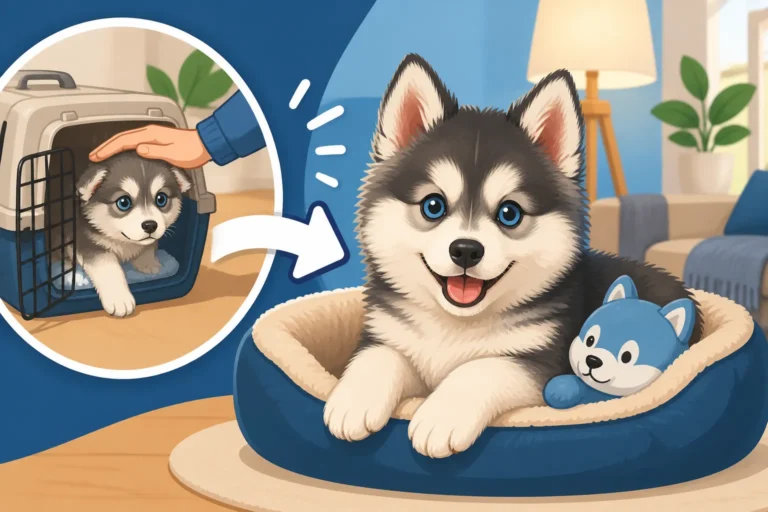
- Create a Safe Space: A crate, if properly introduced as a positive, den-like space, can be very comforting. Alternatively, a small, dog-proofed room with their bed, water, and favorite toys can work. Never use the crate as punishment, especially if anxiety is present.
- Counter-Conditioning: Associate your departure with something positive. Give them a special, high-value treat or a puzzle toy (like a frozen Kong stuffed with peanut butter) only when you leave. The goal is to make your absence a signal for something good.
- Desensitize Departures: Practice your "leaving cues" without actually leaving. Grab your keys, put on your coat, walk to the door, then sit back down. Repeat this many times until these actions no longer trigger anxiety.
- Calming Aids: Some owners find calming pheromone diffusers, thunder shirts, or veterinarian-approved calming supplements helpful for mild cases. Always consult your vet before giving any supplements.
- Ignore Departures and Arrivals: Make your comings and goings as low-key as possible. Don't make a big fuss when you leave, and ignore your Pomsky for a few minutes when you first return until they've calmed down. This helps remove the emotional charge from these events.
When to Seek Professional Help
If your Pomsky's anxiety is severe – if they're causing significant damage, injuring themselves, or if the behaviors aren't improving with your efforts – it's absolutely time to bring in professional help.
- Veterinarian: Your vet can rule out any underlying medical conditions that might be contributing to the behavior (e.g., urinary tract infections for accidents) and discuss medication options to help manage severe anxiety while you work on behavior modification.
- Certified Professional Dog Trainer or Behaviorist: Look for someone certified in positive reinforcement and experienced in separation anxiety. They can provide a tailored behavior modification plan, guiding you step-by-step through desensitization and counter-conditioning protocols. This process often involves very gradual increases in alone time, starting with just seconds, and can be quite time-consuming, but it's the most effective long-term solution. They can teach you techniques that might not be obvious, like how to practice 'mock departures' and gradually increase distance and duration.
Strategies for Preparing Your Pomsky for Alone Time
Successfully leaving your Pomsky alone for reasonable periods isn't just about closing the door and hoping for the best. It's a proactive process that involves training, preparation, and consistency.
Crate Training and Safe Spaces
A well-executed crate training program can be a game-changer for a Pomsky who struggles with being alone. The key word here is "well-executed." A crate should be introduced as a positive, safe, and comfortable den, not a prison.
- Positive Association: Feed meals in the crate, offer high-value treats and toys only in the crate, and cover it with a blanket to create a cozy, den-like atmosphere. Never use it for punishment.
- Right Size: The crate should be just big enough for your Pomsky to stand up, turn around, and lie down comfortably. Too large, and they might use one end as a potty area.
- Gradual Introduction: Start with short periods, even just a few minutes, with the door open, then closed, slowly increasing the time. Never force them in.
- Alternative Safe Space: If crate training isn't for you, or your Pomsky genuinely dislikes it, create a dog-proofed room (like a laundry room or kitchen) where they can't get into trouble. Remove anything they could chew, ingest, or hurt themselves on. Provide a comfy bed, fresh water, and appropriate toys.
Pre-Departure Routine
What you do before you leave sets the stage for how your Pomsky will cope. A consistent, calming pre-departure routine can help them understand what's coming and feel more secure.
- Adequate Exercise: This is paramount. A good, long walk, a vigorous play session, or a trip to a secure dog park (if your Pomsky is well-socialized and safe there) will help burn off physical energy. A tired Pomsky is less likely to be destructive or anxious. Remember, The Exercise a Pomsky Needs Every Day means they'll need more than a quick jaunt around the block.
- Potty Break: Always, always, always ensure they've had a chance to relieve themselves right before you leave. This prevents accidents and reduces stress.
- Mental Stimulation: While exercise addresses physical needs, mental enrichment is just as important for a smart breed like the Pomsky. Give them a puzzle toy stuffed with their favorite treats, a KONG filled with frozen peanut butter, or a durable chew that will keep them occupied for a good chunk of time. Brands like KONG and West Paw make excellent, durable options available on Amazon that can hold their attention.
Enrichment During Alone Time
Leaving your Pomsky with appropriate distractions can make a huge difference in their ability to cope. These aren't just toys; they're tools for mental engagement.
- Food Puzzles: These require your Pomsky to "work" for their food, channeling their natural foraging instincts. This can keep them busy for a surprising amount of time.
- Long-Lasting Chews: High-quality, safe chews (appropriate for your Pomsky's size and chewing style) can provide a calming, satisfying activity. Always supervise new chews initially to ensure safety.
- "Find It" Games: Hide a few small, irresistible treats around their safe space for them to discover. This low-key mental game can be very engaging.
- Comfort Items: A favorite blanket or an item of your worn clothing (that smells like you) can sometimes provide comfort, but be cautious if your Pomsky is a destructive chewer, as you don't want them ingesting fabric.
Gradual Desensitization
This is the cornerstone of helping a Pomsky with separation issues. It involves slowly increasing the time they are left alone, building their tolerance and confidence.
- Start Small: Begin by leaving them alone for just a few minutes, then returning before they get anxious. The goal is to return before they start to show signs of distress.
- Incremental Increases: Gradually increase the time. Five minutes, then ten, then fifteen. Don't rush it. Some days you might go backward if they struggle.
- Vary Departure Cues: Don't always leave by the same door or at the same time. This helps prevent them from associating specific actions with your departure.
- No Fanfare: Make your departures and arrivals boring. No sad goodbyes, no excited hellos. Just calmly leave and calmly return. This teaches them that your coming and going is a normal, low-stress event.
- Professional Guidance: If you're struggling to implement this, or if your Pomsky is particularly anxious, an online training program like BAXTER & Bella can offer structured guidance and support for owners dealing with various training challenges, including alone time. Their step-by-step approach can be invaluable.
Managing Expectations
It's crucial to have realistic expectations. The goal isn't to make your Pomsky ecstatic to be left alone; it's to make them tolerable of it and ensure they are safe and as stress-free as possible. Every Pomsky is an individual, and some will naturally handle alone time better than others due to their unique blend of Husky and Pomeranian traits, as well as their early life experiences.
Some Pomskies, particularly those with a strong Husky instinct for companionship or a more pronounced Pomeranian clinginess, may never be truly comfortable with long stretches of solitude. For these dogs, solutions like dog walkers, doggy daycare, or even adjusting your lifestyle to accommodate their needs might be necessary. It’s about meeting them where they are and providing the best quality of life possible.
Ultimately, understanding your Pomsky's individual personality, energy levels, and anxiety triggers is key. With patience, consistent training, and realistic expectations, you can help your Pomsky become a more confident and content companion, whether you're home or away.
Disclaimer
This article is for general informational purposes only and does not constitute professional advice. Laws, prices and regulations vary by location and change over time. Consult a qualified professional for guidance on your specific situation.