Whether a Pomsky Snaps at Children
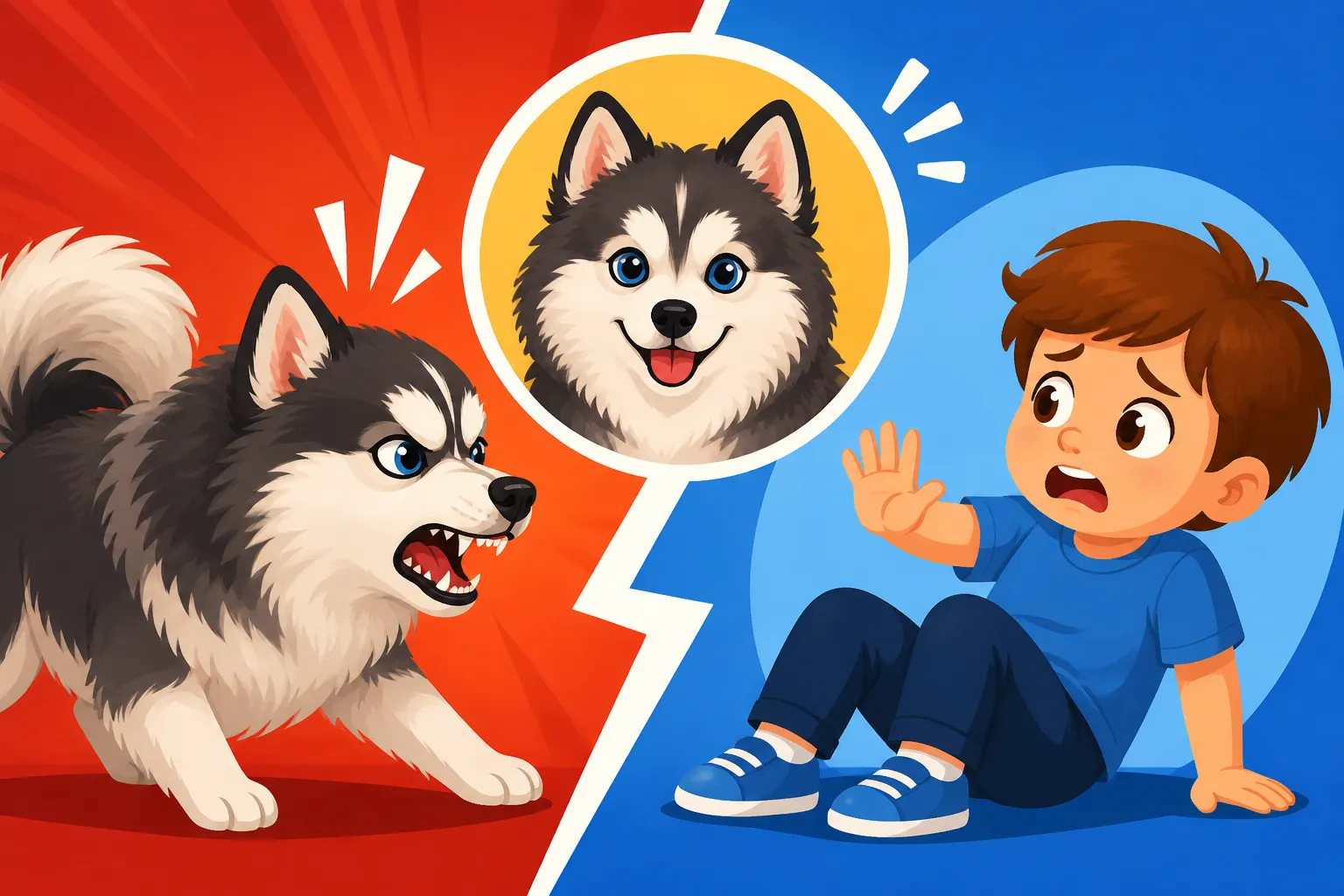
It’s a natural worry for any dog owner, especially when you bring a new furry family member into a home that already has little ones running around, or if you're expecting. You see pictures of adorable Pomsky puppies, but you also know they come from two breeds, the Siberian Husky and the Pomeranian, both with strong personalities. The big question, "Will a Pomsky snap at children?" is a deeply valid one, and it delves into crucial topics of temperament, training, and setting up a safe, harmonious household for everyone. This guide will walk you through the factors that influence a Pomsky's behavior around kids, and what you can do to foster a positive relationship.
Understanding Pomsky Temperament: A Mix of Traits
Pomskies are a designer breed, and their temperament can be a fascinating, sometimes unpredictable, blend of their parent breeds. This means you might get a dog leaning more towards the playful, independent Husky side, or the feisty, sometimes more reserved Pomeranian side. Neither of these breeds are inherently aggressive, but both have traits that, if misunderstood or mishandled, could lead to issues, especially around children. It's not about the dog being "bad," but about miscommunication or discomfort leading to a defensive reaction.
The Husky Influence: Energy and Playfulness
From their Husky lineage, Pomskies often inherit a good deal of energy and a strong desire to play. They can be very social and enjoy being part of family activities. However, Huskies are also known for their independence and a certain boisterousness. A Pomsky with strong Husky traits might be incredibly tolerant of children's playful antics, seeing them as fellow members of the pack. They might love to roughhouse, chase, and run around the yard.
However, this energy can also be overwhelming for very young children. A Pomsky that’s still learning impulse control might accidentally knock over a toddler during play, or jump up excitedly. While not intentional aggression, such actions could frighten a child and, if the child reacts with fear or pain, the dog might become wary. Proper exercise is paramount to channel this energy constructively. A tired Pomsky is often a calmer, more amenable Pomsky. You'll want to read about The Exercise a Pomsky Needs Every Day to ensure your pup's needs are met.
The Pomeranian Influence: Sass and Sentry
On the other side of the family tree, the Pomeranian brings a different set of characteristics. Poms are often described as spirited, intelligent, and sometimes a bit "sassy" or opinionated. They can be excellent companions but are also known for being wary of strangers and protective of their space and people. This protective instinct, especially in a smaller body, can manifest as a tendency to bark or be more reserved with new people, including unfamiliar children.
A Pomsky inheriting more of the Pomeranian's traits might be less tolerant of rough play or sudden movements, especially from small children who don't understand canine body language. They might be more prone to resource guarding (of toys, food, or even their human's lap) or to guarding their personal space. The "sentry" aspect means they might alert loudly to any perceived threat, which could be anything from a child running too close to a child trying to grab their toy. This isn't aggression per se, but a strong communication of "back off" that can escalate if ignored. The Suspicion a Pomsky Gets From the Pomeranian can be a significant factor in how they interact with unfamiliar hands.
Why a Pomsky Might Snap: Unpacking the Triggers
It’s important to remember that a "snap" is almost always a warning. Dogs, including Pomskies, rarely bite without giving multiple signals beforehand. Snapping is usually a last resort when a dog feels threatened, cornered, or is in pain and their more subtle warnings have been missed or ignored. Understanding these triggers is key to preventing such incidents.
Lack of Proper Socialization and Training
One of the biggest factors in a Pomsky's behavior around children is their early socialization. A puppy that hasn't been exposed positively and safely to a wide variety of people, including children of different ages, sounds, and environments, is more likely to be fearful or reactive. If a Pomsky puppy primarily interacts with adults, a sudden introduction to a boisterous child can be overwhelming. Early and consistent positive exposure, controlled and supervised, helps them learn that children are not threats.
Training also plays a huge role. A Pomsky that understands basic commands like "leave it," "stay," or "go to your place" can be redirected away from potentially problematic situations. Impulse control exercises are vital for a dog that might be prone to jumping or mouthy play. Without this foundation, a dog has fewer "tools" to navigate stressful situations, making a snap more likely. If you're raising a young pup, check out Raising a Pomsky Puppy for guidance on early development. Online programs like those offered by BAXTER & Bella can be incredibly helpful for consistent, positive reinforcement training from day one, which is vital for building a well-adjusted dog.
Misreading Body Language and Boundary Violations
Children, especially very young ones, are not inherently good at reading dog body language. They don't understand that a stiff body, a whale eye (showing the whites of the eyes), lip licks, yawns, or turning away are all signs a dog is uncomfortable. They might innocently hug a dog that finds hugs threatening, pull a tail, try to climb on them, or invade their personal space while the dog is sleeping or eating. These are all common, albeit unintentional, boundary violations that can push a dog past its comfort threshold.
A Pomsky, like any dog, needs to have its boundaries respected. If a child repeatedly ignores or is unaware of a dog's subtle "please stop" signals, the dog might escalate its warning behavior to a snap. It's not about malice; it's about a dog communicating in the clearest way it knows how when all other attempts have failed.
Pain, Fear, or Resource Guarding
A dog in pain, whether from an injury, arthritis (even young dogs can have conditions like Slipping Kneecaps in a Pomsky or Hip Dysplasia in a Pomsky), or an undiagnosed medical condition, is far more likely to snap if touched or startled. What might normally be a gentle pat from a child could cause intense discomfort, leading to a sudden, defensive reaction. Always consider pain as a potential factor if a dog's behavior suddenly changes.
Fear can also trigger snapping. If a Pomsky has had a negative experience with a child in the past, or if they are naturally timid, they might react out of self-preservation. Resource guarding, as mentioned before, is another common trigger. A dog might snap if a child tries to take their food bowl, a favorite toy, or even tries to join them on "their" couch. This isn't about aggression towards the child specifically, but about protecting a perceived valuable resource.
Proactive Steps for a Peaceful Home: Setting Up Success
Creating a safe and happy environment for both your Pomsky and any children in the home requires intentional effort, supervision, and education. It's about proactive management and consistent training.
Teaching Children Safe Interactions
This is perhaps the most critical component. Children need to be taught how to interact respectfully and safely with dogs. This isn't a one-time conversation but an ongoing lesson as they grow.
- "Be a Tree": Teach children to stand still, fold their arms, and look at their feet if a dog is being too boisterous or if they feel scared. This makes them less interesting to the dog and prevents them from running, which can trigger a chase instinct.
- "Ask First": Children should always ask an adult before approaching any dog, even their own. They need to understand that not all dogs want to be pet.
- "Pat, Pet, Pause": Instead of endless petting, teach them to give a few gentle pats, then pause. If the dog leans in or nudges for more, they can continue. If the dog moves away, yawns, or licks its lips, it means "no more, please."
- Respect Boundaries: Teach them to leave the dog alone when it's eating, sleeping, or in its crate/bed. Explain that this is the dog's safe space. Never allow children to take things from the dog's mouth.
Here's a table of crucial body language cues children (and adults!) should recognize:
| Dog Body Language Sign | Meaning | Action for Child (and Adult) |
|---|---|---|
| Lip Licking | Stress, anxiety, "I'm uncomfortable" | Give the dog space, stop interaction. |
| Yawning (when not tired) | Stress, "I'm stressed, please stop" | Give the dog space, stop interaction. |
| Turning Head/Body Away | "I want to disengage, I'm uncomfortable" | Give the dog space, stop interaction. |
| Stiff Body/Tail | Tension, potential arousal, "I'm preparing for something" | Freeze, remove child, give dog space. |
| Whale Eye (whites of eyes showing) | Stress, anxiety, "I'm very uncomfortable/scared" | Immediately remove child, give dog ample space. |
| Growling | Definitive warning, "Stop immediately!" | Immediately remove child, call dog away, separate. |
| Snapping (air bite) | Final warning before contact, "This is your last chance!" | Immediately remove child, separate dog and child. Seek professional help. |
Supervised Interactions and Safe Spaces
No matter how well-behaved your Pomsky or how well-taught your child, supervision is non-negotiable. "Supervision" doesn't mean being in the same room while you're on your phone; it means actively watching and being ready to intervene at any moment. You need to be the advocate for both your child and your dog.
- Physical Barriers: Use baby gates to create physical separations between the dog and child when direct supervision isn't possible. A crate can be a wonderful safe den for your Pomsky, a place where they can retreat and know they won't be bothered. You can find sturdy, appropriately sized crates and baby gates on Amazon.
- Designated Dog Zone: Establish a "dog zone" where your Pomsky can go to be left alone. This could be their crate, a bed in a quiet corner, or a specific room. Teach your children that when the dog is in this space, they are not to bother it.
- Structured Play: Direct and supervise all play sessions. Teach children how to engage in safe play, such as throwing a soft toy for fetch, rather than games that involve wrestling or chasing.
- Consider Whether a Pomsky Is Safe With Toddlers: Toddlers are particularly challenging as they are unpredictable and still learning motor control. This age group requires the most stringent supervision and management. For babies, considerations are different again; read Whether a Pomsky Copes With a Newborn for more specific advice.
Consistent Training and Desensitization
Ongoing positive reinforcement training is vital for your Pomsky. Focus on commands like "leave it," "drop it," and a solid "go to your bed/place." These commands are invaluable for managing interactions with children.
- Desensitization: Gradually and positively expose your Pomsky to children in controlled settings. Start with short, positive encounters with calm children, rewarding your dog for relaxed behavior. Never force interactions.
- Handling Exercises: Practice handling your Pomsky gently all over their body from a young age, associating it with positive reinforcement. This helps them become more tolerant of accidental pokes or prods from children. You can find excellent guides on teaching your dog to be comfortable with grooming, which includes handling, such as Teaching a Pomsky to Be Brushed.
- Professional Help: If you notice any signs of fear, anxiety, or resource guarding in your Pomsky around children, don't hesitate to consult a certified professional dog trainer or veterinary behaviorist. Early intervention is crucial. A BAXTER & Bella trainer could offer virtual guidance on specific issues.
When Things Go Wrong: Handling a Snap Incident
Even with the best intentions and management, accidents can happen. If your Pomsky snaps at a child, it's a serious incident that requires immediate and calm action.
Immediate Action and Safety First
Your absolute first priority is to ensure the immediate safety of the child. Calmly separate the child from the dog. Do not punish the dog in the moment; this can escalate fear and make future incidents worse. Focus on managing the situation and assessing any potential injury to the child. If there's an injury, seek medical attention immediately.
Once the child is safe, separate the dog into a secure area (like their crate or a separate room). This gives everyone a chance to calm down and prevents further incidents.
Assessing the Situation and Seeking Professional Guidance
After everyone is calm, it's time to reflect on what happened.
- What was the context? Where did it happen? What were the child and dog doing immediately before the snap? Was the dog eating, sleeping, playing, or startled?
- What were the dog's body language signals? Were there any warnings you missed?
- What was the severity? Was it an air snap, or did teeth make contact? Even a minor scratch is a serious warning.
This is not the time to try and "fix" the problem yourself. A snap is a clear signal that something is seriously wrong with the dog-child dynamic or the dog's comfort level. Contact a qualified professional dog trainer or a veterinary behaviorist immediately. They can help you understand the underlying cause of the snap, create a safety plan, and develop a behavior modification program. Avoid anyone who suggests punishing your dog or using harsh, outdated methods, as these can exacerbate fear and aggression.
Long-Term Management and Re-evaluation
Following an incident, you will likely need to implement stricter management protocols, possibly including permanent separation of the dog and children unless under direct, active supervision. This might mean crating the dog, using baby gates, or keeping them in separate areas of the house.
It’s a tough reality to face, but sometimes, for the safety of everyone, especially the child, re-evaluating the living situation may be necessary. This doesn't mean you've failed; it means you're prioritizing safety. A professional will guide you through these difficult decisions. Remember, the goal is always to prevent future incidents and ensure a safe, happy home for all two and four-legged family members.
Disclaimer
This article is for general informational purposes only and does not constitute professional advice. Laws, prices and regulations vary by location and change over time. Consult a qualified professional for guidance on your specific situation.