Whether a Pomsky Copes With a Newborn
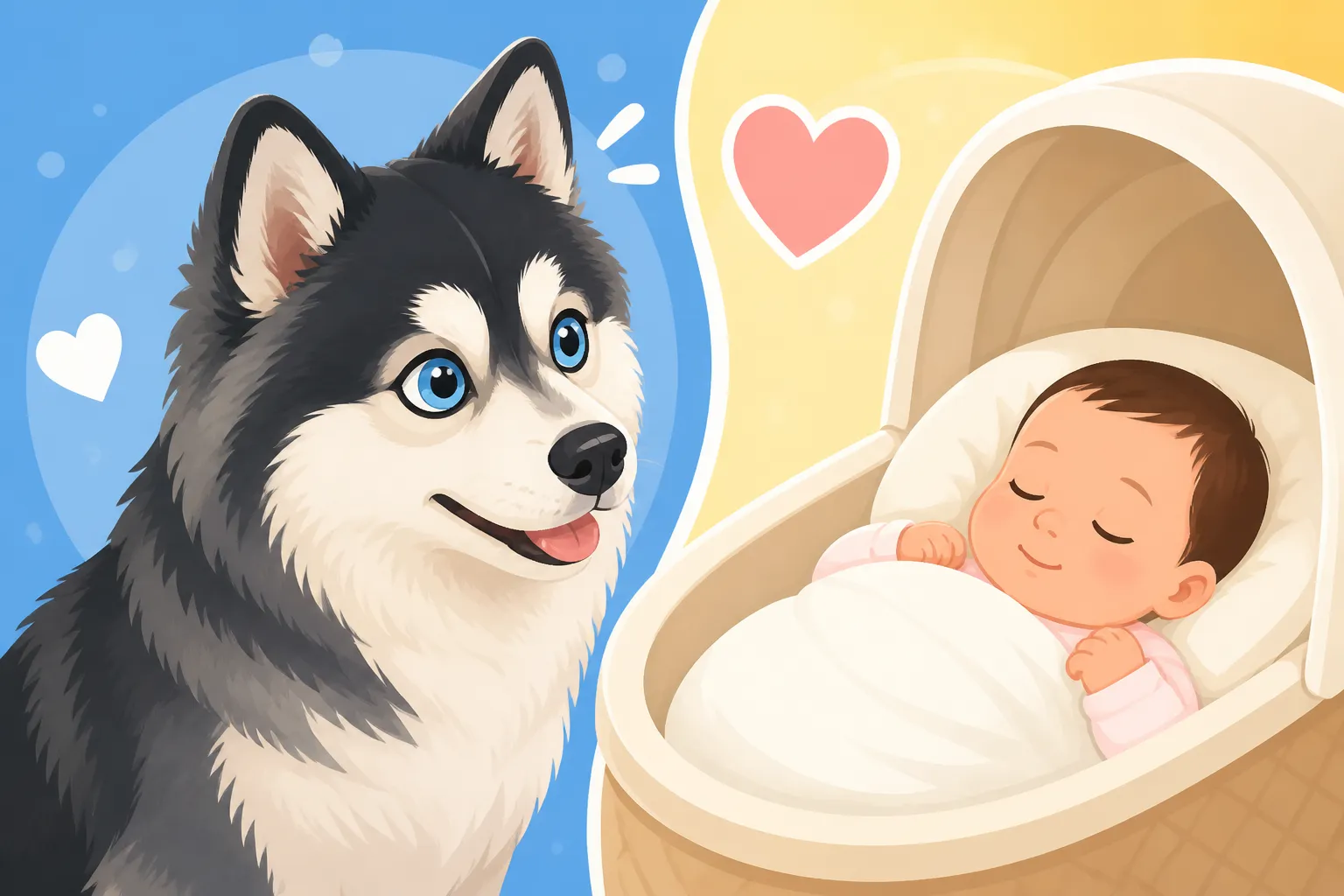
Bringing a new baby home is an incredibly exciting, yet often overwhelming, time for any family. When you already have a beloved Pomsky, a dog known for its vibrant personality and energetic spirit, a new layer of worry can set in: Will my Pomsky cope with a newborn? This isn't just about whether they'll tolerate the new arrival, but about ensuring a harmonious, safe, and happy environment for everyone. This guide aims to walk you through understanding your Pomsky's likely reactions, preparing them for the big change, and fostering a loving relationship between your furry friend and your newest family member.
Understanding Your Pomsky's Temperament with a New Family Member
Pomskies are a fascinating blend of Siberian Husky and Pomeranian, inheriting a unique set of traits that can make them both wonderful and challenging companions. When a newborn enters the picture, these inherent qualities come to the forefront, and understanding them is the first step in successful integration.
The Husky's Influence: Energy, Curiosity, and Vocalization
From their Husky lineage, Pomskies often inherit a boundless energy and a keen sense of curiosity. They are intelligent dogs, always observing and wanting to be part of the action. This can be great, as it means they might be naturally interested in the baby. However, this energy needs an outlet. A bored Pomsky is a mischievous Pomsky, and you certainly don't need a dog trying to "play" with a sleeping infant or investigating baby items with destructive intent.
Another key Husky trait is vocalization. Huskies are known for their "talking"—howls, yips, grumbles, and a distinct lack of traditional barking. While charming under normal circumstances, a sudden, loud howl from your Pomsky might be alarming to a newborn (and definitely to exhausted new parents!). They might vocalize out of excitement, confusion, or even frustration at the disruption to their routine. Preparing for this is crucial.
The Pomeranian's Contribution: Loyalty, Demand for Attention, and Potential Suspicion
The Pomeranian side of your Pomsky often brings intense loyalty and a strong desire for human attention. For many Pomsky owners, their dog has been their "fur baby" and the absolute center of their world. When a newborn arrives, this dynamic shifts dramatically. Your Pomsky might struggle with the sudden decrease in one-on-one attention, leading to behaviors like demanding nudges, increased vocalization, or even acting out to regain focus.
Pomeranians can also sometimes exhibit a degree of suspicion towards new things or people, and this trait can manifest in your Pomsky. A newborn, with its strange sounds, smells, and movements, is undoubtedly a "new thing." While not typically aggressive, a Pomsky might initially be wary or even try to herd or guard the baby, which can be concerning. It's vital to teach them that the baby is a welcome, protected part of the family, not something to be managed by the dog. This is especially true if your Pomsky has previously displayed The Suspicion a Pomsky Gets From the Pomeranian towards strangers or unfamiliar situations.
Individual Personality: More Than Just Breed Traits
Beyond breed characteristics, remember that every Pomsky is an individual. You know your dog best. Do they have a high The Prey Drive a Pomsky Gets From the Husky? Are they generally anxious or calm? How do they react to new sounds or objects? Have they ever shown resource guarding tendencies? Take an honest inventory of your Pomsky's unique personality and past behaviors. This self-assessment will be invaluable in tailoring your preparation plan. Some Pomskies are naturally more laid-back, while others are high-strung. This individual temperament will heavily influence how they adapt to the drastic life change of a baby.
Preparing Your Pomsky for the Baby's Arrival
The key to a smooth introduction between your Pomsky and a newborn lies in proactive, thoughtful preparation. Don't wait until the baby is home to start—begin months in advance.
Desensitization to Baby Sights, Sounds, and Smells
Babies come with a whole sensory experience that can be startling for a dog. Start desensitizing your Pomsky early.
- Sounds: Get a recording of baby cries, coos, and gurgles. Play it softly at first, then gradually increase the volume over weeks or months. Observe your Pomsky's reaction. If they seem stressed, lower the volume. Reward calm behavior with treats and praise. The goal isn't to ignore the sounds but to associate them with positive experiences, not anxiety.
- Smells: Introduce baby lotions, powders, and wipes into your home well before the baby arrives. Let your Pomsky sniff these items in a calm, controlled manner. You can even dab a little of the baby lotion on your own skin so they associate the scent with you, too. This helps make the new baby smell less foreign and more normalized.
- Sights: Set up the nursery and all baby gear—crib, stroller, swing—long before the due date. Let your Pomsky explore these items under supervision. If they try to chew or jump on anything, calmly redirect them. This allows them to get used to the new furniture and objects as part of the home landscape, rather than a sudden intrusion.
Adjusting Routines and Boundaries
Your Pomsky's world is about to be turned upside down. Help them adjust by gradually changing their routine and establishing new boundaries.
- Schedule Shifts: If your Pomsky is used to specific walk times or play sessions, start to vary them. New parents often have unpredictable schedules, and a dog that can adapt to different feeding or exercise times will fare much better. This might also be a good time to review The Exercise a Pomsky Needs Every Day to ensure they're getting sufficient physical and mental stimulation.
- Designated Dog-Free Zones: Create "no-go" areas in the house, particularly the nursery. Use baby gates (you can find many effective options on Amazon) to define these boundaries. Start enforcing these rules before the baby arrives, so your Pomsky doesn't associate the baby with the loss of access to certain areas. Make sure their dog bed or crate is in a neutral, calm spot where they can retreat if they feel overwhelmed.
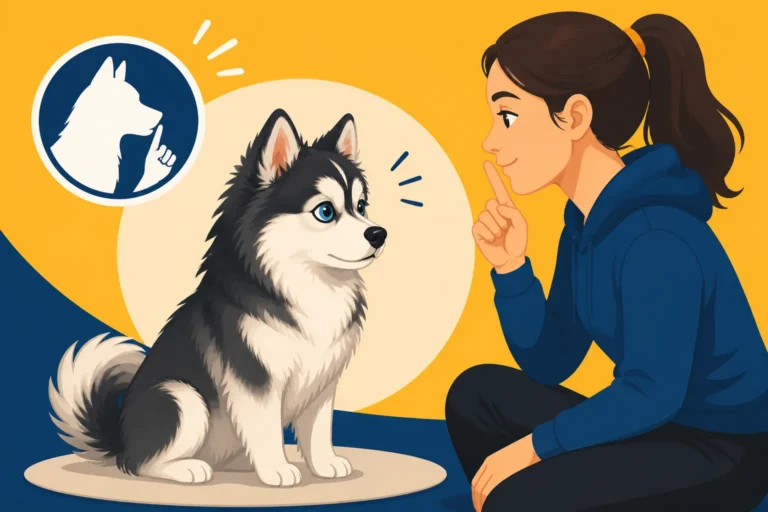
- Training Refresh: Now is the perfect time to brush up on basic obedience commands. "Sit," "stay," "leave it," and "come" will be invaluable. A strong "settle" or "go to your mat" command will allow you to manage your Pomsky's behavior when your hands are full. Consider enrolling in an online course, such as those offered by BAXTER & Bella, to reinforce these commands and address any specific behavioral concerns. This training will be essential for Building a Recall a Pomsky Answers and overall good behavior.
Introducing the Baby's Scent Before the Baby Arrives
This is a critical step for a positive first introduction. Before the baby comes home from the hospital, have a family member or friend take a used baby blanket or an item of clothing with the baby's scent on it home to your Pomsky.
- Controlled Sniffing: Present the item to your Pomsky in a calm environment. Let them sniff it, but don't let them chew or play with it. Reward calm curiosity with high-value treats and praise. The goal is to create a positive association with the baby's scent.
- Familiarity Breeds Calm: Repeat this a few times over the day or two before the baby comes home. This pre-introduction of scent allows your Pomsky to process the new smell without the added excitement and potential stress of the baby's actual presence. It helps them recognize the smell as belonging to a member of their "pack" when the baby eventually arrives.
Managing Interactions: Pomsky and Newborn Safely
The actual introduction and ongoing management of a Pomsky with a newborn require vigilance, patience, and a consistent approach. Safety is always the top priority.
The First Introduction: Calm and Controlled
When the baby first arrives home, keep the initial meeting calm and brief.
- Parent-First Greeting: Have one parent enter the home alone first to greet the Pomsky. This helps your dog not associate the baby's arrival with their owners ignoring them. Get the initial excitement out of the way.
- Leashed Introduction: Once the dog is calm, bring the baby in, held securely by the other parent. Keep your Pomsky on a leash, ideally held by someone else, or a secure anchor point, so you have full control.
- Observe and Reward: Allow your Pomsky to approach cautiously and sniff the baby (not directly in the face, but perhaps the feet or back). Watch for signs of stress or over-excitement, such as stiff body language, whale eye, growling, or excessive licking. If the Pomsky is calm and curious, offer praise and treats. Keep the interaction short and positive. Don't force anything.
- No Free Access: Never, under any circumstances, leave your Pomsky unsupervised with the baby, even for a second. This rule is absolute, regardless of how trustworthy you believe your dog to be. This is a topic often discussed by new parents, as highlighted in A Pomsky in a House With Children.
Creating Safe Spaces and Boundaries
Maintaining clear physical boundaries is crucial for both your Pomsky and the baby's safety and well-being.
- Physical Barriers: Continue to use baby gates to separate your Pomsky from the baby when you can't actively supervise. This provides a safe zone for the baby and a designated dog-free area. It also gives your Pomsky a chance to relax without feeling constantly scrutinised or overwhelmed.
- Dog's Retreat: Ensure your Pomsky has their own comfortable, quiet space where they can retreat. This might be their crate, a dog bed in a less trafficked room, or a designated corner. This "safe haven" is important for them to decompress and feel secure. Make sure children are taught not to disturb the dog in their retreat.
- Teaching Gentle Interaction: As the baby grows, they will naturally become more curious and mobile. Teach your Pomsky a "gentle" cue and reward them for calm interactions. Supervise all interactions closely, teaching the child how to respectfully interact with the dog as they get older. Never let a child pull ears, tails, or climb on the dog.
Ongoing Life with a Pomsky and a Growing Family
Integrating a Pomsky with a newborn is an ongoing process. Consistency, understanding, and continued effort will strengthen the bond between your dog and your growing family.
Maintaining Your Pomsky's Needs
In the whirlwind of new parenthood, it's easy for your Pomsky's needs to take a backseat. However, neglecting their basic requirements can lead to behavioral issues.
- Exercise and Mental Stimulation: Pomskies, with their Husky heritage, need significant exercise. Even if it's just a quick walk with the baby in a stroller or a game of fetch in the yard, ensure your Pomsky gets their daily dose of physical activity. Mental stimulation, like puzzle toys or short training sessions, is just as important. A well-exercised and mentally engaged Pomsky is a calmer, happier Pomsky. Consider options for activities even when you can't devote a lot of time to The Exercise a Pomsky Needs Every Day.
- One-on-One Time: While it will be less frequent, try to carve out some dedicated one-on-one time with your Pomsky. Even 10-15 minutes of focused attention, petting, or play can make a huge difference in their emotional well-being and reinforce your bond. This helps prevent feelings of displacement.
- Consistency: Dogs thrive on routine and consistency. While your schedule will be erratic with a newborn, try to maintain as much consistency as possible with your Pomsky's feeding times, potty breaks, and training expectations. This predictability helps reduce their anxiety.
Troubleshooting Common Challenges
You might encounter some common challenges as your Pomsky adjusts.
- Attention-Seeking Behavior: If your Pomsky starts nudging, barking, or pawing for attention when you're with the baby, avoid rewarding these behaviors. Instead, calmly tell them "no" or "sit," and then reward them when they perform the desired behavior or settle quietly. Only give attention when they are calm.
- Resource Guarding: If your Pomsky shows any signs of guarding baby items (toys, blankets) or even the baby itself, seek professional help immediately. This is a serious issue that needs expert guidance.
- Anxiety/Stress: Watch for signs of stress in your Pomsky, such as excessive shedding, licking lips, yawning (when not tired), panting, hiding, or changes in appetite. If you observe these, it might indicate they are struggling to adjust. Re-evaluate their routine, increase exercise, or consult with a professional dog trainer or veterinary behaviorist. They might be showing signs of Whether a Pomsky Suffers Separation Anxiety if the change is too drastic.
Here's a quick reference table for managing your Pomsky's behavior with a new baby:
| Behavior | What it Might Mean | Recommended Action |
|---|---|---|
| Excessive barking/howling | Seeking attention, excitement, confusion, stress | Desensitize to baby sounds. Reward quiet. Provide exercise. Don't reward demand barking. |
| Nudging/pawing | Seeking attention, jealousy | Ignore demand for attention. Redirect to a "place" command. Reward calm behavior. |
| Overly excited jumping | Overstimulation, lack of manners | Reinforce "off" command. Practice calm greetings away from the baby. Never let them jump on or near the baby. |
| Sniffing baby aggressively | Curiosity, but needs firm boundaries | Supervise closely. Keep on leash initially. Redirect with "leave it." Ensure no face-licking. |
| Guarding baby items | Resource guarding, needs intervention | Seek professional dog trainer or veterinary behaviorist immediately. Never tolerate. |
| Hiding/avoiding baby | Overwhelmed, anxious | Give them a safe retreat. Don't force interaction. Increase positive association (treats when baby is present calmly). |
| Changes in appetite/sleep | Stress, anxiety | Consult vet to rule out medical issues. Review routine, ensure sufficient exercise and mental stimulation. |
Building a Positive Association
The goal is for your Pomsky to view the baby as a source of good things.
- Treats for Calmness: Whenever your Pomsky is calm and relaxed in the baby's presence, offer a high-value treat or praise. This creates a positive association: "Baby is here, good things happen!"
- Include Them (Safely): Talk to your Pomsky while you're tending to the baby. Let them lie near you (but not too close to the baby) while you're feeding or rocking. Include them in a calm, supervised way so they don't feel completely excluded. This is a cornerstone of Raising a Pomsky Puppy and helps build a strong family bond.
- Never Punish Near the Baby: Avoid punishing your Pomsky when they are near the baby. You don't want them to associate the baby with negative experiences. If correction is needed, remove your Pomsky from the situation, give the correction, and then bring them back only when calm.
Bringing a newborn home is a monumental change, and your Pomsky's adjustment is a significant part of that journey. With thoughtful preparation, consistent training, and unwavering supervision, you can help your Pomsky embrace their new role as a big sibling, ensuring a safe and loving home for everyone. The effort you put in now will pay dividends in years of happy memories with your furry and human family members. Many owners reflect on What Pomsky Owners Wish They Had Known about this transition, so being proactive is truly the best approach.
Disclaimer
This article is for general informational purposes only and does not constitute professional advice. Laws, prices and regulations vary by location and change over time. Consult a qualified professional for guidance on your specific situation.