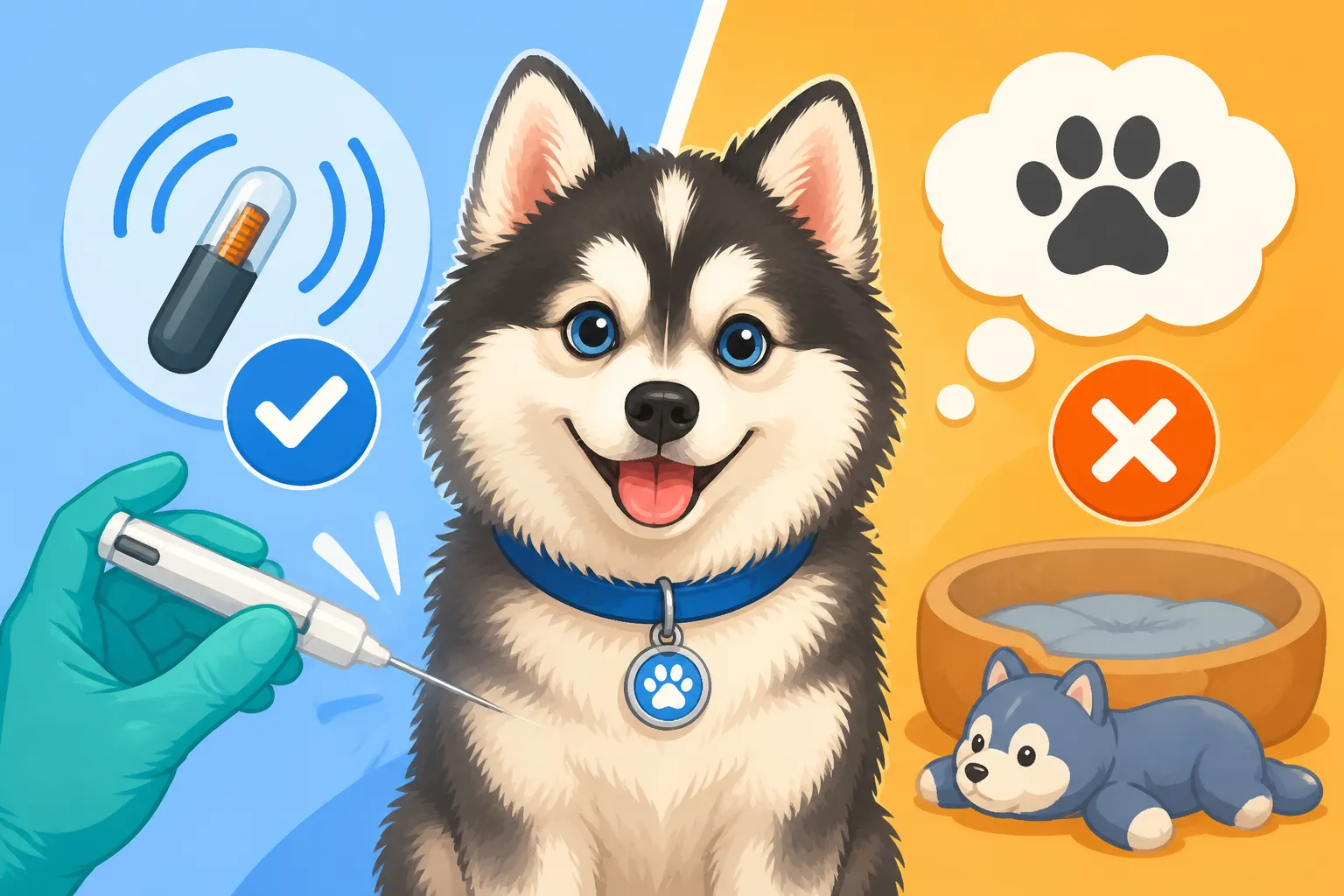
Whether a Pomsky Should Be Microchipped Immediately
There's nothing quite like the panic that sets in when you call your Pomsky and they don't appear, or worse, you realize the gate was left open or a door was accidentally left ajar. The fear of a lost pet is a universal ache, and for us Pomsky parents, their cleverness, speed, and desire to explore can make it a real concern. This guide will walk you through why microchipping your precious Pomsky as soon as possible is not just a good idea, but a vital step in safeguarding them, making sure their tiny chip is their biggest protector.
The Inevitable Truth: Pomskies are Escape Artists
Let's face it, Pomskies are a delightful blend of their two parent breeds, and unfortunately, that often means inheriting a strong dash of wanderlust from their Husky side and cleverness from the Pomeranian. They are incredibly intelligent, agile, and possess a drive that can lead them on grand adventures if given half a chance. This inherent characteristic makes permanent identification absolutely non-negotiable.
Why Pomskies are Prone to Roaming
It's not that your Pomsky doesn't love you; it's simply that their genetic makeup primes them for exploration. Huskies were bred to run long distances, and that instinct often translates into a keen desire for freedom and movement in a smaller package. They can be incredibly curious, easily distracted by a scent, a squirrel, or another dog just beyond the fence line. A sudden noise, a gap in the fence, or a door left ajar for a split second can turn your well-behaved companion into a furry missile headed for the horizon. It's a heartbreaking reality many owners face, often feeling immense guilt that they weren't careful enough, but sometimes, life just happens.
We often joke about our Pomskies being master escape artists, but it's truly no laughing matter when they put those skills to the test. They can dig under fences, squeeze through surprisingly small gaps, or even scale fences with athletic prowess that belies their size. I've heard countless stories of Pomskies who have learned to open doors or even gates with latches, turning a momentary lapse in vigilance into a frantic search mission. This natural inclination to explore and the ease with which they can slip away are the primary reasons why you need every possible tool at your disposal to bring them home safely. You can read more about this adventurous spirit in The Pomsky Escape Artist in a Twenty Pound Body.
The Limitations of Collars and Tags
While a collar with an ID tag is absolutely crucial and should always be your first line of defense, it's not foolproof. Collars can snag and break, or your clever Pomsky might even figure out how to slip out of one, especially if it’s not a secure martingale style collar. Whether a Pomsky Slips a Collar is a common concern among owners. Imagine the scenario: your Pomsky bolts, tears through some brush, and the collar snags, breaking off. Suddenly, they're out in the world with no visible identification.
This is where the microchip becomes an invaluable, permanent safety net. Unlike a collar, a microchip cannot be lost, removed, or become illegible. It stays with your dog for their entire life, providing a reliable link back to you even if all other forms of identification are gone. Think of it as an invisible tattoo that carries your contact details, always there, always ready to speak for your lost companion. Many owners combine a collar and tag with a microchip, and sometimes even a GPS tracker (easily found on Amazon) as a comprehensive safety strategy, recognizing that each method has its own strengths and weaknesses.
Timing is Everything: When to Microchip Your Pomsky
One of the most common questions I get is, "When exactly should I get my Pomsky microchipped?" The simple answer is: as soon as it's safely possible. This typically means when they are still puppies, or immediately upon adoption if they aren't already chipped. Don't put it off, because you never know when that split-second escape might happen.
Microchipping Your Puppy
Most veterinarians and reputable breeders will recommend microchipping puppies around 8 to 12 weeks of age. This timing usually coincides with their final round of puppy vaccinations. By this age, they are large enough to safely receive the chip, and the procedure is quick and generally causes only minor, momentary discomfort, similar to a routine injection. It's a small price to pay for a lifetime of security.
For a puppy coming from a reputable breeder or shelter, they've likely already begun some foundational training, but continuing that at home, perhaps with guidance from resources like BAXTER & Bella, will help them be more comfortable with routine veterinary care, including microchipping. Getting it done while they're young ensures they are protected before they've even had a real chance to develop their full Houdini potential. Remember, even a tiny puppy can slip out a door or get disoriented in a new environment. Raising a Pomsky Puppy involves many essential steps, and microchipping should be high on that list.
Microchipping an Adopted or Rescue Pomsky
If you're bringing home an older Pomsky from a shelter or rescue, the first thing you should do is verify if they are already microchipped. Many rescue organizations will chip animals before adoption as part of their standard procedure. If they are chipped, fantastic! Your next step is absolutely critical: ensure the microchip is registered in your name with your current contact information. An unregistered chip, or one still registered to a previous owner or the rescue, is practically useless. It’s important to immediately update the registration to reflect you as the primary contact.
If your adopted Pomsky isn't chipped, make an appointment with your vet as soon as possible. There’s no age limit for microchipping; it can be done safely on adult dogs. The procedure is the same, regardless of age, and the benefits are just as significant. Rescued Pomskies, having potentially already experienced displacement, might be more prone to anxiety or escape attempts in a new environment, making the chip even more vital. Many of these dogs end up in shelters because they were lost and had no permanent identification, highlighting the importance of this step.
The Simple Procedure: What to Expect During Microchipping
The idea of a microchip might sound intimidating, but the actual procedure is remarkably straightforward and quick. It’s a common veterinary practice that has saved countless pets from being permanently lost. Understanding what happens can ease any anxieties you might have about it.
What the Microchipping Process Involves
A microchip is a tiny, rice-grain-sized transponder that is injected subcutaneously (just under the skin) between your Pomsky’s shoulder blades. The needle used is slightly larger than a standard vaccine needle, but the process is very fast. Most dogs barely react, perhaps a slight yelp or flinch, much like they would for any other injection. There’s no anesthetic required, and your vet can usually do it during a regular check-up.
Once injected, the microchip sits harmlessly under the skin. It doesn't have a battery and doesn't transmit any information unless a scanner is passed over it. When a scanner is used, it emits a low-frequency radio wave that activates the chip, causing it to transmit its unique identification number. This number is then displayed on the scanner, and it’s this number that is linked to your contact details in a national pet recovery database. The entire process takes mere seconds, providing a permanent form of identification that lasts your Pomsky's entire The Twelve to Fifteen Years a Pomsky Lives.
Registering Your Pomsky's Microchip
Injecting the microchip is only half the battle. The most crucial step that many owners regrettably overlook is registering the chip. Without registration, or with outdated registration, the microchip is effectively useless. Think of it like a new car with a VIN number; if that VIN isn't linked to an owner, how do you track it back to them?
Your vet clinic will typically provide you with the microchip registration paperwork or guide you through the online registration process. You'll need to provide your full name, address, phone numbers (cell, home, work), and email address. It’s vital to use reliable contact information that you will maintain for years to come. Some microchip companies offer additional services, like lost pet alerts or pet recovery hotlines, which can be beneficial. Always double-check that your information is correctly entered and that the registration is complete. Many lost pets with microchips are never reunited with their owners because the contact information is incorrect or outdated. Be proactive and thorough with this step!
Beyond the Chip: Maintaining Your Pomsky's Lifeline
A microchip isn't a "set it and forget it" solution, even though it's permanently embedded. For it to truly be your Pomsky's lifeline, you need to commit to ongoing maintenance and awareness. This involves regular checks and updates to ensure its effectiveness.
Keeping Your Contact Information Current
Life changes, right? We move, we get new phone numbers, even email addresses can change. Every time your contact information changes, no matter how minor, you must update your Pomsky’s microchip registration. This usually involves logging into the microchip company's website or calling their customer service. Set a reminder in your phone or on your calendar to review and update your pet's microchip information at least once a year, perhaps around their birthday or annual vet visit. This simple habit can mean the difference between a joyful reunion and a heartbreaking permanent separation.
Consider the frustration of someone finding your lost Pomsky, taking them to a vet or shelter, and the scanner pulling up an old phone number or an address you no longer live at. The system works, but only if the data is accurate. This also extends to listing emergency contacts—friends or family members who could be reached if you're unavailable. Many owners also consider getting their What Chipping and Licensing Cost a Pomsky Owner taken care of at the same time, often part of the same annual routine.
Regular Vet Checks and Microchip Scans
During your Pomsky's annual wellness exams, always ask your veterinarian to scan their microchip. This quick check confirms that the chip is still in place and functioning correctly. While microchip migration (the chip moving from its original injection site) is rare, it can happen. A quick scan during a routine visit ensures that if your Pomsky ever gets lost, their chip will be easily detectable. Some vets might even let you scan it yourself, which is a neat way to understand the technology firsthand!
It’s also a good practice to tell anyone who might be caring for your Pomsky, like a pet sitter or a boarding facility, that your dog is microchipped and where to look for the information. While most professionals know to check, a little heads-up can ensure maximum safety.
Other Important Considerations
While microchips are incredibly reliable, they are not GPS trackers. A microchip won't help you find your lost Pomsky actively; it only provides identification when your dog is found and scanned. For owners who want to track their adventurous Pomskies actively, a GPS collar is an excellent supplementary tool, though it's important to understand their limitations regarding battery life and signal range. Whether a Pomsky Should Have a GPS Tracker is a separate, but related, important decision.
Also, be aware that there are different microchip frequencies, though modern scanners are usually universal. However, it's always good to register with a national database that supports various chip types. When your Pomsky is scanned at a vet, shelter, or animal control facility, the scanner will read the chip, display the unique ID number, and then the staff can use that number to search the national databases for your contact information. This seamless process is why immediate microchipping and diligent registration are such a powerful combination in keeping your Pomsky safe.
| Identification Method | Permanence | Active Tracking | Relies on Owner Action | Notes |
|---|---|---|---|---|
| Collar & Tag | Low | No | Yes (wearing it) | Highly visible, immediate identification. Can be lost, damaged, or removed. Must be worn at all times. |
| Microchip | High | No | Yes (registration) | Permanent, internal ID. Requires scanner to read. Information must be kept current in database. |
| GPS Tracker | Medium | Yes | Yes (battery, subscription) | Active location tracking. Can be lost, damaged, or run out of battery. Often a subscription fee. |
Ultimately, microchipping your Pomsky is one of the most proactive and responsible things you can do as a pet parent. It offers a permanent layer of protection that goes far beyond what a collar and tag can provide alone. Given their spirited and sometimes mischievous nature, ensuring they have this invisible link back to you is paramount. Don't wait; get your Pomsky microchipped and registered as soon as possible. It's a small step for you, but a giant leap for their safety and your peace of mind.
Disclaimer
This article is for general informational purposes only and does not constitute professional advice. Laws, prices and regulations vary by location and change over time. Consult a qualified professional for guidance on your specific situation.