What Chipping and Licensing Cost a Pomsky Owner
Bringing a new Pomsky puppy home is an exhilarating experience, filled with dreams of cuddles and playful antics. But amidst the excitement of choosing the perfect collar and leash, it's easy for some foundational, yet crucial, financial considerations to slip your mind. Many new owners find themselves surprised by the immediate, non-negotiable costs like microchipping and licensing. This guide will walk you through exactly what these essential steps entail and what you can expect to budget, ensuring your Pomsky is not just loved, but also safe and legally registered from day one.
The Essential Step of Microchipping Your Pomsky
One of the most profound fears any dog owner faces is their beloved companion getting lost. Pomskies, with their curious nature and often surprising agility, can be quite the escape artists, and a microchip offers an invaluable layer of protection against that nightmare scenario.
Why a Microchip is Non-Negotiable
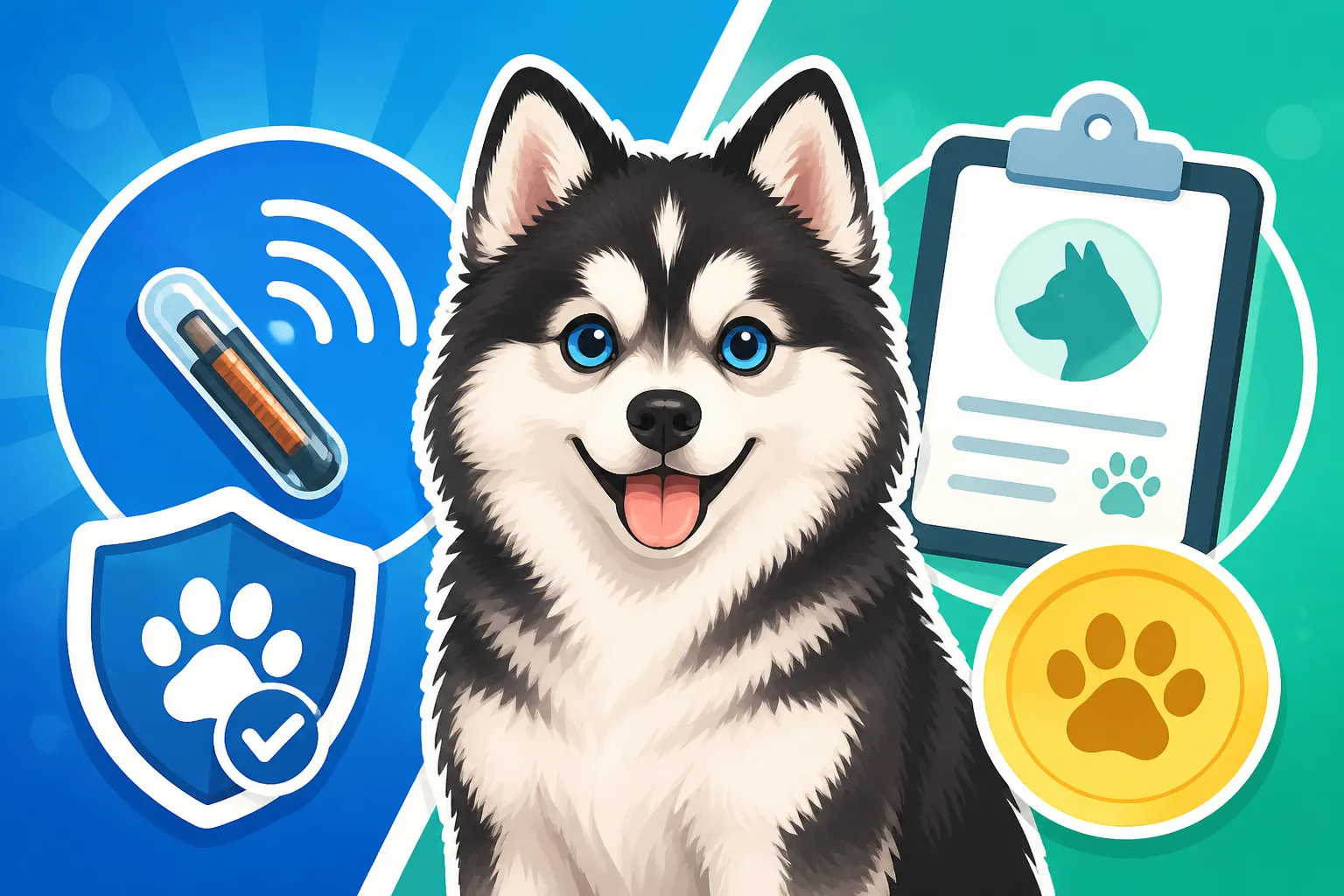
Let's face it, no matter how secure your yard or how diligent you are on walks, accidents happen. A gate might be left ajar, a leash could slip, or a sudden noise could send your Pomsky bolting. When your heart is pounding, and you’re frantically searching, a microchip isn't just a convenience; it's often the quickest way to get your furry friend back home. Unlike collars or tags, which can easily fall off or be removed, a microchip is a permanent form of identification. It's a tiny, passive RFID (Radio Frequency Identification) chip, about the size of a grain of rice, that carries a unique identification number. When a lost dog is found and taken to a vet clinic or animal shelter, they'll scan the dog, retrieve that number, and then look it up in a national database to find your contact information. For a breed known for its independence and love of exploring, often described as The Pomsky Escape Artist in a Twenty Pound Body, this peace of mind is truly priceless. It's a proactive measure that speaks volumes about responsible pet ownership.
The Microchipping Process and What to Expect
The thought of an injection might make you, or your Pomsky, a little nervous, but the microchipping procedure is remarkably quick and generally causes no more discomfort than a routine vaccination. Your veterinarian will typically perform it during a standard check-up. The chip is implanted just under the skin, usually between the shoulder blades, using a hypodermic needle. There's no anesthetic required, and most dogs barely react, perhaps just a momentary yelp or twitch. Once implanted, your vet will ensure the chip can be read by a scanner and then guide you through the registration process. This is the crucial part: the chip itself is just a number. It needs to be linked to your current contact details in a national pet recovery database. You'll usually fill out a form online or over the phone, providing your name, address, phone numbers, and sometimes an emergency contact. It's vital to keep this information updated throughout your Pomsky's life. If you move, change your phone number, or transfer ownership, remember to update the microchip registry immediately. This simple act dramatically increases the chances of a happy reunion should your Pomsky ever go missing. If you're considering additional layers of protection, you might also be wondering Whether a Pomsky Should Have a GPS Tracker for real-time location.
Understanding Microchipping Costs
When it comes to the financial side of microchipping, you'll generally find it to be a one-time, relatively modest expense. Most veterinary clinics offer microchipping as a standard service, often combining it with a puppy's initial vaccination series or spay/neuter procedure. The cost typically covers the chip itself and the implantation.
Some animal shelters or local humane societies also host low-cost microchipping clinics, which can be a more budget-friendly option if your Pomsky isn't already going in for other veterinary services. These events are fantastic community resources. It's also common for breeders to microchip puppies before they go to their new homes, with the cost either included in the purchase price or listed as a separate, mandatory fee. If your Pomsky comes microchipped, remember to ask for the chip number and the registry information so you can transfer ownership and update your details.
While the primary cost is for the implantation, some registries might charge a small, one-time or annual fee to maintain your contact information in their database. Be sure to clarify these details with your vet or the registry provider. It's a minor cost when weighed against the peace of mind and the potential heartache it can prevent.
Navigating Local Dog Licensing for Your Pomsky
Beyond microchipping, another critical step in responsible Pomsky ownership is getting your furry friend officially licensed with your local municipality. This isn't just about an extra tag on their collar; it's a legal requirement that plays a significant role in community safety and animal welfare.
Why Licensing Matters: Beyond Just a Tag
You might view a dog license as just another bureaucratic hoop to jump through, but it serves several important purposes. First and foremost, it's a legal mandate in most cities, counties, and states. Not having a current license can result in fines if your Pomsky is found by animal control or if there's a complaint. More importantly, it acts as a safety net. The license tag, often worn on your Pomsky's collar, carries an identification number that is linked to your contact information on file with the local animal services department. If your Pomsky, who might share the Husky's instinct to roam, is found wandering, this tag provides immediate identification, making it much easier for animal control or a helpful neighbor to reunite you quickly.
Furthermore, the fees collected from dog licenses often contribute directly to funding local animal shelters, rescue operations, and animal control services. These funds support everything from finding homes for stray animals to investigating cruelty cases and providing emergency medical care. So, while it feels like a small annual fee, it's actually an investment in the well-being of the animal community around you, and a key component of being a responsible pet parent for a potentially adventurous dog like yours. It’s also important context for broader discussions about What a Pomsky Needs Daily to ensure their safety and well-being.
The Licensing Process: What You'll Need
The process for licensing your Pomsky is usually straightforward, though the exact requirements can vary slightly depending on your specific city or county. Generally, you'll need a few key documents:
- Proof of Rabies Vaccination: This is almost universally required. Your veterinarian will provide you with a certificate indicating that your Pomsky has received its current rabies shot. This is not only a health requirement but also a public safety measure.
- Proof of Spay/Neuter (if applicable): Most jurisdictions offer reduced licensing fees for spayed or neutered animals. If your Pomsky has undergone this procedure, your vet will issue a certificate that you can present to receive the discount. If your Pomsky is intact, the fee will likely be higher.
- Application Form: You'll need to complete an application form, which can often be found on your city or county's animal services website, or picked up in person at their office. This form will ask for your contact information and details about your Pomsky.
Once you have your documents and completed form, you can usually submit them and pay the fee either online, by mail, or in person at the animal services office or sometimes even at participating vet clinics. After processing, you'll receive your Pomsky's unique license tag, which should be affixed to their collar. Remember, these licenses typically need to be renewed annually, so make a note on your calendar!
Decoding Licensing Fees and Their Variables
The cost of a dog license can be a bit of a moving target, varying significantly based on where you live and your dog's individual circumstances. There isn't a national standard, so what you pay in one county could be quite different from another.
Here are the common factors that influence the fee:
- Location: The biggest determinant is your specific municipality (city, town, or county). Urban areas might have different fee structures than rural ones.
- Spay/Neuter Status: As mentioned, this is almost always a factor. Licensing an intact (not spayed or neutered) Pomsky is usually more expensive. This is an incentive to encourage pet owners to spay or neuter their animals, which helps control pet overpopulation and can have health benefits for your dog.
- Duration: Most licenses are annual, but some areas might offer multi-year options, which could provide a slight discount over time.
- Owner Status: Some jurisdictions offer reduced rates for senior citizens who own dogs.
- Number of Dogs: If you're a multi-dog household, some areas might offer a slight discount for additional licensed dogs, though this is less common than individual discounts.
Because these fees vary so much, it's crucial to check your local animal services or county clerk's website for the most accurate and up-to-date figures. Neglecting to license your Pomsky isn't just a missed opportunity for safety; it can also lead to hefty fines if animal control intervenes. While we can't give you specific numbers, expect an annual fee that reflects these variables, and always budget for it as a recurring cost of ownership. It's a small price for adhering to local regulations and ensuring your Pomsky's speedy return if they ever decide to take an unscheduled solo adventure.
Here's a quick comparison of these two crucial identification methods:
| Feature | Microchipping | Dog Licensing |
|---|---|---|
| Purpose | Permanent identification for lost pet recovery | Legal requirement, local ID, funds animal services |
| Location | Implanted under skin | External tag on collar |
| Cost Structure | Typically one-time fee (plus possible registry fee) | Annual renewal fee |
| Information | Links to owner contact in national database | Links to owner contact in local database |
| Required By | Strongly recommended, often state/local mandate | Usually a local legal mandate |
| Benefits | Difficult to remove, lasts lifetime | Immediate visual ID, supports local services |
Chipping and Licensing in the Broader Pomsky Budget
Understanding the costs associated with microchipping and licensing is important, but it's equally vital to see how these fit into the larger financial picture of Pomsky ownership. These are just the initial steps on a long and rewarding journey.
These Initial Costs Add Up
When you bring home a Pomsky, the purchase price is often the largest upfront cost, but it's just the tip of the iceberg. Microchipping and licensing are immediate, necessary expenses that add to that initial financial outlay. Think of it this way: before your Pomsky even settles into their new bed, you're likely paying for essential vet visits, a starter supply of quality food, a crate, leash, collar, toys, and of course, these critical identification measures. It's a flurry of activity and expenses that can surprise new owners.
These early costs, while small individually, contribute to the overall What a Pomsky's First Year Costs. For example, when you're stocking up on food for your new companion, whether you opt for kibble from a large retailer like Chewy or a fresh food delivery service like Ollie, those recurring expenses begin immediately. Every choice you make, from the type of food to the brand of chew toy, adds another layer to the financial commitment of Pomsky ownership. It's why responsible budgeting from the very beginning is so critical. Owners who plan ahead for all these necessities are far less likely to face financial stress down the road. Keep in mind that the initial cost of acquiring your Pomsky, which can range significantly, is already a substantial investment, detailed further in The Fifteen Hundred to Five Thousand a Pomsky Costs.
Long-Term Financial Planning and Peace of Mind
Chipping and licensing are more than just line items on a budget; they are foundational elements of responsible pet ownership that contribute to your long-term peace of mind. By ensuring your Pomsky is microchipped and licensed, you're investing in their safety and your ability to retrieve them should they ever get lost. This proactive approach saves you potential heartbreak and avoids costly fines down the line.
But your financial planning shouldn't stop there. As your Pomsky grows and shares their The Twelve to Fifteen Years a Pomsky Lives with you, other significant costs will emerge, most notably veterinary care. This is where options like pet insurance become incredibly valuable. Companies like Healthy Paws, for example, offer policies that can help mitigate the financial impact of unexpected illnesses or accidents. While insurance is another recurring expense, knowing that you have support for major medical bills can alleviate a tremendous amount of stress. It's all part of creating a secure and loving environment for your Pomsky, ensuring they are cared for not just in the short term, but throughout their entire life. Understanding Insuring a Pomsky Against Two Parent Breeds and What Insuring a Pomsky Runs Monthly can help you prepare for these longer-term commitments. Ultimately, these initial investments in identification set the stage for a lifetime of responsible care.
Disclaimer
This article is for general informational purposes only and does not constitute professional advice. Laws, prices and regulations vary by location and change over time. Consult a qualified professional for guidance on your specific situation.