Teaching a Pomsky to Lie for a Deshedding Session
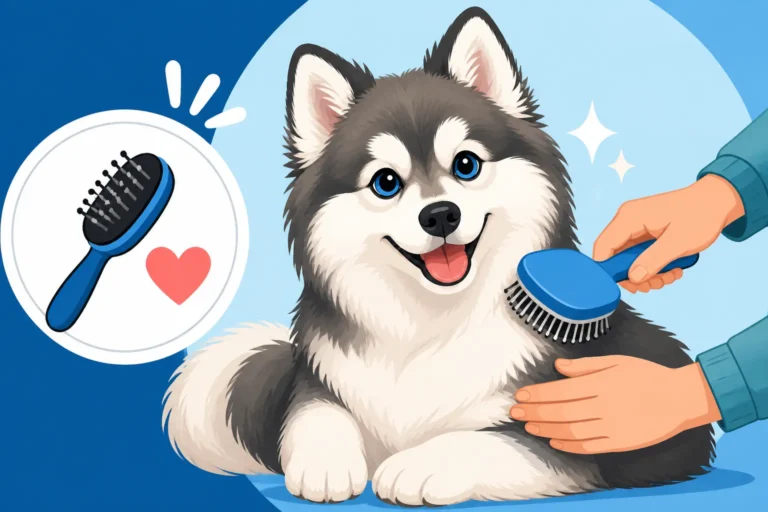
If you're a Pomsky owner, you know the struggle: that gorgeous, fluffy double coat is a blessing and a curse. While it’s absolutely stunning, keeping it mat-free and managing the shedding, especially during their infamous "blowout" seasons, can feel like a wrestling match. Teaching your lively Pomsky to calmly lie down for a deshedding session isn't just about aesthetics; it's crucial for their skin health and your sanity, transforming a dreaded chore into a manageable routine.
Understanding the Pomsky's Grooming Challenges
Let’s be real, a Pomsky isn't your average wash-and-wear dog. They come with a magnificent coat that requires significant attention, and if not handled correctly, grooming can quickly become a source of stress for both of you.
The Double Coat Dilemma
Your Pomsky inherited their luxurious, dense double coat from both the Siberian Husky and the Pomeranian. This isn't just fluff; it's a finely tuned insulation system designed to protect them from the elements. The outer layer consists of longer, coarser guard hairs that repel water and dirt, while underneath lies a soft, thick undercoat that provides warmth and insulation. This combination means serious shedding, especially during seasonal changes when they "blow" their coat. During these times, it feels like they’re shedding enough fur to make another Pomsky!
The problem with this dense undercoat is that if it's not regularly and thoroughly deshedded, it can easily become matted, trapping moisture and debris against their skin. This can lead to skin irritation, hot spots, and other dermatological issues that are painful for your pup and costly to treat. Regular deshedding isn't just about keeping your house clean; it’s a vital part of their health and hygiene. For a deep dive into their furry requirements, you might want to read The Pomsky That Carries a Husky Coat at Twenty Pounds.
Why They Resist Grooming
Many Pomskies aren't exactly thrilled about grooming time, and there are several very valid reasons why. Firstly, their independent and sometimes stubborn nature, inherited from the Husky, means they might simply not want to cooperate. They have better things to do, like exploring or playing! Secondly, if early grooming experiences were negative, they might have developed a strong aversion. Perhaps an impatient owner pulled too hard with a brush, or a quick trim felt scary.
Beyond that, the sheer discomfort of having dense undercoat pulled or experiencing the blast of a force dryer can be genuinely unpleasant if they haven't been properly introduced to it. Imagine someone trying to detangle your hair while you're standing up and feeling unsteady; it’s no fun. Their smaller size, combined with that powerful will, can make it incredibly difficult to hold them still, let alone get them to relax and lie down. This resistance is perfectly normal, but it's something we need to work through with patience and positive reinforcement. If your Pomsky really fights being groomed, you're not alone; many owners find themselves asking whether a Pomsky fights being brushed.
Essential Preparations for a Smooth Session
Before you even think about teaching a "lie down" command specifically for grooming, you need to set the stage for success. Think of it like preparing for a big project; you wouldn't just dive in without gathering your tools and clearing your workspace, right?
Creating the Right Environment
The environment plays a huge role in your Pomsky's comfort level. Start by choosing a quiet, familiar space where distractions are minimal. This might be a laundry room, a bathroom, or even a specific corner of your living room. The key is consistency. Always groom in the same spot so your Pomsky associates that location with grooming time.
Next, ensure the surface is non-slip. A rubber mat, a bath mat, or even a yoga mat can provide much-needed stability, preventing slips that could make your dog anxious or cause injury. Remember, they're already a bit wary, so feeling unsteady will only heighten their concerns. Make sure the lighting is good so you can clearly see what you're doing, and keep the area clear of anything that might tempt your Pomsky to jump up or get distracted. Think calm, safe, and predictable.
The Right Tools Matter
Having the correct tools makes a world of difference. Trying to deshed a Pomsky with just a basic slicker brush is like trying to empty a swimming pool with a teaspoon – ineffective and frustrating for everyone. You'll need an array of grooming tools specifically designed for double coats. Here's a quick rundown:
| Tool Type | Purpose | Key Feature |
|---|---|---|
| Undercoat Rake | Removes loose undercoat without damaging guard hairs | Long, blunt teeth that reach deep into the coat |
| Slicker Brush | Smooths guard hairs, removes surface mats | Fine, wire bristles close together |
| Comb | Checks for tangles, finishes coat | Wide-toothed and narrow-toothed sections |
| Force Dryer | Blasts out loose undercoat, reduces drying time | Powerful, concentrated airflow (no heat) |
An undercoat rake is an absolute lifesaver for tackling the dense fluff that accumulates. When a Pomsky is "blowing" their coat, a good quality rake is non-negotiable. Many owners also find a force dryer (sometimes called a high-velocity dryer) indispensable. These dryers, often found on Amazon, don't use heat but powerful air to push out loose hair. They dramatically cut down on deshedding time and can actually make the process more enjoyable for your dog once they're accustomed to it. For more on the specifics of what to use, check out The Undercoat Rake a Pomsky Owner Lives With.
Mental and Physical Readiness
Before any grooming session, make sure your Pomsky has had ample exercise. A tired dog is generally a more cooperative dog. Take them for a long walk, play an energetic game of fetch, or engage in some vigorous mental stimulation. A Pomsky needs significant physical activity every day, and a good run before a grooming session can drain some of that boundless energy and make them more amenable to lying still. You can find more about their daily needs in The Exercise a Pomsky Needs Every Day.
Beyond physical exertion, aim to make grooming a positive experience from the very beginning. Associate it with high-value treats and praise. Start with very short sessions, even just a minute or two of light brushing, and gradually increase the duration as your Pomsky becomes more comfortable. The goal is for them to see grooming as a time when good things happen, not something to be endured. This positive association will be the foundation for teaching them to lie down calmly.
Step-by-Step: Teaching the "Lie Down" for Grooming
Now that you've got your environment and tools ready, and your Pomsky is tired and happy, it's time to work on the actual "lie down" command within a grooming context. This isn't just about getting them to drop; it's about holding that position, even when brushes are involved.
Building a Solid "Down" Command
First things first, ensure your Pomsky has a rock-solid "down" command in a non-grooming setting. If they don't, start there. Use positive reinforcement: hold a treat to their nose, lure their head down and back towards their chest, which will naturally cause their rear to go down. As they lie down, immediately say "Down" (or "Lie Down") and reward them lavishly with praise and a high-value treat. Repeat this many times in short, engaging sessions. Consistency is key here.
Once they reliably lie down, start asking for a bit of duration. Ask them to "down," then wait a second before releasing them with a cheerful "Okay!" and a treat. Gradually extend this duration to a few seconds, then ten, then twenty, always rewarding for success. If they break position, simply reset and try again with a shorter duration. Remember, Short Sessions Suit a Pomsky and will keep them engaged. If you're looking for structured online training, resources like BAXTER & Bella offer comprehensive programs that can guide you through these foundational commands.
Introducing the Grooming Context
With a reliable "down" in place, it's time to slowly introduce grooming elements. Start by having your Pomsky lie down in their designated grooming spot. Give them a high-value chew or a lick mat to keep them occupied and associate the spot with something enjoyable. While they're happily chewing, gently touch them with a brush for just a second or two, then remove it. Reward heavily for their calm acceptance.
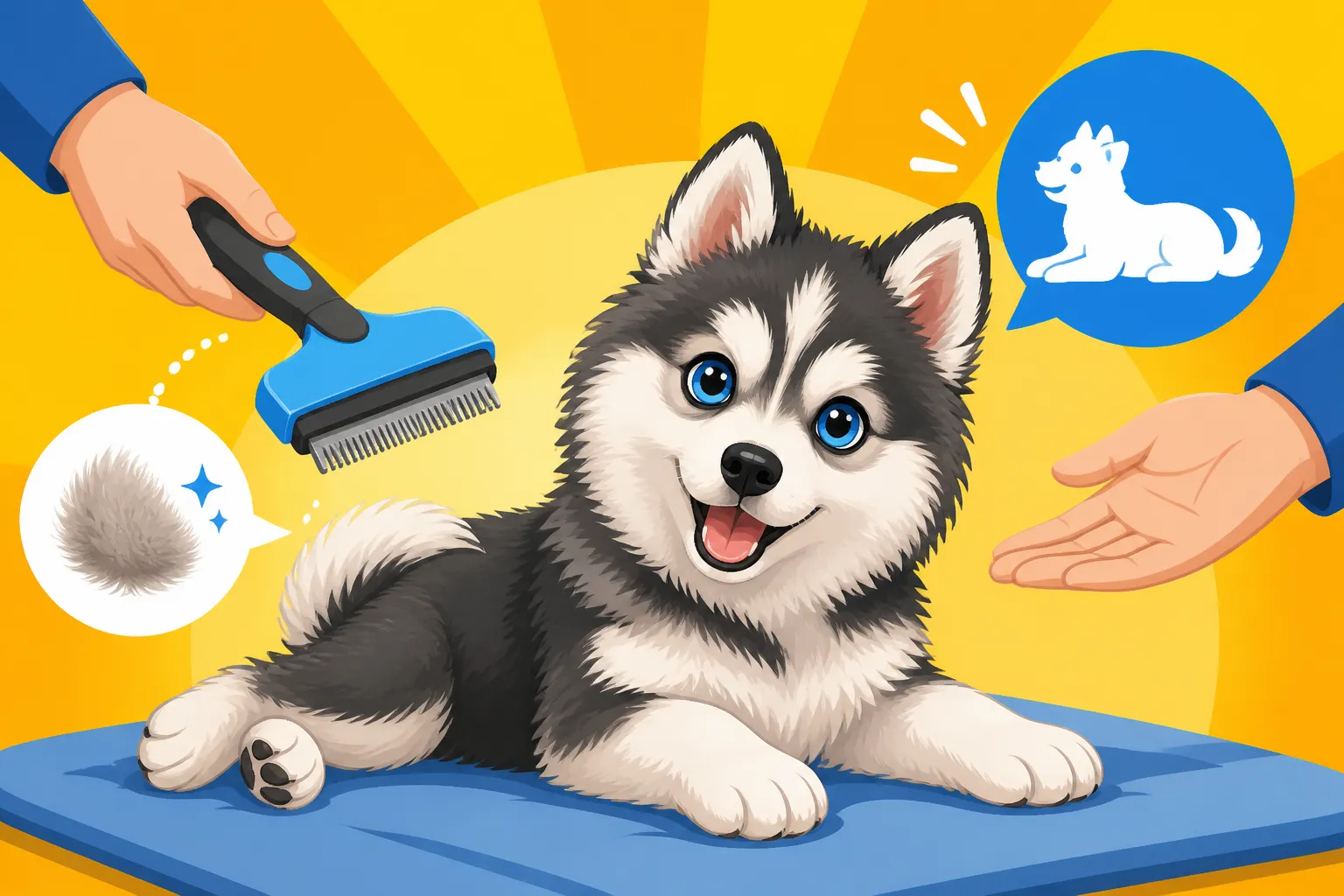
The next step is to actually do one or two strokes with an undercoat rake or slicker brush while they are lying down and occupied. Don't go for a full deshedding session yet! Just a quick stroke, then praise and treat. Slowly build up the duration and intensity. Perhaps one session you focus on one side, the next on the other. Always watch your Pomsky for signs of stress or discomfort. If they try to get up, calmly redirect them back into the "down" position, even if it means pausing the grooming and waiting for them to settle before continuing. Remember that for a Pomsky, every step is a small victory, and consistency is vital for long-term success.
Extending Duration and Reinforcement
Once your Pomsky tolerates a few strokes while lying down, you can begin to extend the duration of the actual grooming. The goal is to perform a meaningful amount of deshedding while they remain in a relaxed "down" position. Continue to use a high-value chew or toy to keep them engaged, but also intersperse actual grooming with verbal praise and small, frequent treats. "Good down! Such a brave pup!" followed by a tiny piece of cheese can work wonders.
Work in increments. Start with five minutes of actual grooming, then release them for a break. As they become more comfortable, gradually increase to ten, fifteen, or even twenty minutes. If you're using a force dryer, which can be noisy and intense, introduce it very slowly. Start by just turning it on in another room, then in the same room, then directing the air away from them, always pairing it with treats. This gradual desensitization is crucial. You can learn more about this in Getting a Pomsky Used to a Force Dryer. Remember, the more relaxed and cooperative your Pomsky is, the more efficient and effective your deshedding sessions will be, benefiting both of you.
Troubleshooting and Advanced Tips
Even with the best intentions and techniques, teaching a Pomsky to lie still for deshedding can have its bumps. It's a journey, not a sprint, and there will be days when it feels like you're taking two steps back.
Dealing with Resistance and Fear
If your Pomsky absolutely refuses to lie down or becomes very agitated during grooming, don't force it. Forcing them will only reinforce their fear and make future sessions harder. Instead, take a step back and identify the trigger. Is it a specific tool? The sound of the dryer? The sensation of brushing a sensitive spot?
Break down the process into even smaller steps. Perhaps your Pomsky is fine with lying down, but not with being touched by the rake. In that case, simply practice lying down and being touched by your hand in the areas where the rake will go, rewarding generously. Then introduce the rake, not even touching them with it, but just letting them see and sniff it, followed by treats. Gradually, move to touching them with the blunt side of the rake, then a single gentle stroke. Patience is paramount. If you're wondering Whether a Pomsky Should Be Muzzled to Be Brushed, it's an option for safety in extreme cases, but always pair it with positive experiences to avoid compounding fear. Consider a visit to a professional groomer or a certified positive reinforcement trainer, who can offer tailored advice and hands-on guidance for your specific Pomsky. Sometimes, a fresh perspective and expert handling can make all the difference.
Consistency and Patience Are Key
This is where the rubber meets the road. Pomskies are intelligent and can learn quickly, but they are also masters of testing boundaries. Consistent, regular, short grooming sessions, even just daily five-minute brush-throughs, are far more effective than infrequent, hour-long battles. Integrate grooming into your daily routine, perhaps after their morning walk or before dinner. This consistency helps them understand what’s expected and normalize the experience.
Remember that progress isn't always linear. There will be days when your Pomsky is a superstar, and others when they act like they've never seen a brush before. Don't get discouraged. Celebrate the small wins, like a minute of calm cooperation, and don't dwell on the setbacks. Your calm, patient demeanor will rub off on your dog. Always end on a positive note, even if it means just one successful stroke, followed by praise and a jackpot treat. This leaves them with a good feeling about the experience, making them more receptive next time. If you're curious about their learning curve, you might find insight in What a Pomsky Learns in a Week.
When to Seek Professional Help
There are times when, despite your best efforts, your Pomsky’s resistance to grooming, particularly deshedding while lying down, is just too much to handle. This is absolutely nothing to be ashamed of. Sometimes, a professional groomer or a certified dog trainer who specializes in cooperative care can work wonders. They have techniques, tools, and experience that can help desensitize your Pomsky and build their confidence in a controlled, safe environment.
A professional groomer can also provide insights into specific coat needs and advise on techniques that might be more effective for your dog's individual coat type. If the fear or aggression is significant, a professional trainer can help address the underlying behavioral issues, turning fear into tolerance and even enjoyment. Don't underestimate the value of expert guidance; it can save you a lot of stress and ensure your Pomsky gets the essential care they need without trauma. Sometimes, asking Whether a Pomsky Needs a Professional Trainer is the smartest question an owner can ask.
Disclaimer
This article is for general informational purposes only and does not constitute professional advice. Laws, prices and regulations vary by location and change over time. Consult a qualified professional for guidance on your specific situation.