What Pomsky Owners Wish They Had Known
So many aspiring Pomsky owners dream of that adorable, miniature Husky face, a fluffy companion that will fit perfectly into their lives. What often gets overlooked, though, are the real-world realities and surprising challenges that come with this designer crossbreed. This guide dives deep into the honest truths about living with a Pomsky, sharing the crucial insights many owners wish they had known before bringing their furry friend home, helping you navigate potential pitfalls and truly prepare for your new family member.
The Reality of That "Miniature Husky" Dream
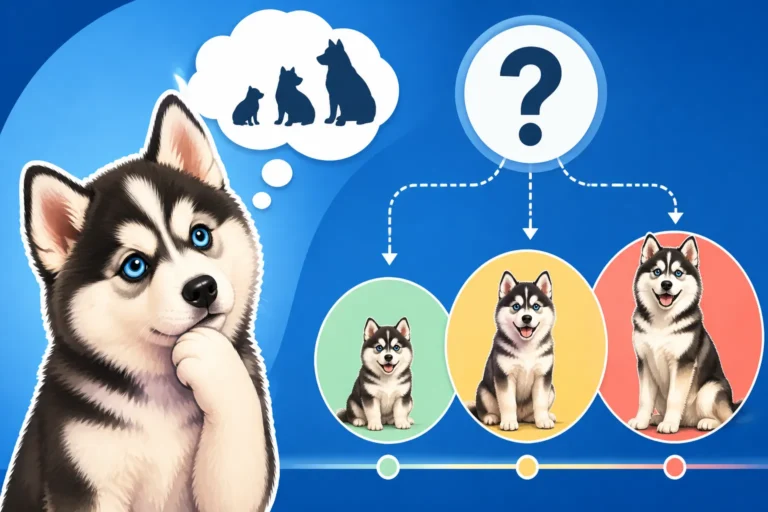
When you first see pictures of Pomskies, it's often the image of a perfectly scaled-down Siberian Husky that captures your heart. It’s easy to get swept up in the adorable looks and imagine a compact, well-behaved version of a majestic northern breed. However, the reality of Pomsky genetics means that what you see online, or even in puppy photos, might not be what you end up with as an adult. Many owners wish they had understood this unpredictable nature more thoroughly.
Size Surprises and Weighty Matters
One of the biggest eye-openers for new Pomsky owners is the sheer variability in size. While breeders aim for a certain range, genetics can be a wild card. You might bring home a tiny fluffball sold as a "toy" Pomsky, only to watch them blossom into a robust, mid-sized dog that tips the scales far beyond your expectations. It's not uncommon for a Pomsky puppy to quickly outgrow its projected weight, sometimes reaching 30-35 pounds or more, which can be a significant surprise for someone living in a small apartment or who specifically sought a tiny lap dog. This isn't a fault of the dog, but a consequence of the genetic lottery when mixing two breeds with such a vast size difference. It truly changes the dynamic, from how much food they need to the size of their bed and even their strength on a leash. For more on this, you might find our article What a Pomsky Actually Weighs insightful.
Unpredictable Looks and Coat Types
Beyond size, the appearance of a Pomsky can also be a significant point of revelation. While some might indeed inherit that striking Husky mask and piercing blue eyes, others can lean heavily towards their Pomeranian heritage, resulting in a dog that looks more like a fluffy, oversized Pom. You might see a litter where one puppy looks distinctly Husky and another is clearly more Pomeranian in features. This unpredictability extends to their coat as well. You might expect a sleek, dense Husky coat, but end up with a "wooly" coat that is much longer, softer, and prone to matting, requiring far more intensive grooming. Conversely, some Pomskies have a shorter, less dense coat. Understanding that your puppy’s eight-week fluff might not be its adult coat is key. There are really The Three Pomsky Coat Types to consider, and each comes with its own grooming demands.
Training a Highly Intelligent, Independent Dog
The internet often portrays Pomskies as effortlessly charming and intelligent, which they certainly are. However, that intelligence comes with a healthy dose of independence and a dash of stubbornness inherited from both sides of their lineage. Many owners wish they had been better prepared for the unique training challenges this combination presents. It's not always the straightforward, eager-to-please obedience that some first-time dog owners might envision.
The Myth of Easy Training
While Pomskies are indeed smart and can learn commands quickly, their intelligence often manifests as a desire to assess whether obeying a command is truly worth their effort. This isn't malice; it's just part of their independent spirit. Owners frequently discover that consistent, positive reinforcement with high-value treats is paramount, and even then, a Pomsky might decide that a squirrel in the distance is far more interesting than your "come" command. This selective hearing can be incredibly frustrating, especially for those used to breeds that live to please. It requires immense patience, creativity, and a willingness to make training a fun, engaging game rather than a strict drill.
The Great Escape Artist Mentality
If there's one trait that Pomsky owners universally wish they had understood better, it's their uncanny ability to escape. Both Huskies and Pomeranians possess an independent, adventurous streak, and the Pomsky often inherits this in spades. They are intelligent problem-solvers who can figure out latches, climb fences, and even dig under barriers with surprising speed and determination. A seemingly secure yard can become a puzzle to solve for a bored Pomsky. Many owners find themselves investing in taller fences, fence extensions, or even "coyote rollers" after their first heart-stopping escape. This isn't just a quirky habit; it's a serious safety concern. Having a The Pomsky Escape Artist in a Twenty Pound Body on your hands means constant vigilance and a proactive approach to security. This also impacts their off-leash reliability; even with the best training, a solid Recall on a Pomsky Bred From a Dog That Runs is a rare and hard-won victory.
The Never-Ending Saga of Shedding and Grooming
Those gorgeous, fluffy coats that drew so many people to Pomskies come with a significant asterisk: shedding. And not just a little shedding, but an almost unbelievable amount of hair that can blanket your home, clothes, and even your food. Many new owners vastly underestimate the grooming commitment required to keep these dogs healthy and comfortable, and their homes hair-free.
Seasonal Blowouts and Year-Round Fluff
Pomskies, like their Husky parents, have a dense double coat designed for cold climates. This means they "blow" their coat twice a year, typically in spring and fall, in a shedding event that can feel like a blizzard of fur. During these periods, you could quite literally fill a grocery bag with hair every few days. But here's the kicker: they also shed year-round, just at a slightly less intense rate. Owners often describe finding Pomsky glitter on everything, from their morning coffee to their work clothes. This constant battle against fur can be a shock for those accustomed to low-shedding breeds. You'll quickly learn the value of a good quality vacuum and sticky rollers.
Grooming Demands You Didn't See Coming
Beyond the shedding, the actual grooming required can be a revelation. That beautiful coat needs regular attention to prevent mats, especially for Pomskies with the wooly coat type. Daily brushing might become a necessity during shedding seasons, and at least a few times a week otherwise. Owners often invest in specialized tools like a sturdy The Undercoat Rake a Pomsky Owner Lives With and a high-velocity dryer to manage the dense undercoat. Professional grooming appointments, especially deshedding treatments, can become a regular expense. Many owners quickly realize that Why a Pomsky Must Never Be Shaved is a critical piece of information, as shaving can permanently damage their double coat and compromise their ability to regulate temperature. Learning to love grooming, or at least tolerate it, becomes a vital part of Pomsky ownership. I've found that having a dedicated grooming station with all my tools, often purchased from places like Chewy, makes the routine much smoother.
Vocalizations That Will Surprise (and Annoy) You
If you're looking for a quiet, demure companion, a Pomsky might not be the right fit. While every dog has its own personality, the Pomsky breed generally inherits a rich and varied vocal repertoire from both its Husky and Pomeranian ancestors. Many owners are genuinely surprised by the sheer volume and diversity of sounds their Pomsky produces, often wishing they had been forewarned about the constant "conversations."
Beyond Barking: The Husky Howl and Scream
One of the most charming yet challenging traits of many Pomskies is their propensity for "talking." This isn't just regular barking; it's a symphony of howls, yips, grumbles, and even screams. Many Pomskies inherit the classic Husky howl, a melodic (or sometimes mournful) sound that they use to communicate boredom, excitement, loneliness, or just because they feel like it. They might also pick up the Pomeranian's high-pitched yapping when excited or wary of strangers. For some, these vocalizations are adorable and endearing, but for others, especially those in apartments or with noise-sensitive neighbors, it can become a significant source of stress. It's a fundamental part of who they are, and trying to completely silence a vocal Pomsky is often an uphill battle. It's truly a case of Why a Pomsky Talks Instead of Barking.
Managing the Noise in Different Environments
Living with a vocal Pomsky requires proactive management, and owners often wish they had understood this need from the start. Training a "quiet" cue can help, but it often needs constant reinforcement. Engaging them physically and mentally can reduce some of the boredom-induced vocalizations. For those living in close quarters, like an apartment or townhouse, the noise factor can lead to neighbor complaints. It's not uncommon for owners to discover that their dog's vocal habits are a major reason Pomskies end up in rescue situations. While you can train and manage, you can't erase their inherent desire to communicate vocally. It's a trait that requires acceptance and strategic solutions, like soundproofing certain areas or providing ample chew toys to redirect their energy.
Exercise Needs: More Than Just a Pretty Face
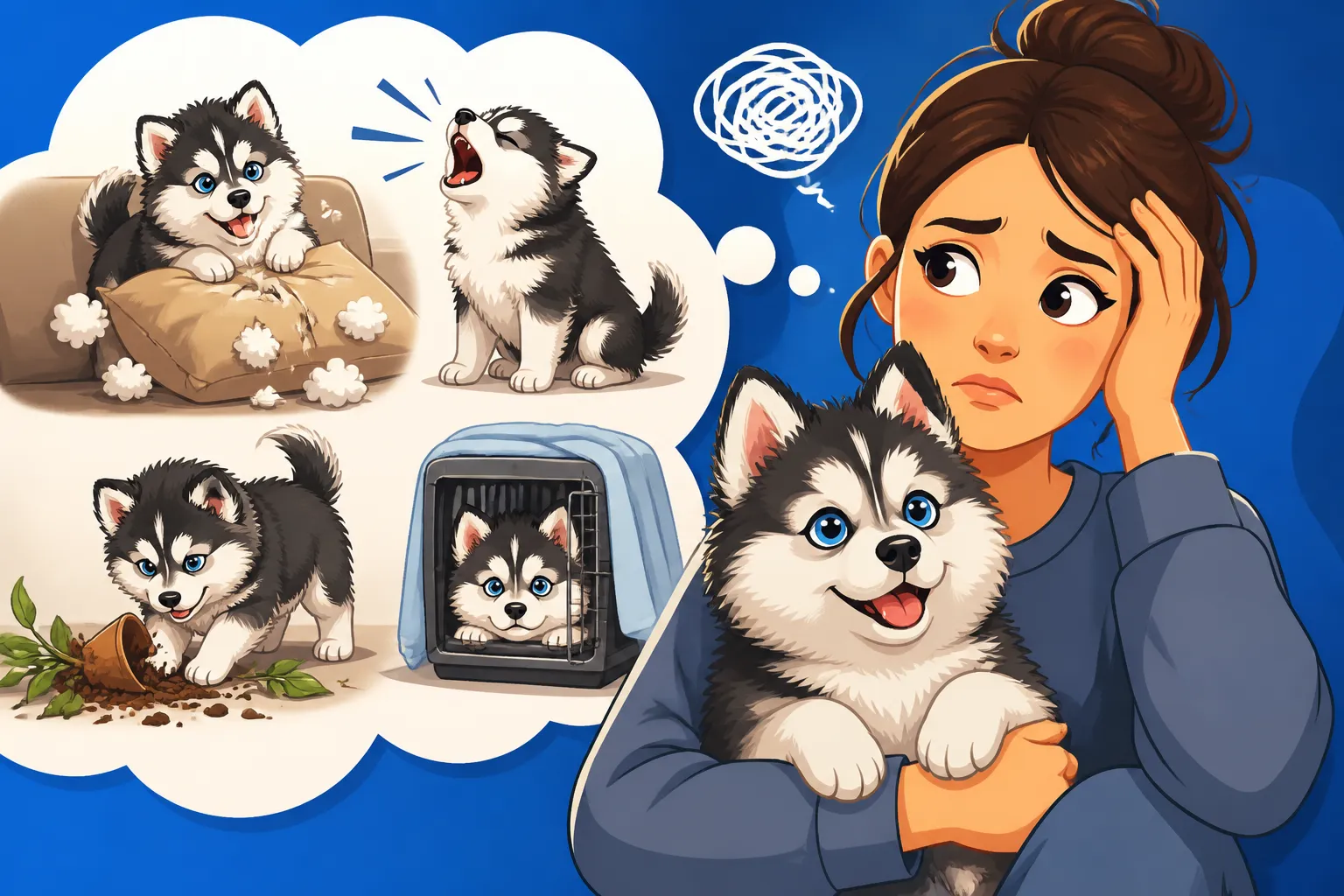
The adorable size of a Pomsky can sometimes lead new owners to believe they are a low-energy dog suitable for minimal activity. This couldn't be further from the truth. Both Huskies and Pomeranians are active, intelligent breeds, and the Pomsky blends these traits into a dog with significant energy levels that demand proper outlets. Many owners learn the hard way that a bored Pomsky is often a destructive Pomsky, and wish they had planned for this energy more effectively.
High Energy in a Small Package
Don't let their compact size fool you; Pomskies pack a lot of energy. They thrive on activity and stimulation. A quick walk around the block simply won't cut it. Many owners wish they had realized that their Pomsky would need at least an hour to two hours of dedicated exercise daily, often split into multiple sessions. This can include brisk walks, jogging, playing fetch in a securely fenced yard, or even dog sports like agility. Without adequate physical exertion, a Pomsky is likely to invent its own fun, which often involves chewing furniture, digging up the yard, or incessant vocalizations. This energy needs a consistent outlet, regardless of the weather, which can be a challenge for busy owners. Our article The Exercise a Pomsky Needs Every Day provides a deeper dive into this topic.
Mental Stimulation is Just as Important
Beyond physical exercise, Pomskies are also highly intelligent and need significant mental stimulation to prevent boredom and destructive behaviors. Owners often wish they had known how vital puzzle toys, training sessions, and interactive games would be. A tired Pomsky is often a well-behaved Pomsky, but a mentally stimulated Pomsky is even better. Engaging their minds with new tricks, scent work, or even just rotating their toys and offering new challenges can make a huge difference. Without this, their cleverness can be directed towards less desirable activities, like figuring out how to open the pantry or dismantling their bed. I often rely on Chewy for a variety of interactive toys and long-lasting chews to keep my Pomsky's mind busy when I can't actively play with her.
Health Considerations and the True Cost of Care
While Pomskies are a hybrid breed, which some believe confers "hybrid vigor," they are still susceptible to health issues inherited from both parent breeds. Many owners enter Pomsky ownership focused solely on the initial purchase price, and later wish they had thoroughly researched the potential health challenges and the ongoing financial commitment involved in their care.
Genetic Predispositions to Be Aware Of
Pomskies can inherit a range of conditions from Huskies and Pomeranians. This includes orthopedic issues like Slipping Kneecaps in a Pomsky (patellar luxation) or Hip Dysplasia in a Twenty Pound Pomsky, eye problems like The Eyes a Pomsky Gets From the Husky (including juvenile cataracts and progressive retinal atrophy), and even conditions like The Collapsing Trachea a Pomsky Gets From the Pomeranian or skin issues such as Zinc Responsive Dermatosis in a Pomsky and Alopecia X. Responsible breeders will health test their parent dogs, but even with testing, there are no guarantees. Owners often find themselves facing unexpected vet bills for diagnostics and treatments for these conditions, which can be financially straining. Understanding these predispositions upfront allows for proactive care and better financial planning.
Financial Commitments Beyond the Purchase Price
The initial cost of a Pomsky puppy is often substantial, but it's truly just the beginning. Owners commonly underestimate the ongoing financial commitment. This includes high-quality food, regular grooming supplies (or professional grooming), routine veterinary care, vaccinations, and parasite prevention. Then there are the potential emergency vet visits and treatments for any inherited health conditions. The cost of special diets, medications, or even surgery for issues like patellar luxation can quickly add up. Pet insurance is often a wise investment that many owners wish they had purchased earlier. Beyond the direct medical costs, there are training classes, durable toys (because they will destroy things), and proper containment solutions for those escape artists. It’s important to budget for the long haul, as What a Pomsky's Vet Bills Look Like can be quite substantial over their The Twelve to Fifteen Years a Pomsky Lives lifespan. Stocking up on essential supplies from a reputable online retailer like Chewy can help manage some of these recurring costs.
Expectations vs. Reality: A Quick Comparison
To help illustrate some of these common revelations, here's a table comparing common expectations with the frequently encountered realities of Pomsky ownership:
| Expectation (Pre-Pomsky) | Reality (Post-Pomsky) |
|---|---|
| A miniature Husky, consistent in size | Highly variable size, often larger than expected |
| Easy to train, eager to please | Intelligent but independent and stubborn, selective hearing is common |
| Moderate shedding like many breeds | Intense seasonal "blowouts" and significant year-round shedding |
| Occasional barking for attention | A wide range of vocalizations: howls, yips, grumbles, screams |
| Moderate exercise needs, good for small spaces | High energy and mental stimulation needs, requires consistent daily activity |
| Generally healthy due to hybrid vigor | Susceptible to conditions from both parent breeds (knees, eyes, trachea, skin) |
| Low grooming maintenance | Requires frequent brushing, deshedding, and potential professional grooming |
| Off-leash reliability after training | Strong prey drive and escape artist tendencies make off-leash risky |
Becoming a Pomsky owner is an incredibly rewarding experience, but it truly helps to go into it with open eyes and a realistic understanding of what these unique, wonderful dogs bring to your life. They are full of personality, intelligence, and love, but they also require a significant investment of time, patience, and resources. By understanding these common "wish I had known" moments, you can better prepare yourself and ensure a happy, fulfilling life with your Pomsky.
Disclaimer
This article is for general informational purposes only and does not constitute professional advice. Laws, prices and regulations vary by location and change over time. Consult a qualified professional for guidance on your specific situation.