Whether the Pomsky Was a Mistake
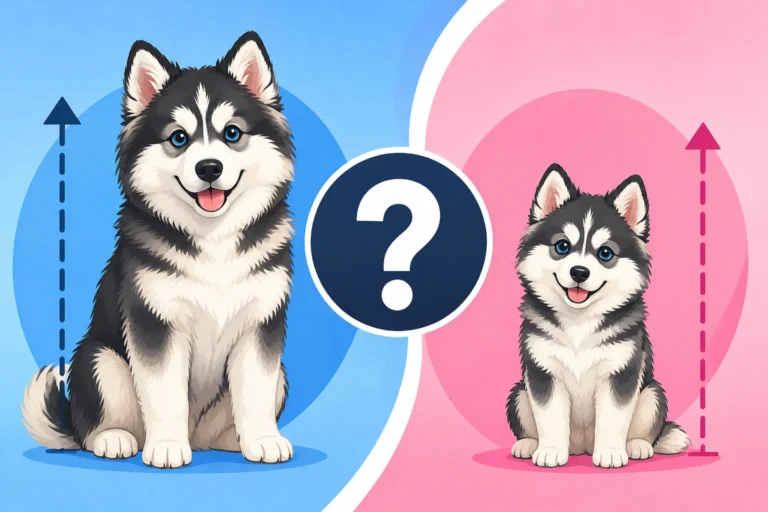
The Pomsky, with its captivating Husky-like features in a smaller, more manageable package, has captured the hearts and imaginations of countless dog lovers. Yet, as with any designer crossbreed that rises rapidly in popularity, there's a lingering question that often arises: was the creation of the Pomsky truly a good idea, or was it, in some fundamental ways, a mistake? This guide delves into the origins, controversies, and undeniable joys of this unique hybrid, offering a balanced perspective on its place in the canine world.
The Genesis of the Pomsky: Accidental Marvel or Calculated Creation?
The story of the Pomsky is far from traditional. Unlike established breeds with centuries of history and careful selection, the Pomsky's rise to fame happened almost overnight, propelled by the very thing that connects us all: the internet. Understanding its unconventional birth is crucial to grasping why some people view it with skepticism.
The Initial Spark: Online Virality and Misinformation
It all began with some incredibly adorable, often misleading, photos that went viral online around 2011. These images showcased what appeared to be tiny, fluffy Huskies, igniting a fervent desire in people for such a dog. The problem? Many of these initial viral images were actually of Finnish Lapphunds or even just very young Husky puppies, not actual Pomskies. People fell in love with a concept before the reality fully existed. This created an unprecedented demand for a dog that breeders then had to scramble to produce. It’s a fascinating look at how digital trends can shape the physical world, and you can learn more about this phenomenon in The 2011 Photos That Were Not Pomskies.
The Practicalities of Conception: Why Nature Couldn't Do It Alone
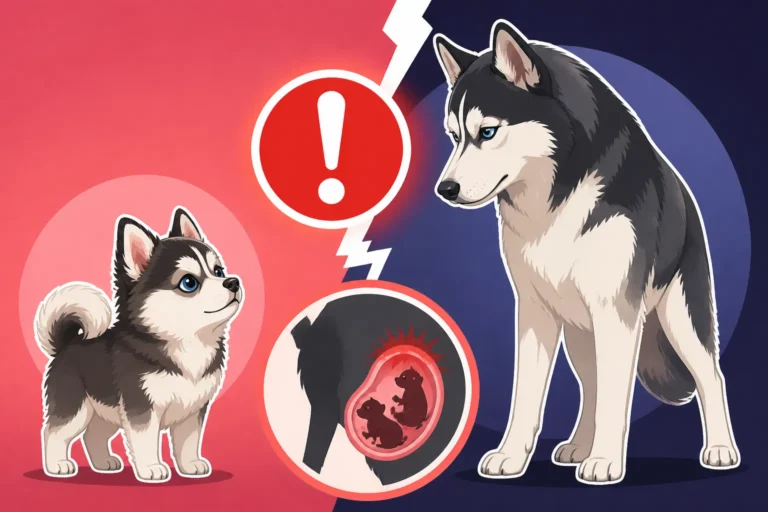
The sheer size difference between a male Pomeranian and a female Siberian Husky makes natural breeding between the two breeds incredibly difficult, if not impossible, and certainly unsafe. Imagine the risks involved! For the safety of the dam, the mother in a Pomsky breeding must always be the larger Siberian Husky. To achieve conception, artificial insemination is almost always required. This isn't a simple process; it involves careful timing of the female's cycle, collection of semen from the male, and then inseminating the female, often under veterinary supervision. This complex, and often costly, process highlights a deliberate intervention in nature that many traditional breeders find concerning, raising questions about whether such efforts are truly in the best interest of the animals. For a deeper dive into these methods, check out Why a Pomsky Can Only Be Made One Way.
Breeder Intent: Meeting Demand vs. Ethical Breeding
When demand for a specific look or "designer dog" explodes, it can attract a wide spectrum of breeders. On one end, you have highly responsible individuals dedicated to health testing, temperament assessment, and producing well-socialized puppies. Their intent is to create healthy companions, albeit ones that meet a specific aesthetic desire. They understand Whether the Pomsky Raised Welfare Questions and strive to answer them responsibly. They invest heavily in health screenings for both parent breeds, aiming to reduce the risk of passing on genetic conditions like hip dysplasia from the Husky side or patellar luxation from the Pomeranian side.
However, the immense demand also attracts those less scrupulous, often driven solely by profit. These individuals may cut corners, skipping vital health tests, breeding incompatible parents, or housing dogs in poor conditions. Their primary intent isn't the welfare of the puppies or the breed's future, but rather to capitalize on the high prices Pomskies can command. This dichotomy in breeder intent is a significant part of the "mistake" debate, as it directly impacts the health and temperament of the dogs produced and the reputation of the crossbreed as a whole.
Unpacking the "Mistake" Argument: Challenges and Criticisms
The primary arguments for the Pomsky being a "mistake" largely stem from concerns about health predictability, temperament consistency, and the potential for irresponsible breeding practices that arose with its sudden popularity.
Health Concerns: The Unpredictable Genetic Lottery
One of the biggest concerns with any crossbreed, especially a first-generation (F1) cross, is the unpredictable nature of genetics. While proponents of crossbreeding often tout "hybrid vigor," suggesting that mixed breeds are inherently healthier due to a wider gene pool, the reality for a Pomsky isn't always that simple. They inherit genetic predispositions from both parent breeds. This means a Pomsky could potentially inherit health issues common in Huskies, such as certain eye conditions like juvenile cataracts or The Eyes a Pomsky Gets From the Husky, alongside issues prevalent in Pomeranians, like luxating patellas (Slipping Kneecaps in a Pomsky) or even a collapsing trachea.
It's not a guarantee that they'll avoid the problems of both; rather, they have the potential to inherit either or both. This unpredictability means that future owners can't always rely on a clear picture of what health challenges their dog might face, unlike with well-established purebreds where genetic screening programs have been in place for generations. Owners need to be prepared for The Two Opposite Disease Lists a Pomsky Inherits and understand that a solid health guarantee from a reputable breeder is paramount.
Temperament and Behavioral Surprises
Just like physical traits, a Pomsky's temperament is a genetic toss-up. Owners hope for the playful, intelligent nature of a Husky combined with the spirited, affectionate personality of a Pomeranian. And many get exactly that! However, others might find themselves with a dog that possesses the high energy and stubborn independence of a Husky, coupled with the alert barking and occasional aloofness of a Pomeranian. They might also inherit the Husky's notorious escape artist tendencies or strong prey drive.
This variability can lead to significant challenges for owners who might have been expecting a miniature Husky and instead get a dog with very different behavioral needs. It's not uncommon for a Pomsky to surprise its owners with traits that require more dedicated training or different living situations than anticipated. For example, a Pomsky might take to digging like a Husky, or exhibit a strong vocal nature that combines the Husky's howl with the Pomeranian's alert bark. Understanding What a Pomsky Actually Weighs isn't enough; you also need to prepare for the personality lottery.
The Reality of Ownership vs. the Dream
The initial internet images of "mini Huskies" created a powerful, often unrealistic, dream for many prospective owners. The reality of owning a Pomsky can sometimes diverge sharply from this idealized image. People might imagine a small, quiet dog that's easy to handle and sheds minimally. What they often get is a highly intelligent, energetic dog that requires significant mental and physical stimulation, sheds a lot (especially during coat blows), and can be quite vocal.
This mismatch between expectation and reality is a common reason why some Pomskies end up in rescues or rehomed. Owners who weren't prepared for the exercise needs, the grooming demands, or the training challenges often find themselves overwhelmed. The thought that a dog the size of a Pomsky might have the energy levels of a large working breed can be a shock, and if that energy isn't channeled appropriately, it can lead to destructive behaviors. This is part of What Nobody Warns a Pomsky Buyer About.
The Other Side of the Coin: Why Many Believe the Pomsky Was Not a Mistake
Despite the criticisms and challenges, countless Pomsky owners and ethical breeders firmly believe that this crossbreed was anything but a mistake. For them, the Pomsky represents a fantastic companion animal that brings immense joy and fills a unique niche.
Joy and Companionship: The Heart of the Matter
At the core of the Pomsky's appeal is the sheer delight and companionship they offer. Many owners report their Pomskies to be incredibly affectionate, intelligent, and playful dogs that bring endless laughter and love into their homes. They can be wonderfully outgoing, forming strong bonds with their families and often doing well with children and other pets, provided they are properly socialized from a young age.
For those who adore the stunning looks of a Siberian Husky but lack the space, lifestyle, or capacity for a large, high-energy dog, the Pomsky offers a compelling alternative. It's The Pomsky the Internet Ordered Before It Existed, but delivered in a size that fits more households. The desire for a smaller version of a beloved breed isn't inherently wrong; it's a reflection of changing living situations and preferences. The joy a Pomsky brings to its family is a powerful counter-argument to any notion of it being a mistake.
Advancements in Responsible Breeding Practices
While the initial boom attracted some questionable breeding practices, the emergence of dedicated, ethical Pomsky breeders has significantly improved the quality and predictability of the crossbreed. Organizations like the International Pomsky Association (IPA) have been established to set standards, encourage health testing, and guide breeders toward responsible practices. The International Pomsky Association and What It Sets plays a crucial role in pushing for better welfare.
Responsible breeders meticulously health test their parent dogs, aiming to minimize the risk of passing on genetic diseases. They also focus on temperament, carefully selecting breeding pairs to produce puppies with desirable traits. They prioritize early socialization, proper nutrition (easily sourced from places like Chewy, with various high-quality kibbles and treats for all life stages), and thorough vetting of prospective owners to ensure their puppies go to suitable homes. This commitment helps to mitigate many of the "mistake" arguments by demonstrating that a thoughtfully bred Pomsky can be a healthy, well-adjusted companion.
A Unique Niche: What the Pomsky Offers
The Pomsky occupies a truly unique niche in the dog world. It's not just a smaller Husky; it often brings a blend of traits that are distinct. They are often less demanding of exercise than a purebred Husky but still energetic enough for active individuals. They can be more adaptable to apartment living than their larger parent, yet still possess that captivating, intelligent gaze.
For many, the Pomsky offers the best of both worlds: the striking aesthetics and engaging personality of the Arctic breeds, scaled down to a more manageable size. They are often described as having "big dog personalities in little dog bodies," which is a perfect fit for a segment of the pet-owning population. When compared to similar breeds like the Alaskan Klee Kai, Pomskies often present a different combination of traits and an alternative option for those seeking a specific look and temperament. Learn more about this comparison in The Pomsky Against the Alaskan Klee Kai.
Moving Forward: Ensuring a Positive Future for the Pomsky
Whether the Pomsky was a "mistake" largely depends on perspective, but what's clear is that they are here to stay. The focus now must be on ensuring their future is positive, healthy, and responsible. This involves a collaborative effort from breeders, owners, and the broader canine community.
The Role of Buyer Education
Perhaps the most critical step in securing a positive future for the Pomsky is robust buyer education. Prospective owners need to move beyond the viral images and understand the true characteristics, needs, and potential challenges of the crossbreed. This means researching both parent breeds thoroughly, asking ethical breeders tough questions about health testing and temperament, and being honest about their own lifestyle and capacity for a Pomsky's energy and grooming demands.
Understanding that an F1 Pomsky can have a wide range of sizes and temperaments, and that later generations (F2, F3) may offer more predictability, is vital. For example, whether an F1 Pomsky is not the one breeders want is an important piece of information for potential owners. Reputable breeders will often provide extensive information packets, health records, and support, and resources like Chewy's vast library of pet care articles can further aid in this education. Knowledgeable buyers are less likely to be disappointed and more likely to provide a loving, appropriate home.
Supporting Ethical Breeders
The continued success and positive reputation of the Pomsky rest squarely on the shoulders of ethical breeders. Supporting these individuals—who prioritize health, temperament, and welfare over profit—is paramount. This means choosing breeders who:
- Health Test: Thoroughly screen both parent dogs for genetic conditions common to Huskies and Pomeranians.
- Provide Transparency: Are open about their breeding practices, facilities, and the health history of their lines.
- Offer Guarantees: Provide health guarantees and lifetime support for their puppies.
- Screen Buyers: Interview prospective owners to ensure a good match for their puppies.
- Focus on Temperament: Actively work to produce well-socialized, even-tempered puppies.
By choosing to purchase from such breeders, buyers not only get a better chance at a healthy, well-adjusted puppy but also contribute to the elevation of ethical standards within the Pomsky community.
The Evolving Standards and Community
As the Pomsky gains more recognition and interest, its community continues to evolve. Discussions around establishing breed standards, improving genetic health, and sharing best practices are ongoing. This collective effort to refine and stabilize the crossbreed is a testament to the dedication of many involved. The goal isn't to make the Pomsky a recognized purebred overnight, but to ensure that the puppies being produced are healthy, predictable, and suitable companions for their human families.
The shift from a novelty "designer dog" to a more established, albeit still hybrid, companion animal relies on this continuous improvement. Whether the Pomsky Is Still Fashionable becomes less relevant than its inherent qualities and the care taken in its breeding. As more generations are bred thoughtfully, the health and temperament can become more consistent, addressing many of the initial "mistake" concerns and solidifying the Pomsky's place as a beloved, unique companion.
| Aspect | "Mistake" Argument Perspective | "Not a Mistake" Argument Perspective |
|---|---|---|
| Origin Story | Driven by viral misinformation and commercial demand. | Responded to a genuine desire for a specific type of dog. |
| Breeding Process | Unnatural, requires artificial intervention; can attract unethical breeders. | Ethical breeders use necessary techniques to safely create desired traits. |
| Health Predictability | Inherits potential issues from two disparate breeds, unpredictable. | Hybrid vigor can reduce incidence of specific purebred diseases; responsible health testing mitigates risks. |
| Temperament Consistency | Highly variable, can result in unexpected or challenging traits. | Unique blend of desirable traits; proper socialization and training yield great companions. |
| Owner Expectations | Often leads to disappointment due to unrealistic expectations. | Owners who research are prepared for the reality and find great joy. |
| Overall Impact | Contributes to irresponsible breeding trends and pet overpopulation. | Creates a unique, cherished companion for many suitable homes. |
Disclaimer
This article is for general informational purposes only and does not constitute professional advice. Laws, prices and regulations vary by location and change over time. Consult a qualified professional for guidance on your specific situation.