The Pomsky the Internet Ordered Before It Existed
The dream of a mini Husky, with those striking blue eyes and a fluffy coat, was a potent one, simmering online for years before a single actual Pomsky puppy ever existed. Many of us fell for those adorable photos of what looked like tiny Huskies, only to later learn they were often other breeds entirely. This guide will walk you through the fascinating journey of how internet fantasy birthed a real-life breed, exploring its unique characteristics, care needs, and what it truly means to bring one of these sought-after dogs into your home.
The Digital Dream: When the Internet Demanded a Miniature Husky
Before the Pomsky was a tangible breed, it was a viral sensation, a collective wish-fulfillment fantasy propagated by the internet. People saw pictures of undeniably adorable, small dogs with unmistakably Husky-like features, and a resounding "I want one!" echoed across social media platforms. This wasn't just a casual interest; it was a fervent demand for a dog that, at the time, simply didn't exist.
The Viral Sensation and Misleading Images
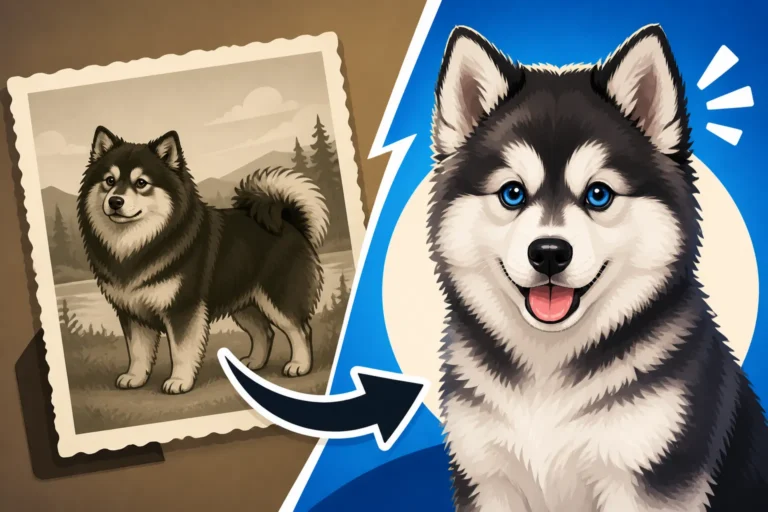
It all started with those captivating photos. Imagine scrolling through your feed and encountering an impossibly cute dog, looking like a Husky puppy that somehow forgot to grow up. The eyes were piercing blue, the coat thick and plush, and the size perfect for city living or lap cuddles. The problem? Many of these early viral images weren't actually Pomskies. They were often Finnish Lapphund puppies, Alaskan Klee Kai, or even cleverly photoshopped pictures. These breeds, while charming in their own right, weren't the "mini Husky" people were imagining. Yet, the seed was planted. The visual appeal was so strong that the distinction often didn't matter; people saw what they wanted to see, and they wanted a smaller version of the majestic Siberian Husky.
This period was a whirlwind of excitement and misinformation. People shared these images thousands of times, asking, "What breed is this?" and invariably, the answer that stuck was "Pomsky." The name itself, a portmanteau of Pomeranian and Husky, felt so right, so perfectly descriptive of the desired outcome. It created an illusion of an existing breed, even when the reality was still years away. The public was primed, ready to open their homes and wallets for this internet-created ideal.
The "What If" That Became "How Do We Make It?"
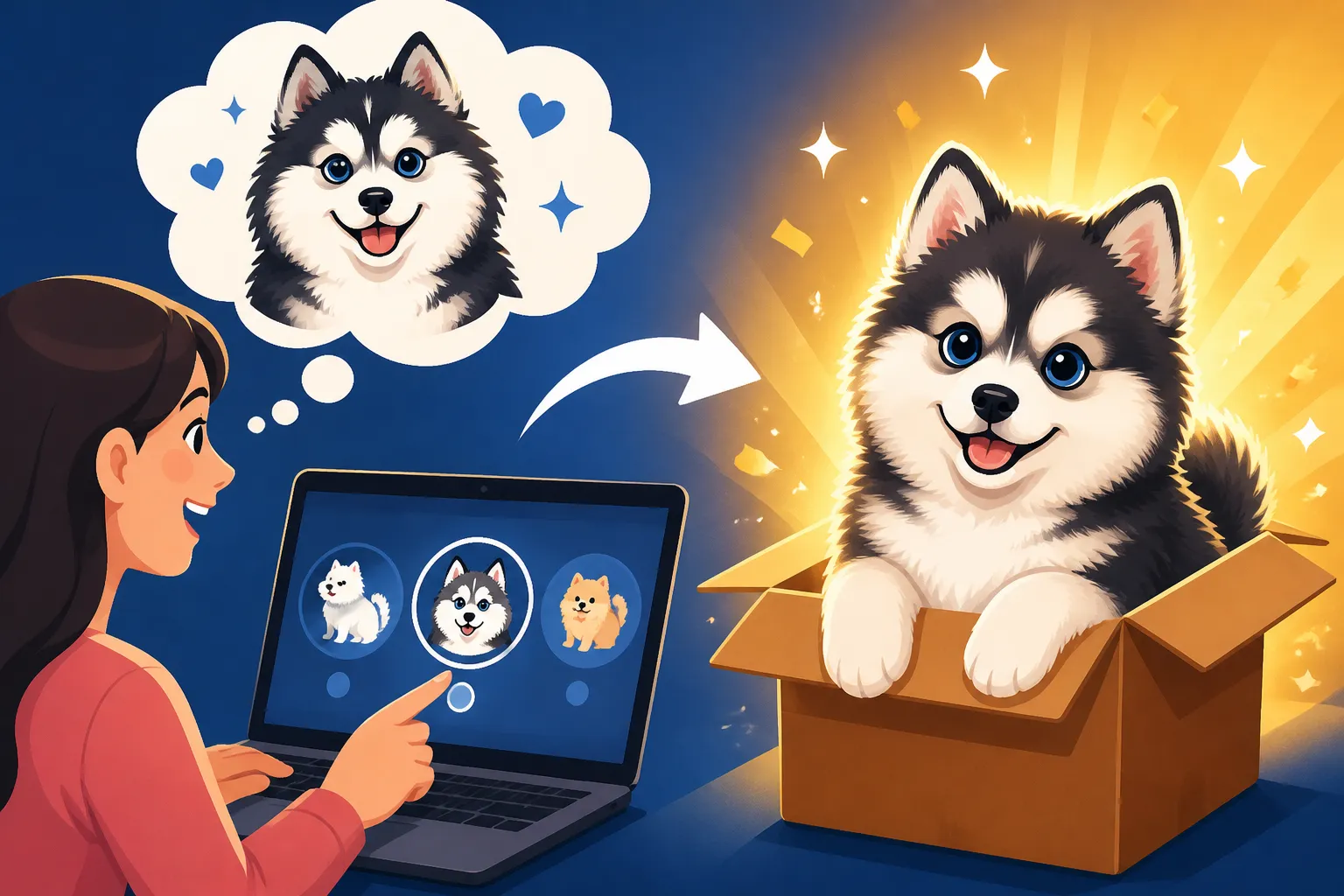
The intense online interest quickly shifted from admiring hypothetical dogs to actively seeking out ways to make them real. The question moved from "What if there was a mini Husky?" to "How do we create one?" This surge in demand put immense pressure on dog breeders, both ethical and less scrupulous, to try and produce what the internet was clamoring for. Breeders, recognizing a significant market, began exploring the challenging prospect of crossing a Siberian Husky with a Pomeranian. It was an ambitious endeavor, fraught with genetic and physical complexities, primarily due to the vast size difference between the two parent breeds.
This wasn't like crossing two similarly sized breeds; it required careful consideration and, as it turned out, specific veterinary intervention. The public's desire was so strong that it spurred actual breeding programs into existence, transforming a digital fantasy into a breeding goal. People were willing to pay significant deposits, join long waitlists, and travel far for the chance to own one of these novel dogs. The internet, in essence, hadn't just predicted a trend; it had created a new breed category through sheer collective will and viral imagery.
The Unintended Consequences of Online Popularity
While the internet gave birth to the Pomsky's popularity, it also brought a wave of challenges and ethical considerations. The rapid rise in demand inevitably led to a proliferation of less reputable breeders looking to capitalize on the craze. Puppy mills and backyard breeders, often with little regard for health testing or responsible breeding practices, jumped on the bandwagon, sometimes selling dogs that weren't even true Pomsky mixes. This meant that many early adopters, swept up in the excitement, ended up with dogs that were not what they expected in terms of size, temperament, or health.
Furthermore, the focus on specific "looks" – particularly the striking blue eyes and miniature Husky appearance – sometimes overshadowed critical aspects like health and temperament. Buyers, often driven by aesthetics, might have overlooked the inherent needs and potential challenges of a dog bred from two such distinct working and companion breeds. The ease of sharing photos online also meant that exaggerated or unrepresentative images continued to circulate, perpetuating unrealistic expectations for what a Pomsky would actually look like as an adult.
From Concept to Canine: The First Real Pomskies Emerge
The journey from a popular internet concept to a physically present canine was a complex and often challenging one. It required dedicated breeders to navigate significant biological hurdles and employ specialized techniques to bring the Pomsky into existence. This wasn't a breed that could simply happen by chance.
The Reality of Breeding Two Different Sizes
The most significant hurdle in creating the Pomsky was the stark size difference between its parent breeds: the Siberian Husky and the Pomeranian. A female Siberian Husky can weigh anywhere from 35 to 60 pounds, while a Pomeranian typically ranges from a tiny 3 to 7 pounds. Breeding such disparate sizes naturally is not only extremely difficult but also incredibly dangerous for both the female parent and the puppies. If a small Pomeranian female were to carry Husky-sized puppies, the risk of severe complications, including fatal delivery issues, would be astronomically high.
Therefore, responsible Pomsky breeding dictates that the female parent must always be the larger Siberian Husky. This ensures that the dam is physically capable of carrying and delivering a litter without endangering her life or the lives of her puppies. Even with a Husky dam, the breeding process is far from straightforward, requiring careful planning and veterinary oversight to ensure the health and safety of all involved. The goal is to safely combine the genetic traits, not to put animals at undue risk simply to fulfill a human desire for a specific aesthetic. This critical understanding often surprises those new to the breed, who might not realize the biological intricacies involved in its creation. Why a Pomsky Cannot Be Bred Naturally
The Pioneer Breeders and Their Intentions
Despite the challenges, a small group of pioneer breeders took on the task of creating the Pomsky responsibly. Their intention was to develop a companion dog that combined the striking looks and playful energy of the Husky with the compact size and charming personality of the Pomeranian, while prioritizing health and good temperament. These weren't just individuals hoping to make a quick buck from internet hype; many were passionate about canine genetics and committed to ethical breeding practices. They understood the risks and invested heavily in veterinary science, genetic testing, and careful selection of parent dogs to minimize potential health issues.
These early breeders often worked together, sharing knowledge and best practices to establish a foundation for the emerging breed. They focused on selecting parent Huskies and Pomeranians with excellent health clearances, stable temperaments, and desirable physical traits. Their efforts went far beyond simply mating two dogs; it involved meticulous record-keeping, health screening, and a deep understanding of both parent breeds' genetic predispositions. This foundational work was crucial in setting a standard for what a well-bred Pomsky could and should be, aiming to mitigate the risks associated with such a novel crossbreed.
The Role of Artificial Insemination
Given the significant size disparity between a Siberian Husky and a Pomeranian, natural mating is rarely, if ever, a safe or viable option. This is where artificial insemination (AI) becomes not just a preference, but a necessity in Pomsky breeding. AI allows for the controlled introduction of semen from the Pomeranian sire into the Husky dam, circumventing the physical dangers and practical impossibilities of natural breeding. This technique minimizes stress and risk for both parents and is performed under veterinary supervision.
The process of artificial insemination is a precise one, often involving progesterone testing to pinpoint the optimal time for insemination to maximize the chances of conception. This level of medical intervention adds considerably to the cost and complexity of breeding Pomskies, reflecting in their initial purchase price. It underscores that this is not a breed that can be "accidentally" created or bred casually by backyard operations without veterinary support. The reliance on AI is a testament to the dedication required by responsible breeders to bring this unique crossbreed into the world ethically and safely, contrasting sharply with the notion of a simple, natural pairing.
Defining the Pomsky: Early Standards and Associations
As the Pomsky began to move from an online dream to a tangible reality, the need for some form of structure and definition quickly became apparent. Without it, the breed risked becoming an unregulated free-for-all, with little consistency in health, temperament, or appearance. Early associations emerged, driven by a desire to bring order and ethical guidelines to this burgeoning crossbreed.
The Need for Structure in a New Breed
In the wild west of nascent crossbreeds, the lack of established standards can lead to chaos. Without guidelines, breeders operate independently, often prioritizing quantity over quality, which can result in unhealthy or temperamentally unsound dogs. For the Pomsky, this was a particularly acute concern given the distinct characteristics of its parent breeds. You could end up with a dog too large for the "mini" expectation, too aggressive, or riddled with genetic health issues if careful consideration wasn't given to breeding practices. Early on, it was clear that if the Pomsky was to be more than just a fleeting trend, it needed a framework.
This structure involved establishing best practices for breeding, health testing protocols, and eventually, even creating a semblance of a "breed standard" to guide what a Pomsky should ideally look and act like. Without such guidance, the variability within the "breed" would be so wide that it would be impossible to predict what a prospective owner might get. The initial efforts to create these structures were vital steps in moving the Pomsky beyond a mere novelty and towards a more recognized and predictable companion.
What Early Registration Bodies Aimed to Achieve
With the growing popularity, organizations like the International Pomsky Association (IPA) were formed to bring some semblance of order and integrity to Pomsky breeding. Their primary aims were multi-faceted: to promote responsible breeding, to establish health guidelines, and to work towards a consistent breed standard. These groups recognized that the unregulated proliferation of Pomskies could lead to widespread health and temperament issues, harming the dogs and disappointing owners. They started by encouraging or even requiring breeders to conduct health screenings on parent dogs for genetic conditions common to Huskies and Pomeranians. The International Pomsky Association and What It Sets
These associations also worked on defining what a Pomsky should be, considering aspects like size range, coat types, and general temperament. They served as a resource for both breeders seeking guidance and prospective owners looking for reputable sources. By establishing codes of ethics and registration processes, they aimed to differentiate responsible breeders from those simply chasing a quick profit. Their role was, and continues to be, crucial in guiding the development of the breed and safeguarding its future health and reputation.
The Ongoing Debate Over "Designer Dog" Status
The term "designer dog" often carries a mixed bag of connotations, and the Pomsky, as a relatively new crossbreed, sits squarely in the middle of this debate. On one hand, the intentional creation of a mix like the Pomsky allows for the combination of desirable traits from two different breeds, potentially leading to a unique companion. On the other, the "designer" label can sometimes suggest a fleeting fad, a dog bred solely for novelty and profit, rather than for intrinsic value or improved health. Traditional kennel clubs, like the AKC, generally do not recognize crossbreeds, which means Pomskies lack a formally established, universally accepted breed standard or championship titles.
This lack of official recognition means there's less external regulatory oversight, placing a greater burden on individual breeders and enthusiast associations to uphold ethical standards. Owners often grapple with questions about pedigree authenticity and whether their "designer dog" has the same health guarantees as a purebred with generations of documented health clearances. The debate highlights the tension between innovation in canine breeding and the established traditions of purebred dogdom, continually shaping how the Pomsky is perceived and valued within the broader dog community.
The Physical Traits: What a Pomsky Actually Looks Like
One of the most exciting, and sometimes frustrating, aspects of the Pomsky is the sheer variability in its physical appearance. Unlike purebreds where looks are highly predictable, a Pomsky can inherit a wide range of traits from both its Husky and Pomeranian parents, making each dog truly unique. This unpredictability is part of their charm, but also something potential owners need to understand.
The Variance in Appearance
When you look at a litter of Pomsky puppies, you might see a fascinating array of looks, even within the same litter. Some might lean heavily towards the Husky parent, showcasing a more wolf-like facial structure, piercing blue eyes, and a sleek, double coat. Others might take on more Pomeranian characteristics, with a fluffier, stand-off coat, fox-like features, and often darker eyes. Then there are those who present a true blend, a miniature Husky-like dog but with a slight Pomeranian fluff and a bit more compact build. This is due to the genetic lottery at play in an F1 (first generation) cross, where genes from both parents have an equal chance of expressing themselves.
As generations progress, with F2 (Pomsky bred to Pomsky) or even multigen crosses, breeders aim for greater consistency. However, even then, the range of possible appearances remains broader than in a long-established purebred. Factors like bone structure, ear set, tail curl, and even gait can vary significantly. This means that while you might fall in love with a picture of a specific Pomsky look, there's no guarantee that your puppy will grow up to be its exact replica. Embracing this genetic diversity is key to appreciating the breed.
Size Expectations vs. Reality
Perhaps one of the biggest misconceptions about the Pomsky, largely fueled by those early viral images, is the expectation of a genuinely "miniature" Husky that stays under ten pounds. The reality is often quite different. While Pomskies are indeed smaller than Siberian Huskies, they are typically larger than Pomeranians. Most adult Pomskies fall into a weight range of 15 to 35 pounds, though some can be smaller, and others, particularly if they inherit more Husky genes, can exceed 40 pounds. It's truly a spectrum, and predicting an adult Pomsky's size from puppyhood can be a bit of a guessing game. What a Pomsky Actually Weighs
Factors like the size of the Husky dam and the Pomeranian sire play a role, but genetics can still throw a curveball. A "toy" or "micro" Pomsky is often a marketing term rather than a consistent reality. It's crucial for prospective owners to understand that while they're getting a smaller version of a Husky, it's not necessarily a pocket-sized dog. They need ample space, and their size can impact everything from their activity level to how much food they eat. Always prepare for a dog on the larger end of the expected spectrum, just in case, rather than being disappointed if your twenty-pound pup turns into a sturdy thirty-five-pound adult.
Coat Types and Colors
The Pomsky's coat is another area of delightful diversity, directly influenced by its parent breeds. You'll typically encounter three main coat types:
- Standard Coat: This is the most common, resembling a slightly softer version of the Husky's coat. It's a double coat, with a dense, soft undercoat and a coarser outer guard coat, designed to protect them from the elements.
- Wooly Coat: Inherited more strongly from the Pomeranian side, this coat is noticeably longer, thicker, and softer, giving the dog a plush, teddy bear-like appearance. While stunning, it requires significantly more grooming to prevent matting. The Three Pomsky Coat Types
- Short Coat: Less common, this coat is shorter and less dense than the standard, sometimes lacking the full double-coat plushness.
In terms of color, Pomskies boast a spectacular palette, again thanks to their diverse genetic heritage. You can find classic Husky colors like black and white, gray and white, and red and white, often with the distinctive Husky mask. Sable, cream, and solid colors are also possible, inherited from the Pomeranian. Many Pomskies also inherit the highly sought-after blue eyes, heterochromia (one blue, one brown eye), or bi-colored eyes, though brown eyes are equally common. This array of possibilities means that each Pomsky is a unique work of art, a blend of two beautiful breeds. When you're looking for grooming tools and supplies for these varied coats, retailers like Chewy offer a comprehensive selection from brushes to shampoos designed for double-coated breeds.
Temperament and Training: The Blended Personality
Living with a Pomsky means embracing a personality that is a fascinating blend of two very different worlds: the independent, often mischievous Husky, and the spirited, sometimes stubborn Pomeranian. This unique combination can make for an incredibly engaging companion, but it also presents specific training and behavioral considerations.
The Husky's Independence Meets the Pomeranian's Sass
A Pomsky's temperament is truly a mixed bag, and predicting which traits will dominate in an individual puppy can be challenging. From the Husky side, you often get a dog that is intelligent, high-energy, and notoriously independent. They think for themselves, which can translate into a stubborn streak when it comes to training. Huskies are known for their vocal nature, often "talking" or howling rather than barking, and Pomskies frequently inherit this trait. They love to explore and can be quite adventurous.
From the Pomeranian, a Pomsky might inherit a more spirited, sometimes sassy demeanor. Pomeranians are confident, alert, and can be quite bold for their size. This can manifest as a tendency to be wary of strangers, or a surprisingly strong protective streak. They can also be affectionate and devoted to their families, enjoying lap time after a good play session. The blend means you could have a dog that demands attention one moment, then decides it's too busy exploring to listen to your commands the next. Understanding this inherent mix helps set realistic expectations for behavior.
Training Challenges and Successes
Training a Pomsky requires patience, consistency, and a strong sense of humor. They are intelligent dogs, capable of learning commands quickly, but their independent and sometimes stubborn nature means they often choose whether or not to obey. This isn't out of malice, but simply because they might have other, more interesting things on their mind – like chasing a squirrel or investigating a new scent. Positive reinforcement, using high-value treats and praise, is crucial. Harsh methods will likely backfire, making your Pomsky shut down or become even more resistant.
One of the most significant challenges is recall. Both Huskies and Pomeranians can have a strong prey drive and a tendency to roam, and Pomskies often inherit this. Teaching a solid recall from an early age, preferably in a secure, enclosed space, is paramount. Even then, many Pomsky owners find it challenging to trust their dog off-leash in unfenced areas due to their wanderlust. Recall on a Pomsky Bred From a Dog That Runs They can be quite adept at figuring things out, sometimes outsmarting their owners when it comes to opening doors or escaping fences. Early and ongoing socialization and training classes are highly recommended to channel their intelligence and energy productively.
Socialization and Family Life
With proper socialization from a young age, Pomskies can be wonderful family dogs. They generally get along well with children, especially if they are raised with them and the children are taught how to interact respectfully with a dog. Their playful nature often makes them great companions for active kids. However, due to their Husky heritage, they can sometimes be a bit boisterous, so supervision with very young children is always a good idea to prevent accidental bumps or tumbles. A Pomsky in a House With Children
When it comes to other pets, early introduction and careful supervision are key. While many Pomskies can live harmoniously with cats or other dogs, their inherent prey drive from the Husky side means that small, fast-moving pets might trigger their chase instinct. Introducing them calmly and slowly, ensuring positive experiences, is essential. They thrive on companionship and can suffer from separation anxiety if left alone for extended periods without adequate exercise or mental stimulation. A well-socialized Pomsky is often outgoing and friendly, but those with stronger Pomeranian traits might be a bit more reserved or even wary of strangers initially.
Health Considerations: The Inheritance of Two Worlds
One of the most critical aspects of considering a Pomsky is understanding the health profile it inherits from its parent breeds. While crossbreeds can sometimes benefit from "hybrid vigor," they are still susceptible to genetic conditions found in both the Siberian Husky and the Pomeranian. Responsible breeding significantly minimizes these risks, but awareness is key for any potential owner.
Common Health Issues from Both Parent Breeds
The Pomsky is a blend of two breeds, each with its own set of potential health predispositions. From the Siberian Husky side, they can be prone to certain eye conditions, such as juvenile cataracts and progressive retinal atrophy, as well as hip dysplasia. Thyroid issues can also appear. From the Pomeranian side, problems like luxating patellas (slipping kneecaps), tracheal collapse, and dental crowding are more common. There's also Alopecia X, a frustrating condition causing coat loss. The Two Opposite Disease Lists a Pomsky Inherits It's not a given that a Pomsky will inherit these issues, but the genetic blueprint for them exists on both sides of the family tree.
Understanding this dual inheritance means that a Pomsky might exhibit a condition more typical of a small breed, like a collapsing trachea, or one more common in larger breeds, like hip dysplasia. This makes comprehensive health testing of the parent breeds absolutely vital. Prospective owners should educate themselves on these conditions and discuss them thoroughly with any breeder they are considering, ensuring transparency about the health history of the parent dogs.
The Importance of Responsible Breeding and Health Testing
Given the potential for inherited conditions, choosing a responsible breeder is paramount to increasing the likelihood of a healthy Pomsky. Ethical breeders will conduct extensive health testing on both the Husky dam and the Pomeranian sire before breeding them. This includes screenings for hip and elbow dysplasia, patellar luxation, various eye conditions (through ophthalmologist exams), and sometimes thyroid function. They should be transparent about these test results, often providing certifications for both parents. The Health Tests a Pomsky Breeder Should Show
A reputable breeder prioritizes the health and well-being of their puppies over profit or achieving a specific "look." They will be knowledgeable about the health concerns in both parent breeds and take steps to mitigate them. They will also offer a health guarantee, demonstrating their confidence in the health of their puppies. Don't be afraid to ask for these health clearances and pedigree information; a good breeder will be happy to provide them and answer all your questions thoroughly. Avoiding breeders who cannot or will not provide this information is crucial for minimizing the risk of costly and heartbreaking health problems down the line.
Lifespan Expectations
When you bring a Pomsky into your life, you're looking forward to many years of companionship. Fortunately, Pomskies generally enjoy a relatively long lifespan, often falling within the range of 12 to 15 years. This aligns well with the typical lifespans of both Siberian Huskies (12-14 years) and Pomeranians (12-16 years). Of course, individual longevity can vary depending on a multitude of factors, including genetics, diet, exercise, and overall healthcare throughout their lives. The Twelve to Fifteen Years a Pomsky Lives
Maintaining a healthy weight, providing a balanced diet (look for quality foods on sites like Chewy), ensuring regular veterinary check-ups, and offering consistent exercise are all critical to helping your Pomsky live a full and happy life. Being proactive about their health, understanding their potential predispositions, and addressing any issues promptly can make a significant difference in their long-term well-being. A long lifespan means a significant commitment, but also many years of joy with your beloved companion.
Living with a Pomsky: Care and Commitment
Bringing a Pomsky into your home is a commitment that extends far beyond their adorable puppy phase. These are active, intelligent, and double-coated dogs with specific needs that, if met, will ensure a happy and well-adjusted companion. Understanding their daily requirements for grooming, exercise, and nutrition is fundamental to their well-being.
Grooming a Double-Coated Dog
One of the most striking features of a Pomsky is its beautiful double coat, inherited from both parent breeds. This coat is designed for insulation, keeping them warm in winter and helping to regulate their body temperature in summer. However, it also means significant grooming responsibilities. Pomskies are shed heavy, especially during their "blowing coat" seasons, which typically occur twice a year (spring and fall). During these periods, you'll find an astonishing amount of undercoat coming out. The Grooming Bill on a Double Coated Pomsky
Regular brushing, at least 2-3 times a week, is essential year-round to prevent mats and reduce shedding around the house. During coat blowouts, daily brushing with an undercoat rake and slicker brush will become your new routine. Never shave a double-coated dog like a Pomsky, as it can permanently damage their coat's ability to regulate temperature and may lead to skin issues. Professional deshedding treatments at a groomer can also be a lifesaver during these times, helping to remove dead undercoat efficiently. Having the right tools, readily available on popular pet supply platforms, will make this task much more manageable.
Exercise and Mental Stimulation
Despite their smaller size compared to a Husky, Pomskies are still packed with energy and require substantial exercise to stay happy and well-behaved. They are not content to be couch potatoes all day. An adult Pomsky typically needs at least one to two hours of dedicated physical activity daily, ideally broken into multiple sessions. This can include brisk walks, runs, playtime in a securely fenced yard, or trips to the dog park. Simply letting them out in the backyard isn't enough; they need engaging activity with their people. The Exercise a Pomsky Needs Every Day
Beyond physical exercise, mental stimulation is equally crucial. Their intelligence means they can get bored quickly, leading to destructive behaviors like chewing or digging. Puzzle toys, training sessions, scent work, and interactive games can help keep their minds engaged. Consider enrolling them in obedience classes or even canine sports like agility to give them a "job" to do. A tired Pomsky is usually a well-behaved Pomsky, and investing time in their exercise and mental enrichment will pay dividends in their overall demeanor.
Dietary Needs and Management
Feeding your Pomsky correctly is fundamental to their health and longevity. As a medium-sized, active dog, their nutritional needs are generally higher than a tiny toy breed but perhaps less than a giant breed. They thrive on high-quality dog food, whether that's premium kibble, fresh food, or a carefully balanced raw diet. The exact amount will depend on their age, activity level, metabolism, and specific weight, but always follow the guidelines provided by your veterinarian and the food manufacturer. Feeding a Twenty Pound Pomsky Many owners find a good quality, protein-rich kibble to be a convenient and effective option for their Pomsky, and reputable brands can be found at stores like Chewy, offering a range of choices to suit your dog's specific needs.
Some Pomskies, particularly those with a stronger Husky influence, can be somewhat picky eaters or may self-regulate their food intake, eating less than expected. Others might inherit the Pomeranian's love for food and be prone to weight gain. Monitoring their weight and body condition regularly is important to prevent obesity, which can exacerbate joint problems and other health issues. Feeding scheduled meals rather than free-feeding can help manage their intake and establish a routine. Always ensure they have access to fresh, clean water, especially after exercise.
Disclaimer
This article is for general informational purposes only and does not constitute professional advice. Laws, prices and regulations vary by location and change over time. Consult a qualified professional for guidance on your specific situation.