Whether the First Pomsky Photos Showed Lapphunds
When the internet first exploded with images of what people thought were "miniature Huskies," the excitement was palpable. Everyone wanted one of these adorable, smaller versions of the majestic Siberian Husky. But the truth is, many of those initial viral photos weren't actually Pomskies at all, leading to a lot of confusion and dashed expectations. This guide will unravel the early history of the Pomsky's rise to fame, examining the common misidentifications and revealing the true origins of this charming crossbreed.
The Viral Explosion and the Pomsky Mystery
Before Pomskies were a widespread reality, they were a powerful concept born from the collective imagination of the internet. The idea of a pint-sized Husky, complete with striking blue eyes and a wolf-like coat, captivated dog lovers worldwide. This online phenomenon kicked off a demand that far outpaced the actual existence of the dogs themselves.
The Allure of the 'Mini Husky'
Imagine scrolling through your social media feed and seeing a picture of a dog that looks exactly like a Siberian Husky, but scaled down to a manageable, apartment-friendly size. It was an irresistible fantasy for many. People loved the Husky's wild beauty, intelligence, and playful nature, but often found its size, extreme energy, and challenging training needs a bit too much for their lifestyles or living situations. The "mini Husky" seemed to promise all the aesthetic appeal with none of the logistical drawbacks. It felt like the perfect dog, designed just for modern living. This fervent desire created a vacuum, a space eager to be filled by any image that fit the bill.
The problem, of course, was that this ideal "mini Husky" didn't exist in large numbers yet. The concept was ahead of the actual breeding. So, when people saw photos that looked like what they imagined, they latched onto them, not realizing they might be looking at entirely different breeds. This initial, widespread misinformation set the stage for years of misunderstanding about what a Pomsky actually is and what it looks like. For many, the internet-fueled dream created an almost mythical creature that breeders then had to try and manifest.
Initial Photos and Breed Confusion
The journey of the Pomsky from internet sensation to actual breed is quite a tangled tale, largely because of those early, misleading photos. The demand for these "mini Huskies" surged, but the actual breeding of true Pomskies (Siberian Husky and Pomeranian crosses) was still very much in its infancy. What happened instead was that photos of other, established breeds that resembled a small Husky began circulating, being mistakenly labeled as "Pomskies." It was a classic case of mistaken identity, fueled by viral sharing and a lack of readily available, accurate information.
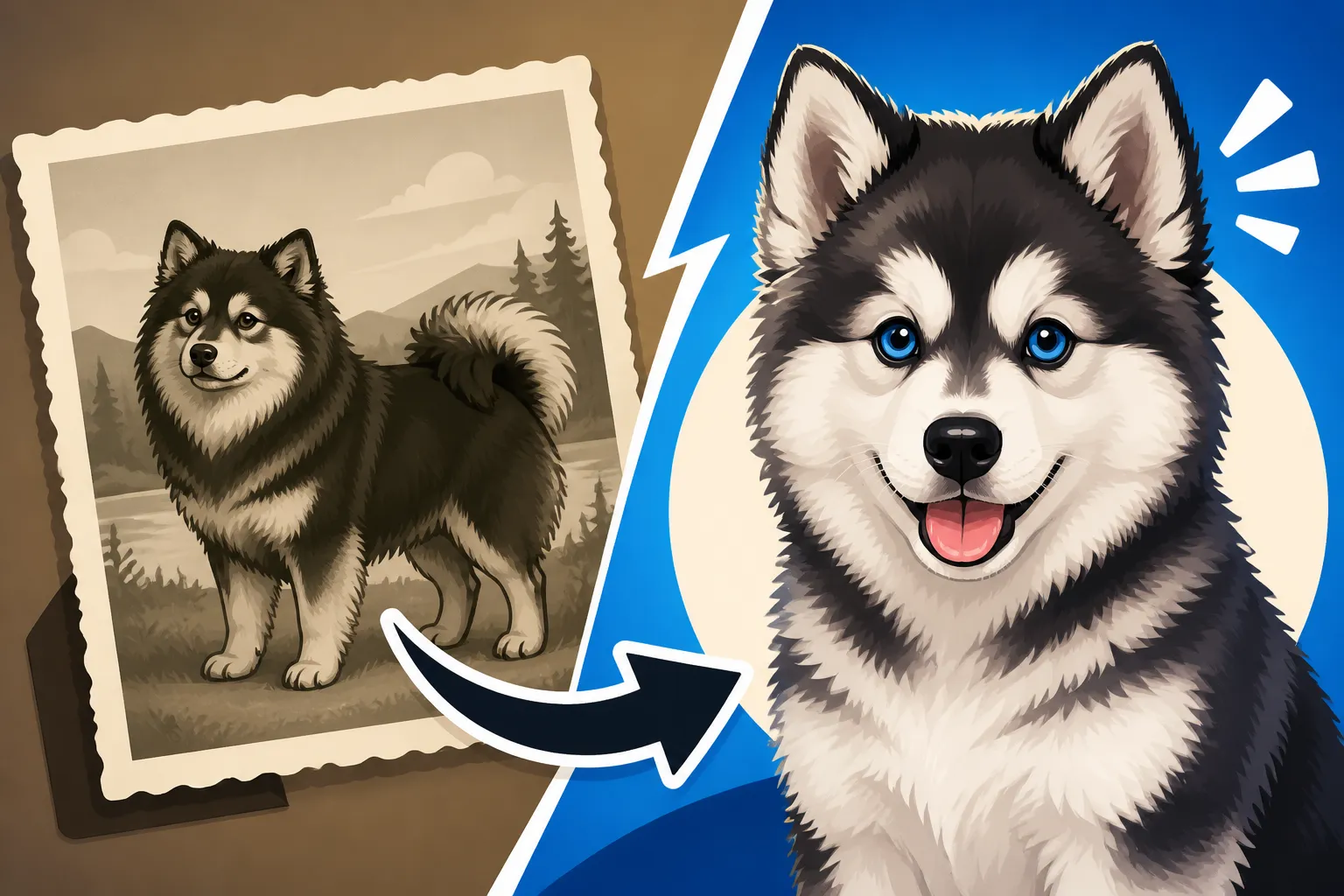
Many of these early images, which went viral and ignited the initial Pomsky craze, were later identified as other Spitz-type dogs. These breeds share certain physical characteristics with Huskies and Pomeranians, such as thick double coats, erect ears, and curled tails. Without direct knowledge of the Pomsky's unique genetic blend or the specific challenges involved in creating it, it was easy for the public to misinterpret these images. This confusion meant that when the first genuine Pomsky litters finally started to appear, they often didn't quite match the expectations created by those widely shared, but incorrect, photographs. You can read more about this phenomenon in The 2011 Photos That Were Not Pomskies.
Unpacking the Finnish Lapphund Connection
One of the most frequently misidentified breeds in those early viral photos was the Finnish Lapphund. It's not hard to see why this lovely breed, with its appealing features, could easily be confused for the burgeoning "mini Husky." Understanding the Finnish Lapphund's characteristics is key to appreciating how this misidentification occurred and why it persisted.
The Characteristics of a Finnish Lapphund
The Finnish Lapphund is a medium-sized Spitz breed originating from Finland, where it was traditionally used by the Sami people for herding reindeer. They typically stand between 16 to 20 inches tall and weigh anywhere from 30 to 50 pounds, placing them in a size range that made them quite plausible as a "mini Husky" in the eyes of an eager public. They possess a thick, dense double coat that comes in a wide variety of colors and markings, including black, white, brown, red, sable, and wolf-like grey patterns, often with distinct facial markings that can bear a resemblance to a Husky's mask.
Their ears are typically erect, and their tails curl gracefully over their backs, much like a Husky. They often have expressive, dark eyes, but blue eyes, while not standard, can sometimes appear in the breed, adding another layer of potential confusion with the iconic blue-eyed Husky look. Temperamentally, Lapphunds are known for being intelligent, friendly, and eager to please, though they retain a strong herding instinct. They are robust, adaptable dogs that thrive in cold climates, just like Huskies. When you combine these physical and historical traits, it's clear why many people, unfamiliar with the intricacies of dog breeds, might have looked at a Finnish Lapphund and genuinely believed they were seeing the "Pomsky" they'd heard so much about.
Why the Mistake Was So Common
The reason the Finnish Lapphund was so often mistaken for a Pomsky, particularly in those early internet days, boils down to several key factors. Firstly, their physical resemblance to a scaled-down Husky is undeniable to the untrained eye. Many Finnish Lapphunds exhibit striking coat patterns, dense fur, and a general body structure that echoes the Siberian Husky. Imagine a beautiful Lapphund with a grey and white coat, a strong facial mask, and perky ears – it’s not a huge leap for someone browsing online to connect that image to the viral "mini Husky" narrative.
Secondly, at the time these photos were going viral (around 2011-2012), genuine Pomskies were incredibly rare. The 2012 Litter That Made the Pomsky Real was still very new, and photos of actual Pomsky puppies were not widely available. This created a void, and the Finnish Lapphund, being a somewhat niche but visually appealing breed, often filled that gap. People wanted to believe the pictures were real, and the Lapphund offered a convincing visual substitute. The internet, in its early days of mass photo sharing, often lacked verification, allowing these mislabeled images to spread unchecked, shaping public perception of what a Pomsky should look like before the real dogs had even properly arrived on the scene. It created a perception that was hard for reality to match.
The True Origins of the Pomsky
Once the dust settled from the initial online frenzy, the actual story of the Pomsky began to unfold. It’s a tale rooted in careful, intentional breeding practices, designed to bring together the most beloved traits of two very distinct parent breeds.
The Genesis of the Pomsky Cross
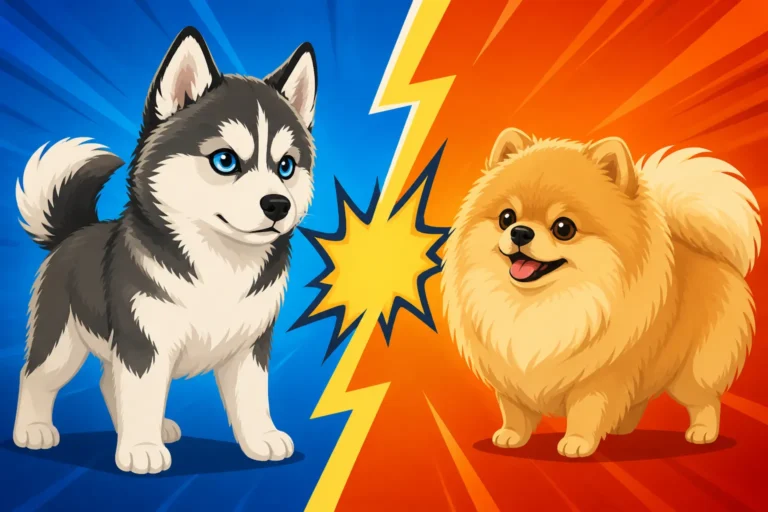
The true Pomsky is a designer dog, a first-generation (F1) cross resulting from breeding a female Siberian Husky with a male Pomeranian. This specific pairing is crucial and cannot be reversed due to the significant size difference between the two parent breeds. You see, the female dog carrying the litter must be the larger one, the Siberian Husky, to ensure a safe pregnancy and delivery. A tiny Pomeranian simply cannot safely carry puppies sired by a Husky. This physiological reality means that Pomsky breeding requires artificial insemination and veterinary oversight, making it a far more complex and costly process than typical accidental matings. Why a Pomsky Cannot Be Bred Naturally goes into great detail about this.
The goal was to create a companion dog that inherited the stunning looks and often striking blue eyes of the Husky, combined with the smaller size, affectionate nature, and sometimes more manageable energy levels of the Pomeranian. Breeders were trying to capture that "mini Husky" aesthetic, but through a deliberate and specific genetic cross, rather than simply stumbling upon it. It's a testament to the dedication of those early breeders that they were able to navigate the challenges to produce the first genuine Pomsky litters, laying the foundation for the breed we know today.
The Distinct Differences Between Lapphunds and Pomskies
While the Finnish Lapphund might have initially confused eager Pomsky enthusiasts, there are clear and distinct differences between the two breeds once you know what to look for. These distinctions cover everything from their size and temperament to their genetic lineage and typical appearance. It's like comparing a miniature horse to a pony – both are small, but fundamentally different animals with unique histories and characteristics.
Let's break down some of the key differentiators in a table:
| Feature | Finnish Lapphund | Pomsky |
|---|---|---|
| Origin | Finland, ancient herding breed | United States, modern designer crossbreed |
| Parent Breeds | Purebred, distinct lineage (Spitz family) | Siberian Husky (dam) x Pomeranian (sire) cross |
| Size | Medium, typically 30-50 lbs, 16-20 inches tall | Small to medium, typically 15-35 lbs, 10-15 inches tall (but varies) |
| Coat Type | Thick double coat, generally medium length, dense | Thick double coat, can vary from short to wooly The Three Pomsky Coat Types |
| Common Colors | Wide variety, often with rich patterns, includes sable, black, cream, red, wolf-like | Wide variety, often mimicking Husky patterns (black & white, grey & white, red & white), solid colors |
| Eye Color | Expressive dark eyes are standard, blue rare | Can have brown, blue, bi-colored, or parti-colored eyes |
| Temperament | Intelligent, friendly, calm, strong herding instinct | Intelligent, playful, can be stubborn, mixes Husky and Pomeranian traits |
| Purpose | Herding, companion | Companion |
As you can see, while both are beautiful Spitz-type dogs with double coats, their backgrounds and expected traits differ significantly. A Finnish Lapphund is a purebred dog with centuries of history, whereas a Pomsky is a relatively new hybrid aiming for specific aesthetics and personality blends. If you're ever in doubt about a dog's breed, modern DNA testing kits, which you can often find through retailers like Chewy, are incredibly accurate and can provide definitive answers, helping you understand your furry friend's true heritage.
Navigating the World of Designer Dogs
The emergence of the Pomsky is a classic example of the growing trend of "designer dogs" – intentional crosses between two purebreds. While these crosses often bring unique combinations of traits and can be wonderful companions, they also come with their own set of considerations and challenges that prospective owners need to understand.
The Challenges of New Crossbreeds
One of the biggest hurdles with new crossbreeds like the Pomsky is the inherent unpredictability, especially in early generations. When you breed two distinct purebreds, the genetic lottery is very much at play. You can end up with a puppy that strongly favors one parent, or a mix that is truly a blend, and sometimes, traits from both parents can clash in unexpected ways. This means that an F1 (first generation) Pomsky might be a delightful surprise, or it might present a challenge to owners who had very specific expectations based on viral photos. You might get a dog that looks more like a Pomeranian, or one that's closer to a Husky in size or temperament, or a combination that's truly unique. Whether an F1 Pomsky Is Healthier Than an F2 delves into the health implications of these generations.
Furthermore, because these are not officially recognized breeds by major kennel clubs, there isn't a standardized blueprint for what a Pomsky "should" be. This lack of standardization means that quality can vary wildly among breeders. Some are truly dedicated to health, temperament, and ethical breeding practices, while others might be more interested in capitalizing on the popularity of the breed. This makes careful research and selection of a breeder absolutely paramount to ensure you're getting a healthy, well-socialized puppy.
Due Diligence for Prospective Owners
Given the unique nature of designer dogs like the Pomsky, performing thorough due diligence is non-negotiable for any prospective owner. You can't just assume what you see online or what a breeder claims is accurate. The first step is to dive deep into the characteristics of both parent breeds – the Siberian Husky and the Pomeranian. Understand their typical size ranges, energy levels, grooming needs, potential health issues, and temperaments. This will give you a realistic baseline for what a Pomsky could be like, rather than relying solely on the idealized "mini Husky" image. You'll want to be prepared for a dog that might inherit a strong prey drive from the Husky or a sassy bark from the Pomeranian.
Next, finding a reputable breeder is critical. Look for breeders who are transparent about their breeding practices, health test their parent dogs for conditions common in Huskies and Pomeranians, and are willing to show you both parents of the litter. A good breeder will also provide references, answer all your questions, and be genuinely interested in finding the right home for their puppies. They will be upfront about the potential size range – remember, What a Pomsky Actually Weighs can vary greatly – and temperament of their puppies, rather than making unrealistic promises. Don't be swayed by flashy websites or social media photos alone; ask for video calls, visit in person if possible, and engage in thorough conversations. Many online pet supply stores like Chewy also offer informative articles and resources on various breeds, which can be a good starting point for your research, though direct breeder communication is key.
Beyond the Initial Buzz: Modern Pomsky Reality
Fast forward from those early days of viral misidentification, and the Pomsky has evolved into a recognized, albeit still non-standardized, crossbreed with its own devoted following. The initial excitement has been tempered by reality, and prospective owners now have a much clearer picture of what to expect.
What a Real Pomsky Looks Like
Today, a "real" Pomsky still varies quite a bit in appearance, which is part of the charm (or challenge, depending on your perspective) of a crossbreed. While the ultimate goal for many breeders is to produce a small dog with classic Husky markings and piercing blue eyes, the genetic dice are never rolled quite the same way twice. Generally, Pomskies are small to medium-sized dogs, typically weighing between 15 and 35 pounds, and standing around 10 to 15 inches tall at the shoulder. However, some can fall outside these ranges, sometimes reaching closer to 40 pounds or more, depending on the size of the Husky dam and Pomeranian sire.
Their coats are always double-layered, dense, and fluffy, designed for warmth, but the length can vary dramatically. You might find Pomskies with the shorter, sleeker "standard" coat, a longer and more luxurious "wooly" coat that requires significant The Grooming Bill on a Double Coated Pomsky, or even a "short" coat that is less fluffy. Common colors include the classic Husky black and white, grey and white, or red and white, often with distinct facial masks. Blue eyes are highly sought after, but brown, amber, bi-colored, or parti-colored eyes are also common. Whether Most Pomskies Look Like Big Pomeranians is a common question, and indeed, many do inherit more of the Pomeranian's facial structure, especially in their adult lives.
The Personality and Care of a Pomsky
Beyond looks, understanding the personality and care requirements of a Pomsky is crucial for any potential owner. These dogs are a vibrant blend of their two parent breeds, meaning they can inherit a wide array of traits, and no two Pomskies are exactly alike. They are typically intelligent, playful, and affectionate, often forming strong bonds with their families. However, they can also inherit the Husky's independent, sometimes stubborn streak, or the Pomeranian's bold, "big dog in a small body" attitude. This combination means they often benefit from consistent training and early socialization.
Their energy levels are generally moderate to high, requiring daily exercise to keep them happy and prevent boredom, which can lead to destructive behaviors. Think long walks, playtime in a securely fenced yard, or even dog sports. Mental stimulation is just as important, as their intelligence can lead to mischief if not properly channeled. Grooming is another significant aspect, as their double coats shed consistently, and even more so during seasonal "blowouts." Regular brushing with tools like an undercoat rake is essential to manage shedding and prevent matting. You'll find a wide range of suitable grooming supplies and high-quality food options for double-coated breeds and active dogs through online retailers like Chewy, which can be invaluable for Pomsky owners. Their loyalty and spirited nature make them wonderful companions, but they are definitely a commitment, not just a cute face.
Dispelling Other Common Misconceptions
The initial viral photos of the "mini Husky" didn't just mistakenly feature Finnish Lapphunds; they contributed to a broader set of misconceptions about what the Pomsky breed truly is and where it came from. It's important to clarify these points to paint an accurate picture of this relatively new crossbreed.
Alaskan Klee Kai vs. Pomsky Confusion
Another breed often caught in the early Pomsky misidentification web, and still sometimes confused with them today, is the Alaskan Klee Kai. This is perhaps one of the most understandable mix-ups, as the Alaskan Klee Kai truly is a miniature Husky-like dog. Developed in Alaska specifically to be a companion version of the Husky, the Klee Kai shares many physical traits: the distinctive facial mask, erect ears, curled tail, and often stunning blue eyes. They come in three sizes (toy, miniature, and standard), with the larger standards often weighing 16-25 pounds, which aligns closely with many Pomsky sizes.
The key difference, however, is that the Alaskan Klee Kai is a recognized purebred dog with a detailed breed standard and a stable genetic makeup, developed over several decades. It's not a crossbreed. When those early viral photos of "mini Huskies" circulated, many actually depicted Alaskan Klee Kai. This made the Klee Kai an existing, tangible example of what many people desired in a Pomsky. For a deeper dive into their differences, check out The Pomsky Against the Alaskan Klee Kai. While both are fantastic dogs, understanding their distinct origins and development helps clarify the unique journey of each breed.
The Misleading Nature of Early "Pomsky" Advertisements
In the early days of the Pomsky craze, the lack of actual Pomsky puppies meant that some unscrupulous individuals or less-than-reputable breeders capitalized on the demand by mislabeling other breeds. This wasn't always intentional deception; sometimes it was simply ignorance fueled by the viral images. Besides Finnish Lapphunds and Alaskan Klee Kai, sometimes mixes of other small Spitz breeds (like American Eskimo Dogs or even smaller mixed-breed dogs with some Husky-like features) were marketed as "Pomskies." The allure of the "mini Husky" was so strong that buyers, desperate to get their hands on one, might not have questioned the lineage too closely.
This period underscored the importance of responsible breeding and consumer awareness. Without established breed clubs or formal recognition, there was little oversight. Buyers found themselves in a confusing market where claims were often unsupported. It highlights why, even today, when Pomskies are more common, it's vital to work with breeders who can demonstrate the purebred lineage of both parent dogs and provide appropriate health testing. The internet created the dream, but it also created a space for considerable confusion that responsible breeders and educated buyers continue to navigate.
Conclusion and Future Considerations
The journey of the Pomsky from internet sensation to a beloved crossbreed has been fascinating, marked by both excitement and a fair share of confusion. We've seen how the viral demand for a "mini Husky" led to the misidentification of other breeds, particularly the Finnish Lapphund and Alaskan Klee Kai, in those foundational online images. Understanding these distinctions is crucial for anyone interested in the Pomsky, as it helps to set realistic expectations about their appearance, temperament, and care needs.
Today, the Pomsky community is much more established, with dedicated breeders focusing on health and temperament, even as variations in appearance persist across generations. The breed continues to capture hearts, offering a unique blend of the Siberian Husky's majestic looks and the Pomeranian's spirited personality in a more compact package. As with any crossbreed, the key for prospective owners remains thorough research, responsible breeder selection, and a commitment to understanding the needs of these intelligent and active companions. The Pomsky's story is a reminder that while the internet can spark a phenomenon, true understanding comes from education and experience.
Disclaimer
This article is for general informational purposes only and does not constitute professional advice. Laws, prices and regulations vary by location and change over time. Consult a qualified professional for guidance on your specific situation.