Whether a Pomsky Is Ever a Rescue Mix
It's a common and completely understandable thought, especially for those of us who love the idea of giving a dog a second chance: "Can I find a Pomsky in a rescue or shelter?" You might imagine stumbling upon that perfect mini-Husky face among the many wonderful dogs looking for homes. The truth, however, is a bit more nuanced than simply browsing the local shelter's website, and understanding why a Pomsky might or might not appear in rescue requires a deep dive into how this specific crossbreed came to be.
The Deliberate Origins of the Pomsky Breed
When we talk about a "rescue mix" in general, we often picture an accidental litter born from two different breeds finding each other in an unplanned moment. Perhaps a Labrador got out and met a German Shepherd, or a local stray had puppies with an unknown father. That's a classic "rescue mix." The Pomsky, however, is almost never born from such happenstance. Its very existence is a testament to meticulous planning and significant veterinary intervention.
The Necessity of Artificial Insemination
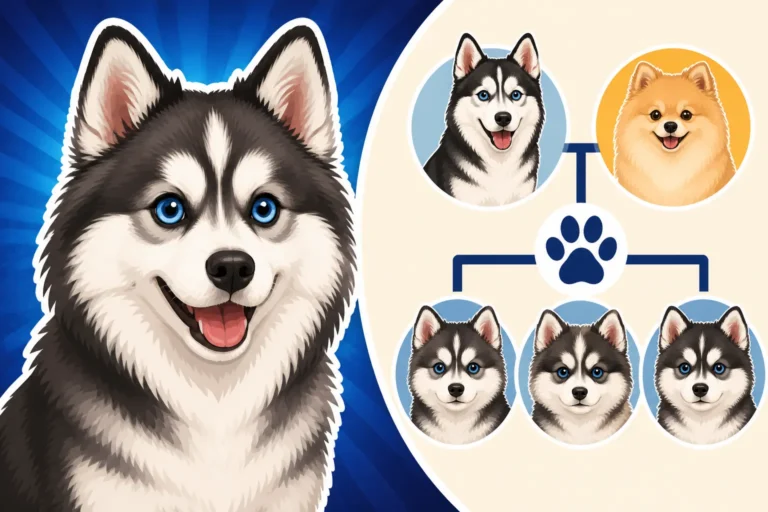
The fundamental reason you won't find accidental Pomsky litters is purely physical: the vast size difference between the parent breeds. A Siberian Husky female, who must be the dam (mother) to safely carry the puppies, is significantly larger than a Pomeranian male, who must be the sire (father). Natural breeding between these two breeds is not just improbable; it's practically impossible and, frankly, dangerous for both dogs if attempted. Imagine the logistical challenges, let alone the potential for injury.
This is why nearly all legitimate Pomsky breedings involve artificial insemination (AI). It’s a carefully managed process where semen is collected from the Pomeranian male and then expertly introduced into the Husky female. This isn't a casual backyard affair. It requires a veterinarian's expertise, precise timing based on the female's cycle, and often several attempts. Why a Pomsky Cannot Be Bred Naturally delves deeper into these physical constraints. The entire process is a deliberate choice by a breeder to create this specific cross, not an accident in a park.
The Cost and Effort of Intentional Pomsky Breeding
Because artificial insemination is required, breeding Pomskies is a costly and labor-intensive endeavor. It involves progesterone testing to pinpoint the optimal breeding window, veterinary fees for the AI procedure itself, and careful monitoring throughout the Husky dam's pregnancy. There’s also the significant cost of acquiring health-tested parent dogs, ensuring they are free from inheritable conditions that could affect the puppies.
This level of investment means that breeders aren't just letting their dogs run loose and hoping for a litter. They are making a significant financial and emotional commitment to producing these puppies. This deliberate, high-cost process is a stark contrast to the accidental breedings that typically lead to "rescue mixes." When you see a "Pomsky" in a rescue, it's almost certainly not the result of two stray dogs unexpectedly producing a litter. It's more likely a dog that was intentionally bred and then, for various reasons, found itself without a home. The meticulous process is detailed further in Why a Pomsky Requires Artificial Insemination.
Why Accidental Pomskies Are a Myth
The idea of an "accidental Pomsky" sounds almost whimsical, but the reality of canine biology and safety makes it virtually impossible. It's not just about what's likely; it's about what's physically possible and responsible.
The Size Discrepancy Between Parent Breeds
Let's reiterate the core issue: the size difference. A male Pomeranian, weighing in at perhaps 4 to 7 pounds, and a female Siberian Husky, often 35 to 60 pounds or more. For natural breeding to occur, the male would need to successfully mount the female, a feat of gymnastics that is, at best, incredibly difficult, and at worst, dangerous. Even if somehow a successful tie were achieved, the potential for injury to the much smaller Pomeranian male is severe.
Furthermore, it's universally understood in responsible dog breeding that the female dog should always be the larger of the two parents in any crossbreed scenario. This is crucial for the safety of the dam during pregnancy and delivery. If, for some unimaginable reason, a Pomeranian female were to be bred with a Husky male, the consequences would be catastrophic for the tiny Pomeranian, almost certainly resulting in severe injury, difficult birth, or even death due to the size of the puppies. This strict rule of breeding is why whether a Pomsky's dam must always be the Husky is such a critical point for Pomsky breeders. This inherent biological constraint fundamentally prevents accidental Pomsky litters.
Dispelling the "Backyard Breeder Accident" Narrative
Sometimes, people might think that maybe a "backyard breeder" just let things happen, leading to an accidental Pomsky litter. However, even in less responsible breeding situations, the physical impossibility remains. A "backyard breeder" might cut corners on health testing or genetic screening, but they can't bypass basic anatomy.
If a litter of puppies with Husky-like traits and small stature appears unexpectedly, it's far more likely to be a different mix altogether – perhaps a Miniature Husky type breed (like an Alaskan Klee Kai) mixed with something else, or a Pomeranian mixed with a different small to medium-sized breed. It is highly improbable that two dogs as disparate as a Pomeranian and a Siberian Husky could naturally breed, even in an uncontrolled environment. The notion that an accidental coupling would produce a genuine Pomsky is a persistent myth that doesn't align with the biological facts of the breeds involved.
The Challenges of Identifying a Pomsky in a Shelter
So, if accidental Pomskies are a myth, does that mean you'll never find one in a rescue? Not necessarily, but it means that any dog labeled a "Pomsky" in a rescue setting requires a very critical eye and a healthy dose of skepticism. Most dogs in shelters are simply labeled "mix" or given an educated guess based on their appearance.
Distinguishing From Other Husky or Pomeranian Mixes
One of the biggest hurdles is that many dogs share physical traits with Pomskies. You might see a medium-sized dog with blue eyes and a curled tail, and immediately think "Pomsky!" But that dog could be a Husky mix with almost any other medium-sized breed. Similarly, a smaller fluffy dog with a foxy face might be a Pomeranian mix with a Chihuahua, a terrier, or countless other small breeds. Many mixed-breed dogs can resemble parts of a Pomsky without actually being one.
It’s easy for well-meaning shelter staff to make an educated guess based on common breed characteristics, but without direct knowledge of the parents, it’s just that – a guess. For example, a "fluffy Husky mix" could easily be mistaken for a Pomsky by someone not intimately familiar with the specific traits of the cross. A true Pomsky comes from specific parentage, and without that lineage, it’s just another adorable mixed breed. What a Pomsky Actually Weighs Full Grown and Whether a Pomsky Looks Like a Miniature Husky highlight the variability even within actual Pomskies, making identification even harder.
The Role of DNA Testing in Breed Identification
This is where DNA testing can be invaluable, both for potential adopters and for rescue organizations trying to accurately identify the dogs in their care. If a rescue claims to have a Pomsky, it's perfectly reasonable to ask if DNA testing has been performed. Companies like Embark or Wisdom Panel offer consumer DNA tests that can break down a dog's breed composition.
If a dog is indeed a Pomsky, the DNA test should clearly show a significant percentage of Siberian Husky and Pomeranian, with relatively little or no other breeds in the mix. If the test comes back with percentages of several other breeds, or if one of the core Pomsky parent breeds is missing or very low, then it's not a true Pomsky. This kind of testing provides clarity and helps avoid disappointment, or worse, adopting a dog with different needs than you anticipated. Whether a DNA Test Confirms a Pomsky offers more insight into this process. While a DNA test isn't foolproof (especially for very early generation mixes if the databases are limited), it's the best tool available for identifying specific parentage in a shelter environment.
When a Pomsky Finds Itself in Rescue
Despite their deliberate breeding and often significant initial cost, Pomskies do end up in rescue. This isn't due to accidental breeding, but rather due to a misunderstanding of the breed's needs and characteristics by their initial owners. This is where the "rescue mix" label becomes more complex, as these dogs were usually purchased from a breeder first.
Common Reasons for Pomsky Surrender
The primary reasons Pomskies end up in shelters or breed-specific rescues are almost always related to owner unpreparedness for the unique blend of Husky and Pomeranian traits. People often fall in love with the look – the "mini Husky" appeal – without fully researching the temperament, energy levels, and grooming needs.
- High Energy & Destructive Behavior: Many Pomskies inherit the boundless energy and intelligence of the Husky, needing significant exercise and mental stimulation. If under-exercised or bored, they can become destructive, chewing furniture, digging up yards, or escaping. The Exercise a Pomsky Needs Every Day is often underestimated by new owners.
- Shedding: Both parent breeds are heavy shedders, and the Pomsky is no exception. They often "blow their coat" twice a year, resulting in massive amounts of hair. Many owners are simply overwhelmed by the grooming demands. Whether the Shedding Puts People Off a Pomsky is a very common reason for surrender.
- Vocalization: Pomskies are known for their Husky "talking" – howling, whining, and generally being quite vocal. This can be problematic in apartments or close-knit neighborhoods, leading to noise complaints. Whether the Noise Is Why Pomskies Are Surrendered is a genuine concern for many.
- Stubbornness & Training Challenges: They can inherit the Husky's independent and stubborn nature, making training a significant commitment. First-time dog owners, or those expecting an easily trainable lap dog, can quickly become frustrated.
- Size Miscalculation: While many people seek out Pomskies for their smaller size compared to a full Husky, sometimes a Pomsky puppy grows larger than anticipated, leading to rehoming. What Happens When a Pomsky Grows Bigger Than Sold is a real issue.
These aren't issues of the dog being "broken," but rather a mismatch between the dog's needs and the owner's lifestyle or expectations.
The Age and Demeanor of Rescue Pomskies
When Pomskies do enter rescue, they are often adolescent or young adult dogs, typically between 6 months and 3 years of age. This is the period when their energy levels are peaking, their personalities are fully developing, and any unresolved training issues or behavioral problems become most apparent to their owners. It's a challenging age for any dog, let alone one with the Pomsky's specific needs.
These rescue Pomskies might arrive with a history of not being house-trained, having separation anxiety, or exhibiting leash reactivity if they haven't been properly socialized or trained. They might also be a bit confused or anxious from the upheaval of losing their home. However, with patience, consistent training, and an owner who understands their breed traits, these dogs can absolutely thrive. They often just need someone willing to put in the work to understand and meet their unique requirements. Why Pomskies Are Surrendered usually highlights these points.
Here's a table summarizing common reasons Pomskies end up in rescue:
| Category | Common Issues | Parent Breed Influence | Impact on Owners |
|---|---|---|---|
| Temperament | High energy, destructive behavior when bored | Husky | Chewed furniture, digging, escapes |
| Vocalization | Howling, excessive "talking" | Husky | Noise complaints, difficulty in apartments |
| Grooming | Intense shedding, especially during "blowouts" | Both | Overwhelmed by hair, high grooming costs |
| Training | Stubbornness, independent nature, escape artists | Husky | Frustration, lack of reliable recall |
| Size | Grew larger than expected/sold | Husky | Not fitting expectations of "miniature" |
| Time/Commitment | Requires significant exercise and mental work | Both | Unable to dedicate enough time, lifestyle clash |
| Health | Unexpected vet bills (less common for surrender) | Both | Financial strain, though less often initial reason for rehoming |
It's important to remember that these are not inherent flaws in the dogs, but challenges that arise when owners aren't fully prepared for what a Pomsky entails.
Navigating the Pomsky Rescue Landscape
If your heart is set on a rescue Pomsky, you absolutely can find one. However, the search might look different than finding a generic mixed-breed puppy at your local animal control. It requires a more targeted and patient approach.
Specialized Pomsky Rescues vs. General Shelters
While your local municipal animal shelter might occasionally have a dog labeled a Pomsky, your best bet for finding a genuine one is often through breed-specific rescues. Many dedicated volunteers and organizations focus on rehoming specific breeds or designer crosses that often find themselves in trouble. You might look for "Husky rescues" or "Pomeranian rescues," as these groups are often familiar with Pomskies and might take them in. Increasingly, there are even rescues specifically dedicated to Pomskies or similar Husky mixes.
These specialized rescues often have a deeper understanding of the breed's needs, can offer more accurate assessments of temperament and potential challenges, and sometimes even perform DNA testing if a dog's lineage is truly uncertain. They are also usually equipped to educate potential adopters about the reality of owning a Pomsky, helping to ensure a better long-term match. Searching online for "Pomsky rescue [your state/region]" is a good starting point. You might also find Pomskies listed on larger pet adoption sites like Petfinder or Adoptapet, but again, approach the "Pomsky" label with caution unless verified.
What to Expect When Adopting a Rescue Pomsky
Adopting a Pomsky from a rescue often involves a more thorough screening process than buying a puppy from a breeder. This is a good thing! Rescues want to ensure these dogs don't end up back in the system. You can expect:
- Application Process: A detailed application asking about your living situation, experience with dogs, activity level, and why you want a Pomsky.
- Home Visit: Many rescues conduct home visits (in-person or virtual) to assess the suitability of your home, especially regarding secure fencing (critical for a breed with a high prey drive and escape artist tendencies). A Pomsky That Digs and The Pomsky Escape Artist in a Twenty Pound Body are common issues.
- Vet & Reference Checks: They'll often contact your current or previous veterinarians and personal references to ensure you're a responsible pet owner.
- Meet-and-Greet: You'll typically get to meet the Pomsky to see if your personalities mesh. If the dog is in a foster home, you'll gain invaluable insights from the foster parent about the dog's quirks and habits.
- Adoption Fees: There will be an adoption fee, which helps the rescue cover spaying/neutering, vaccinations, microchipping, and any medical care the dog received. While generally lower than breeder prices, these fees are essential for the rescue's operation. What a Pomsky Rescue Charges will give you a general idea.
Adopting a rescue Pomsky means you're often getting a dog whose initial training might be patchy, or who might have some behavioral quirks to work through. But it also means you're giving a deserving dog a second chance, and for many, that's incredibly rewarding. You might also find that rescue Pomskies often come spayed/neutered and up-to-date on shots, saving you some of those initial vet costs.
Ultimately, while the term "rescue mix" in its traditional sense doesn't apply to how Pomskies are born, they absolutely do find their way into rescues through rehoming. If you're committed to understanding their unique needs and are prepared for the distinctive traits of this captivating crossbreed, a rescue Pomsky can be an incredibly loyal and loving companion. Just be prepared to do your due diligence to ensure you're getting a true Pomsky and not a look-alike, and more importantly, to ensure it's the right dog for your lifestyle. Consider looking on Chewy for durable toys or enrichment feeders for high-energy rescue Pomskies.
Disclaimer
This article is for general informational purposes only and does not constitute professional advice. Laws, prices and regulations vary by location and change over time. Consult a qualified professional for guidance on your specific situation.