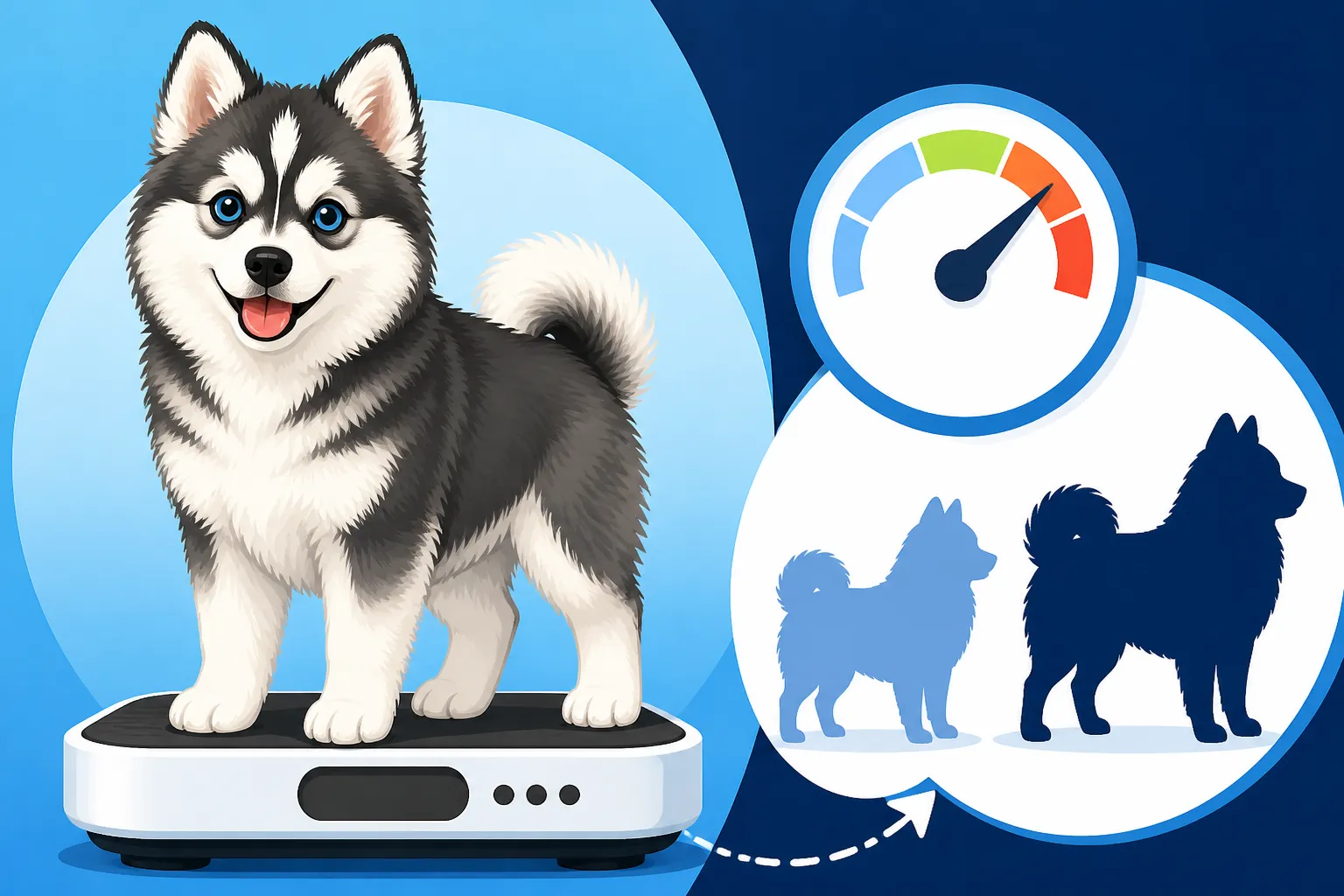
What a Pomsky Actually Weighs Full Grown
One of the biggest heartbreaks and surprises for many prospective Pomsky owners comes from the actual adult weight of these captivating dogs. You've likely seen those adorable "miniature husky" pictures online, sparking dreams of a tiny, fluffy wolf dog you can scoop up with one hand. But the reality is, a full-grown Pomsky often lands outside that dainty ideal, leading to understandable confusion and even disappointment if expectations aren't managed right from the start. This guide aims to pull back the curtain on what a Pomsky actually weighs when fully grown, delving into the genetics, the variations, and the practical considerations, so you can embrace the wonderful dog you bring into your life, regardless of their final scale reading.
The Myth vs. Reality of Pomsky Weight
It's completely normal to have a mental image of your future furry friend. For Pomsky hopefuls, that image is often a perfectly miniature Siberian Husky, right down to the piercing blue eyes and fluffy coat, but in a size that fits comfortably on a lap or in a small apartment. This widespread expectation, however, often clashes with the reality of a hybrid breed's genetic lottery.
The "Miniature Husky" Dream and What It Means for Size Expectation
Let's be honest, the initial viral photos of "Pomskies" that swept the internet years ago painted a very specific picture. They showcased dogs that looked like perfect replicas of Siberian Huskies, but shrunk down to Pomeranian size. These images, often mislabeled or even depicting other small husky-like breeds, cemented the idea of a true miniature husky in the public consciousness. People envisioned a dog topping out at perhaps 10-15 pounds, retaining all the stunning features of a Husky without the larger size and accompanying energy demands. This perception led to immense demand and, unfortunately, a lot of wishful thinking about a Pomsky's ultimate adult weight. Many future owners still come to breeders with this idealized vision, and it's a critical point for understanding why actual weights can be surprising. You might be interested to know that The 2011 Photos That Were Not Pomskies actually contributed to this initial misunderstanding.
The Unpredictable Nature of a Hybrid Breed's Size
Unlike purebred dogs, where generations of selective breeding have created a relatively predictable size range, hybrid breeds like the Pomsky are a genetic mash-up. When you cross a Siberian Husky with a Pomeranian, you're essentially rolling the genetic dice. Each puppy in a litter, even from the same parents, can inherit a different combination of traits from each side of its family tree. This means one puppy might lean heavily towards the Husky in terms of size and structure, while another might favor the Pomeranian's compact frame. This inherent variability is one of the most fascinating, and sometimes frustrating, aspects of owning a Pomsky. It's why a breeder might give you a "size estimate" for a puppy, but can never offer a 100% guarantee. The range of potential outcomes is vast, making the journey to full adulthood an exciting, albeit uncertain, one for many owners.
Understanding the Genetic Factors Influencing Pomsky Size
To truly grasp why a Pomsky's weight varies so much, we need to look at the two parent breeds involved. It's like trying to predict the outcome of mixing two very distinct colors – you might get a blend, or one color might dominate more than you'd expect.
The Husky Parent's Influence on Size and Structure
The Siberian Husky is a medium-sized working dog, known for its endurance, striking appearance, and robust build. Adult Huskies typically weigh anywhere from 35 to 60 pounds, with males generally being on the heavier side. They stand tall, with strong bone structure and a powerful gait. When a Husky is one half of the Pomsky equation, its genetic blueprint contributes significantly to the potential for a larger dog. Even if a Pomsky inherits the smaller stature from its Pomeranian parent, it might still retain the Husky's denser bone structure or broader chest, which adds to its overall weight. You’ll often see Pomskies with the lean, athletic build of a Husky, even if they're scaled down.
The Pomeranian Parent's Contribution to Smaller Stature
On the other end of the spectrum is the Pomeranian, a toy breed known for its diminutive size, fluffy coat, and spirited personality. Pomeranians typically weigh a mere 3 to 7 pounds, making them one of the smallest dog breeds. Their delicate bone structure and compact body are defining characteristics. The Pomeranian parent's genes are responsible for pulling the Pomsky's potential weight down from the Husky's range. The goal, of course, is to find a happy medium, a dog that has the Husky look but the Pomeranian's more manageable size. However, it's not always a clean 50/50 split, and some Pomskies will inherit more of the Pomeranian's smaller genes, while others might lean more towards the Husky side, resulting in a broader range of sizes within the breed itself.
The Role of Generation (F1, F2, Multigen) in Weight Prediction
The generation of a Pomsky plays a crucial role in its predictability regarding size.
- F1 Generation: An F1 Pomsky is a direct cross between a purebred Siberian Husky and a purebred Pomeranian. These are often the most variable in terms of size, as the genetics are fresh and unpredictable. You might get a puppy that is a near-perfect 50/50 blend, or one that heavily favors either parent. This means an F1 Pomsky could range anywhere from 10 pounds to 35 pounds or even more. The reason for this wide range is that you're combining two distinct genetic pools, and the expression of those genes in the first generation is less consistent. This variability is Why an F1 Pomsky Is Not the One Breeders Want from a consistency standpoint.
- F2 and Beyond (Multigen): An F2 Pomsky is the result of breeding two F1 Pomskies together. Multigenerational (or "Multigen") Pomskies involve breeding F2s to F2s, or F2s to F1s, and so on. Breeders often aim for F2 or Multigen generations to try and achieve more consistency in size, temperament, and appearance. By breeding Pomsky to Pomsky, they hope to "set" certain traits, narrowing the wide range seen in F1s. While this does lead to more predictable outcomes, it's important to understand that even an F2 or Multigen Pomsky can still have a wider size range than a purebred dog. The genetic blend is still complex, but generally, the aim is to produce a more consistent size, often within the 15-25 pound range. If you're looking for more predictability, breeders will often suggest these generations, as discussed in Whether a Multigen Pomsky Is More Predictable.
The Actual Weight Range of a Full-Grown Pomsky
So, what does all this genetic talk boil down to? What can you actually expect your adult Pomsky to weigh? Let's get realistic about the numbers.
Typical Weight Brackets: Toy, Miniature, Standard
Breeders and enthusiasts often use unofficial terms to categorize Pomsky sizes, typically borrowing from other breeds or creating their own. It’s important to remember these are not universally recognized standards, and actual weight can still fall outside these labels.
- Toy Pomsky: This category usually refers to Pomskies on the smaller end, often weighing between 8 to 15 pounds. These are the dogs that come closest to the "miniature husky" ideal, often looking like small, delicate versions of their Husky parent. Achieving this size consistently is challenging, and these dogs are often the result of very careful breeding choices, sometimes with a greater Pomeranian influence. However, it's rare for a Pomsky to stay truly "toy" sized while retaining a strong Husky appearance. You might see breeders marketing a "toy Pomsky," but it's wise to be cautious and understand the genetic lottery involved. Questions about their existence are explored in Whether a Toy Pomsky Exists.
- Miniature Pomsky: The most common and often desired size, miniature Pomskies typically weigh between 15 to 25 pounds. This is where many Pomskies land, offering a good balance of the Husky's looks and a more manageable size. They are substantial enough to be sturdy and playful, yet still small enough to be easily transportable and fit well into various living situations. This range is generally considered the sweet spot for the breed, embodying the popular image without being excessively tiny or surprisingly large.
- Standard Pomsky: While not truly "standard" in the purebred sense, this category describes Pomskies that mature larger than the miniature ideal, often weighing between 25 to 35 pounds, or even a bit more. These dogs often strongly resemble a smaller Siberian Husky in build and appearance, but they're still notably smaller than a full-sized Husky. If you're getting an F1 Pomsky, there's a significant chance it could mature into this weight bracket. They are still fantastic companions, but their size might surprise owners who were expecting something much smaller.
Here's a quick comparison of the parent breeds and the typical Pomsky weight ranges:
| Breed / Category | Male Weight Range (lbs) | Female Weight Range (lbs) |
|---|---|---|
| Siberian Husky | 45 – 60 | 35 – 50 |
| Pomeranian | 3 – 7 | 3 – 7 |
| Pomsky (Typical) | 15 – 35 | 12 – 30 |
| Pomsky (Toy) | 8 – 15 | 8 – 15 |
| Pomsky (Miniature) | 15 – 25 | 12 – 22 |
| Pomsky (Standard) | 25 – 35+ | 20 – 30+ |
Why a Pomsky Often Exceeds "Expected" Size
It's a common story: a puppy bought with an estimated adult weight of 15 pounds blossoms into a 30-pound adult. This happens more often than many new owners anticipate. One reason is that Pomskies can have significant growth spurts, and they mature at different rates. While many smaller breeds reach their adult size by 8-10 months, some Pomskies, especially those leaning towards the Husky side, can continue to fill out and gain muscle mass until they are 18 months or even two years old. This means the cute, small puppy you bring home might have a lot more growing to do than you initially realize.
Another factor is simply the genetic lottery discussed earlier. Even with careful breeding, predicting the exact adult size of a mixed breed puppy is notoriously difficult. A breeder can only provide an estimate based on the size of the parents and previous litters, but individual puppy genetics can always throw a curveball. It's a real frustration when you've planned for a smaller dog, only to find you have a more substantial one. This often leads to situations where What Happens When a Pomsky Grows Bigger Than Sold becomes a significant concern for owners. It’s important to love your dog for who they are, rather than getting too hung up on a number on the scale.
Factors Beyond Genetics That Impact a Pomsky's Weight
While genetics lay the foundation for a Pomsky's potential size, other factors play a crucial role in their actual adult weight, specifically regarding whether they are lean, muscular, or carrying a few extra pounds.
Diet and Nutrition: Preventing Under or Overweight Issues
Just like with humans, a Pomsky's diet directly impacts its weight. Feeding a high-quality, balanced diet appropriate for their age, activity level, and size is paramount. Puppies need nutrient-dense food to support their rapid growth, but overfeeding can lead to unhealthy weight gain, putting stress on developing joints. As adults, maintaining an ideal weight is about finding the right balance of calories. A Pomsky's metabolism can vary, with some leaning towards the Husky's tendency to be efficient eaters, while others might be more prone to putting on weight.
It's vital to measure food portions carefully rather than free-feeding. Regular check-ups with your vet can help determine if your Pomsky is at a healthy weight and if any dietary adjustments are needed. High-quality kibble from brands you trust, often available at places like Chewy, will provide the necessary nutrients without excessive fillers. For more detailed guidance, consider reading Feeding a Twenty Pound Pomsky to ensure your Pomsky is getting exactly what they need.
Exercise Levels and Their Impact on Muscle Mass vs. Fat
Pomskies are energetic dogs, inheriting a significant drive for activity from their Siberian Husky lineage. Regardless of their final size, they need consistent and appropriate exercise to maintain a healthy weight and channel their energy constructively. A smaller Pomsky might not need as much ground to cover as a full-sized Husky, but they still require daily walks, playtime, and mental stimulation.
A sedentary Pomsky, even one genetically predisposed to a smaller size, can quickly become overweight if their caloric intake isn't balanced with their energy expenditure. Conversely, a Pomsky with a robust exercise routine will build lean muscle mass, contributing to a healthy, athletic physique rather than excess fat. Obesity can lead to a host of health problems, including joint issues and heart disease, so a good exercise regimen is non-negotiable for their well-being. To get a better idea of what your Pomsky truly needs, check out The Exercise a Pomsky Needs Every Day.
Gender Differences in Adult Weight
Generally, there is a noticeable difference in weight between male and female Pomskies, reflecting the typical size dimorphism seen in many dog breeds, including their Husky parent.
- Male Pomskies: Males tend to be slightly larger and more heavily built than females. They often have a broader chest and head, and their overall frame can be more substantial. A male Pomsky might comfortably sit at the higher end of the weight ranges described above, for example, between 20-35 pounds for a typical adult.
- Female Pomskies: Females are usually a bit lighter and more refined in their build. While still sturdy, they typically fall into the lower to mid-range of the Pomsky weight spectrum, often between 12-30 pounds.
It's important to remember that these are general trends, and individual variation is always possible. You might encounter a large female Pomsky or a particularly compact male, which further highlights the breed's genetic diversity.
What to Expect as Your Pomsky Puppy Grows
Bringing home a Pomsky puppy is an exciting time, but watching them grow can also be a little nerve-wracking when you're trying to figure out their ultimate size. It's a journey, and there are a few milestones to be aware of.
Monitoring Growth and Puppy Milestones
Pomsky puppies grow at a fairly rapid pace in their first few months, much like other small-to-medium breeds. You'll see significant changes in their size and shape week by week. Generally, they reach most of their height by 6-8 months, but they will continue to fill out and gain muscle mass until they are 12-18 months old. Some larger Pomskies, especially those with stronger Husky genes, might even continue to mature and gain weight slowly until they are two years old.
Keeping a growth chart or simply taking regular photos can be a fun way to track your puppy's progress. Pay attention to their body condition score rather than just the number on the scale. You should be able to feel their ribs easily without seeing them protruding, and they should have a discernible waist when viewed from above. Understanding The Age a Pomsky Reaches Full Size can help you set realistic expectations for their growth trajectory.
How to Estimate Adult Size (and Why It's Still a Guess)
Many new puppy owners desperately want to know how big their Pomsky will get. While there's no crystal ball, a few indicators can offer clues, though none are foolproof:
- Parent Size: The most reliable indicator is the size of the puppy's parents. A good breeder will be transparent about the weights of the Husky dam and Pomeranian sire, and ideally, the weights of the Pomsky parents if it's an F2 or multigen litter. If both parents are on the smaller side of their respective breeds, your puppy has a better chance of being smaller.
- Paw Size: The old wives' tale about big paws meaning a big dog often holds some truth. A puppy with noticeably larger paws than its littermates or a disproportionately large paw size for its current body might indicate more growing to do. However, this is far from an exact science.
- Growth Curve: Your vet can help you track your puppy's weight against a standard growth curve. While not specific to Pomskies, it can give you an idea if your puppy is growing consistently or having sudden spurts that might indicate a larger eventual size.
Ultimately, estimating a Pomsky's adult size is still a bit of an educated guess. The hybrid nature of the breed means individual genetic expression is highly variable. Don't be too surprised if your puppy deviates from the initial estimates. Remember, Whether a Pomsky Puppy's Size Can Be Predicted is a question with a very nuanced answer.
Practical Considerations for Pomsky Owners Regarding Size
Understanding your Pomsky's potential adult weight isn't just about curiosity; it has real-world implications for their care, your living situation, and your budget.
Equipment and Supplies: From Harnesses to Crates
Thinking about a Pomsky's full-grown size directly impacts the gear you'll need. If you expect a 15-pound dog but end up with a 30-pounder, that tiny crate you bought might suddenly be too small, leading to discomfort or behavioral issues.
- Crates: Always aim for a crate that can comfortably fit your adult Pomsky, allowing them to stand, turn around, and lie down without touching the sides or top. Many opt for a medium-sized crate from the start, using a divider to adjust the space for a growing puppy.
- Harnesses & Collars: Pomskies, especially those with a strong Husky instinct, are escape artists. A well-fitting harness is crucial, and you might need to size up more quickly than anticipated. A reliable retailer like Chewy offers a wide range of sizes and styles. What a Pomsky's Harness and Bed Cost can be a recurring expense as they grow.
- Beds: Again, size matters for comfort. Invest in a durable, appropriately sized dog bed that can accommodate your Pomsky's full adult length.
- Toys: While puppies love small toys, a larger Pomsky might need more robust, bigger toys to prevent choking hazards and withstand their stronger jaws.
Always err on the side of slightly larger rather than too small when purchasing initial equipment, as it's better to have room to grow than to constantly replace ill-fitting items.
Space Requirements in Your Home and Yard
The size of your Pomsky will naturally influence the space they need. While even larger Pomskies are generally smaller than a full-sized Husky, they still come with significant energy.
- Indoor Space: A 30-pound Pomsky takes up more physical space than a 10-pound one. They need room to play, stretch out, and zoom around indoors, especially on days when outdoor exercise is limited. While some smaller Pomskies might adapt to apartment living, a larger, more energetic one might struggle without sufficient indoor space.
- Outdoor Space: All Pomskies benefit from a securely fenced yard, regardless of size. A larger Pomsky, often with more Husky influence, might have a stronger desire to explore, jump, or dig. You might assume a smaller Pomsky won't try to scale a fence, but their athleticism can surprise you. A robust, tall fence is often a necessity, and you might want to review Whether a Pomsky Needs a Fenced Yard for more insights. Remember, the amount of energy they have isn't always directly proportional to their size; a smaller Pomsky can still be a boundless ball of energy.
Managing Expectations and Embracing Your Pomsky's Unique Size
Ultimately, the most important thing is to manage your expectations and embrace the dog you get. While the allure of a "miniature husky" is strong, focusing too much on a specific weight can lead to disappointment. A Pomsky's temperament, health, and personality are far more significant than whether they weigh 18 or 28 pounds.
A slightly larger Pomsky means a little more to love, a bit more heft for those adventurous hikes, and potentially a sturdier companion for families with active children. Rather than chasing an elusive size ideal, focus on providing excellent care, consistent training, and boundless love. Your Pomsky, whatever their adult weight, will be a loyal and enchanting member of your family. Celebrate their unique blend of traits and enjoy the journey with your one-of-a-kind companion.
Disclaimer
This article is for general informational purposes only and does not constitute professional advice. Laws, prices and regulations vary by location and change over time. Consult a qualified professional for guidance on your specific situation.