Whether the First Pomsky Was a Hoax
The internet is a powerful tool, capable of sparking incredible enthusiasm for new ideas, but it can also be a hotbed of misinformation and half-truths. When the concept of the Pomsky first exploded onto our screens, it came with a hefty dose of both. Many people, understandably, started asking: was the first Pomsky a hoax? The truth is a little more nuanced than a simple yes or no, and it’s a story rooted in viral images and the genuine desire for a miniature version of an iconic breed. This guide will walk you through the fascinating, and sometimes confusing, origins of the Pomsky, separating the early internet myths from the deliberate, responsible breeding efforts that followed.
The Viral Spark That Ignited a Myth
Before legitimate Pomsky breeding programs were even a widespread thought, the internet was already buzzing. Around the early 2010s, a series of adorable photos began circulating, depicting what looked like impossibly small Siberian Huskies. These images, often shared without much context, quickly went viral. People saw these tiny, majestic creatures with piercing blue eyes and fluffy coats, and the collective imagination took hold: "I want one of those miniature Huskies!"
The Allure of the Miniature Husky Dream
It's easy to understand why these images captured so many hearts. The Siberian Husky is renowned for its stunning appearance, vibrant personality, and athletic prowess. However, their size and intense energy requirements make them unsuitable for many homes, especially those in urban environments or with less active lifestyles. The idea of a "miniature Husky" promised all the visual appeal and charm in a more manageable package. It was the perfect blend of exotic beauty and practical size, hitting a sweet spot that online communities couldn't resist. This powerful initial demand was almost entirely driven by visuals that, as it turned out, didn't always represent what people thought they were seeing.
Mistaken Identities and Misinformation Galore
The problem was, many of these viral images didn't depict actual Pomskies. Instead, they were often of other established breeds, primarily the Alaskan Klee Kai, a spitz-type dog specifically bred to resemble a miniature Husky. Sometimes, the photos were simply of undersized purebred Huskies, or even images that had been digitally altered to make dogs appear smaller. People were searching online, perhaps even browsing pet supply sites like Chewy for new dog beds or toys, dreaming of these fantastical "mini Huskies" without realizing the images themselves were largely a misrepresentation.
This created a significant disconnect. The public believed "Pomskies" already existed in this perfect miniature Husky form, when in reality, the deliberate cross-breeding efforts to create the Pomsky had barely begun. This initial wave of misinformation certainly contributed to the idea that the Pomsky itself was a "hoax" – because the dogs people were seeing online weren't what they were told they were, or simply weren't Pomskies at all. You can read more about these early images in The 2011 Photos That Were Not Pomskies.
From Internet Myth to Deliberate Creation
Despite the shaky, misleading start fueled by viral photos, a dedicated group of breeders saw the genuine public interest and decided to turn the internet myth into a tangible reality. The Pomsky, as we know it today, is the result of careful, ethical breeding practices that began to take shape shortly after those initial images spread like wildfire.
The First Genuine Pomsky Litters Emerge
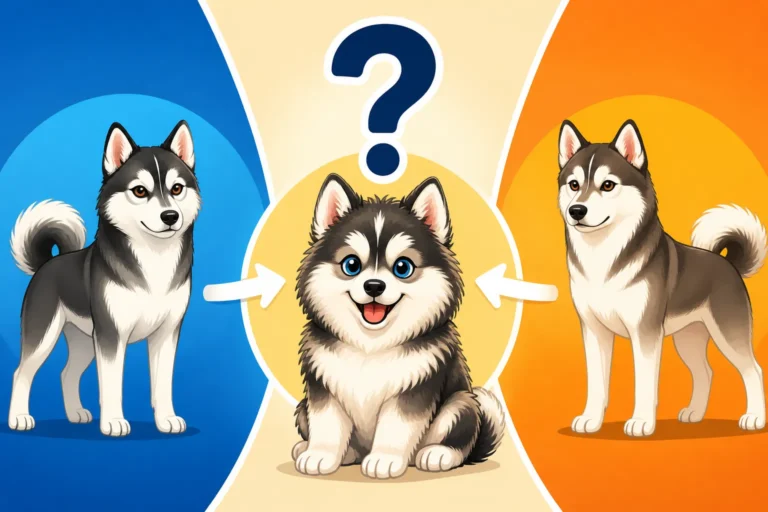
The actual creation of the Pomsky began around 2012, primarily in the United States. Breeders understood the biological challenges involved in crossing a large Siberian Husky with a much smaller Pomeranian. This isn't a pairing that can happen naturally due to the vast size disparity. Therefore, the process required artificial insemination, with a female Husky always serving as the dam (mother) to ensure the safety of both mother and puppies.
These early, deliberate litters were a far cry from the perfectly uniform "miniature Huskies" portrayed in viral photos. Instead, they were diverse, showcasing a wide range of appearances, sizes, and temperaments that reflected the genetics of both parent breeds. This initial variability, while expected by breeders, sometimes surprised new owners who still had those pristine internet images in their minds. For a deeper dive into how this was achieved, you might find The 2012 Litter That Made the Pomsky Real insightful.
Establishing Breed Standards and Associations
As interest grew and more litters were produced, responsible breeders recognized the need for structure and guidance. This led to the formation of organizations like the International Pomsky Association (IPA). These associations were critical in distinguishing legitimate Pomsky breeding from unscrupulous backyard operations. They worked to establish ethical breeding guidelines, promote health testing for parent dogs, and eventually, develop a breed standard that described the ideal Pomsky in terms of size, coat type, and temperament.
These efforts aimed to ensure the health and well-being of the dogs, as well as to bring consistency and predictability to the breed. By defining what a Pomsky should be, these organizations helped to combat the lingering "hoax" perception and solidify the Pomsky's place as a recognized designer crossbreed. Understanding these efforts helps clarify The International Pomsky Association and What It Sets.
Why the Confusion Lingered
Even after genuine Pomsky breeding began, the initial confusion and skepticism didn't simply vanish overnight. Several factors contributed to the persistent questions about the breed's legitimacy, often stemming from the unpredictable nature of hybrid vigor and the challenges of establishing a new crossbreed.
The Challenge of Predictability in Early Generations
One of the biggest hurdles in the early days of Pomsky breeding was the inherent variability of the first generation, known as F1 Pomskies. These puppies are a direct 50/50 mix of a Siberian Husky and a Pomeranian. While this cross can produce some truly stunning dogs, it also means that each puppy can inherit traits from either parent in unpredictable ways. Some might lean heavily towards the Husky in size and appearance, while others might favor the Pomeranian's smaller stature and fluffy coat.
This unpredictability could lead to disappointment for owners who had a very specific image in mind, often influenced by those initial viral photos. If someone expected a perfect mini Husky and received a dog that looked more like a larger Pomeranian, they might feel they'd been "hoaxed" or that the breed wasn't what was promised. This is precisely why whether an F1 Pomsky is not the one breeders want is a crucial topic for many breeders who aim for more consistency in later generations.
| Characteristic | F1 Pomsky (First Generation) | Later Generation (F2, F3, Multigen) |
|---|---|---|
| Genetic Mix | Direct 50% Husky, 50% Pomeranian | More complex, Pomsky x Pomsky pairings, aiming for consistency |
| Appearance | Highly variable; can resemble Husky, Pomeranian, or a mix | More predictable, closer to the desired "mini Husky" look |
| Size | Wide range, often hard to predict adult weight | Tendency towards more consistent, moderate sizing |
| Temperament | Mix of traits, can be very energetic or more sedate | More predictable, often a blend of both breeds' best traits |
| Breeding Goal | Initial creation of the cross; assessment of traits | Refinement of traits, consistency in type and temperament |
Red Flags of a "Fake" Pomsky or Unethical Breeding
Unfortunately, the high demand for Pomskies also attracted unscrupulous individuals eager to make a quick profit. These "backyard breeders" often cut corners, neglecting health testing, proper care, or transparent communication about their puppies' parentage. They might claim to have "teacup" or "toy" Pomskies, which are often just undersized or unhealthy dogs, further fueling the idea that the breed itself is a scam.
When considering a Pomsky, it's vital to look for transparency. A reputable breeder will always provide health clearances for the parent dogs, allow you to meet the puppy's parents, and be upfront about the potential size and appearance variability, especially in F1 litters. They'll emphasize proper nutrition, perhaps even recommending specific puppy foods available at retailers like Chewy, to ensure healthy growth. If a breeder is evasive, offers unusually low prices for what seems like a perfect "mini Husky," or can't provide clear parentage or health information, those are major red flags. This is where topics like Whether a DNA Test Confirms a Pomsky and Whether a Pomsky Without Papers Is Real become important for buyers.
The Reality of the Pomsky Today
Despite its tumultuous, internet-born origins and the lingering questions about its initial legitimacy, the Pomsky is very much a real and beloved companion animal today. It has moved beyond the "hoax" whispers to become a genuinely sought-after crossbreed, thanks to dedicated breeders and the enduring charm of these small, spirited dogs.
A Breed Defined by Its Unique Appeal
Today's Pomsky embodies the best of both its parent breeds: the striking good looks and intelligent gaze of the Siberian Husky, combined with the playful, affectionate nature and more manageable size of the Pomeranian. While there's still a range in appearance, breeders are continually working to produce dogs that are healthy, well-tempered, and fit within the general expectations of the breed. They might have the distinctive "husky mask" or the fluffy "stand-off" coat of a Pomeranian, but they are uniquely Pomsky. Many owners find appropriate toys and grooming tools for their Pomskies on sites like Chewy, acknowledging their specific needs.
The variability in size means you might find a Pomsky that weighs closer to the Pomeranian end of the spectrum, or one that’s closer to a small Husky. It's truly a lottery in some ways, but that's part of the fun for many owners who embrace the surprise. For general ideas on size, you can refer to What a Pomsky Actually Weighs.
The Importance of Responsible Breeding and Buyer Education
The early challenges of the Pomsky's origin story underscore the critical importance of responsible breeding practices and informed buyer choices. A Pomsky isn't just a cute picture; it's a living, breathing dog with unique needs and a distinct personality. Prospective owners need to look past the viral images and understand the realities of the crossbreed.
This means asking questions about health testing, parentage, and temperament, and being prepared for a dog that might not be a carbon copy of the "mini Husky" they first saw online. It's about recognizing that while the initial spark of interest might have been based on a misunderstanding, the resulting breed is a delightful reality. You can explore topics like The Pomsky Against the Alaskan Klee Kai to understand the differences from similar-looking breeds, or even Whether Most Pomskies Look Like Big Pomeranians for more insight into their common appearance traits. The Pomsky's journey from internet sensation to cherished family pet is a testament to the power of human intention, even when starting from a place of initial confusion.
Disclaimer
This article is for general informational purposes only and does not constitute professional advice. Laws, prices and regulations vary by location and change over time. Consult a qualified professional for guidance on your specific situation.