The Pomsky Against the Alaskan Klee Kai
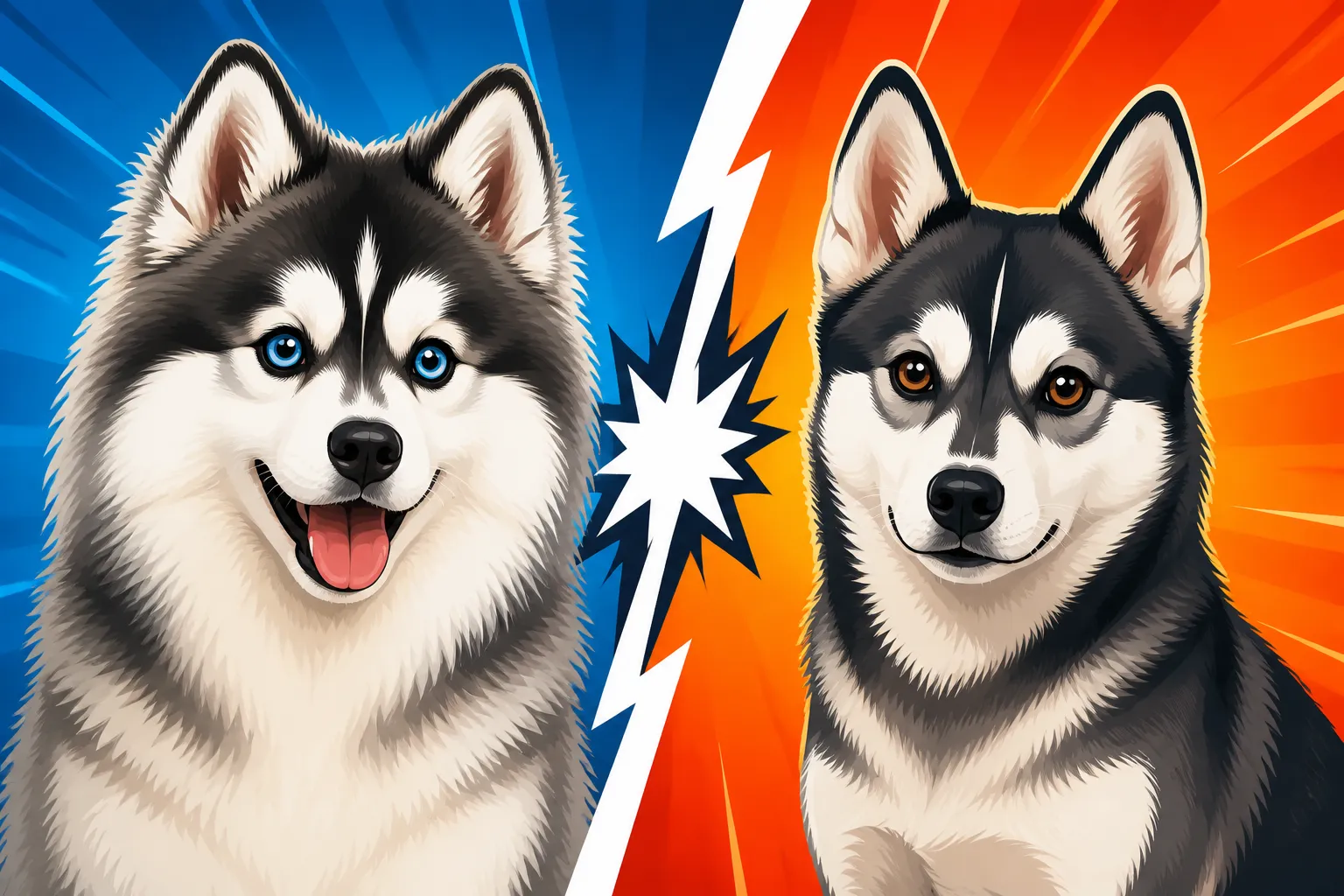
It's a scene played out in countless online forums and social media groups: someone posts a picture of an adorable, small Husky-like dog, asking, "Is this a Pomsky or an Alaskan Klee Kai?" The confusion is completely understandable. Both breeds capture the hearts of many with their striking Northern breed looks in a more compact package, but they are fundamentally different in their origins, predictability, and sometimes even their needs. This guide is here to untangle that mystery, giving you a comprehensive breakdown so you can truly understand what sets these two wonderful dogs apart, and which might be the right fit for your unique life.
A Tale of Two Mini Huskies: Understanding the Similarities
When you first glimpse a Pomsky or an Alaskan Klee Kai, it’s easy to see why they’re so often mistaken for one another. They share that captivating “mini-Husky” aesthetic that has charmed dog lovers worldwide. It’s not just a coincidence; it’s by design, or at least, by popular demand.
The Allure of the Miniature Husky Look
Both the Pomsky and the Alaskan Klee Kai embody the scaled-down version of the majestic Siberian Husky. This means you often see them sporting those piercing blue eyes, or sometimes one blue and one brown – a trait known as bi-eyes. Their plush, dense double coats come in a similar array of colors: black and white, grey and white, red and white, sable, and occasionally solid white. The distinctive facial masks and markings, often resembling those of their larger Husky ancestors, are another huge draw. People fall in love with the intelligent, alert expression, the erect triangular ears, and the curled tail that often sweeps over their back.
It’s this combination of features that creates the strong visual overlap. Imagine seeing a dog with a black and white coat, a perfect Husky mask, bright blue eyes, and a fluffy tail, but it only weighs 20 pounds. Your mind immediately goes to "miniature Husky," and both the Pomsky and Klee Kai fit that description remarkably well. The demand for a dog that looks like a Husky but can fit into a smaller living space, or be easier to handle for some owners, truly fueled the rise of both these breeds in public consciousness. It’s no wonder people constantly ask if the picture they're seeing is a Pomsky or an Alaskan Klee Kai, because at first glance, the similarities are genuinely striking.
Shared Traits Beyond Appearance
Beyond their visual appeal, these two breeds can also share some behavioral quirks and intelligence levels that add to the confusion. Both are intelligent and can be quite clever, which is a double-edged sword for owners. On one hand, they can learn quickly; on the other, they can be masterful at outsmarting you if you’re not consistent. Their independent nature, a hallmark of Northern breeds, means they aren’t always eager to please and can sometimes appear stubborn. This isn’t defiance, per se, but rather a strong sense of self-preservation and a penchant for doing things on their own terms.
Both breeds are also known for their vocalizations, though the specific sounds might differ. While a Klee Kai might let out a more traditional, higher-pitched howl or a series of "woo-woos," a Pomsky can inherit the full range of Husky "talking" – groans, grumbles, arguments, and full-blown operatic howls. The Husky Howl in a Pomsky Neither is typically a quiet, unobtrusive dog, which can be a surprise for owners expecting a small, silent companion. Their energy levels, too, can be quite high, requiring consistent exercise and mental stimulation to prevent boredom and destructive behaviors. Many owners find themselves grappling with a formidable prey drive in both breeds, making off-leash excursions a serious consideration. The Prey Drive a Pomsky Gets From the Husky
The Pomsky: A Designer Dream with Unique Origins
The Pomsky is often referred to as a “designer breed,” a term that hints at its intentional creation and popularity. It emerged from a specific desire to combine the looks of a Husky with the smaller size of a Pomeranian.
The Genesis Story: Intentional Crossbreeding
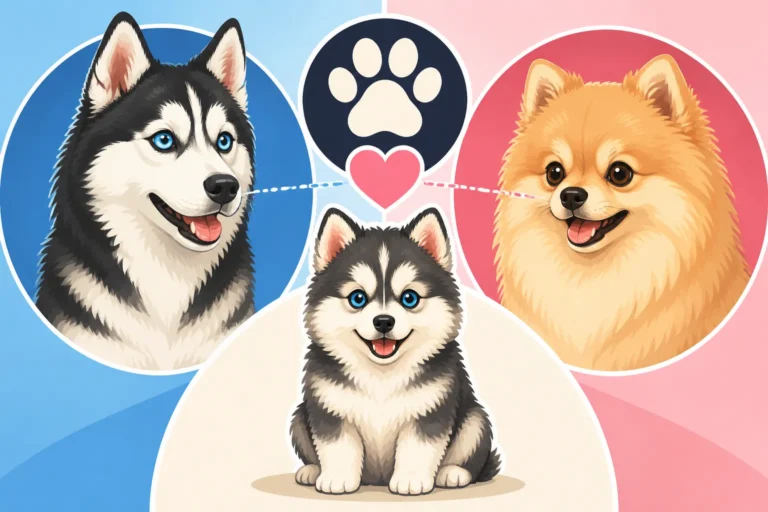
The Pomsky’s story began relatively recently, largely driven by viral internet images of dogs that looked like miniature Huskies, even if those initial images weren’t actually Pomskies. The true Pomsky is a first-generation (F1) cross between a female Siberian Husky and a male Pomeranian. This specific pairing is crucial. Due to the significant size difference, the female *must* be the Husky to safely carry the litter, as a tiny Pomeranian female could not safely carry Husky-sized puppies. This makes natural breeding impossible. Why a Pomsky Cannot Be Conceived Naturally Instead, Pomskies are typically conceived through artificial insemination, a process that requires careful timing and veterinary intervention. This method is costly and time-consuming for breeders, contributing to the higher price point of Pomsky puppies.
The goal was to create a companion dog with the striking appearance of a Husky but in a smaller, more manageable size. Reputable breeders meticulously select parent dogs for health and temperament, aiming to produce puppies that ideally inherit the best traits of both breeds. It’s a delicate balance, as genetics are never a perfect science. The very nature of this cross means that each puppy in a litter, even from the same parents, can be quite distinct, leading to a wonderful variety but also a degree of unpredictability that is part of the Pomsky experience.
Unpredictability in Appearance and Temperament
One of the most defining characteristics of the Pomsky is its inherent unpredictability, especially in earlier generations like the F1. When you cross two breeds with such different genetic blueprints, the outcome can be a delightful genetic lottery. You might get a puppy that leans heavily towards the Husky side in looks, with a leaner build and piercing blue eyes, or one that takes more after the Pomeranian, with a fluffier coat and a more compact frame. The size can also vary significantly. While a breeder might give you an estimated adult weight, it’s not uncommon for a Pomsky to grow larger or smaller than anticipated. What a Pomsky Actually Weighs This variability extends to their coat type as well, from the standard double coat to the longer, thicker “wooly” coat. The Wooly Pomsky Coat and Its Upkeep
Temperament is equally varied. Some Pomskies are outgoing and playful, much like a Husky, while others might inherit the Pomeranian's slightly more reserved or even bossy tendencies. They can be incredibly smart and independent, requiring consistent training and clear boundaries from a young age. Their vocal nature is almost a given, but the extent of their "talking" can range from occasional grumbles to full-blown conversations. This unpredictability is both a charm and a challenge for potential owners. It means every Pomsky is truly unique, but it also means that what you think you're getting based on a puppy picture might evolve into something wonderfully, but unexpectedly, different as they mature. This is why multi-generational breeding (F2, F3, etc.) aims for more consistency, as breeders try to solidify desired traits. Why an F1 Pomsky Is Not the One Breeders Want
The Health Landscape of a Hybrid
Being a hybrid breed, the Pomsky can potentially inherit health issues from *both* its parent breeds. This means owners need to be aware of conditions common in both Siberian Huskies and Pomeranians. From the Husky side, concerns like hip and elbow dysplasia Hip Dysplasia in a Twenty Pound Pomsky and certain eye conditions such as juvenile cataracts The Juvenile Cataracts a Pomsky Gets From the Husky are possibilities. From the Pomeranian side, issues like luxating patellas (slipping kneecaps) Slipping Kneecaps in a Pomsky and collapsing trachea The Collapsing Trachea a Pomsky Gets From the Pomeranian can be a factor. Dental crowding is also a common concern due to the Pomeranian’s small mouth combined with potentially Husky-sized teeth. Dental Crowding in a Pomsky’s Small Mouth
It's a common misconception that hybrid vigor automatically makes a crossbreed healthier than a purebred. While a wider gene pool can sometimes reduce the incidence of certain recessive genetic diseases, it doesn't mean a hybrid is immune to all health problems, especially if parents aren't health-tested. A responsible Pomsky breeder will conduct extensive health screenings on both parent dogs to minimize the risk of passing on genetic conditions. These tests often include orthopedic evaluations (hips, elbows, patellas) and eye certifications. Understanding the potential health landscape is crucial for any prospective Pomsky owner, as it impacts long-term care and veterinary costs. Whether an F1 Pomsky Is Healthier Than an F2
The Alaskan Klee Kai: A Breed Developed with Purpose
In stark contrast to the relatively recent and somewhat informal emergence of the Pomsky, the Alaskan Klee Kai has a much more structured and intentional breeding history. It is a recognized breed, not merely a cross.
A Vision for a Companion-Sized Northern Breed
The Alaskan Klee Kai’s origins date back to the 1970s in Alaska, thanks to the dedicated efforts of Linda S. Spurlin and her family. Her vision was to create a companion-sized version of the Alaskan Husky – a dog that retained the stunning appearance, intelligence, and spirit of a Northern breed but in a significantly smaller, more manageable package. This wasn’t a casual cross but a carefully planned and documented breeding program. To achieve this, Spurlin used a combination of Siberian Huskies, Alaskan Huskies, Schipperkes, and American Eskimo Dogs. Each breed contributed specific traits: the Huskies for the classic look and temperament, and the smaller breeds for size reduction and perhaps some refinement of traits.
The "Klee Kai" name itself is an Athabascan term meaning "small dog," perfectly encapsulating the breed's purpose. This deliberate approach to breeding, spanning several decades, allowed for the selection of specific traits and the establishment of a consistent breed standard. The goal was predictability – to ensure that a Klee Kai puppy would grow up to look and behave largely within a defined range, unlike the often more variable outcomes of a first-generation crossbreed. This focus on consistency and documented lineage is a cornerstone of the Alaskan Klee Kai's identity.
Consistency in Breed Standard and Traits
One of the most significant differences between the Klee Kai and the Pomsky lies in the Klee Kai’s established breed standard. The Alaskan Klee Kai is recognized by various kennel clubs, most notably the United Kennel Club (UKC) and is part of the American Kennel Club’s (AKC) Foundation Stock Service (FSS), which is a step towards full AKC recognition. This means there are clear guidelines regarding their size, appearance, and even desired temperament. They come in three distinct size varieties: Toy (up to 13 inches), Miniature (13 to 15 inches), and Standard (15 to 17.5 inches) at the shoulder, with corresponding weight ranges. This makes their adult size far more predictable than a Pomsky’s.
Their appearance is consistently Husky-like, with the distinctive facial mask, erect ears, and double coat. While they share colors with Huskies, blue eyes are also common, though not universally required. Temperament-wise, they are generally intelligent, agile, and alert. They are often described as more reserved with strangers than a typical Husky, and can sometimes be shy, which requires early and consistent socialization. However, once bonded with their family, they are playful, affectionate, and loyal. This predictability in both physical traits and temperament is a huge advantage for prospective owners who want a clearer idea of what their puppy will be like as an adult.
Health Screening and Breed Recognition
As a recognized breed, the Alaskan Klee Kai benefits from more formalized health screening protocols. Reputable Klee Kai breeders adhere to recommended health testing guidelines to screen for genetic conditions that can affect the breed. Common health concerns in Alaskan Klee Kais include luxating patellas (slipping kneecaps), thyroid issues, and certain eye conditions. Breeders will typically perform orthopedic evaluations (OFA or PennHIP) for patellas, conduct thyroid screenings, and obtain ophthalmologist certifications for eye health. This commitment to health testing is a crucial part of responsible breeding for any purebred dog.
The breed's recognition by organizations like the UKC means there is a structured framework for registration, pedigrees, and breed preservation. This also provides a network for breeders to share knowledge and work towards the betterment of the breed. While no breed is entirely free of health issues, the diligent screening processes and the goal of consistency embedded in the Klee Kai's history aim to reduce the prevalence of inherited diseases. This makes understanding the health background of a Klee Kai generally more straightforward than with a hybrid, where parentage can sometimes be less transparent or consistently health-tested across all breeding lines.
Key Differences: Where the Two Paths Diverge
While their shared “mini-Husky” look causes confusion, the moment you delve deeper, the distinctions between a Pomsky and an Alaskan Klee Kai become crystal clear. These differences span their very creation, their physical predictability, their temperaments, and even their price tags.
Breeding and Generation
The most fundamental difference lies in their origins: the Pomsky is a crossbreed, while the Alaskan Klee Kai is a purebred dog. A Pomsky is the direct result of breeding a Siberian Husky and a Pomeranian. This means that an F1 (first generation) Pomsky literally has one Husky parent and one Pomeranian parent. Subsequent generations (F2, F3, multi-gen) are bred Pomsky to Pomsky, or sometimes back to one of the foundation breeds, in an effort to stabilize traits. This generational breeding of crossbreeds is a continuous process, aiming to eventually create a consistent “type,” but it’s not the same as a long-established purebred.
The Alaskan Klee Kai, on the other hand, is a developed breed with a documented lineage and a breed standard that has been refined over decades. It's not a first-generation cross you breed and then hope for the best. The Klee Kai breeding program systematically selected for specific traits and consistently bred within those parameters, resulting in a dog that "breeds true." When you get an Alaskan Klee Kai, you are getting a dog whose ancestors have all been Klee Kais for many generations, resulting in a more predictable genetic package. This distinction impacts everything from appearance to temperament and health expectations.
Size and Physical Predictability
Predictability in size and appearance is another major divergence. With a Pomsky, especially an F1, you’re looking at a much wider spectrum of possibilities. Some F1 Pomskies might lean heavily towards the Husky size, reaching 30-35 pounds or more, while others might stay petite like a Pomeranian, around 10-15 pounds. The average tends to fall somewhere in the middle, around 20-25 pounds, but there are no guarantees. Even within the same litter, puppies can grow to vastly different sizes. Their coats can range from short, sleek Husky-like fur to dense, fluffy Pomeranian-esque coats, and everything in between. It’s why phrases like “The Smallest Pomskies Cost the Most” or “What Happens When a Pomsky Grows Bigger Than Sold” are common topics of discussion among Pomsky owners.
The Alaskan Klee Kai offers a much more defined size range, categorized into Toy, Miniature, and Standard. You generally know what to expect when you choose a Klee Kai puppy from a specific size variety. Their physical appearance is also far more consistent, adhering to the established breed standard. You're guaranteed the classic Husky-like appearance, including the erect ears, curled tail, and mask, without the wide variation you see in many Pomskies. While there can be minor individual differences, the overall look and size of an Alaskan Klee Kai are reliably consistent across the breed.
Temperament and Trainability
Temperament is where a lot of potential owners might find significant differences in their daily lives. Pomskies, being a hybrid, can inherit a blend of personality traits from both Huskies and Pomeranians. This means they can be outgoing, energetic, and sometimes quite mischievous, taking after the Husky, or they can be a bit more reserved, potentially prone to suspicion of strangers, a trait sometimes seen in Pomeranians. They are often highly intelligent but can also be quite independent and stubborn, making training a consistent effort. Whether a Pomsky Is Stubborn or Independent Their high prey drive can be a significant challenge. The Prey Drive a Pomsky Gets From the Husky
Alaskan Klee Kais, while intelligent and active, are generally known for being more reserved around strangers and less outwardly boisterous than many Pomskies. They can be shy and may need extensive socialization to prevent excessive timidity. However, with their families, they are typically very loyal, affectionate, and playful. They possess that Northern breed independence, so training still requires patience, positive reinforcement, and creativity. While they also have a prey drive, their overall temperament tends to be more consistent within the breed, making it easier for owners to anticipate their personality traits and manage them accordingly. Recall on a Pomsky Bred From a Dog That Runs
Price and Availability
The cost and availability of these two breeds also highlight their distinct market positions. Pomsky puppies generally command a high price, often ranging from The Fifteen Hundred to Five Thousand a Pomsky Costs depending on factors like appearance (especially blue eyes), generation, and breeder reputation. This high price is largely due to the complex and expensive artificial insemination process required, the care involved in raising a litter from a smaller dam (the Pomeranian sire, Husky dam), and the simple economics of high demand for a relatively new and popular crossbreed. Waitlists can be long, and finding a truly reputable breeder who prioritizes health testing and ethical practices is crucial but can be challenging given the breed’s novelty.
Alaskan Klee Kais also come with a significant price tag, reflecting the years of dedicated breeding, health testing, and the relatively small number of ethical breeders. Their price is more aligned with that of a rare purebred dog rather than a designer cross. While expensive, the cost often reflects the predictability of the breed's characteristics and the careful genetic management. Availability can also be limited, as breeders prioritize quality over quantity, and waitlists are common. For both breeds, it's essential to understand that a lower price might indicate a less reputable breeder who isn't investing in proper health screening or responsible breeding practices.
Lifestyle Considerations: Which Breed Fits Your Home?
Choosing between a Pomsky and an Alaskan Klee Kai means looking beyond their adorable faces and considering how their traits will integrate into your daily life. It’s about finding the right companion for your specific lifestyle, home environment, and commitment level.
Exercise Needs and Mental Stimulation
Both Pomskies and Alaskan Klee Kais are energetic, intelligent dogs that require substantial physical exercise and mental stimulation to thrive. Neither is content to be a couch potato all day. A brisk walk around the block twice a day simply won’t cut it for these breeds. They need outlets for their energy, which stems from their Northern breed heritage. Think daily runs, long hikes, active playtime in a securely fenced yard, or participation in dog sports like agility or obedience. The Exercise a Pomsky Needs Every Day Without adequate exercise, both can become bored, leading to destructive behaviors like chewing, excessive barking, or digging.
Mental stimulation is just as vital. These smart cookies need their brains challenged with puzzle toys, training sessions, scent work, or interactive games. Leaving them alone for long stretches without enrichment can lead to frustration and anxiety. For both breeds, consistent engagement from their owners is key to a happy, well-adjusted dog. Consider whether you have the time, energy, and commitment to provide this level of activity and mental engagement every single day, regardless of the weather. A busy lifestyle with little time for active dog companionship might not be the best fit for either breed.
Grooming and Maintenance
Prepare for shedding, and lots of it! Both the Pomsky and the Alaskan Klee Kai possess dense double coats designed for colder climates. This means they will “blow their coat” twice a year, typically in spring and fall, during which they shed profusely. When a Pomsky Blows Its Coat During these periods, you’ll find tumbleweeds of fur around your house, on your clothes, and even in your coffee. Regular brushing, at least a few times a week, is essential year-round to manage shedding and prevent mats, especially with the longer-coated Pomskies. During a blowout, daily brushing with a good undercoat rake and slicker brush is often necessary.
Bathing should be done as needed, perhaps every 4-8 weeks, but it's crucial to thoroughly dry their double coat down to the skin to prevent skin issues. A high-velocity force dryer, like those available at professional groomers or for purchase (you can find excellent options on Chewy), can significantly help with drying and deshedding. Professional grooming appointments for deshedding treatments are also a common choice for owners who want extra help managing the fur. Remember, regardless of which breed you choose, their beautiful coats require consistent effort to keep them healthy and looking their best. The Pomsky That Carries a Husky Coat at Twenty Pounds
Compatibility with Families and Other Pets
When it comes to families and other pets, both breeds generally do well with children when properly socialized and raised together. However, supervision is always key, especially with younger children who might not understand how to interact respectfully with a dog. Both can be playful and tolerant, but their independent nature means they might not tolerate rough handling. Early exposure to children in a positive, controlled manner is crucial. A Pomsky in a House With Children
Their compatibility with other pets, particularly smaller ones, needs careful consideration due to their inherent prey drive. The Husky lineage in both breeds instills a strong instinct to chase and hunt small, fast-moving animals. While a Pomsky or Klee Kai raised with cats from puppyhood might learn to coexist peacefully, there's always an underlying risk, and introducing them to new small pets later in life can be challenging. For homes with existing cats, rabbits, or guinea pigs, extreme caution and extensive training are necessary. Whether a Pomsky Chases Cats They generally do well with other dogs, especially if socialized from a young age, and often enjoy having canine companionship.
Training Challenges and Socialization
Training and socialization are non-negotiable for both Pomskies and Alaskan Klee Kais. Their intelligence combined with their independent, sometimes stubborn, streaks means they need an owner who is committed to consistent, positive reinforcement training. They learn quickly, but they will also test boundaries regularly. Consistency, patience, and making training fun and rewarding (high-value treats from Chewy can be a game-changer!) are essential. Early puppy classes are highly recommended to teach basic manners and expose them to various sights, sounds, and other dogs.
Socialization, particularly for the Klee Kai's potential shyness and the Pomsky's variable temperament, is critical. Expose them to a wide range of people, places, and experiences from a young age to help them grow into confident, well-adjusted adults. Both breeds have an uncanny ability to become escape artists – they can jump, climb, and dig. The Pomsky Escape Artist in a Twenty Pound Body A secure yard with high fencing and possibly even digging deterrents is often necessary. Recall can also be a significant challenge due to their prey drive and independent nature, so a reliable recall should be a lifelong training goal, and off-leash privileges earned, not assumed.
Making Your Decision: Beyond the “Cute Factor”
Ultimately, choosing between a Pomsky and an Alaskan Klee Kai is a significant decision that should be based on far more than just their undeniable cuteness. It’s about matching a dog’s inherent traits and needs with your lifestyle, expectations, and commitment.
Researching Reputable Breeders
For either breed, finding a truly reputable breeder is paramount. This means someone who prioritizes the health and temperament of their dogs above all else. For Pomskies, a responsible breeder will perform comprehensive health testing on both the Husky dam and Pomeranian sire, screening for conditions like hip and elbow dysplasia, luxating patellas, and eye diseases. They should be transparent about the genetic variability in their lines and open about the health history of their parent dogs. Don’t be shy about asking for proof of health clearances. The Health Tests a Pomsky Breeder Should Show
For Alaskan Klee Kais, reputable breeders will also perform specific health screenings recommended for the breed and be able to provide pedigrees, demonstrate a deep understanding of the breed standard, and ideally be involved with breed clubs. They will carefully screen potential buyers to ensure their puppies go to suitable homes. Beware of any breeder who won't allow you to visit their facility, see the parent dogs, or provides vague answers to health and genetic questions. This diligence is crucial to avoid supporting puppy mills or irresponsible breeding practices that could lead to heartbreak down the line.
Considering Adoption or Rescue
While less common for the Alaskan Klee Kai due to its rarity, both breeds can sometimes be found in rescue organizations or shelters. Life circumstances change, and sometimes even these highly sought-after dogs end up needing a new home. Adopting an adult dog can be a wonderful option, as their adult size, temperament, and health history are usually more established. Rescue groups often provide extensive information about the dog’s background and behavioral quirks, helping you find a match that truly fits your family.
However, be aware that the demand for these breeds often means rescue dogs might come with their own set of challenges, such as behavioral issues from previous homes or a lack of known health history. Be prepared to work with the rescue organization to understand the dog's needs and provide a patient, loving environment. While you might save on the initial purchase price, be ready to invest time, training, and potentially veterinary care into your adopted companion. What a Pomsky Rescue Charges
Long-Term Commitment and Costs
Bringing home either a Pomsky or an Alaskan Klee Kai is a long-term commitment, typically spanning 12-15 years or even longer for some. The Twelve to Fifteen Years a Pomsky Lives This means not just providing daily care, but also budgeting for their ongoing needs. Beyond the initial purchase price, you’ll have recurring expenses for high-quality food (many excellent options are available on Chewy), regular veterinary check-ups, vaccinations, parasite prevention, and unexpected medical emergencies. Pet insurance is highly recommended for both breeds to help mitigate the costs of potential health issues. Insuring a Pomsky Against Two Parent Breeds
Grooming supplies, professional grooming appointments, training classes, quality toys (Chewy offers a wide selection!), and potentially dog walkers or boarding fees also add up. These are intelligent, active dogs that thrive on engagement, so the investment isn't just financial; it's a significant investment of your time and emotional energy. Before making your final decision, take a realistic look at your finances and lifestyle to ensure you can provide a fulfilling and healthy life for either one of these captivating Northern breed descendants.
| Feature | Pomsky | Alaskan Klee Kai |
|---|---|---|
| Origin | Hybrid: Siberian Husky + Pomeranian | Purebred: Developed from Alaskan/Siberian Husky, Schipperke, American Eskimo Dog |
| Development | Recent (2010s), informal "designer breed" | Intentional (1970s), formal breeding program |
| Predictability | High variability in size, coat, temperament | Consistent appearance, size (3 categories), and temperament |
| Size (Adult) | 10-35+ lbs, 10-18+ inches (highly variable) | 10-22 lbs, 10-17.5 inches (Toy, Mini, Standard) |
| Temperament | Mix of Husky and Pomeranian traits; can be outgoing, independent, vocal, sometimes wary. Variable. | Intelligent, agile, reserved with strangers, loyal to family, vocal. More consistent. |
| Health | Susceptible to conditions of both parent breeds (e.g., hip dysplasia, luxating patellas, eye issues). Health testing crucial. | Breed-specific health concerns (e.g., patella luxation, thyroid issues). Formal health screening protocols. |
| Recognition | Not recognized by major kennel clubs (e.g., AKC, UKC) | Recognized by UKC, AKC FSS (Foundation Stock Service) |
| Breeding Method | Primarily artificial insemination (F1); natural breeding possible in later generations. | Natural breeding within established lines. |
| Cost (Puppy) | Generally high, reflecting AI costs & demand. | Generally high, reflecting rarity & dedicated breeding. |
Disclaimer
This article is for general informational purposes only and does not constitute professional advice. Laws, prices and regulations vary by location and change over time. Consult a qualified professional for guidance on your specific situation.